The Tinfoil Shim Move for Perfectly Aligned Grinders
I remember the first time I really struggled with my espresso shots—forcing myself to accept uneven extraction and bitter flavors. It hit me during a quiet weekend morning when I was meticulously trying to dial in my grinder, only to realize that my puck was irregular, and it was ruining my brew. That lightbulb moment led me down a rabbit hole of experiments, tutorials, and a surprising trick that made my mornings smoother and my shots more consistent: the Tinfoil Shim Move.
Why Small Adjustments Make a Big Difference in Espresso Precision
Many home baristas like myself know the frustration of chasing perfect espresso. Small inconsistencies in grind size, tamping pressure, or even minor misalignments of your grinder can throw off the shot quality. After countless tries, I discovered that a tiny tweak—using a simple piece of tinfoil as a shim—can align your grinder burrs just right, leading to more uniform grinds and, consequently, better espresso.
Is the Tinfoil Shim Trick Overhyped, or Does It Truly Work?
Early on, I mistakenly thought that investing in expensive calibration tools would solve all my problems. Turns out, neglecting the fundamental alignment of my grinder was at the root of my issues. My mistake was overlooking the importance of burr alignment—something that a few layers of foil can correct temporarily, giving me a quick, effective fix without sophisticated tools, as discussed in the comprehensive [Espresso Guide](https://espressotechguide.com/how-to-select-the-perfect-coffee-grinder-for-your-brew).
This simple idea completely changed how I approach my setup, and I’m convinced it’s a secret worth sharing. Now, let’s dive into how and why this trick works, and how you can implement it to elevate your home espresso game.
Align Your Grinder Burrs Effectively
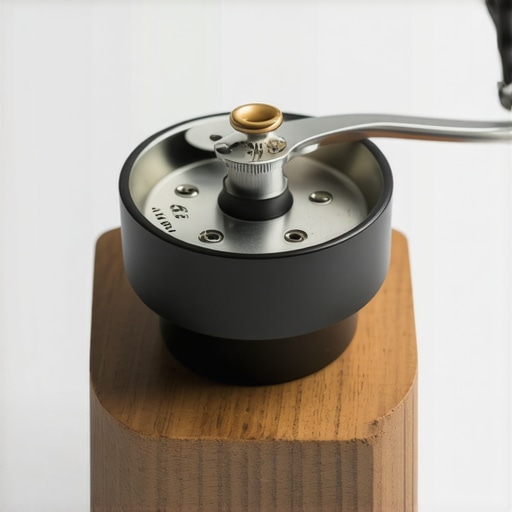
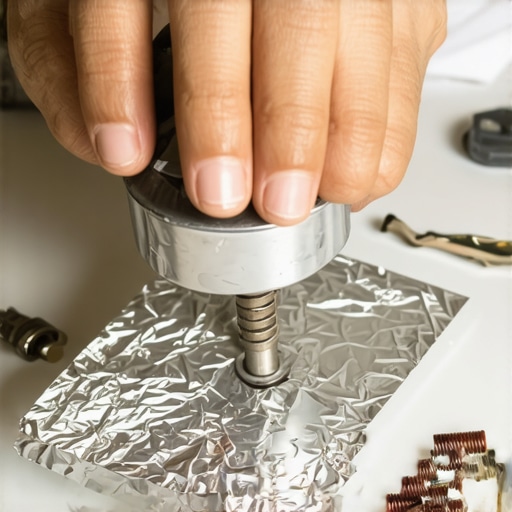
To implement the Tinfoil Shim trick, start by unplugging your grinder and removing the hopper. Carefully take out the burrs according to your model’s instructions, which you can find in the calibration guide. Then, take a small piece of aluminum foil, about twice the size of a grain of rice, fold it into a thin strip, and slide it between the burrs where they meet. This shim temporarily adjusts the burr alignment, promoting uniform grinding. Reassemble the burrs securely, ensuring everything is snug but not overly tight. Once reassembled, run a few beans through the grinder to observe the grind uniformity, adjusting the foil thickness if necessary.
Fine-Tune for Consistency
After initial setup, notch the foil slightly thicker or thinner to see how it impacts the grind size. Your goal is consistent, even particles that match your espresso recipe. You might notice some clumping or inconsistent extraction initially—that’s normal as you dial in the perfect shim thickness.
Apply During Your Routine
This hack is like a quick calibration band-aid; it gets you closer to ideal without complex tools. Remember, this is a temporary fix, so plan to properly service or replace your burrs for long-term precision. It’s particularly helpful when your grinder’s burrs are slightly misaligned due to wear or after cleaning. To prevent issues from recurring, check out more about grinder calibration.Many enthusiasts believe that owning high-end barista gear guarantees perfect espresso every time. However, even with top-tier equipment, common misconceptions can lead to subpar results. One widespread myth is that upgrading to the latest espresso machine will instantly improve your shots. In reality, machine quality is essential, but mastering your current setup often yields better flavor and consistency. Investing in quality tools like the best espresso machines for coffee lovers in 2025 is beneficial, but neglecting proper technique can negate any benefits.
Another frequent mistake is oversimplifying grind size adjustments. Many assume a finer grind always equals better extraction, but overly fine grounds can cause channeling and increased pressure, leading to bitter or under-extracted espresso. Recognizing the nuances of selecting the right grinder and understanding grind consistency are crucial. Remember, distribution and tamping matter just as much as grind size.
A less obvious trap involves milk frothing. Many believe that thicker foam always signifies better microfoam, but excessively thick milk can hinder pouring latte art smoothly. Achieving optimal microfoam involves a balance, which can be refined by mastering microfoam textures. Over-whipping or overheating the milk often causes separation or large bubbles, ruining the presentation.
Now, for the advanced enthusiasts, let’s address a common misconception about pressure profiling. Some believe that adjusting pressure during extraction dramatically improves flavor nuances. While pressure profiling can be impactful, it’s often overhyped among beginners. The real key is consistent, precise pressure management, which involves understanding grind burrs and flow control. Studies suggest that subtle pressure adjustments can enhance or diminish certain flavor attributes, but only if your foundational setup is correctly dialed in. Making such modifications without proper knowledge can backfire, causing more harm than good.
Avoid falling into the trap of thinking that more expensive gear always equates to better espresso. Focus instead on mastering your equipment—whether it’s a <$a href='https://espressotechguide.com/why-your-bottomless-portafilter-only-sprays-one-side' target='_blank' rel='noopener noreferrer'>bottomless portafilter or the latest quality grinder. Consistent technique, proper maintenance, and understanding the nuanced mechanics behind your setup are crucial.
Finally, let me warn you about the Myth of the Perfect Tamping Pressure. Believing that a specific tamp pressure guarantees ideal extraction is a trap. Factors like puck distribution, grind consistency, and machine stability play larger roles. Tamping is still important, but obsessing over a fixed pressure can lead you to ignore other critical variables. Instead, focus on uniform distribution and even tamping, which more reliably produce balanced shots.
Remember, even experts sometimes fall for these myths. Stay curious, keep experimenting, and share your insights—have you ever fallen into this trap? Let me know in the comments! For more tips on refining your home setup, explore our comprehensive mastering-the-art-of-home-espresso guide.Maintaining your home barista gear is crucial for consistent, high-quality espresso and milk-based drinks. I rely on a few specialized tools that help keep my equipment in top shape, prevent unexpected breakdowns, and ensure long-term performance. One indispensable item is a high-precision digital scale, like the calibration-capable digital scale. It ensures precise dosing and helps monitor your machine’s performance over time, catching calibration drift early. For grinder maintenance, I use a cleaning tray with natural cleaning agents—keeping the burrs free of coffee oils prolongs their sharpness and prevents uneven grinds. Regularly inspecting and replacing worn-out group gaskets is vital for maintaining proper pressure and preventing leaks. My go-to tool for this is a group gasket removal tool, which makes replacements quick and damage-free. For routine descaling, I use a descaling solution designed explicitly for espresso machines, following manufacturer guidelines. It’s essential to keep the boiler and heat exchanger free from mineral buildup to prevent temperature inconsistencies that impact shot quality. To prevent clogs and ensure smooth operation, I regularly check the steam wand’s valves and replace worn seals proactively. In the future, I predict more smart diagnostics integrated into home machines, alerting us about impending issues before they become costly repairs. One way to stay ahead: install a pressure gauge module to monitor extraction pressure continuously. How do I maintain my espresso machine over time? Consistent cleaning, regular component checks, and proactive part replacements are crucial—don’t wait for a leak or failure. I recommend scheduling monthly inspections tailored to your specific machine and using tools like a simple maintenance kit. Try adopting these maintenance routines, especially replacing worn seals with a recommended gasket removal tool. Staying vigilant with your tools not only prolongs your gear’s lifespan but also elevates your coffee experience, ensuring every shot is flavorful and satisfying.
Over the years, I’ve realized that the journey to great home espresso is filled with surprises and valuable lessons. One of the most eye-opening experiences was discovering how minor adjustments, like using a tinfoil shim, can dramatically improve grind consistency and shot quality. This taught me the importance of paying attention to the small details, which often make the biggest difference in our daily brews.
Another insight was understanding that even high-end equipment benefits from proper calibration and routine maintenance. Sometimes, a simple tweak—like realigning burrs with a makeshift shim—can save a trip to the repair shop and give you more control over your shots. This experience reinforced the idea that patience and curiosity are your best tools on the road to perfect espresso.
Also, I learned to question the myths that surround our favorite hobby. Focusing too much on equipment upgrades or precise tamping pressure can divert attention from fundamental practices like grind consistency and temperature stability. Recognizing these misconceptions kept me grounded and motivated to continually refine my technique, rather than chasing shiny gadgets.
In my journey, I’ve found that sharing insights and troubleshooting tips with fellow enthusiasts accelerates growth. Being part of a community allows for collective learning and encouragement, reminding us that we’re all imperfect but passionate about this craft. Remember, every mistake is a stepping stone towards mastery.