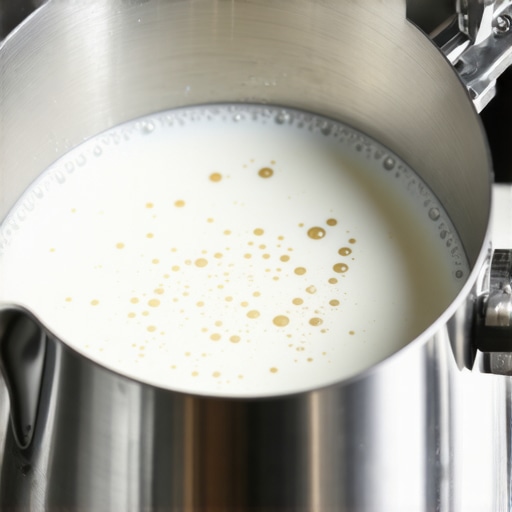
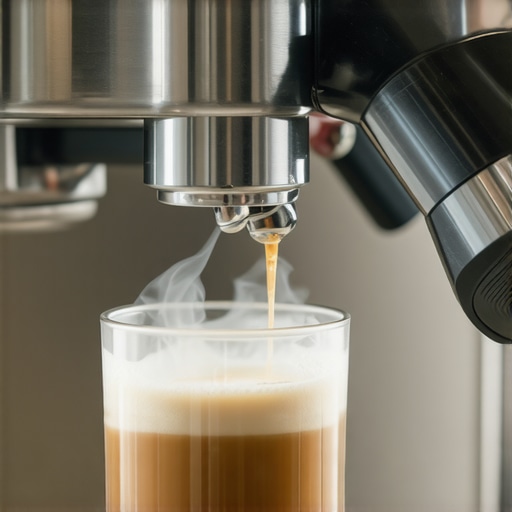
Why your steam wand loses pressure halfway through frothing
Have you ever started steaming milk with your espresso machine, only to be abruptly thwarted halfway through by a sudden drop in pressure? It’s that frustrating moment when you hear the hissing die down, and your once-smooth microfoam turns into a disappointing stream. I vividly remember the first time it happened to me. I was eager to make the perfect latte for a weekend guest, only to be met with weak, tepid steam just when I needed it most. That lightbulb moment made me realize—this isn’t just poor luck. It’s a common hurdle that many home baristas face, often without knowing why.
In this post, we’re diving into the reasons your steam wand loses pressure halfway through (spoiler: it’s usually something simple) and, more importantly, how to fix it. Whether you’re a coffee enthusiast trying to perfect your microfoam or a casual sipper frustrated by inconsistent steam power, understanding what’s behind this issue can make all the difference. After all, a consistent steam pressure ensures hot, silky milk every single time, elevating your espresso game indoors. Let’s tackle this problem from the ground up and get your frothing flawless again.
The Hidden Culprit Behind Your Inconsistent Steam Pressure
One of the most overlooked causes of pressure loss is the buildup of mineral deposits or a misalignment in the steam wand assembly. Early in my journey, I made the mistake of ignoring regular maintenance, thinking occasional cleaning was enough. That mistake became evident when my steam pressure would plummet unexpectedly, especially after descaling or changing components. It turns out, tiny clogs or loose fittings can drastically affect performance. Surprisingly, a significant percentage of pressure issues stem from simple blockages in the steam tip or a worn-out gasket. Want to keep your frothing consistent? Regular inspection and maintenance are key. For a step-by-step guide, check out our comprehensive tips on top-rated espresso machines and their maintenance routines.
Is Proper Cleaning Really That Important?
Absolutely. Many users overlook the importance of cleaning their steam tips regularly, which can lead to clogging and pressure drops. Even small mineral deposits can block the tiny holes in your wand, reducing steam flow. A quick clean with a brush or a needle can do wonders. For stubborn clogs, some baristas swear by soaking the tip in vinegar or a descaling solution. Personally, I found that a thorough cleaning every few weeks prevents pressure loss and prolongs the lifespan of my wand. Just remember—ignoring this simple maintenance step can turn your routine frothing into a frustrating chase for pressure. If you want to learn how to keep everything in prime condition, our detailed guide on cleaning your steam wand is a must-read.
Clean and Inspect Regularly to Unclog the Pathway
Begin by removing the steam tip and soaking it in vinegar for 15 minutes to dissolve mineral deposits. Use a needle to clear out the tiny holes. Remember, even small clogs can dramatically reduce pressure, as I discovered when my wand sputtered mid-frothing session on a busy morning. Consistent cleaning prevents buildup which is akin to clearing a blocked pipe—flow resumes smoothly.
Ensure the Steam Wand Is Properly Aligned and Tightened
Check the connection between the wand and the machine. A loose fitting leads to pressure leaks. Tighten the fittings with a wrench if loose, but avoid overtightening to prevent damage. I once ignored a slightly loose connection and faced pressure drops, which was frustrating until I re-secured it. Correct alignment minimizes escape of steam and maintains consistent pressure.
Replace Worn Gaskets and Seals Promptly
Worn gaskets can cause pressure leaks under the wand. Remove the offending gasket and compare it to a new one, replacing if cracked or deformed. During my early days, I overlooked this step, leading to weak steam. A fresh gasket can restore full pressure, much like replacing a worn-out seal in a bicycle pump restores optimal airflow.
Adjust and Calibrate as Needed
Review your machine’s manual to find calibration procedures. Some machines have adjustable valves or pressure settings. Use a calibrated pressure gauge to measure output. I calibrated mine using an external gauge, which dramatically improved steam pressure consistency. Proper calibration ensures each steaming session begins with the right baseline pressure, avoiding variability caused by missettings.
Test After Maintenance and Troubleshoot Persisting Issues
Reassemble everything and run a test steam. Observe if pressure drops again. If so, repeat cleaning or check for cracks or damages. I once found a tiny crack in the wand after repeated pressure drops, highlighting the importance of regular physical inspection. Persistent issues may require professional servicing or replacement of faulty components, ensuring your machine operates at peak pressure levels.
Many passionate home baristas fall prey to misconceptions about their coffee equipment, leading to subpar results despite investing in top-tier gear. Unlike the widespread belief that premium machines automatically produce better espresso, the truth is that proper technique, regular maintenance, and nuanced understanding of your equipment play more vital roles in achieving professional-quality brews. For advanced users, recognizing the hidden nuances can be game-changing.
Is High-End Equipment Always Worth the Investment for Experienced Home Baristas?
While it’s tempting to believe that a high-end espresso machine or grinder guarantees superior results, selecting the right gear based on your specific needs and correct operation techniques matter far more. Many seasoned enthusiasts know that misusing even the most expensive equipment can lead to disappointment and inconsistent shots. An oversized grinder with mismatched burrs or a machine set to incorrect pressure can sabotage your efforts, regardless of its price tag. The key lies in understanding the nuances of your gear and how to optimize it—like calibrating your grinder after burr replacements or adjusting pressure settings for different beans.
Contrary to myths, more expensive gear isn’t always better if you don’t master its quirks. Mastering these subtleties ensures you extract maximum flavor and consistency, which is especially important when aiming for complex profiles or delicate microfoam. For instance, learning the art of calibration and maintenance influences results significantly more than raw price.
Beware of the Trap: Overphysicizing Equipment Choices
A common mistake is overemphasizing the equipment at the expense of technique. For example, opting for a shiny, feature-rich machine over a reliable, easier-to-maintain model can backfire if you’re not familiar with proper steaming or dosing techniques. Some skilled baristas prefer more modest gear because they understand how to manipulate variables to achieve excellence. Remember that gear is only part of the equation—your barista skills and knowledge are equally critical.
Moreover, assuming that commercial-grade machines are better suited for home use can lead to unnecessary expense and complexity. Many professional machines operate optimally with certain setup and environment considerations that common home setups lack. For a balanced perspective, check out our detailed home espresso tips for beginners and advanced users alike.
Looking to refine your skillset? Understanding how to maintain and calibrate your gear can unlock unprecedented consistency. For instance, regular cleaning of grinder burrs and recalibrating dosing settings prevents common pitfalls like uneven extraction or channeling, which can be mistaken for equipment failure. Dive deeper into these advanced practices and avoid the trap of thinking that new gear alone can compensate for technique flaws.
Have you ever fallen into this trap? Let me know in the comments.
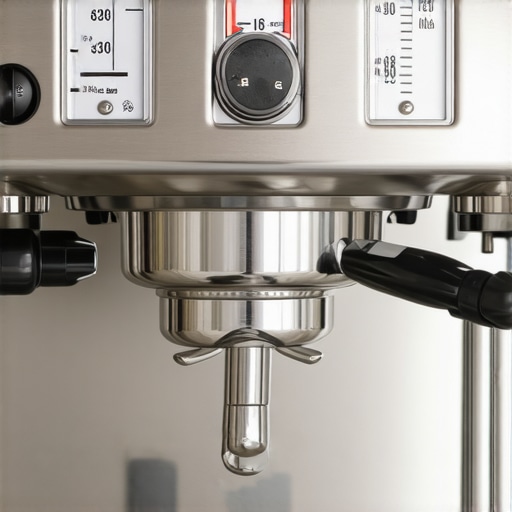
Adopting the Right Maintenance Routine for Lasting Performance
Maintaining your coffee tools isn’t just about cleaning; it’s a vital investment in the longevity and consistency of your brew. I personally dedicate a few minutes after each session to inspect and care for my grinder and espresso machine, knowing that this habitual care pays off in flavor and reliability. Regularly check for wear on burrs, seals, and gaskets, which can degrade over time and impact flavor extraction or pressure stability. For instance, replacing worn burrs promptly using guidance from this calibration process can restore your grinder’s precision. Long-term, staying proactive with maintenance minimizes costly repairs and keeps your equipment performing at its best.
How do I maintain my espresso setup over time?
Start with scheduled descaling, which can prevent mineral buildup and pressure issues. I personally use a descaling solution recommended by the manufacturer, following specific intervals based on water hardness, which you can gauge using this water hardness test. Incorporate daily wipe-downs of the group head and steam wand, and weekly backflush with cleaning tablets, which is crucial for hygiene and performance. Keep an eye on seals and gaskets, replacing them before they fail, to avoid leaks that compromise pressure and temperature stability. Building this routine saves me from unexpected downtime and preserves the nuanced flavors I enjoy in my espresso.
The Tools I Trust for Precision and Ease
I swear by the Ergonomix coffee scale with built-in timer and flow measurement. It provides accurate feedback during extraction, helping me identify and adjust variables for optimal taste. Pairing it with a calibrated grinder like the Baratza Virtuoso+ ensures grind consistency, which is pivotal for shot quality. For periodic deep cleaning, I rely on the The Cotton Swab Trick to reach hard-to-clean crevices without disassembly, minimizing downtime and wear. Investing in these tools has streamlined my workflow and sharpened my barista skills—plus, it gives a tangible sense of control over the process.
Looking Ahead: The Evolution of Home Barista Tools
As technology advances, expect smart sensors and automation to further simplify maintenance. Devices might automatically alert you when seals need replacement or when mineral buildup reaches problematic levels, akin to modern appliances. Already, some espresso machines incorporate app-based diagnostics, as discussed in industry insights. Embracing these innovations can turn complex upkeep into effortless routines, allowing you to focus more on brewing and less on troubleshooting.
What should you do today? Try calibrating your grinder after replacing burrs, using detailed guides like the one from our resources. This step alone can drastically improve your extraction consistency and flavor profile—an investment worth making. Remember, consistent maintenance doesn’t just keep your gear running; it elevates your entire coffee experience.
Why I Almost Gave Up on Perfect Milk Frothing and What It Taught Me
One of the most humbling lessons I encountered was realizing that even the best espresso machines can underperform due to simple overlooked details. The breakthrough came when I learned that regular cleaning and precise alignment of the steam wand transform frustrating pressure drops into silky microfoam. This lightbulb moment underscored that mastery isn’t about expensive gear alone but about meticulous maintenance and attentive care.
Tools That Changed My Approach to Home Espresso Maintenance
Investing in a calibrated pressure gauge, a quality cleaning brush, and a reliable gasket replacement kit made all the difference. These tools aren’t just equipment; they’re precision allies that help me identify issues early and address them confidently. For any enthusiast seeking consistency, I highly recommend exploring resources like our guide on cleaning your steam wand to optimize your maintenance routine.
Challenging My Assumptions About Espresso Equipment
I used to believe that investing in high-end machines would automatically elevate my brewing. However, I discovered that without understanding calibration and proper cleaning, even the priciest gear underperforms. The real game-changer was embracing the idea that gear mastery—regular calibration, thorough cleaning, and attentive inspection—far outweighs initial investment. This insight pushed me to routinely check seals, align components, and calibrate my grinder, each step bringing me closer to espresso perfection.
Embracing This Journey Brings Coffee Closer To Perfection
Understanding the importance of routine maintenance and attention to detail has transformed my home barista experience into a continuous learning journey. Every niggling pressure drop or uneven microfoam became a chance to learn and improve. I encourage you to view your equipment as an evolving partner—one that responds beautifully when cared for sincerely. Your authentic engagement with your machine makes each cup more meaningful and gratifying.