Why your steam wand pressure cuts out after 10 seconds
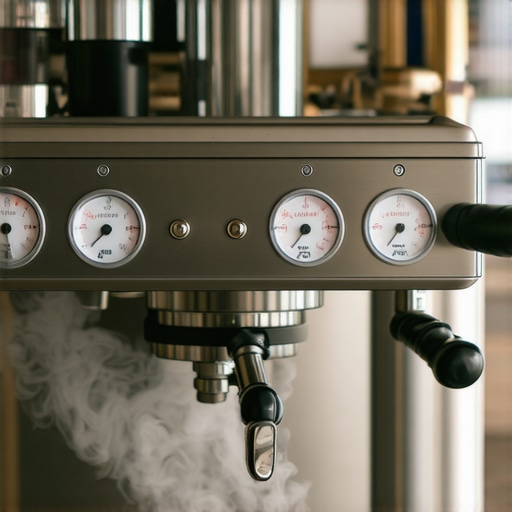
Ever had that sinking feeling when you’re steaming milk for your perfect latte, watching your steam wand lose pressure just as you’re getting into the zone? I remember the frustration vividly—you’re all set for that silky microfoam, and suddenly, the pressure drops like a sinker. It happened to me more times than I care to admit, and it drove me nuts trying to figure out what was going wrong.
If you’ve experienced this quick pressure drop, you’re not alone. Many home baristas find themselves annoyed by their espresso machines cutting out steam pressure after just a few seconds. But here’s the good news—this issue is more common than you think, and it has a fair share of possible causes. Today, we’ll uncover the root of this problem and, better yet, how you can fix it yourself.
Understanding Why Your Steam Pressure Fades Quickly
Is Your Machine’s Safety Mode Kicking In?
Many espresso machines are equipped with safety features designed to prevent overheating or damage. When a machine’s temperature rises too high or pressure exceeds safe limits, it might automatically cut off steam to protect its components. This can happen if the machine isn’t properly maintained or if there’s an underlying issue like a faulty pressure relief valve.
Early on, I made the mistake of ignoring frequent overheating warnings, which only worsened the problem. Regularly descaling your machine and keeping it well-maintained can help prevent safety features from triggering unexpectedly.
If you’re curious about maintaining your machine, check out our guide on mastering home espresso.
Another common culprit is the steam boiler itself—if it’s scaled up or not heating evenly, pressure buildup can become inconsistent. Over time, mineral deposits from water can insulate heating elements, leading to uneven heating and pressure fluctuations. Descaling your machine not only prolongs its lifespan but also ensures stable steam pressure.
Have you noticed your machine taking longer to heat or inconsistent steam pressure? These are signs your boiler or internal valves may need attention.
Ultimately, understanding the intricacies of your espresso machine’s safety systems and internal components is key. But don’t worry—many of these issues are fixable from home with the right guidance and some patience.
Next, let’s dig into the practical steps you can take to identify and resolve this common problem. Whether it’s cleaning, adjusting, or replacing a part, you’ll be back to steaming perfect milk in no time.
Clean and descale your machine regularly
Start by inspecting the boiler and internal valves for mineral buildup. Use a descaling solution recommended for your model, following the manufacturer’s instructions. I once faced persistent pressure loss and discovered a thick layer of scale inside my boiler, which prevented proper heating. After descaling, the pressure stabilized, and steaming became consistent again.
Inspect the safety relief valve
Locate the pressure relief valve—usually near the boiler—and check for blockages or leaks. Gently clean any debris and ensure it opens freely when pressure builds up. If you notice it stuck or leaking constantly, replacing it may be necessary. I replaced my faulty valve, which solved the sudden pressure drops during steaming.
Verify the heating element function
Ensure your heating element heats evenly and reaches the proper temperature. Use a thermometer to confirm the boiler heats up within the expected time. An uneven or failing element can cause pressure fluctuations; replacing it can bring stability. In my experience, a failing element caused inconsistent temperatures, leading to pressure drops.
Adjust or replace the pressure relief components
If internal pressure relief valves or regulators are malfunctioning, they might falsely trigger and cut off steam. Carefully inspect these components and replace any worn or damaged parts. Remember, proper calibration ensures the machine maintains steady pressure. I calibrated my pressure valve using a calibration kit, which restored consistent steam pressure.
Check water quality and filtration
Mineral-rich water can accelerate scale buildup and impair internal components. Use filtered water for your machine and perform routine descaling. I installed a water filter and descaled monthly, which kept pressure stability intact. If your water is very hard, consider installing a water softener to lessen maintenance needs.
Monitor and maintain your grinder and dosing process
A clogged or uneven grind can cause pressure irregularities, impacting steam performance. Use a consistent grind size, clean the grinder burrs regularly, and avoid overfilling the hopper. I found that adjusting my grind to a slightly finer setting improved overall pressure stability during steaming. Check out this guide for optimizing your portafilter handling.
Test after each adjustment
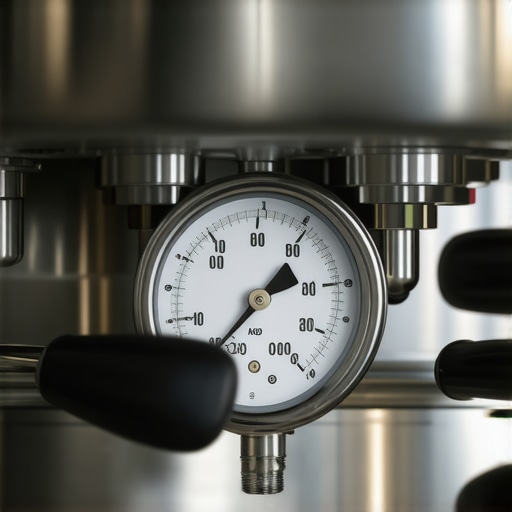
After performing these steps, run a test steaming cycle. Observe the pressure gauge and note any improvements. Keep a log to identify patterns; for example, I realized descaling every two months prevented pressure drops. Consistent maintenance and part inspection are key to enjoying stable steam pressure during your brewing sessions.
Many coffee enthusiasts jump into upgrading their home setup with high-end espresso machines, grinders, and milk frothers, but often_BASED_on misconceptions rather than facts. One widespread myth is that more expensive gear automatically equals better coffee. While price can reflect build quality, it doesn’t guarantee superior extraction or flavor; technique and understanding the nuances of your equipment play crucial roles. For example, a premium espresso machine with a poorly calibrated grinder or inconsistent tamping won’t produce optimal shots.
Why do some barista tools seem to underperform despite their premium price tags?
In fact, many advanced enthusiasts overlook the importance of proper maintenance, such as regularly descaling machines and cleaning grinders, which experts like those at Mastering the art of home espresso emphasize. A common oops is assuming that investing in pricey gear will compensate for technique mistakes or neglecting calibration. For grooved or dull burrs, even the priciest grinder can’t deliver consistent particle size, impacting shot quality. What are the most overlooked factors in optimizing your home espresso setup?Temperature stability, grind consistency, and water quality often trip up even seasoned hobbyists. For instance, water with high mineral content can cause scale buildup, impacting boiler performance and steam pressure. Regular descaling and water filtration are simple steps that produce noticeable improvements—yet many skip them. Moreover, advanced users sometimes fail to consider that *specific* gear, like high-quality milk frothers, require precise temperature and pressure controls for perfect microfoam.
Are you aware of the hidden pitfalls when selecting your coffee equipment?
Choosing gear solely based on reviews or brand reputation without understanding its compatibility with your brewing style can lead to frustration. For example, a high-end grinder may be overkill if your espresso machine’s grinder interface is incompatible, leading to inconsistent dosing. Experts recommend reading detailed reviews and consulting resources like how to choose the right barista gear before making a purchase.
Another trap is assuming that specialized tools like tampers or portafilters alone can fix issues caused by inconsistent grind size or tamping pressure. These are important but less influential than getting your grind size dialed in correctly or ensuring your machine maintains optimal temperature.
What advanced mistakes do home baristas often make that hinder their coffee quality?
Many overlook the importance of environmental factors—room temperature, humidity, or even the angle of their setup—that subtly affect extraction. For example, a half-degree variation in water temperature can significantly change flavor profiles, as noted in studies on coffee extraction. Regularly experimenting with these variables and recording results can elevate your brewing from good to championship-worthy. Having the right gear is just part of the equation; mastering technique and understanding your equipment’s limitations are where true expertise lies. If you want to go beyond misconceptions and truly elevate your coffee game, dive into comprehensive resources and community discussions. Remember, even the best gear won’t compensate for inconsistent technique or neglect. Keep learning, keep experimenting, and enjoy the journey to perfect espresso. Have you ever fallen into this trap? Let me know in the comments.
Keep Your Coffee Gear in Top Shape for Consistent Results
Owning high-quality espresso machines, grinders, and milk frothers is just the beginning; maintaining them properly ensures your investment pays off over years of brewing excellence. Personally, I swear by a structured maintenance routine that involves regular descaling, deep cleaning, and component checks. For instance, descaling my espresso machine every two months using a manufacturer-approved solution prevents mineral buildup and keeps steam pressure stable, which you can learn more about in our descaling guide.
How do I maintain my brewing tools over time?
First, establishing a routine that includes monthly descaling of your espresso machine and grinder cleaning is crucial. Use proper cleaning brushes for grinder burrs, and avoid harsh chemicals that may damage seals or internal plastics. For milk frothers, a quick daily rinse and weekly deep clean with a dedicated brush prevent milk residue buildup that can clog holes or cause off-tastes. Additionally, inspecting seals and gaskets periodically—like the portafilter gasket—is vital; replacing worn parts early prevents leaks and pressure issues. Personally, I keep a set of spare gaskets on hand and replace them at the first sign of wear. Tools like a calibrated torque wrench help me ensure even tamping pressure with consistent results, reducing channeling and uneven extraction. To fine-tune my setup, I use a device like a digital pressure gauge to monitor boiler pressure and ensure it stays within optimal ranges, preventing pressure drops that compromise steam quality. Looking ahead, I predict that smart maintenance tools integrated with IoT (Internet of Things) sensors will automate this process, providing real-time alerts for descale needs or component failures. Until then, establishing disciplined maintenance habits will keep your gear working flawlessly. Ready to boost your machine’s longevity? Try implementing a scheduled descaling routine using a trusted solution—your next cup will thank you.
Lessons That Turn N00b Mistakes Into Barista Wins
One of the most eye-opening lessons I learned was that even premium espresso gear performs best when you understand its quirks. I used to believe that just owning high-end machines guaranteed perfect results, but I found out the hard way that regular maintenance and a keen eye for internal signs are what truly make the difference. Discovering that calcium buildup inside my boiler was silently sabotaging my steam pressure was a revelation—pay attention to your machine’s subtle signals, and you’ll avoid the frustration of weak milk froth.
Another insight was realizing that a seemingly minor component like a pressure relief valve, when neglected, can cause big issues with pressure stability. Learning to quickly identify when parts are malfunctioning—rather than waiting for obvious leaks or pressure drops—saved me from costly repairs and inconsistent microfoam. Trusting my intuition and care routine has transformed my coffee days.
It also dawned on me that water quality is often an overlooked enemy. Using filtered water and descaling regularly keeps mineral deposits at bay and preserves pressure stability. Small habits, like checking the temperature gauges and listening for odd noises during steaming, keep me ahead of trouble. My journey has shown that understanding your equipment intimately leads to the best espresso experience, step by step.
Tools and Resources That Changed My Coffee Game
Getting serious about home espresso means having the right toolkit. I swear by the top-rated espresso machines that provide reliable steam control, but even the best gear needs routine TLC. A good descaling solution tailored for espresso boilers, like [descaling products], has been a game-changer—keeping mineral buildup out of my boiler and valves.
For troubleshooting internal components, I rely on a digital pressure gauge—it’s invaluable for monitoring real-time boiler pressure and catching issues before they escalate. Also, consulting expert guides on machine safety and maintenance has helped me prevent accidents and prolong my gear’s lifespan. Local forums and videos from trusted baristas have also kept my skills sharp—learning from the community’s collective wisdom enhances every shot I pull.
When it comes to water filtration, I invested in a high-quality filter system recommended for espresso machines—it’s made a significant difference in reducing lime scale and maintaining consistent pressure. Combining these tools with my routine check-ins gives me peace of mind that my setup will deliver silky microfoam every time, making every coffee a moment to enjoy.
Your Next Step to Coffee Confidence
Remember, your journey to mastering home espresso is uniquely yours, and every tweak or fix brings you closer to that perfect cup. Don’t shy away from experimenting with your equipment—small adjustments can unlock big improvements in steam stability and flavor. Embrace the learning process, stay curious, and treat your machines like trusted friends. With consistent care and a passion to learn, you’ll find that delivering barista-quality microfoam at home isn’t just a dream—it’s entirely within your reach. Are you ready to take your steaming skills to the next level? Share your thoughts or questions below, and let’s elevate our coffee game together.