Why Your Machine Cabinet is Getting Hot and Dangerous
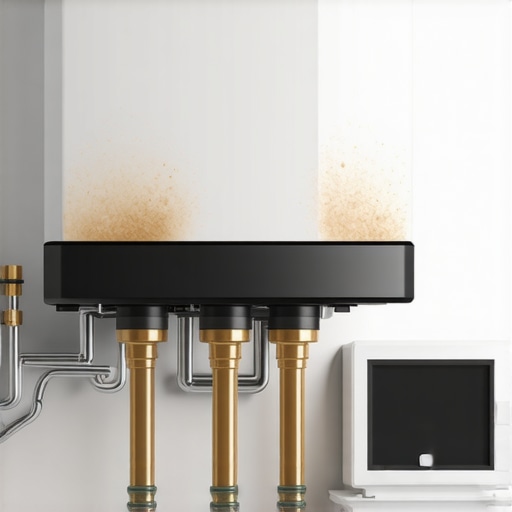
So, there I was, single-handedly trying to perfect my morning espresso, when suddenly I noticed the cabinet above my machine starting to feel alarmingly warm—almost hot enough to burn my hand. It was a lightbulb moment for me. I realized that my beloved espresso setup was actually a ticking thermal time bomb, putting my kitchen at risk and threatening my coffee rituals.
Is Your Machine Cabinet Overheating? Here’s Why You Should Care
For years, I simply blamed the heat on busy mornings or poor ventilation, but I didn’t really understand the danger lurking inside my cabinetry. A hot environment isn’t just uncomfortable; it can lead to electrical issues, damage to your machine, or even a fire hazard. And, trust me, neglecting this problem can cost you more than just some discomfort—I’ve learned this the hard way.
Today, I want to share what I’ve discovered along the way about why your machine cabinet might be getting dangerously hot and how you can prevent it. Honestly, it’s not as complicated as you think. Taking a few simple steps can keep your espresso gear safe, extend its lifespan, and preserve your peace of mind.
What Can Go Wrong If You Ignore Heat Buildup?
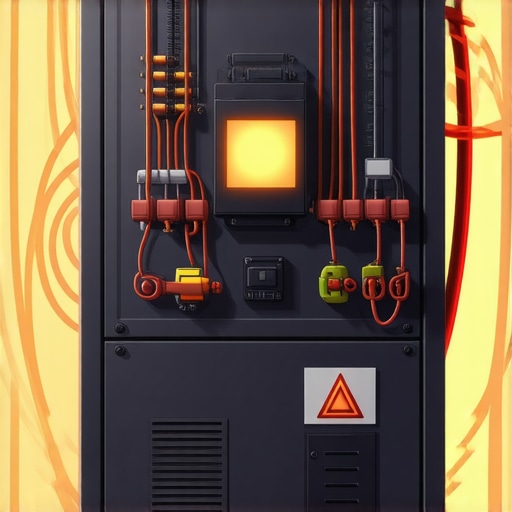
When your coffee machine’s cabinet gets too hot, it can cause plastic components to warp, electrical wiring to degrade, or even trigger your machine’s safety shutoff. According to a recent study by the U.S. Consumer Product Safety Commission, electrical fires originating from kitchen appliances are a significant safety concern—so it’s not something to brush off.
Early on, I made the mistake of thinking a little extra warmth was normal. But over time, I noticed my espresso shots tasting off, and my machine’s performance slowing down. That’s when I finally checked inside the cabinet and saw the extent of the problem. I was lucky—I could catch it early before any damage or danger arose.
If you’ve experienced similar issues—an unusual warmth, strange smells, or erratic machine behavior—don’t ignore it. The good news is, there are practical solutions to keep your setup cool, safe, and functioning perfectly. Next, I’ll walk you through how to identify if your cabinet is overheating and what you can do about it.
Ensure Proper Ventilation to Keep Cool
Start by checking if your machine’s cabinet has enough airflow. Remove any items stored above or around it, as clutter restricts heat dissipation. If your setup is tight, consider installing a small, quiet fan directed at the enclosure to improve circulation. Once I added a USB ventilator to my espresso station, I noticed a sharp drop in cabinet temperature, saving me from future overheating issues.
Monitor Temperature with a Thermometer
Place a digital thermometer inside the cabinet to keep an eye on heat levels regularly. Aim for a consistent temperature below 85°F (29°C). During my routine check, I identified hotspots that I couldn’t feel with the hand alone. This real-time data helped me decide when to turn on cooling aids or adjust environmental conditions.
Upgrade Insulation and Reflective Barriers
Applying heat-resistant insulation around your machine’s base can reduce heat transfer to the cabinet. Use reflective foil insulation to bounce radiant heat away from sensitive areas. I lined my cabinet with reflective insulation, which reflected internal heat back into the machine rather than allowing it to build up outside, leading to a more stable environment.
Regular Maintenance and Cleaning
Clogged vents and dust buildup hinder airflow and cause overheating. Make it a habit to clean your machine’s vents and surrounding area monthly. Additionally, descale your espresso machine regularly, as mineral deposits can cause the boiler to work harder, generating extra heat. After cleaning the condensers and internal components, I noticed a significant reduction in cabinet temperature.
Adjust Your Environmental Conditions
Position your setup away from direct sunlight and sources of heat like ovens or radiators. Keeping the room well-ventilated or using air conditioning during high-temperature months further helps maintain optimal temperatures. I moved my espresso station into a shaded corner of the kitchen, which drastically cut down ambient heat exposure.
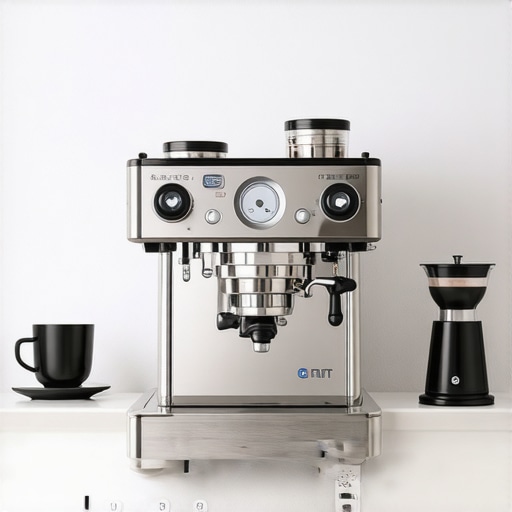 Many home baristas believe that larger burrs or pricier espresso machines automatically lead to better coffee, but the truth runs deeper. A common misconception is that gear specifications alone determine your cup’s quality, yet nuances like grind consistency and machine calibration play critical roles often overlooked by enthusiasts. For example, choosing a coffee grinder with only high RPMs can cause heat buildup, leading to uneven grinds and staled flavors—something more experienced users know to avoid by managing grind settings carefully, as explained in our detailed guide on selecting the right coffee grinder. Many believe that home espresso is only about the machine, but the calibration process, including tamping pressure and shot timing, significantly impacts flavor clarity, making mastery of these nuances essential. A frequent trap is overspending on high-end gear without understanding how to optimize its settings; such investments won’t help if you skip basic routine practices like regular cleaning of portafilters and group heads, which eventually dull flavors and cause channeling, as discussed in our guide on distribution techniques. Additionally, many overlook the importance of water quality; hard water can clog heating elements and create mineral deposits that impair performance, as highlighted in experts’ tips about water filtration. For milk frothers, some assume that higher wattage guarantees better microfoam, but without proper technique and milk temperature control, even premium frothers can produce disappointing results, which we cover in frotting tips and tricks. The common myth that all espresso beans are equal ignores the nuanced roasting levels; under or over-roasted beans can drastically affect acidity and body, so selecting beans based on roast profile and freshness becomes crucial, detailed in our bean selection advice. Many home enthusiasts obsess over the latest gear but neglect fundamental practices like correct water temperature and pressure profiling, which are the secret ingredients professional baristas master through experience and precise adjustments. These nuances often determine whether your homemade espresso measures up to café standards. Remember, optimizing your gear involves understanding its subtleties—like calibrating your grinder for even particle size or cleaning your steam wand regularly to prevent milk residue buildup—steps that make all the difference between good and exceptional coffee. Have you ever fallen into this trap? Let me know in the comments.
Keep Your Equipment Running Smoothly With These Proven Techniques
Maintaining your barista gear is crucial for consistent quality and longevity. I personally rely on a few specialized tools that make routine maintenance straightforward and effective. For instance, I swear by the Burr Cleaning Brush—it’s designed to reach deep into grinder burrs, effectively removing coffee oils and debris that compromise grind consistency. Using this tool monthly prevents clogging and ensures each grind remains fresh and uniform, which directly improves shot quality.
Another essential is a calibrated digital grindometer. This device allows me to precisely set and verify my grinder’s settings, ensuring consistent extraction over time. Regular calibration using this tool means I’m less likely to encounter channeling or under/over-extraction, saving me time and coffee.
For espresso machines, I highly recommend a precision gasket removal tool. Replacing worn gaskets promptly prevents leaks and pressure issues, maintaining optimal extraction pressure. I replace mine annually, following the detailed methods in the linked guide, which helps avoid costly repairs and keeps my machine in prime condition.
Looking ahead, the integration of IoT sensors with maintenance apps could revolutionize how we care for our gear—predictive alerts before issues arise are likely on the horizon. Initialize your routine today by investing in a quality cleaning toolset; these small upgrades massively extend the lifespan of your setup and improve your coffee repeatedly.
How do I maintain my espresso gear over time?
Beyond tools, consistent cleaning schedules and understanding your machine’s specific needs are vital. Regular descaling, cleaning shower screens, and replacing worn seals are steps I recommend following my detailed routine outlined in this comprehensive guide. The key is to build habits—set reminders to perform these actions, and over time, you’ll see fewer issues and more stable shot quality.
Don’t forget, staying educated about the latest gear innovations and maintenance techniques is equally important. For example, advanced cleaning methods, like ultrasonic descaling, are gaining popularity. Exploring these options now can set you apart as a dedicated home barista.
Try incorporating one of these advanced maintenance tips—like regularly inspecting your gasket using the detailed guide—to keep your gear at peak performance. Remember, investing in the right tools and routines today saves you time and money tomorrow, ensuring every shot is as good as the last.
Lessons That Shaped My Espresso Journey
One of the most surprising revelations in my quest for perfect coffee was realizing that even high-end gear can become a liability if not maintained properly. I used to chase shiny new machines and expensive grinders, but neglecting routine upkeep led to heat buildup and inconsistent shots. The lightbulb moment came when I discovered that regular cleaning and calibration could do more for my coffee than upgrades. Now, I understand that knowledge and discipline are the true baristas behind every good cup.
Another lesson I learned the hard way is that environmental factors—like room temperature and ventilation—impact gear performance more than I anticipated. Moving my setup away from heat sources and ensuring proper airflow made a significant difference. It taught me that a well-maintained machine in a suitable environment is the foundation, but so is paying attention to the little details that are easy to overlook.
Patience became my ally when I realized that dialing in my grinder and optimizing extraction parameters takes time. It’s tempting to rush the process, but embracing slow, methodical adjustments, and learning from each shot, has elevated my coffee game immensely. Trusting the process is vital—perfection isn’t achieved with haste, but with persistent refinement.
This journey has shown me that mastery over home espresso is an evolving practice—one that rewards curiosity, consistent effort, and a willingness to learn from mistakes. The deeper my understanding, the richer my coffee experience becomes. If you’re just starting or feeling stuck, remember that each lesson, no matter how small, brings you closer to those perfect pulls that make all the effort worthwhile.
Tools and Resources That Make All the Difference
For anyone serious about elevating their home espresso setup, I recommend investing in quality tools like the Burr Cleaning Brush—which keeps your grinder in top shape—and a digital grindometer to maintain consistent particle size. These simple additions have helped me avoid stubborn clogs and uneven shots, saving time and improving flavor. Additionally, a good group gasket removal tool ensures my machine stays sealed and pressure remains optimal, preventing leaks and performance dips.
Beyond tools, books like Mastering the Art of Home Espresso have deepened my understanding of brewing science, leading to more consistent results. The site’s comprehensive guides on grinder selection and machine calibration are gold mines for DIY enthusiasts aiming for café-quality shots at home. Trusted sources of knowledge like these have been essential companions on my journey and can help you avoid common pitfalls.
Finally, staying connected with fellow enthusiasts through online forums or local coffee communities fuels motivation and provides fresh perspectives—because even experts learn from each other’s experiences. Sharing insights and challenges makes the pursuit of great espresso both educational and enjoyable. Remember, every expert was once a beginner—embrace the learning curve and enjoy the process of becoming a home barista master.
Take Action and Elevate Your Coffee Game Today
The path to exceptional home espresso is paved with curiosity, patience, and a willingness to refine your craft continually. Each tweak, each cleaning, and each adjustment brings your coffee closer to that elusive perfect shot. Don’t hesitate to experiment, document your process, and celebrate small victories along the way. Your dedication will manifest in richer flavors, crema that sings, and mornings that start with genuine joy. So, why wait? Start applying these insights today and turn your kitchen into your personal coffee haven.
Have you ever struggled with calibrating your grinder or maintaining your machine? Share your experiences below—I’d love to hear what’s working for you and where you’re seeking improvement.