
How to Spot Under-Roasted Beans Before They Hit Your Hopper
Have you ever brewed a single shot of espresso, only to be hit with a flavor so off that you wonder if your beans are cursed? I remember those mornings when I’d eagerly start my brew, expecting that rich, aromatic shot, but instead, I was met with a flat, dull taste—like biting into burnt toast. It took me a while to realize that the culprit wasn’t my machine or grind size, but something far more fundamental: the roasting level of my beans right out of the bag.
Why Too Much Darkness in Your Beans Could Be Hiding a Problem
It’s frustrating, isn’t it? You’ve invested in all the shiny gear, experimented with grinders and tampers, but the taste just doesn’t hit the mark. What if I told you that one of the most overlooked issues is the roast itself? Specifically, under-roasted or unevenly roasted beans can sneak into your hopper, wreaking havoc on your brew. They don’t just affect flavor—they can also cause uneven extraction, clog your grinder, and ultimately frustrate your entire coffee routine.
The truth is, identifying under-roasted beans before they hit your grinder is a game-changer. I learned this the hard way early in my coffee journey when I kept blaming my grinder for inconsistent shots, only to realize I was feeding it unripe, flawed beans. As coffee experts have noted, beans that are not roasted sufficiently can contain residual moisture, which leads to uneven extraction and sour or flat flavors (source: ScienceDirect).
In this post, I’ll share practical, no-nonsense methods to spot those under-roasted beans before they ever meet your grinder or espresso machine. Trust me, once you start paying attention to these details, your coffee quality will skyrocket, and you’ll waste fewer beans and less time troubleshooting. Ready to elevate your home brewing game? Let’s get to it—because a good shot begins with good beans.
Is it Really Worth the Extra Effort to Check Bean Roasts?
Now, I know some of you might be skeptical. Isn’t it enough to buy fresh beans and trust your supplier? Well, I used to think so too. But early on, I made the mistake of assuming that all beans were roasted to perfection, only to find that some were just lightly roasted or unevenly roasted, which impacted flavor and consistency. Recognizing the signs of under-roasted beans made an immediate difference in my brewing success and saved me from wasting money on subpar beans. If you’ve faced the frustration of inconsistent flavors, I encourage you to pay closer attention to your beans’ appearance and smell—these are simple yet powerful indicators that can save you a lot of trouble down the line. For more on selecting the right beans, check out this guide on choosing your coffee beans.
Inspect the Bean Color and Surface
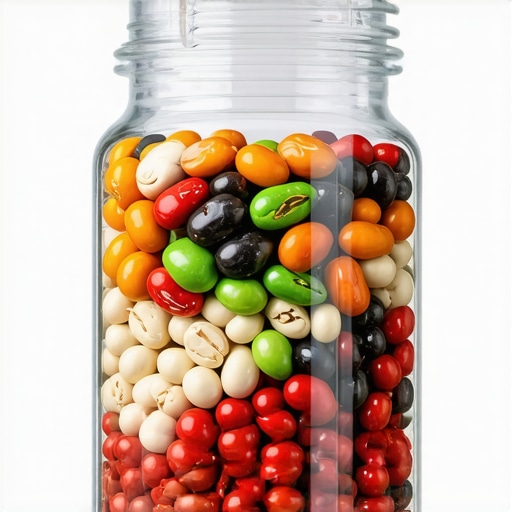
Start by examining the beans visually. Properly roasted beans should have a consistent color appropriate to their roast level—dark for espresso, lighter for pour-overs. Look for uniformity; specks of oil on dark roasts indicate freshness, but excessive shine might suggest over-roasting or oiliness that can clog your grinder. Avoid beans with cracks, chips, or uneven surfaces, as these can signal improper handling or subpar quality. I once opened a bag where some beans looked burnt while others were underdeveloped—this inconsistency led to uneven extraction in my shots, highlighting the importance of selecting visually uniform beans.
Smell Before You Grind
Take a deep sniff of the beans. Freshly roasted coffee should emit rich, aromatic notes—think chocolate, caramel, or fruity hints. If the beans lack aroma or smell stale, it indicates age or poor storage conditions. I had an experience where I received a bag with a faint, musty scent; grinding it resulted in flat, muted flavors. This visual and olfactory check helps prevent wasting time and equipment on beans that won’t produce the desired intensity.
Perform the Float Test for Freshness
Drop a few beans into a glass of water. Fresh beans usually sink because of their density, while older, stale beans tend to float due to moisture loss and surface drying. I tested a batch from a recent trip to the roaster, and some beans floated—indicating they might be past their prime. Choosing beans that sink ensures you’re starting with ingredients that will develop full-bodied espresso flavors.
Observe the Roast Density at Home
Use a simple light source, like a flashlight, to inspect the beans’ interior if possible. Darker, uniformly roasted beans will have a consistent shade throughout. If you notice uneven coloring or spots, it might be an indication of uneven roasting. I once bought a bag where some beans showed patches of uneven brown, leading to inconsistent extraction. This step helps confirm that the roast is even, vital for achieving the desired flavor clarity.
Test the Grind and Extraction
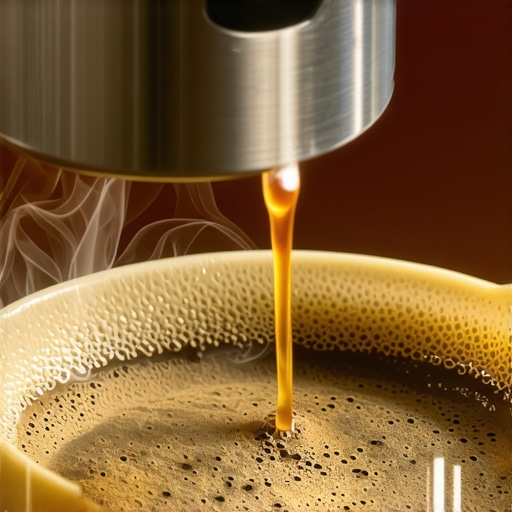
Before brewing, grind a small amount and examine the grounds. Properly roasted beans tend to produce consistent, uniform particles. If the ground is too fine or too coarse unexpectedly, the roast might be under- or over-roasted. When I encountered excessively fine grounds despite using a coarse setting, I realized the beans needed a longer roast. Adjust your grinder accordingly and watch the shot flow; a slow, syrupy stream suggests under-roasted beans, while a fast, thin flow indicates over-roasting.
Utilize the Sniff and Squeeze Test
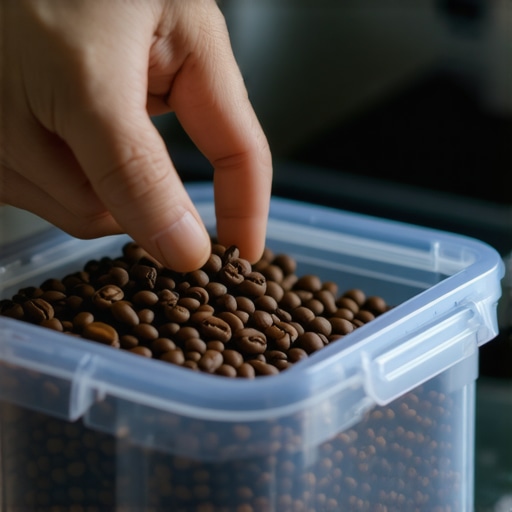
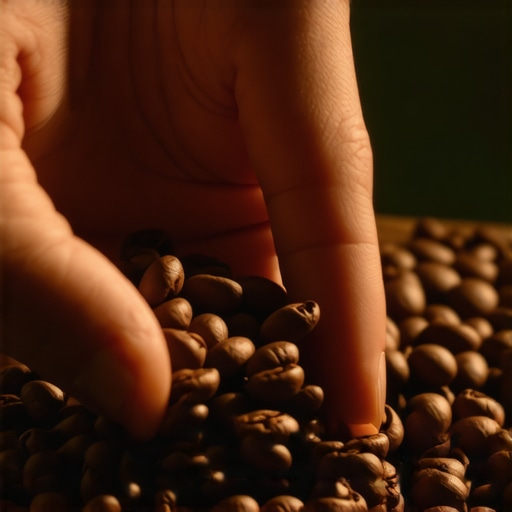
After roasting, lightly squeeze a handful of beans; they should feel firm and be fragrant. If they crumble easily or smell stale, they aren’t fresh enough for optimal espresso. I learned this during a recent roast session—squeezing a batch revealed dryness and lack of aroma, prompting a revisit to my storage practices. Fresh, well-maintained beans are key to consistent flavor.
Review the Seller’s Information
Always check the packaging date and roast level provided by the supplier. Reliable sources should include detailed roast profiles and freshness indicators. When I started paying attention to these details, I avoided pitfalls of using beans that were rotted or improperly stored, ensuring a more predictable extraction process.
By incorporating these steps into your routine, you’ll be able to filter out beans that won’t deliver the espresso experience you’re aiming for. It’s a practical, hands-on approach that saves you time and resources, setting a solid foundation for brewing perfect shots every time.
 Many home baristas and enthusiasts often assume that owning fancy equipment or following basic guidelines guarantees perfect coffee. However, the real mastery lies in understanding the subtle nuances and common misconceptions about milk frothers, barista gear, espresso machines, and grinders. For instance, a prevalent myth is that high-priced espresso machines automatically produce superior shots. In reality, a poorly maintained or incorrectly configured machine can underperform regardless of its price, as highlighted by industry experts emphasizing routine calibration and cleaning (source).
One trap many fall into is over-relying on their grinder’s grind setting without appreciating the importance of burr alignment and static buildup. Static can cause coffee grounds to cling stubbornly, disrupting dose consistency and affecting flavor. Using anti-static tools and regular burr maintenance can significantly improve extraction quality. Don’t make the mistake of thinking that simply dialing in your grinder is enough—investing in burr calibration or replacement when needed is equally crucial.
When it comes to milk frothers, a common misunderstanding is that more foam always equates to better texture. Yet, achieving microfoam with silkiness depends heavily on milk temperature and pitcher positioning. A small oversight, such as steaming milk at too high a temperature or using a wide pitcher, can compromise microstructure. Experts advise focusing on the process-specific techniques, like proper stretching and temperature control, rather than just the equipment’s fancy features (here).
Advanced baristas know that espresso extraction involves more than just freshly roasted beans and a good machine. The aroma, shot timing, and even the puck prep significantly influence flavor. For example, uneven tamping can cause channeled shots, leading to inconsistent flavor and strength. These details are often overlooked but can make or break the cup’s quality. Regularly reviewing your technique and understanding the physics behind extraction allows for adjustments that elevate your brewing (see more).
Another advanced nuance involves the cleaning routines of espresso machines and grinders. Many coffee lovers neglect to descale or clean internal components regularly, causing mineral buildup or residual oils that taint flavor and stall equipment performance. Routine maintenance, as outlined in detailed guides, heightens machine longevity and preserves the characteristic bright flavors of your coffee. Think of these practices as part of the craft itself rather than chores.
Have you ever fallen into this trap? Let me know in the comments. Mastery isn’t just about equipment but about understanding and respecting these subtle aspects that experts swear by. Improving your knowledge of these hidden nuances transforms a good brew into a truly exceptional one—so keep questioning, experimenting, and refining your process.
Keep Your Gear Running Smoothly
Investing in quality barista equipment is only half the battle; maintaining it properly ensures longevity and consistent performance. Regular upkeep not only preserves the quality of your brews but also saves you money over time. I personally swear by routine cleaning schedules for my espresso machine and grinder, which have drastically reduced downtime and flavor inconsistencies. Embracing a proactive maintenance mindset means you get the most out of your gear, and it often extends the device’s lifespan beyond manufacturer expectations.
How do I maintain my espresso machine over time?
Establishing a disciplined cleaning routine is vital. For instance, doing a 30-second flush after each shot helps prevent oil buildup. Additionally, descaling your machine every three to six months—depending on water hardness—prevents mineral deposits that impair performance. Use manufacturer-approved descaling products, and remember to clean the water reservoir regularly to prevent mold and bacteria growth. For deep cleaning, removing and soaking shower screens and brew baskets weekly makes a visible difference in flavor clarity. These steps, combined with routine inspection of seals and hoses, keep your setup performing like new.
My favorite tools for upkeep include:
- Burr cleaning brushes: Essential for removing coffee oils and fines from grinder burrs, which can affect grind consistency. I recommend the specialized burr cleaning brush—it reaches into tight spaces and prolongs burr sharpness.
- Ultrasonic cleaner: A game-changer for deep-cleaning portafilters and shower screens. By submerging components in ultrasonic baths, you effectively remove stubborn oil and grime without harsh scrubbing. This method keeps your group head components free of build-up, maintaining optimal water flow and extraction quality.
- Water softener: Hard water can cause scale buildup, which hampers heat transfer and leads to higher energy consumption. Installing a dedicated water softener or using filtered water dramatically reduces descaling frequency. I’ve found that swapping to premium filtered water improves both machine longevity and shot flavor.
- Static eliminator tools: Coffee static can cause grounds to cling to grinders and portafilters, creating uneven doses. I employ anti-static brushes and static-reducing sprays to keep dust and grounds in check—crucial for consistent shots and grinder cleanliness. For more on static solutions, check this detailed guide.
Expect Changes as Equipment Ages
Over time, parts wear out or become less effective—gaskets, seals, and solenoids are common culprits. Regularly inspecting and replacing worn components prevents unforeseen failures. For example, a worn group head gasket can cause water leaks, diminishing pressure and shot quality. Keeping a maintenance checklist and sourcing OEM parts ensures your machine stays in top shape. Plus, staying updated on new tools and cleaning techniques can set you apart as a dedicated home barista.
Looking ahead, the trend points toward smart maintenance systems that monitor performance metrics and send alerts when service is due. Imagine software tracking your grinder’s burr wear or machine’s temperature stability—saving time and preventing costly repairs. Staying informed about innovations like these keeps your setup future-proof and consistently excellent.
Get Hands-On with Maintenance
Don’t hesitate to try a deep-cleaning session using ultrasonic tools or experimenting with water filtration. A small tweak today—like installing a water softener or cleaning your shower screen with a sonic bath—can elevate your brewing quality immensely. Remember, regular maintenance is the cornerstone of great coffee and equipment longevity. For a comprehensive guide on routine cleaning and troubleshooting, visit this resource.
What I Wish I Knew Before Playing Barista
One of the most eye-opening lessons was realizing that even the finest espresso machine can’t fix a poorly roasted or inconsistent bean. The subtle nuances—like uneven surface or faint aroma—became my secret weapons, turning my routine from guesswork into art. Embracing a proactive approach to bean inspection saved me countless failed shots and restored my confidence behind the machine.
Another lesson was that maintenance isn’t just a chore; it’s essential. A clean, well-calibrated grinder and a regularly descaled machine preserve flavor integrity and extend equipment life. Little habits—like a quick ultrasonic soak or a water softener upgrade—paid huge dividends in flavor clarity and reliability.
Lastly, I discovered that understanding the physics of extraction and tamping demystifies many brewing frustrations. Small adjustments rooted in knowledge can transform the sting of failed attempts into satisfying breakthroughs, elevating your daily coffee ritual into a craft worth perfecting.