Why your grinder keeps turning off in the middle of a dose
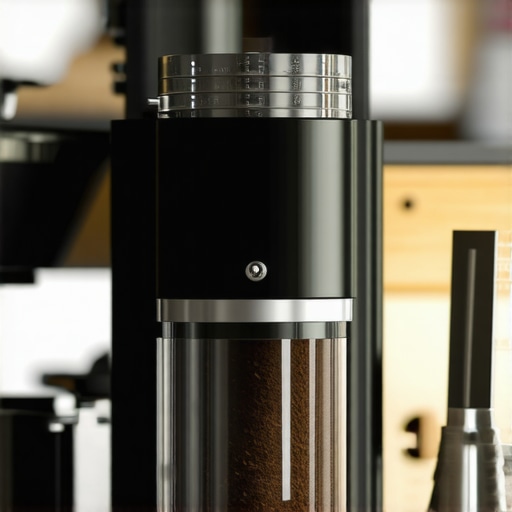
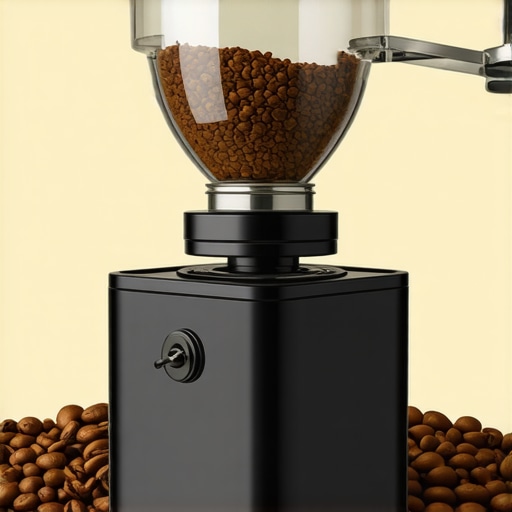
I remember my last weekend brew session vividly. I was grinding fresh beans for a shot that promised to be perfect. Suddenly, my grinder sputtered, then stopped altogether. Frustration flooded in—why does this happen when I’m so close to that ideal extraction? It’s a moment many home baristas know all too well: your grinder stalls mid-dose, ruining your whole rhythm and potentially wasting good beans.
This isn’t just annoyance. It’s a sign that something’s off with your equipment, but don’t worry—there’s a lot you can do to get back on track. Today, we’re diving into the root causes of why your grinder keeps turning off in the middle of your grind and, more importantly, how to fix it without calling in a pro every time.
Why Does My Grinder Keep Shutting Off Mid-Brew?
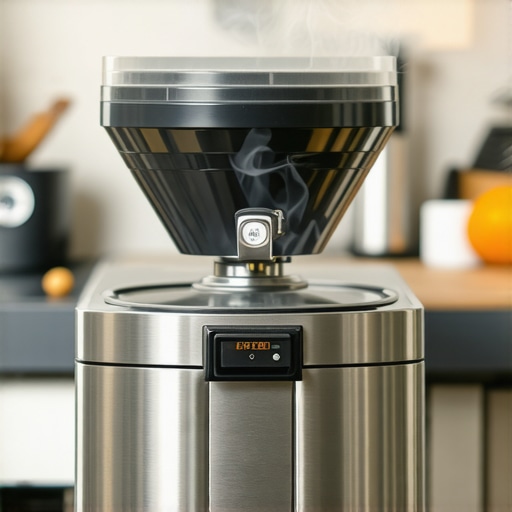
One of the most common culprits is overheating. Believe it or not, grinders can overheat if used intensively or with certain bean types, causing safety features to kick in and power down the device to prevent damage. Overloading your grinder with too many beans at once can also stress the motor, leading to those unwelcome pauses.
Another sneaky reason involves electrical issues—like a faulty power connection or a breaker tripping because of circuit overloads. In some cases, the grinder’s internal thermal fuse acts as a failsafe that disconnects power when temperatures spike unexpectedly.
Early on, I made the mistake of ignoring these signs—thinking it was just a glitch. That misstep led me to spend more on repairs than I’d like to admit. But once I learned to identify the real causes, fixing them became straightforward. If you want to learn more about common grinder pitfalls, check out [this detailed guide](https://espressotechguide.com/why-your-single-dose-grinder-is-still-retaining-half-a-gram) for insights.
So, have you faced this frustrating shutdown during your morning routine? If so, stick around. The next sections will guide you through the practical steps to keep your grinder running smoothly, ensuring your favorite brew’s potential is fully realized every time.
Inspect and Remove Bean Build-Up
Start by unplugging your grinder and removing the hopper. Use a soft brush or a damp cloth to wipe away any coffee residues or old oils clogging the burrs and chute. A clean grinder runs cooler and prevents overheating that causes shutoffs. I once had a stubborn build-up that caused intermittent stops; cleaning it took less than five minutes and restored consistent grinding.
Check and Clear the Burrs
Loosen the burrs according to your model’s instructions—usually a few screws—and inspect them for any lodged debris or uneven wear. Use a small brush or a toothpick to dislodge stuck particles. Ensuring sharp, properly aligned burrs minimizes motor strain and prevents overheating. I once replaced dull burrs, which significantly improved performance and reduced shutdowns. If you’re unsure about burr maintenance, explore burr cleaning techniques.
Test the Motor with Dry Beans
Refill the hopper with dry, roasted beans—avoiding oily or moist beans—and run the grinder for a few seconds. Observe if it stalls or heats excessively. If it runs smoothly, the problem may be related to bean type or moisture. If it still turns off, the motor or thermal fuse may be malfunctioning. This step helps isolate the root cause before disassembling further.
Examine the Thermal Fuse and Overload Switch
Unplug and carefully access the interior panel where the thermal fuse resides—usually near the motor housing. Use a multimeter to check for continuity; a blown fuse indicates overheating protection has been triggered. Resetting or replacing the fuse often fixes the shutdown issue. Remember, overheating can stem from either continuous use or bean moisture, so always use fresh beans. For safety and proper procedures, consult your grinder’s manual or contact support if needed.
Optimize Grind Settings and Usage Habits
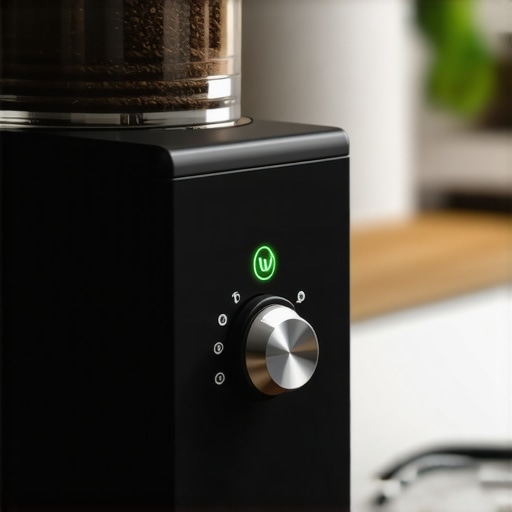
Adjust grind size for your brew method; finer settings increase motor load. Avoid overfilling the hopper; a full load puts extra strain on the motor and can cause thermal shutdowns. Implement short, controlled grinding sessions, especially with oily beans—allowing the motor to cool between batches. Using a timed approach helped me prevent frequent shutdowns when grinding for multiple shots in succession.
Upgrade or Service Your Equipment
If persistent shutdowns occur after cleaning and adjustments, consider upgrading to a high-quality, more robust grinder—especially if you frequently brew multiple cups. Regular maintenance, including professional servicing, prolongs your machine’s lifespan and prevents overheating. Check top-rated espresso machines to find reliable options that suit your brewing needs. If in doubt, seeking professional repair services ensures safe and effective resolution.
Many home espresso enthusiasts fall prey to misconceptions that hinder their progress. One prevalent myth is that more expensive gear guarantees perfect results every time. While high-quality machines and grinders make a difference, mastering techniques and understanding your equipment nuances are equally vital. For instance, relying solely on top-tier beans and gear without honing your tamping or extraction skills often leads to subpar shots. It’s essential to focus on the fundamentals first, then upgrade thoughtfully. Another common mistake is believing that all grinders are created equal. In reality, using a burr grinder designed specifically for espresso, and regularly maintaining it, dramatically improves consistency. Don’t fall into the trap of using a blade grinder or neglecting grinder cleaning, which can introduce static and uneven grounds. Many think milk frothers are only a matter of adding steam, but the quality of milk and frothing technique significantly influence texture and flavor. Investing in a good frother won’t compensate for poor steaming skills.
What advanced coffee enthusiasts get wrong about espresso extraction nuances?
A frequent misconception at this level is that slight variations in grind size or tamp pressure won’t impact shot quality. Actually, small adjustments can fine-tune extraction, balancing bitterness and sweetness. Overlooking this can lead to over-extraction or under-extraction, both of which ruin your espresso. Expert baristas emphasize the importance of dialing in grind size precisely and maintaining consistent tamping pressure to achieve optimal flow and flavor. Remember, even minor inconsistencies become noticeable with experience. According to this guide, paying close attention to these details is what separates average from exceptional results. Stay vigilant about these nuances to elevate your home brewing.Maintaining your espresso setup for optimal performance involves investing in the right tools and adopting effective routines. Personally, I swear by a high-quality digital scale like the [Hario Drip Scale](https://espressotechguide.com/how-to-choose-the-best-coffee-scale-for-home-brewing), which provides precise measurements crucial for consistent extraction. This tool allows me to monitor shot weight and flow rate, ensuring each espresso is perfect and reducing waste. Additionally, a reliable, brush-based grinder cleaning kit helps me preserve the sharpness of my burrs and prevents static buildup, which can cause uneven grinds and overheat the motor. I schedule bi-monthly deep cleanings to remove coffee oils and residue, extending the lifespan of my grinder and reducing the risk of malfunctions.
For milk frothing, I prefer investing in a professional-grade steam wand cleaner, like the [Milk Frothers That Transform Your Coffee Experience](https://espressotechguide.com/milk-frothers-that-transform-your-coffee-experience), which ensures my frother stays free of milk residue and bacteria, maintaining the quality of my milk textures. This simple maintenance step proves invaluable in achieving silky microfoam consistently.
Scaling your equipment thoughtfully prepares you for long-term success. Regular descaling with a proper solution, as recommended by your machine’s manufacturer, prevents mineral buildup and keeps water flow steady, essential for reliable steam pressure and temperature stability. To stay on top of maintenance, I keep a checklist linked to my machine’s manual guidelines, which helps me stay disciplined and avoid costly repairs.
Looking ahead, I believe the trend toward smarter, connected espresso gear—like app-controlled grinders and sensors that monitor wear—will make maintenance even easier. Manufacturers are increasingly integrating intelligent diagnostics, helping us catch issues early via software notifications, simplifying routine upkeep. For those serious about elevating their home barista game, exploring high-end tools like the [top-rated espresso machines for 2025](https://espressotechguide.com/top-rated-espresso-machines-for-coffee-lovers-in-2025) can be a smart move.
How do I keep my gear working smoothly over time? The key lies in consistent, targeted maintenance routines combined with using the right tools. For example, regularly checking burr alignment with a precision tool, such as the [Chalk Trick](https://espressotechguide.com/the-chalk-trick-for-checking-grinder-burr-alignment), ensures even grinding and prevents motor strain. This simple step has saved me from costly repairs and produced better espresso shots.
I highly recommend incorporating one advanced tip into your routine. Try using the water droplet water method to reduce static buildup on dry days, which minimizes grind mess and static charge. It’s a small adjustment that makes a significant difference in grind consistency and cleanup ease. Implementing this practice regularly can extend your equipment’s lifespan and improve shot quality—so give it a try today.
Lessons that Changed My Home Barista Journey
One of the hardest lessons I learned was that even the most advanced grinder needs regular attention and understanding. I once thought that upgrading to a high-end machine would solve all my brewing issues, but neglecting basic maintenance kept causing unexpected shutdowns. The truth is, no gear can compensate for ignorance about its needs, and that realization pushed me to dig deeper into proper grinder care.
Another insight was realizing how small adjustments in grind size and tamping pressure dramatically affect grinder performance. Beginners often underestimate the power of precision and consistency, but I found that a tiny tweak could make the difference between a stalled shot and a silky smooth extraction. Mastering these nuances has profoundly improved my routine and results.
The most eye-opening lesson was understanding the thermal limits of my grinder’s motor. Overworking it without giving it time to cool down leads to overheating and power-offs. Now, I set timers and break sessions during long grinds, which keeps my equipment happy—and my coffee tasting perfect every time.
Tools and Resources That Elevated My Expertise
I trust my digital scale, like the Hario Drip Scale, because accurate measurement became the foundation of repeatable excellence. It’s invaluable for dialing in doses and shot weights, ensuring each pour is precise. Regular maintenance tools, like a grinder cleaning kit, helped me keep static and residues in check, preventing performance drops and overheating.
The stale bean revival guide opened my eyes to pre-treatments that improve flavor and reduce equipment stress. Additionally, following professional blogs and forums like [Espresso Tech Guide](https://espressotechguide.com/), where real baristas and enthusiasts share insights, offers ongoing learning that keeps my skills sharp.
Seize Your Espresso Mastery Today
Every shot you pull is an opportunity to refine your craft. With a proactive approach to maintenance, experimentation with grind settings, and embracing expert advice, you can elevate your home espresso game beyond simple enjoyment—into a craft that continuously evolves. Remember, great coffee isn’t just about machines; it’s about understanding and caring for every part of your setup.
What’s the biggest challenge you’ve faced when troubleshooting your grinder? Share your experience below and let’s learn together.