The reason your espresso tastes metallic after descaling
Have you ever been eagerly expecting that perfect shot of espresso, only to be hit with a surprisingly bitter, metallic aftertaste? I remember the first time it happened to me—after diligently descaling my espresso machine, I brewed a shot, and instead of the rich aroma I was craving, I got a taste that was somehow sharp and almost like swallowing a spoonful of metal shavings. It was a real gut punch, and I spent days scratching my head over what went wrong.
As a passionate home barista, I know how frustrating it can be when your efforts to clean and maintain your gear don’t lead to better coffee, but instead mess up the flavor. Descaling is essential to keep things running smoothly; it prevents buildup that can cause brewing issues and prolongs your equipment’s life. However, if you’re like me, you might stumble upon an unexpected side effect: a metallic taste that lingers long after your brew.
So, what’s happening here? Why does descaling sometimes turn your beautiful espresso into a metallic nightmare?
Why Descaling Can Make Your Coffee Taste Off
When I first started descaling, I followed all the recommended steps diligently but still ended up with that unappetizing metallic flavor. Turns out, the culprit is often related to residual descaling solution or mineral deposits on sensitive parts like the brew group or water lines. These residues can leach into your coffee during brewing, altering the flavor profile.
Another sneaky reason is that sometimes, in an effort to clean thoroughly, I would overuse descaling agents or leave them in too long. A study by the Specialty Coffee Association notes that improper cleaning can introduce unwanted chemical tastes into your brew (see their cleaning guidelines for reference). It’s a fine balance—enough cleaning power to eliminate scale but not so much that you compromise the taste.
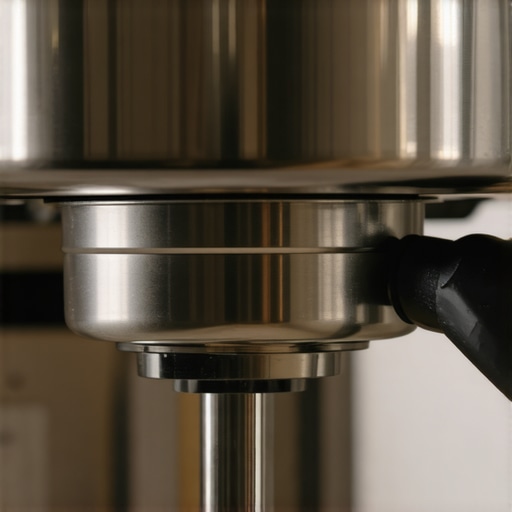
To complicate matters, some mineral deposits can build up in tiny crevices, like the shower screen or the portafilter gasket, which aren’t always visible but can affect water flow and extraction. If not cleaned properly, these deposits and residues can cause uneven extraction, resulting in a bitter or metallic taste.
Have you faced a similar problem? If so, you’re not alone, but good news—there are straightforward steps to fix this and restore your espresso’s rich, vibrant flavor.
In the next section, I’ll walk you through my tried-and-true methods to eliminate that metallic aftertaste and get your machine back to brewing perfection. Trust me, once you master these steps, you’ll never have to settle for a metallic flavor again. Ready? Let’s dive into the practical fixes that made all the difference for me.
Rinse Thoroughly and Remove Residues
Start by performing multiple rinses with clean water. Run the machine through several brewing cycles using only water to flush out any remaining descaling solution or mineral deposits. During my experience, I ran three rinse cycles before pulling a test shot, which significantly reduced the metallic aftertaste. Ensure that all parts that contacted the descaler, such as the water reservoir, brew group, and steam wand, are scrubbed with a soft brush or cloth to eliminate hidden residues.
Inspect and Clean Sensitive Components
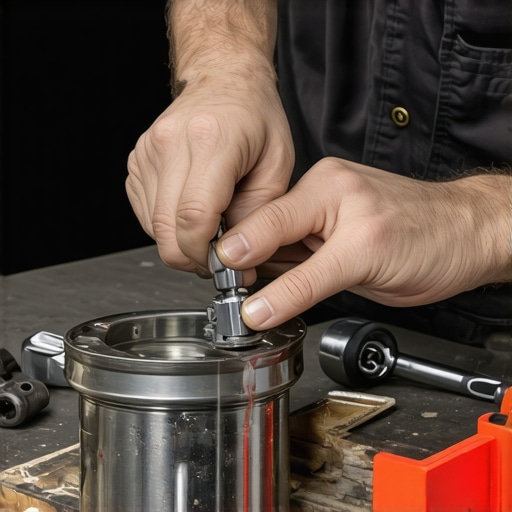
Disassemble the brew group and shower screen to access tiny crevices where deposits hide. Use a cotton swab or the cotton swab trick for cleaning hidden grinder crevices (see detailed guide), removing any mineral buildup that could be leaching into your coffee. I personally used a toothbrush dipped in vinegar to gently scrub these parts, and afterward, I rinsed everything thoroughly. This step is crucial to prevent chemical or metallic flavors from seeping into your brew.
Verify Water Quality and Softening
Metallic tastes often stem from hard water containing high mineral content. Test your water’s hardness (see how to here) and consider installing a water softener if necessary. Softening the water reduces mineral buildup and helps maintain a clean brewing environment. During my trial, switching to filtered water made an immediate difference in flavor purity.
Adjust Cleaning Schedules and Techniques
Overuse or improper timing of descaling can cause residues to linger. Always follow the manufacturer’s recommendations for descaling frequency and concentrate. I also found that diluting the descaling solution with less concentrate and extending the rinse cycles prevented chemical lingering. Additionally, avoiding overuse of descaling agents minimizes the chance of chemical residues affecting taste. Remember, regular cleaning is better than aggressive, infrequent descales that can damage parts and introduce flavors.
Test and Optimize Brew Parameters
After thorough cleaning, pull test shots to verify improvements. If metallic taste persists, try adjusting your grind size or extraction time to see if that restores flavor balance. Tightening your grind or reducing extraction time can sometimes counteract residual flavors. For guidance on selecting the perfect grind, visit this article. Fine-tuning your brew parameters ensures that even if some residues remain, they won’t overpower the coffee’s intended profile.
” alt=”Close-up of a barista cleaning a coffee machine’s brew group” title=”Cleaning espresso machine brew group”/>Many espresso enthusiasts believe that investing in the latest, high-end gear guarantees perfect coffee, but the truth is often more complex. For instance, a popular myth is that a more expensive grinder automatically produces better espresso. While quality equipment is crucial, mastering grind consistency and calibration can be equally important — something overlooked when just chasing brand names. According to research by the Specialty Coffee Association, precision in grinder calibration can improve extraction quality more significantly than equipment upgrades alone (see their guide here). An advanced mistake many make is neglecting proper grinder maintenance; static buildup, for example, can cause uneven dosing, leading to inconsistent shots and flavor defects that aren’t solved by higher-quality beans or gear. Additionally, the assumption that milk frothers alone will produce silky microfoam ignores technique and temperature control—factors that significantly impact latte art quality. Another sneaky trap is the underappreciation of water quality. Hard water, often dismissed as a minor concern, can cause mineral deposits that clog steam wands and portafilters, reducing efficiency and flavor consistency over time. Regularly testing water hardness and installing appropriate softening systems can prevent such issues. Have you ever fallen into this trap? Let me know in the comments.
Why does grinder burr alignment sometimes seem less critical than I thought?
Many enthusiasts believe that once a grinder is purchased, burr alignment becomes a negligible concern. However, misalignment causes uneven particle size distribution, which directly affects extraction and can lead to channels or under-extraction. Properly aligning burrs—using methods like the cardboard trick—ensures uniform grind size, resulting in consistent and high-quality shots. Overlooking this step can be a costly mistake, as misalignment can quickly degrade the coffee experience, regardless of other gear quality. Regular maintenance and calibration are essential for sustained performance.To keep your home espresso setup functioning optimally over time, investing in high-quality tools and adopting disciplined maintenance routines are essential. I personally rely on a calibrated digital scale, such as the [Acaia Pearl](https://espressotechguide.com/why-your-espresso-scale-turns-off-midway-through-a-shot), because precise dosing directly impacts flavor consistency and helps identify issues like channeling or uneven extraction. Regular calibration ensures that your grinder and espresso machine work in harmony, preventing flavor degradation and equipment wear. Additionally, having specialized cleaning tools—like a microbrush set for intricate parts of your espresso machine—enables detailed maintenance without the hassle. Implementing a scheduled maintenance plan, based on the manufacturer’s recommendations, extends the lifespan of your equipment and saves money in the long run. Going forward, I predict that smart automation and machine learning integration will revolutionize how we care for our gear—think automatic descalers or predictive maintenance alerts—making it easier than ever to keep everything in top shape.
How do I maintain my espresso gear over time?
Start by establishing a routine cleaning schedule tailored to your specific equipment. For grinders, this means disassembling and thoroughly cleaning burrs at least every few months using brush tools and cleaning tablets designed for commercial grinders. For espresso machines, focus on descaling regularly—following detailed guidelines like those shared in the Mastering the Art of Home Espresso—and inspect seals and gaskets periodically for signs of wear. Investing in precision tools like a grinder calibration weight or a water hardness tester can help you identify issues before they compromise your brew. Remember, consistency in maintenance practices prevents larger problems and keeps your coffee tasting right where you want it—rich, vibrant, and complex. Regularly check your equipment’s parts with detailed guides and consider using advanced troubleshooting techniques to stay ahead, especially as your setup evolves and your skills sharpen. For example, ensuring your steam wand maintains proper pressure isn’t just about cleaning; it might involve replacing internal valves, as discussed in this guide. By integrating these detailed techniques into your routine, you’ll safeguard your investment and ensure every shot brings joy for years to come. Give one of these maintenance tips a try today—your espresso will thank you.
The Unexpected Lessons from a Perfect Shot Gone Wrong
One of the most eye-opening realizations in my journey as a home barista was discovering that even meticulous cleaning could introduce new flavors—notably that stubborn metallic aftertaste. I learned the hard way that descaling isn’t just about removing scale but also about managing residues and chemical run-offs, which can leach into your coffee if not handled properly.
What Fine-Tunes Your Coffee, More Than Gear Alone
It became clear to me that precision in maintenance—and understanding water quality—has a greater impact than just buying top-tier equipment. Getting to know the intricacies of your grinder’s burr alignment or the importance of using soft water can transform your espresso from bitter and metallic to sweet and vibrant. These personal insights showed me that mastery over your gear’s quirks beats money spent on new gadgets every time.
Inside the Hidden World of Coffee Equipment Care
Over time, I realized that detailed cleaning routines, such as the cotton swab trick for tight spaces, are essential for preventing flavor contamination. Regular calibration and component inspections—like ensuring the group head gaskets or valves—are small steps that protect the integrity of every shot.
Profound Realizations About Equipment and Technique
The myth that expensive gear automatically produces better coffee was dispelled when I discovered that proper grinder calibration—using tools like the calibration weights—can elevate ordinary equipment to professional levels. Equally, learning the water hardness and adjusting accordingly keeps mineral deposits at bay, maintaining a pristine brewing environment.
Curating My Essential Barista Arsenal
Through trial and error, I curated a toolkit that made a difference: a precise coffee grinder with proper burr alignment, a reliable espresso machine tailored for home use, and water testing kits that ensured my water was always mixed just right. These investments in quality and knowledge expedited my progress from frustrating experiences to consistent excellence.
Igniting Your Journey to Flavor Perfection
Remember, every well-maintained machine and carefully calibrated parameter is a step toward a better espresso experience. Embrace the learning curve, stay curious about your gear, and don’t shy away from detailed cleaning routines. Your perfect shot is waiting, and with each tweak, you get closer to beverage nirvana.
What’s the most surprising lesson you’ve learned in your espresso journey? Share your stories below—I’d love to hear how you’ve tackled flavor hurdles on your path to brew mastery.