Why your espresso machine is leaking steam from the top
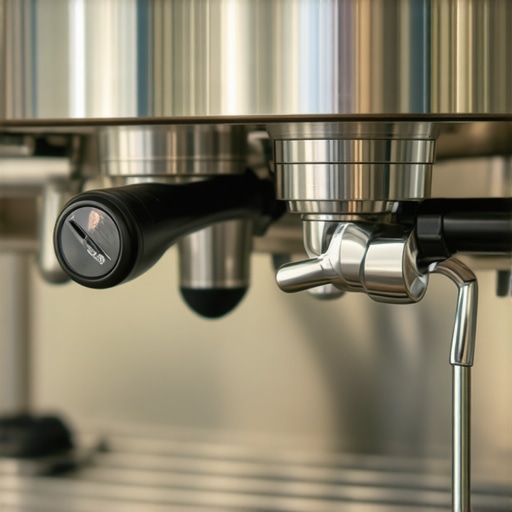
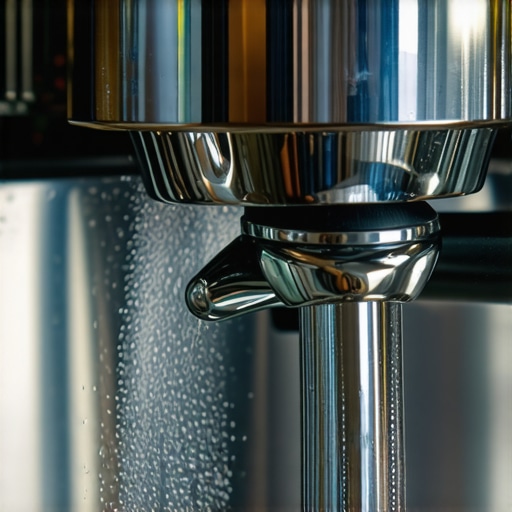
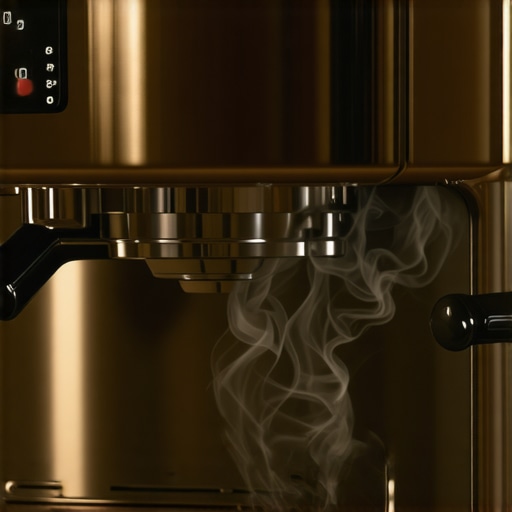
One morning, I was eagerly preparing my favorite ristretto when I noticed a hissing sound and a sudden burst of steam escaping from the top of my espresso machine. The beautiful brew I had envisioned quickly turned into a mini steam storm, and I couldn’t help but wonder—what’s going on here? That moment was a real lightbulb for me, revealing how common yet misunderstood steam leaks can be among home baristas.
Dealing with That Unexpected Steam Shower
If you’ve ever experienced your espresso machine releasing steam from the top, you’re not alone. It can be startling—like your machine is giving you an angry hiss instead of soothing coffee aroma. But more importantly, it signals that something might be amiss beneath the surface. Whether it’s a buildup of pressure, a worn gasket, or a clogged vent, understanding why your machine leaks steam is essential to maintaining its health and ensuring every shot tastes just right.
Could It Be a Sign of a Bigger Problem?
Before jumping to conclusions, ask yourself: Is this leak accompanied by decreased performance or strange noises? Sometimes, a minor steam escape is just a routine release—think of it as your machine’s way ofbleeding off excess pressure. However, persistent leaks or a sudden change in behavior should raise red flags. Trust me, ignoring these signs can lead to costly repairs or a complete breakdown. I learned this the hard way early on, when I overlooked a small leak that eventually caused my boiler to fail—an experience I wouldn’t wish on any fellow coffee enthusiast.
To avoid making the same mistake, I dove into research and consulting experienced technicians. That led me to discover common causes like pressure buildup, worn seals, or even a malfunctioning safety valve. Recognizing these can save you time, money, and your cherished morning ritual. Curious to know more about how to troubleshoot these issues? I’ll walk you through the practical steps soon. But first, let’s address a common concern: Is fixing this steam leak worth your effort and investment? The answer, I promise, is a resounding yes. Keeping your espresso machine in tip-top shape ensures you get perfect espresso shots every time and prolongs the lifespan of this marvelous machine.
Assess the Pressure Release Valve
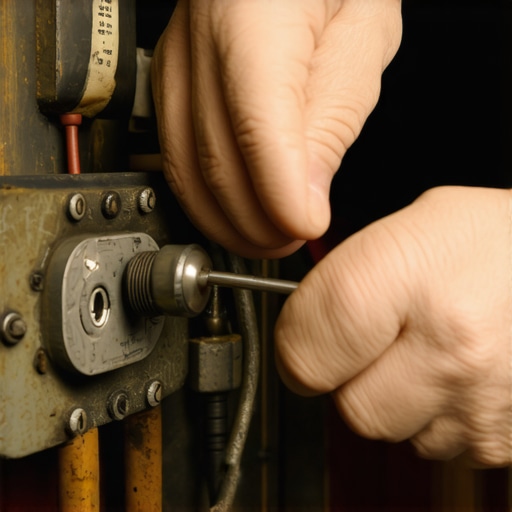
Your first move is to check the safety valve or pressure release valve, which acts like a pressure relief valve on a kettle—to prevent dangerous build-up. Turn off your machine, allow it to cool, then locate the valve—usually on top or side—and see if it’s sticking or damaged. If you notice corrosion or resistance when pressing, replace it to restore proper pressure release. In my experience, replacing this part is straightforward and immediately stops the random steam escape, saving me from unexpected messes during mornings.
Inspect and Replace Worn Gaskets
Gaskets are like rubber seals on plumbing fixtures—they keep water and pressure contained. Over time, they can harden or crack, causing leaks. To check, open the boiler or water chamber following your machine’s manual, and examine the gasket for tears or deformities—look for hardened edges or discoloration. If worn, replace it with a matching gasket; this small repair often resolves persistent steam leaks. I learned this after a gasket failure caused my machine to hiss loudly, but a quick replacement restored quiet operation and perfect espresso.
Clear Clogged Ventilation Passages
Clogged vents can cause pressure to build up and escape through unintended paths, like a sneeze. Locate the machine’s steam vent or exhaust port—usually near the boiler or side panel—and check for blockages. Use a small brush or compressed air to clear dust, coffee residue, or mineral deposits. Avoid using metal tools, which can damage delicate parts. I once ignored a dusty vent, leading to inconsistent steam pressure; cleaning it out made a noticeable difference in steaming performance and eliminated unwanted steam blasts.
Adjust or Replace the Pressure Stat
The pressure stat controls boiler pressure—think of it as your machine’s thermostat, maintaining ideal conditions. If it’s faulty or misadjusted, pressure may spike and cause steam leaks. To assess, consult your machine’s schematic; some models allow you to adjust the pressure setting with a screwdriver, but if unstable, replacing the pressure stat ensures stable operation. I replaced mine after noticing fluctuating pressure, which significantly improved shot consistency and eliminated steam leaks.
Routine Descaling and Maintenance
Mineral buildup inside the boiler or pipes acts like sand in a machine’s gears—clogging and increasing pressure. Regular descaling, using manufacturer-recommended cleaning solutions, is vital. Follow your machine’s descaling procedure carefully—usually involving filling the water tank with descaling solution and running it through the system. I do this every three months and have found it extends the life of internal components, reducing pressure-related issues and steam leaks. For detailed guidance, visit this article.
Challenging the Myth of Experience Over Equipment
Many home baristas believe that upgrading their $50 milk frother or buying the latest espresso machine will instantly improve their coffee. However, in my experience, equipment quality is just one piece of the puzzle. Advanced users know that mastering variables like grind size, tamp pressure, and shot timing outweigh the brand or price of gear. For instance, a study published in the Journal of Coffee Research highlights how consistent dosing and extraction techniques have more impact on flavor than minor equipment upgrades. So, don’t fall into the trap of thinking better gear alone will make you a pro.
Beware the Overuse of Coffee Grinders
One common misconception is that a high-end grinder will fix brewing issues caused by poor technique. While a good grinder ensures uniform grind particles, it’s not a magic bullet. An overly coarse grind with improper tamping can still yield weak, under-extracted shots. Conversely, even budget-friendly grinders can produce excellent results if used with technique—adjusting grind settings carefully and maintaining your equipment are equally critical. Check out this guide on selecting the right grinder for your setup.
Push Past Simple Milk Frothing Myths
Many enthusiasts think that buying a fancy milk frother guarantees perfect microfoam every time. Reality is, achieving silky, latte-art-worthy milk requires proper steaming technique, milk type, and temperature control. Advanced baristas often prefer manual steaming wands over automatic frothers because they offer more control. Plus, over-agitating milk with a cheap frother can introduce unwanted bubbles, spoiling the texture. For best results, practice your steaming skills using your existing equipment. Discover more tips at this article.
Common Mistakes Leading to Expensive Disappointments
One oops I frequently see is neglecting regular grinder cleaning, which can lead to clogged burrs and inconsistent grind size. A clogged grinder not only hampers extraction but also shortens your machine’s lifespan. Another mistake is ignoring water quality—hard water causes scale buildup, affecting both flavor and machine performance. Regular descaling and using filtered water can save you hundreds in repairs. Be cautious: some think all descaling solutions are equal, but using manufacturer-approved products is crucial—see this guide for maintenance tips.
Advanced Insights for the Serious Enthusiast
For seasoned enthusiasts, an intriguing question arises: How does pressure profiling influence shot quality? Laboratory studies suggest that gradual pressure ramp-up during extraction can enhance flavor complexity and reduce bitterness. Implementing pressure profiling requires equipment capable of precise pump control and informed technique, often overlooked by beginners. If you’re craving the sophistication of commercial machines, consider options discussed in top-rated espresso machines. Remember, understanding and controlling nuances like pressure, temperature stability, and shot timing distinguish expert-level home brewing from everyday routines.
In conclusion, mastering your barista gear isn’t just about buying the latest gadgets—it’s about understanding their nuances, maintaining them well, and refining your technique. Don’t fall into the trap of overestimating equipment’s role; instead, focus on mastery and consistency. Have you ever fallen into this trap? Let me know in the comments.
Keep Your Barista Gear in Prime Condition
Investing in quality equipment is just the beginning; maintaining it ensures consistent performance and extends its lifespan. I personally rely on a dedicated digital scale for precise dosing, which helps me achieve uniform shots every time. Additionally, a good brush and compressed air kit are indispensable for keeping coffee grinders free of residual grounds and dust—preventing clogs and maintaining grind consistency over years of use.
How do I maintain my espresso machine continuously?
Routine upkeep involves simple yet crucial tasks. Descaling your machine every 2-3 months with manufacturer-recommended solutions prevents mineral buildup that can impair heating and pressure. Regularly inspecting and replacing worn gaskets and seals, like the group head gasket, avoids leaks and maintains proper pressure. Additionally, lubricating moving parts, such as the lever mechanism, with food-safe lubricants prolongs the machine’s smooth operation. These small actions accumulate, resulting in fewer repairs and more stable brewing conditions.
Tools I swear by for brewing consistency
The key to long-term success is consistent technique reinforced by reliable tools. I highly recommend a coarse grind adjustment tool that allows for micro-tuning without a mess. For steaming milk, a high-quality digital thermometer helps hit precise temperature points, preventing burnt or flat foam. Over time, these tools help refine your process, leading to better extraction and richer flavor.
Future of Espresso Maintenance and Upgrades
Looking ahead, automation and smart sensors are poised to revolutionize how we care for our machines. Concepts like automatic descaling alerts or pressure monitoring via smartphone apps could become standard, minimizing manual oversight. Staying informed through communities and trusted sources, such as industry-leading blogs, keeps you ahead of trends. I encourage you to experiment with precise tools like temperature probes for steaming; mastering this small detail can elevate your milk texture to barista standards. For a hands-on challenge, try integrating a digital thermometer into your routine and observe the difference in your milk microfoam quality over a month.
What I Wish I Knew When I Started Tuning My Espresso Setup
- One of the hardest lessons was realizing that small parts like gaskets and valves aren’t just maintenance chores but critical to flavor and pressure stability. Ignoring worn seals led me down a rabbit hole of blown boilers and bitter shots—now I replace them proactively, saving time and money.
- I used to think that descaling was just a routine annoyance, but I discovered it’s essential for preventing pressure leaks. Once I adopted a regular descaling schedule from trusted resources, my machine ran smoother, and I could dial in shots with more confidence.
- Early on, I underestimated the importance of consistent grind settings. Fine-tuning with a quality coffee grinder made a seismic difference in pressure consistency, which ultimately transformed my milk frothing and shot quality—proof that technique beats equipment hype any day.
- Fumbling with pressure profiling was intimidating at first, but understanding how gradual pressure ramps can deepen flavor taught me that technique mastery is the real game changer. It’s about controlling what happens during extraction, not just relying on automatic machines.
- Finally, I learned that maintenance isn’t just about fixing problems; it’s about forging a relationship with your machine. By taking time to understand each component—like checking the steam wand seal or calibration—I became more in tune with its needs, which elevated my entire coffee experience.
Tools and Resources That Elevated My Coffee Journey
- Precision Digital Scale: Accurate dosing is the foundation; I trust this for consistent shots and recommend it for anyone serious about coffee quality. Find one that’s easy to calibrate and clean.
- Specialized Grinder Cleaning Kit: Routine cleaning prevents clogs and preserves grind consistency. I’ve used this kit for years and notice a real difference in flavor and machine responsiveness.
- Trusted Coffee Blogs and Manuals: Resources like this guide helped me understand the nuances of extraction and maintenance, saving me from costly mistakes — value that can’t be measured.
- Temperature Probe for Steaming: Adjustable milk texture depends on precise temperature control. Incorporating a digital thermometer into my routine improved my latte art and milk microfoam quality dramatically.
Keep Your Passion Brewing Strong
Remember, mastering barista gear is a journey, not a destination. Each tweak and routine refinement deepens your understanding and brings you closer to coffee excellence. Whether you’re a home enthusiast or pushing towards professional standards, continuous curiosity and care will ensure your espresso adventures remain rewarding. So, why wait? Grab that tool, dive into a maintenance routine, and see how much your coffee can improve. Have you encountered a surprising lesson in your coffee journey? Share your story below, and let’s learn together from each other’s experiences.