How to Quiet a Loud Burr Grinder with Insulation
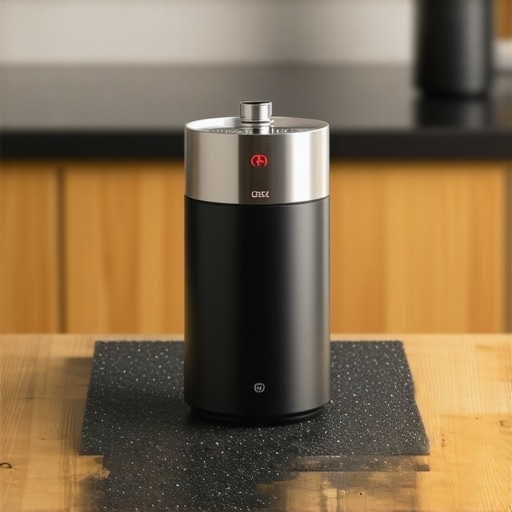
I’ll never forget the Tuesday morning I finally snapped. It was 6:15 AM, the house was silent, and I was just trying to be the ‘good spouse’ by prepping the morning carafe. I reached for my hopper, ready to start mastering the art of home espresso for the day. I pressed the ‘grind’ button on my burr grinder. WHIRRRRRR-SCREEECH! It sounded like a jet engine landing on my granite countertop. My toddler woke up crying, the dog started barking, and my wife gave me a look that suggested I might be sleeping on the couch. I love the flavor of freshly ground beans, but I absolutely hated the acoustic assault that came with them. If you have ever felt like your coffee habit is a public nuisance, you are in the right place. Today, I am showing you exactly how to quiet that beast using insulation without ruining the motor.
Stop Waking the Neighbors Every Time You Brew
I used to think that a loud, high-pitched whine was just the price of admission for high-quality coffee. I even spent weeks researching how to select the perfect coffee grinder for your brew, thinking I had just bought a lemon. But the reality is that most consumer-grade grinders use thin plastic housings that act like an echo chamber. Early on, I made the massive mistake of wrapping my entire machine in a thick wool towel while it was running. Not only did it barely muffle the sound, but the motor nearly overheated and started smelling like toasted sheep. It was a rookie move that taught me a valuable lesson: you have to dampen the vibration from the inside. By strategically placing sound-deadening material inside the case, we can turn that scream into a civilized hum. This is especially helpful if you find the reason your grinder makes a thumping noise during use is actually just the housing rattling against the motor mount.
Will Insulation Actually Make a Difference?
You might be skeptical. Can a few strips of adhesive foam really save your eardrums? According to research from the National Institute for Occupational Safety and Health (NIOSH), household appliances can easily exceed 85 decibels—the threshold where hearing damage can begin over prolonged exposure. Many burr grinders peak at 90 or even 95 decibels. By adding mass to the internal panels, we change the resonant frequency of the machine. It is the same tech used to make luxury car cabins quiet. We are going to solve the noise problem today, and I promise it is easier than trying to figure out why your grinders timer is never accurate. Have you ever had a family member complain about your ‘morning alarm’ coffee routine? Let me know in the comments, because I definitely have. We are going to fix that right now.
Get Inside the Machine Without Ruining the Warranty
Most home grinders hide their secrets behind rubber feet or subtle plastic clips. To start, unplug the machine—seriously, don’t skip this—and remove the bean hopper. Flip the unit over and you will likely find four screws tucked away under those grip pads. I remember the first time I did this with my old entry-level burr mill; I spent half an hour prying at the plastic seams like a safe-cracker before realizing the screws were disguised as part of the base. Once those are out, the shell usually slides off with a little persuasion. This is a great time to look at the internal components and ensure everything is seated correctly. While you have the unit open, you might as well look into the mess-free way to clean a conical burr grinder to clear out any old dust that has migrated into the electronics. Seeing the actual motor mount can help you identify if a loose bolt is contributing to the noise.
Use Butyl Sheets Instead of House Insulation
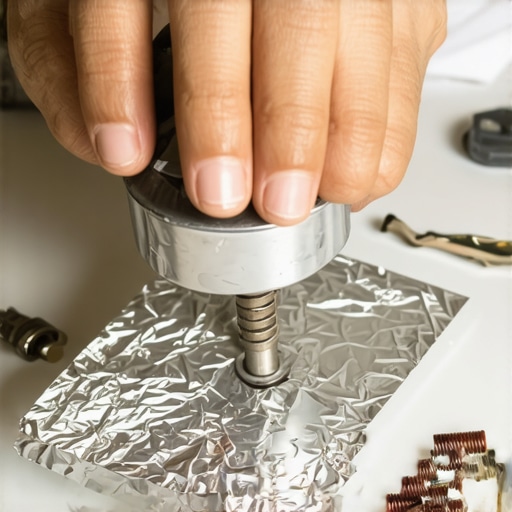
People often reach for cotton or fiberglass, but those are fire hazards and don’t actually stop vibration. Think of your grinder housing like a church bell. If you hit it, it rings. If you press your hand against the metal, the sound dies instantly. We are looking for that ‘hand-on-the-bell’ effect. Automotive sound deadening sheets, specifically butyl rubber with a foil backing, are your best friend here. They add mass to the plastic panels, shifting the noise from a high-pitched scream to a low, dull thud. I once tried to use strips of heavy-duty weather stripping thinking it would work the same way. It didn’t. The grinder ended up sounding like a muffled vacuum cleaner, and the adhesive melted after three double shots, leaving a sticky residue all over the motor wires. Use material that is rated for high temperatures and is designed to stick to non-porous surfaces.
Focus Your Efforts on the Vibrating Panels
You do not need to cover every square inch. Focus on the largest, flattest areas of the plastic housing. These act like drums, amplifying the sound of the burrs. 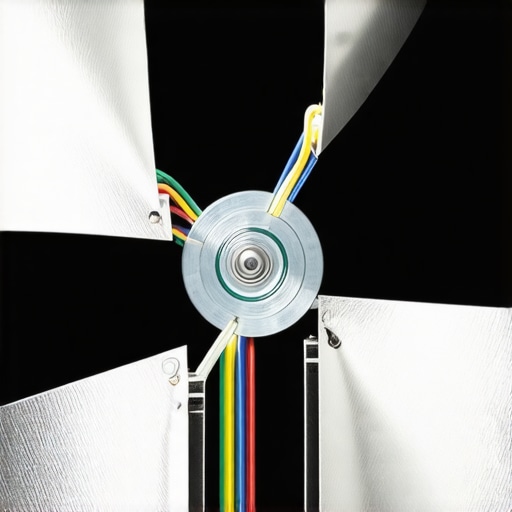 Tap the plastic with your knuckle; if it sounds hollow and high-pitched, it needs a piece of butyl. This simple upgrade is just as important as choosing the best barista gear for coffee enthusiasts who want a refined workflow. By dampening these specific spots, you stop the ‘echo chamber’ effect that makes consumer grinders so obnoxious. Measure twice and cut once; you want the pieces to be small enough to fit flat without overlapping internal ribs or support structures.
Keep the Air Moving Around the Motor
This is where most DIYers fail. Grinder motors generate significant heat during a 20-second grind, and they rely on airflow to stay cool. When applying your insulation, you must keep at least an inch of clearance around the motor housing and never cover the intake or exhaust vents. If you suffocate the motor, you will end up needing to know how to replace a frayed power cord on a grinder or worse, having to replace an entire burnt-out motor. A good rule of thumb is that if a part moves, spins, or feels warm after use, leave it alone. This mod is about the shell, not the mechanical engine. This careful balance is the move that saves your grinder from unnecessary wear while still giving you the silence you crave. If you notice a mess while working, remember that managing particles is key to how to stop static from ruining your grinding workflow once the machine is back together. A clean, dampened machine is a happy machine.Everyone tells you to look at the decibel rating on the box before buying, but in my experience, the raw number on the sticker is a lie. Most people think a ‘quiet’ grinder is automatically a better one, but you can have a 75dB machine that sounds like a banshee because the frequency is so high. High Decibels Aren’t Always the Real Problem. While volume matters, the annoyance factor is actually driven by pitch. According to studies published in the Journal of the Acoustical Society of America, high-frequency sounds (above 2,000 Hz) are perceived as significantly more ‘annoying’ and stressful to the human brain than lower-frequency rumbles at the exact same volume. By adding mass via butyl sheets, we aren’t just lowering the volume; we are shifting the sound profile to a lower, more tolerable frequency. This is why choosing the best barista gear for coffee enthusiasts often involves looking beyond the marketing specs and actually listening to the motor in person. 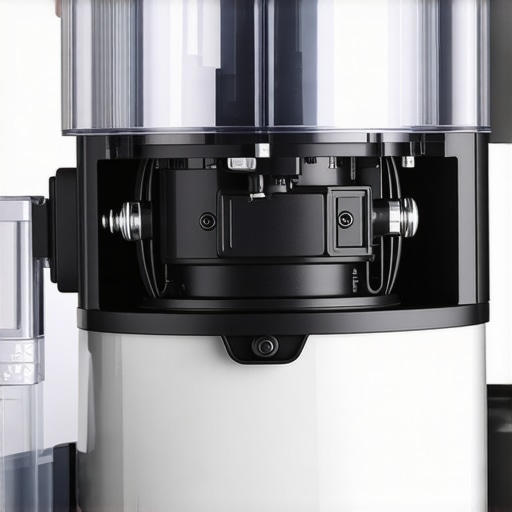
Don’t Let Your Insulation Become a Fire Hazard
The biggest ‘oops’ factor I see with DIY soundproofing is the ‘mummy’ approach. I have seen home baristas wrap their entire motor in acoustic foam thinking it will create a silent experience. What they actually create is a thermal blanket that cooks the internal electronics. If you block the airflow, you are fast-tracking a trip to learn how to replace a frayed power cord on a grinder or a completely melted capacitor. The hidden nuance here is that noise is often a vibration of the *outer shell*, not just the motor itself. If you leave a clear gap for the cooling fan but deaden the plastic panels, you get 90% of the benefit with 0% of the fire risk. This is the move that saves your grinder from unnecessary wear while still keeping your morning routine peaceful. Have you ever fallen into this trap? Let me know in the comments.
Are Your Burrs Actually Touching Each Other?
Sometimes, the noise isn’t the housing—it is the metal-on-metal scream of poorly aligned internals. If you have done the insulation and it still sounds like a dental drill, you might need to check the right way to align your flat burrs for better shots. Misaligned burrs create a high-pitched metallic friction that no amount of foam can hide. If you are working with a new setup, remember the best way to season new grinder burrs fast to smooth out those factory burrs. If the screeching persists, it might be time to learn how to tell if your espresso grinder burrs are dull or warped. A truly quiet setup is a combination of mechanical precision and smart external dampening. Also, keep an eye on your settings; if you notice why your grinder adjustment moves while youre grinding, it could be a sign that the vibrations are rattling your adjustment collar loose, further contributing to the racket.The hardest part of maintaining a quiet setup isn’t the insulation itself—it’s the cumulative effect of coffee dust. Once you’ve opened the case and applied your butyl sheets, you’ve basically created a custom precision instrument. You can’t just let it get gunked up. I personally use a vacuum with a micro-attachment every month. If you’ve never tried it, the trick for getting ground coffee out of tight corners will change how you view maintenance. It prevents those fine particles from getting stuck in the adhesive of your sound-deadening material. When I first started modding, I didn’t realize that static electricity was my biggest enemy. If you’re struggling with a mess after every shot, learning how to stop static from ruining your grinding workflow is the next logical step. 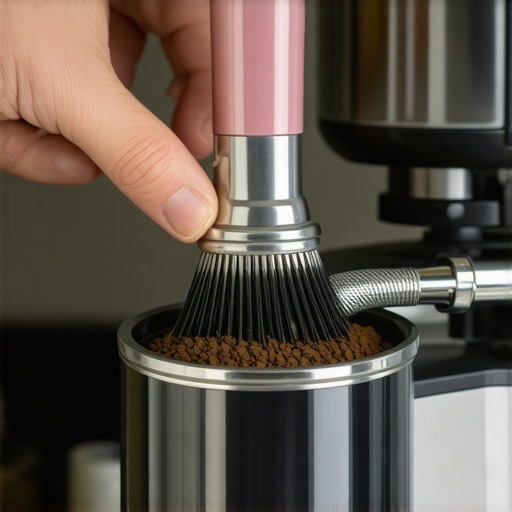
Clean the Gunk Before it Rattles Your Gears
You might think a little dust doesn’t matter, but coffee oils are acidic and can eventually degrade the adhesive on your insulation. I personally use a dedicated precision brush—the kind used for camera lenses—to keep the motor area pristine. If you want to keep the internals humming without a full teardown, you should look into how to clean the grinder chute without taking it apart. It’s about efficiency. According to technical documentation from Baratza, maintaining a clear path for airflow is the number one way to extend the life of a consumer-grade DC motor. If the motor has to work harder because of a clog, it gets hotter and louder, defeating the whole purpose of our project.
How do I maintain my grinder’s performance over time?
Consistency is the name of the game here. You don’t need to do a deep dive every week, but you should have a rhythm. Every few months, I check the torque on the mounting screws. Vibrations are relentless; they will find a way to loosen even the tightest bolt. While you have the tools out, it is the perfect time for the best routine for a weekend deep clean to ensure the burrs are as sharp as the day you bought them. If you’re seeing weird behavior, you might need to troubleshoot how to stop your grinder from retaining coffee without a bellows so you aren’t grinding the same stale beans twice.
Wait for the Smart Quiet Era
Looking ahead, I suspect we are going to see a massive shift in how manufacturers approach acoustic engineering. We are already seeing high-end brands experiment with double-walled vacuum chambers, similar to a high-end travel mug, to trap noise. Within the next five years, don’t be surprised if your grinder comes with built-in Active Noise Cancellation (ANC) that uses out-of-phase sound waves to neutralize the burr scream entirely. Until then, these DIY mods are our best bet. I highly recommend you try the ‘RDT’ trick—spritzing your beans with a tiny drop of water—before your next grind. It’s the easiest way to see an immediate improvement in both noise and cleanliness.
What I Actually Learned After Silencing Three Different Grinders
After modding a few of these machines, I realized that we often overcomplicate the process. First, the thud test is your best friend—tap the plastic shell and listen for the hollow ring. If it rings, it needs weight. Second, I’ve found that many people blame their burrs for noise when the culprit is actually a loose screw on the motor mount. Always check those fasteners before you peel the adhesive off your insulation sheets. Finally, keep in mind that the density of your beans changes the acoustics. If you are mastering the art of home espresso with very light roasts, the motor will naturally work harder and louder because those beans are physically harder to crack.
My Go-To Kit for a Silent Workflow
If you’re serious about this mod, don’t just grab whatever is in the garage. I swear by Butyl sound-deadening sheets—the kind meant for car doors—because they handle the heat of a motor without smelling like chemicals. I also recommend a precision screwdriver set so you don’t strip those tiny housing screws, which is a nightmare to fix. To keep your workflow clean, a high-quality anti-static brush is essential. When you are choosing the best barista gear for coffee enthusiasts, think about the tools that make maintenance easier, not just the ones that make the coffee. I also keep a small bottle of food-grade lubricant handy for the adjustment collar threads; it makes everything smoother and quieter.
Ready to Brew Without the Headache?
Creating a peaceful morning routine is about more than just the caffeine; it is about the ritual. You don’t have to settle for a kitchen that sounds like a construction site. By taking the time to dampen those vibrations, you are making your home a more hospitable place for everyone. Whether you are using one of the top rated espresso machines for coffee lovers in 2025 or a trusty old hand-me-down, a quiet coffee grinder changes the vibe of your entire day. Don’t be afraid to open it up and make it your own. Have you ever tried to dampen your grinder noise before, or are you still waking up the whole house? Let me know in the comments below!