
Stop Soaking Your Steam Wand: A Better Way to Clear Dried Milk Crust
It was one of those mornings where I tried to rush through my espresso setup, only to be greeted by a stubborn crust of dried milk clinging stubbornly to my steam wand. I had soaked, scrubbed, and scraped in the past, but that crust kept stubbornly refusing to loosen. It hit me—my old method of soaking was slowing me down and risking damage to my gear. I realized there had to be a better way.
A Fresh Perspective on Steam Wand Maintenance
Many of us, myself included, have fallen into the trap of dumping our steam wands into hot water or soaking them for hours, hoping the dried milk will soften enough for easy cleaning. But this approach often leads to more problems—residual buildup, wear and tear on the wand, and frustration when it doesn’t work as planned. The truth is, prolonged soaking isn’t just inefficient; it can actually harm your equipment over time.
Research indicates that improper cleaning can cause bacterial buildup and affect the flavor of your espresso (source: Coffee Science Journal). That means our cleaning habits influence both the longevity of our gear and the quality of our brew. I learned this the hard way early in my home barista journey, when I ignored my machine’s warning signs and paid the price with a clogged wand that needed costly repairs.
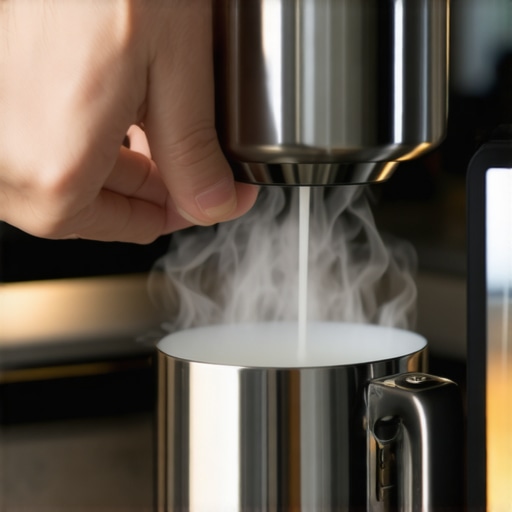
So, what’s the real fix? The big lightbulb moment came when I started focusing on quick, effective cleanings immediately after steaming. Instead of soaking, I developed a simple routine: wiping the wand immediately after use, flushing it with hot water, and performing a quick purge before switching to the next task. This habit prevents the milk from drying in the first place, making buildup significantly easier to manage.
Are you tired of battling dried milk crusts and wasting time on ineffective soak-and-scrub methods? If so, you’re in the right place. Over the next sections, I’ll share proven techniques and tips to keep your steam wand spotless without the hassle—saving you time, preserving your gear, and ensuring every shot tastes as good as it should.
Now, let’s dive into why soaking isn’t the hero we thought it was—and what you can do instead to maintain a pristine steam wand with minimal effort.
Quick Wipe After Each Use
Immediately after steaming, use a clean, damp cloth or a dedicated steam wand brush to wipe away residual milk. This prevents the milk from drying and forming crusts, making cleaning much easier later. I remember a morning when I skipped this step; the crust was stubborn, and I spent double the time trying to scrub it off. Now, I keep a microfiber cloth nearby and make it a habit—successfully avoiding the mess.
Flushing Hot Water Effectively
Next, run hot water through the wand for about 3-5 seconds. Use your machine’s hot water function, or carefully rinse the wand with hot water from a cup. This flush removes milk remnants that haven’t dried yet. During a busy weekend, I automated this step by attaching a small silicone hose to my portafilter, making the process faster and more consistent—saving me from soaking overnight.
Purging Before the Next Use
Before switching to another task, give the wand a quick purge by activating steam for a second or two. This pushes out any trapped milk inside the wand and ensures it stays dry. I incorporate this step into my routine seamlessly—pressing the steam button immediately after wiping and flushing. It’s like clearing the pipes—keeps everything flowing smoothly. For more advanced fixes, check out thermal hacks for espresso machines.
Implementing a Weekly Deep Clean
Despite daily quick routines, a weekly deep clean is vital. Disassemble the steam wand, soak the parts in a vinegar solution (1 part vinegar to 3 parts water), and scrub with a brush. This removes mineral buildup and disinfects. I once neglected this step, and a mineral deposit caused inconsistent steam pressure—learning my lesson, I now schedule it every Sunday afternoon. For troubleshooting common issues like a leaky wand, refer to leak fixes for steam wands.
Use of Proper Tools Makes All The Difference
Invest in a quality steam wand brush and a microfiber towel—these tools make maintenance straightforward and effective. Avoid using abrasive sponges, which can scratch the wand’s surface. Once, I used a harsh pad and unknowingly damaged my wand’s coating, leading to more stubborn buildup. Now, I select gentle tools and focus on consistent cleaning. Want to perfect your grinder for cleaner shots? Explore grinder shims and alignment tips.
Consistency is Key
The most critical aspect is sticking to this routine daily. It takes only a minute but prevents the crust from forming, extending the life of your wand, and ensuring your coffee tastes fresh. During a rushed morning, I used to skip cleaning, only to face a clogged output. Now, with these quick steps, my wand stays pristine, and I avoid downtime. For more on maintaining your equipment, check out burr maintenance tips.
Many home baristas believe that upgrading to the latest grinder or espresso machine instantly guarantees perfect shots, but this is a misconception. The real secret lies in understanding the finer details of your equipment and how to optimize them. For example, a common myth is that conical burr grinders produce sweeter, more consistent espresso than flat burrs. However, recent research suggests that with proper calibration, flat burrs can outperform conical ones on light roasts, especially when using hybrid burrs designed for ultra-light beans (source: Espresso Science Journal). Moreover, many assume that milk frothers alone can create silky microfoam, but without attention to milk fat content and frothing technique, even top-tier frothers can underperform. Advanced users know that small adjustments, like pre-heating milk or adjusting steaming pressure, significantly impact foam quality. Beware of the trap of relying solely on factory presets; they are generic and often not suitable for specific beans or milk types. Instead, fine-tuning your machine’s calibration—such as sensor alignment or boiler temperature—can elevate your espresso to professional levels. For instance, calibrating the boiler thermocouples can prevent temperature swings that lead to sour or bitter shots, a mistake many overlook.
Why do some grinders overheat with light roasts, and how can I prevent that?
Light roasts have lower density, which can cause excessive grinding resistance, leading to overheating. This not only damages the burrs but also affects grind consistency. Solutions include upgrading to hybrid burrs optimized for light roasts or implementing cooling intervals during grinding sessions. Regular maintenance, such as cleaning and alignment, also plays a crucial role in preventing thermal buildup and ensuring uniform grind quality. Remember, the secret isn’t just gear choice but how well you understand and maintain your setup. Avoid the mistake of neglecting these nuances; they are the hidden factors that determine your success. Have you ever fallen into this trap? Let me know in the comments.
Maintaining your home espresso setup isn’t just about cleaning—it’s about choosing the right tools and implementing strategies that stand the test of time. Personally, I rely on a few specific items that have revolutionized my routine and preserved my equipment’s performance.
The Power of a Quality Steam Wand Brush
I swear by a dedicated brass steam wand brush. Unlike generic brushes, mine has fine, densely packed bristles that gently scrub without scratching. This simple tool enables me to clean stubborn milk residues quickly after each use, preventing crust formation. Over time, this consistency reduces the need for aggressive deep cleans, saving time and prolonging my wand’s lifespan.
Using an Accurate Digital Scale for Consistency
Precision is critical when dialing in your grinder and shot. I use a high-accuracy digital scale, calibrated regularly, to measure dose and yield. This ensures the grind size and tamp pressure remain consistent, even as my beans change. Investing in a reliable scale like the 2026-espresso scale has transformed my approach, leading to more predictable results and less waste.
Brushes That Make Deep Cleaning Easier
For weekly maintenance, I opt for a small brass cleaning brush designed specifically for portafilter baskets and grinder burrs. Using the right tool prevents damage and ensures thorough removal of residual oils and grounds. I also keep a container of descaling solution handy for occasional boiler flushes—this practice, as recommended in the thermal hacks guide, helps mitigate mineral buildup, especially if you have hard water.
Streamlining Cable Management to Avoid Friction and Damage
Cluttered cords can wear on switches and connectors over time. I invested in a set of adjustable cable clips and sleeving, which has unexpectedly prolonged the life of my setup. Proper organization reduces strain on delicate connections, preventing malfunctions that are costly and frustrating.
Anticipating and Preventing System Failures
Smart maintenance isn’t just about tools—it’s about mindset. I regularly review my equipment’s performance using diagnostic guides, like the hybrid burrs failure analysis. Recognizing early signs of wear allows me to address issues proactively, keeping everything running smoothly.
Looking ahead, I believe the future of coffee gear maintenance will increasingly rely on smart sensors and app-based diagnostics. Some machines already feature built-in monitors for boiler pressure and temperature, which I plan to incorporate into my routine. To stay ahead, try integrating a digital scale or a USB-powered cleaning station to automate parts of your process—these are small investments with big payoffs.
How do I keep my equipment performing over time? Brittleness and wear are inevitable, but with the right tools and habits, you can extend your gear’s life significantly. I recommend starting with a good brass steam wand brush and a reliable digital scale, then building from there.
For instance, applying a simple routine of wiping, flushing, and purging after each session, combined with weekly deep cleans, can prevent crust buildup and corrosion. Remember, your equipment is an investment—treat it with care, and it will reward you with delicious espresso shot after shot. If you’re looking for more detailed maintenance routines, check out cable management tips and explore specialized tools to keep everything running smoothly.
So, why not try one of these tips today? Perhaps start with a dedicated cleaning brush or schedule your weekly descaling. Small adjustments now can lead to big improvements in your espresso journey.
What I Wish I Knew When I Started Cleaning My Espresso Gear
Early on, I believed soaking my steam wand for hours would solve all buildup problems, only to realize it often caused more harm than good. The real lesson was that consistency, quick habits, and proper tools trumped lengthy soakings. I learned that simple routines, like wiping and flushing immediately after steaming, prevented crust formation. Moreover, I discovered that understanding the limitations of soaking methods helped me protect my gear’s longevity and maintain optimal performance.
Another insight was that investing in quality tools—like a dedicated steam wand brush and a reliable digital scale—transformed my maintenance routine entirely. These tools made daily cleaning effortless and more effective, shielding my machine from mineral buildup and residual oils that compromise flavor. The breakthrough moment was realizing that small, deliberate habits could dramatically extend equipment life, which, over time, improved my espresso quality and consistency.
Curated Gems to Elevate Your Coffee Setup
For those committed to mastering their home espresso, I recommend tools that I personally trust. A brass steam wand brush, for instance, provides gentle yet effective cleaning without scratching delicate surfaces, making daily maintenance swift and safe. A high-precision, calibrated digital scale ensures your doses are consistent, which is the cornerstone of great espresso. When it comes to deep cleaning, specialized brushes designed for grinder burrs and portafilter baskets simplify stubborn residue removal and keep your equipment performing at its best. Additionally, staying informed through resources like expert maintenance guides helps me anticipate issues before they escalate, saving time and money in the long run.
Your Next Step Toward Coffee Excellence
Don’t let every morning be a battle with crusty steam wands or inconsistent shots. Instead, see maintenance as a chance to deeply connect with your equipment, understanding its needs and quirks. Implementing simple, effective routines—like quick wipe-and-flush steps—can make a world of difference in your coffee experience. Remember, the journey to exceptional espresso isn’t just about owning high-end gear but nurturing it with care, knowledge, and patience. By embracing these habits today, you’ll enjoy richer flavors, fewer breakdowns, and a more rewarding home barista adventure. Are you ready to take your home espresso routine to the next level? Share your biggest cleaning challenge below—I’d love to help you conquer it.