Why Your Espresso Machine Pump Sounds Like a Jackhammer and How to Muffle It
Ever stood in front of your espresso machine, pressed the brew button, and been greeted not with the smooth hum you expect, but with a terrifying jackhammer roar? I’ve been there, frantically checking if I’d accidentally started a construction project instead of making my morning coffee. That unsettling, relentless pounding from the pump can turn your peaceful coffee routine into a source of stress and worry.
It might be tempting to think your machine is about to break down or that you’ve done something terribly wrong. Believe me, I’ve made that mistake early on—assuming that the noise was normal or, worse, ignoring it altogether. Turns out, those intense sounds often signal a misfire in the system or a need for a simple fix (more on that soon). Instead of panicking or shutting down your machine, you can learn to understand what’s happening and how to tame the noise—without sacrificing your espresso quality.
The Noise That Keeps You Up At Night: Why Does It Happen?
The pounding noise from your espresso machine’s pump isn’t just annoying—it can be a sign of several underlying issues. In many cases, it’s caused by the vibration pump working harder than it should, often due to pressure problems, blockages, or misaligned components. This isn’t just a matter of discomfort; unresolved causes can lead to long-term damage or inconsistent shots.
The good news is, with some understanding and a few tweaks, you can significantly reduce or eliminate that jackhammer-like racket. Addressing this issue isn’t just about peace and quiet—it’s about maintaining your machine’s health and ensuring your daily brew remains superb. Curious about how to get started? I’ll walk you through proven strategies derived from personal experience and expert advice to help you quiet that noise.
Is It Worth Fixing—or Just Noise?
Initially, I thought that the loud pump was just part of a “mature” espresso machine, something to live with. But I learned early on that ignoring the noise could mask bigger problems, like pressure buildup or worn-out valves. One crucial mistake I made was neglecting to regularly descale and clean my machine, which can cause blockages and unnecessary strain on the pump. Regular maintenance and small adjustments can often turn down that deafening roar and extend the lifespan of your espresso setup.
If this sounds familiar—you’re not alone. Many home baristas face this same conundrum. The good news is, solving it involves straightforward steps that anyone willing to learn can master. And trust me, a quieter machine makes the process of brewing much more enjoyable, transforming your kitchen into a true coffee sanctuary.
Ready to tame that jackhammer and restore serenity to your espresso routine? Let’s dive into practical tips that have worked for me and countless others, so you can keep creating perfect shots without noisy disruptions.
,
Check the Water Supply and Descale Regularly
One of the most common causes of a loud pump is mineral buildup or blockages in the water circuit. I remember the first time I heard that relentless pounding; after descaling my machine with a proper descaling solution, the noise diminished significantly. To do this effectively, run a descaling cycle following the manufacturer’s instructions, ensuring you flush all residual mineral deposits. This simple step can drastically reduce pump noise and prolong the machine’s lifespan.
Inspect and Clean the Pump and Pressure System
Almost like a car engine, your espresso machine’s pump needs proper maintenance. Remove the machine’s panel if possible and check for debris or buildup around the pump. Use a soft brush to clean any visible grime—dirt can cause vibrations and noise. Paying close attention to the pressure relief valve is also critical; if it’s stuck or dirty, it can cause pressure fluctuations, leading to loud operation. Regularly servicing these parts prevents misfires that echo like a jackhammer.
Adjust the Pump Pressure and Tighten Connections
Most home espresso machines have a pump pressure that can be fine-tuned. If your pump is set too high or too low, it can cause unnecessary vibrations and noise. Carefully consult your machine’s manual or a trusted guide, such as this resource for detailed calibration steps. Additionally, check all connections—hoses, fittings, and screws—and tighten any loose components; even a small vibration can amplify into a loud clatter during operation.
Use a Vibration-Dampening Mat or Mount
Sometimes, the problem isn’t just the machine but how it sits. Placing your espresso machine on a rubber mat designed for vibration absorption can significantly dampen noise. I placed mine on a silicone pad, and the difference was immediate. This is similar to placing a speaker on a foam insulator—reducing the vibrations transmitted through the countertop. For a more advanced approach, consider mounting the pump or entire machine on anti-vibration brackets if noise persists.
Prevent Pressure Surges During Brewing
Sudden pressure spikes can cause the pump to喊produce louder sounds. Ensuring your coffee grind size and tamping technique are consistent helps maintain even pressure. If you’re chasing ultra-light roasts with a grinder like the RDT hack, ensure static is eliminated, so the dose flows smoothly without pressure surprises. Fine-tuning your grind and tamp can reduce stress on the pump and quiet its operation.
Consider Replacing Worn-Out Pump Components
If you’ve tried all these steps and still face loud, raucous noises, it might be time to replace worn parts. Vibratory pumps have a finite lifespan, and their internal components—like pistons or diaphragms—wear out over time, magnifying noise. Consulting a professional or referencing this guide can help you decide when a replacement is necessary to restore peace and quiet.
In the world of coffee, it’s easy to fall for popular beliefs that seem logical at first glance but overlook crucial nuances. Many enthusiasts invest heavily in top-tier espresso machines or the latest grinders, assuming that their equipment alone guarantees perfect shots. However, this mindset often leads to misconceptions about what truly influences coffee quality. For example, some believe that expensive gear automatically produces better results, but without understanding proper calibration and maintenance, even the priciest equipment can underperform. A common trap is assuming that all grinder burrs are interchangeable or that brand labels guarantee consistency—yet, as emphasized in expert sources like this comprehensive guide, precision fitting and regular upkeep are essential for optimal grinding and extraction. Additionally, many forget that the quality of a milk frother or steam wand isn’t just about brand but about understanding system pressure and steam pressure management, which can dramatically affect microfoam texture. Grasping these hidden aspects enables even home baristas to avoid common pitfalls and truly elevate their brewing game. Dive into these advanced insights to refine your process, prevent costly mistakes, and enjoy consistently excellent espresso shots.
Invest in Quality Maintenance Tools for Longevity
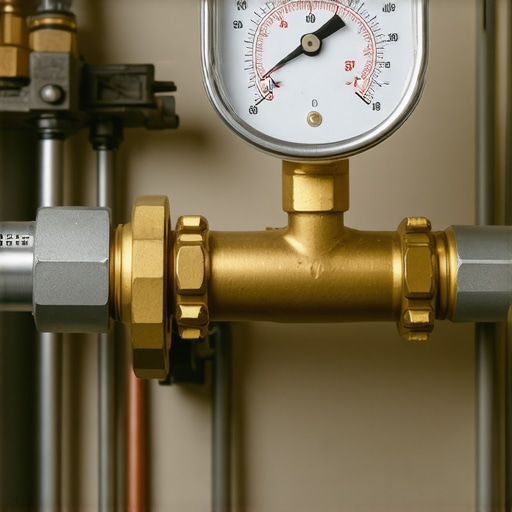
Maintaining your espresso setup isn’t just about regular cleaning—having the right tools makes all the difference. I personally swear by a calibrated digital pressure gauge, which helps me monitor and fine-tune my pump pressure accurately, preventing those loud, disruptive pump noises and ensuring consistent shot quality. A high-quality burr grinder cleaning brush is indispensable; I use mine weekly to remove coffee residues that can cause uneven grinding and mess with your machine’s performance. Their compact design allows deep cleaning of hard-to-reach crevices, which is vital for preventing clogging and static buildup that can quietly sabotage your brew.
Use Calibration Software to Stay Precise
Many modern espresso machines are now compatible with calibration apps and software, giving you the ability to adjust parameters like boiler temperature, brew pressure, and steam pressure with remarkable precision. I rely on these tools to fine-tune my machine for different beans and roasts, pushing the limits of even ultra-light roasts that demand exacting control. For example, calibration of the brew pressure profile can drastically improve extraction consistency, reducing unwanted bitterness or sourness that often results from pressure fluctuations. Future trends suggest that software integration will become more seamless, offering real-time alerts for maintenance needs, such as descaling or component degradation.
How do I maintain my espresso machine over time?
Effective long-term maintenance hinges on a regular schedule of cleaning and component checks. This includes descaling at least every three months, inspecting rubber O-rings and gaskets for wear, and scheduling professional services annually for parts like the pump and steam valve. Adding to this, keeping detailed logs of usage and maintenance routines can help predict when parts like the group head screens or portafilters might need replacement. For guidance, I recommend reviewing this resource to ensure your machine stays in peak condition.
Explore Advanced Cleaning Methods for Better Results
Maintaining your grinder and espresso machine hygiene goes beyond surface cleaning. I use an ultrasonic cleaner to thoroughly remove coffee oils and residue from burrs and portafilter attachments. This method ensures that machinery operates quietly and delivers consistent flavor profile, especially when working with delicate, ultra-light roasts. Employing this technique can extend the lifespan of your equipment and improve shot clarity significantly. Also, don’t overlook the value of dedicated cleaning cycles built into many espresso machines, which help break down coffee oils that can create bitter flavors and clog routines over time.
Scaling and Upgrading Equipment to Meet Growing Demands
If you’re scaling your home setup, focus on modular components that allow easy upgrades. For instance, upgrading to a PID controller for precise temperature management can dramatically improve results, especially for complex brews. As I personally experienced, replacing standard steam wands with commercial-grade ones enables better microfoam, facilitating latte art mastery. Keeping an eye on future developments like smart sensors that monitor internal temperatures and pressure levels will help you preempt problems before they escalate, keeping your setup reliable and consistent. For tailored advice on expanding your system and integrating intelligent tools, check out this guide.
Conclusion: Staying Ahead of the Curve
In an evolving world of high-tech coffee equipment, staying informed about the latest maintenance techniques and tools is key to ensuring your gear performs at its best. Regularly upgrading parts, employing calibration and cleaning tools, and understanding the specific needs of your setup will keep your espresso routine smooth and enjoyable. I recommend trying the ultra-light roast dial-in tip from this resource to elevate your brewing game and make every shot a masterpiece.
Over time, I’ve discovered that the joy of brewing espresso isn’t just about the perfect shot—it’s also about the peace and quiet that makes the ritual even more satisfying. The moment I learned to tame that relentless pump noise and understand my machine’s inner workings, the entire experience transformed from a stressful ordeal into a relaxing, almost meditative practice. This shift taught me that real mastery comes from awareness and subtle adjustments that many overlook.
One of the most enlightening lessons was realizing that machine noises often reveal underlying issues. By listening carefully and addressing these early—be it descaling regularly or tightening loose fittings—I prevented costly repairs and prolonged my equipment’s lifespan. This proactive approach turned my noisy espresso routine into a smooth, whisper-quiet process, allowing me to enjoy every brew with confidence.
Lessons That Changed My Coffee World
- Perfection Lies in Maintenance: Regular cleaning and system checks are the backbone of a peaceful brewing experience. Neglecting these led to the loud pump roar, which I now know is often a sign of mineral buildup or worn-out parts.
- Small Tweaks, Major Impact: Adjusting pressure settings and adding vibration dampers made a surprising difference. It’s empowering to realize that resolving noise issues often involves simple, actionable steps rather than costly overhauls.
- Don’t Overlook the Power of Proper Storage: Storing beans correctly to prevent static and degradation means fewer grind-related pressure glitches, reducing the strain on my pump and keeping things whisper-quiet.
Tools and Tips That Keep My Routine Calm
- Reliable Descaling Solutions: Regularly using a trusted descaling product, like those recommended in this guide, helps prevent mineral buildup and keeps the pump humming softly.
- Calibration Software: Fine-tuning brew pressure and temperature with accessible apps, talked about in these tips, offers precision without the noise.
- Vibration Dampening Accessories: Placing my machine on a silicone mat or anti-vibration mounts has made a tangible difference, reducing countertop vibrations that amplify pump noise.
Your Quiet Coffee Corner Awaits
Embracing these insights transforms your espresso adventure into a serene experience, where the focus is on savoring each shot rather than battling noise. With a few deliberate steps—regular maintenance, smart calibrations, and thoughtful placement—you can enjoy the satisfying silence that elevates your daily ritual. Think of your espresso setup as a finely tuned symphony, where every component plays its part quietly but perfectly. Now, go ahead—dive into the details, refine your process, and let the quiet become your new coffee companion.
What small change have you implemented that made your espresso routine calmer? Share your tips below and join the community of mindful brewers!