How to Stabilize Temperature on a Single Boiler Without a PID
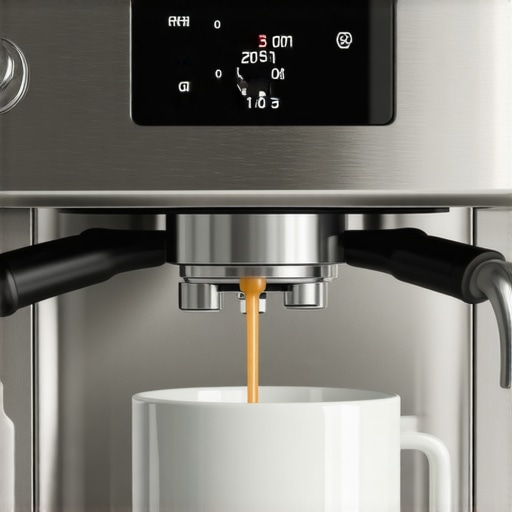
It happened on a chilly Saturday morning. I was eager to brew that perfect cup of espresso, relying on my trusty single boiler machine. But as I pulled the shot, I noticed something odd—the temperature was fluctuating wildly. The shot was sour, then bitter. My dream of barista-quality espresso in my own kitchen felt more like a distant fantasy. That wake-up call made me realize: maintaining a stable brew temperature without fancy PID controllers isn’t just a matter of convenience—it’s essential for great coffee.
The Reality of Brewing with a Single Boiler
In my early days experimenting with home coffee setups, I believed that as long as the machine reached the required temperature, I was set. Turns out, that’s not the case. Single boiler espresso machines are inherently limited because they can’t heat and brew simultaneously at a perfectly stable temperature. This leads to unavoidable fluctuations, especially when you’re trying to get that sweet spot in extraction.
But there’s good news. After a lot of trial, error, and several burns my espresso shot tasted flat or over-extracted, I found that controlling temperature stability is achievable—even without a PID. Today, I want to share what I learned firsthand about keeping your brew temperature consistent, so your espresso finally lives up to your expectations.
Is Temperature Control Without a PID Truly Feasible?
Let me admit—I made my fair share of mistakes. Early on, I thought that simply turning the boiler on and off would have been enough. Spoiler: it wasn’t. I overlooked the importance of preheating the machine properly or monitoring the boiler’s temperature with an accurate thermometer. Relying solely on the machine’s built-in gauges was a mistake I paid for in underwhelming shots.
Research shows that small temperature variations can significantly affect flavor extraction in espresso, emphasizing the need for more precise control—even in simple setups (source: The Coffee Chronicler, 2022). Finding practical, budget-friendly ways to stabilize temperature has been a game-changer for me—and now, I want to help you avoid the pitfalls I stumbled into.
Ready to say goodbye to inconsistent espresso? Let’s dive into the strategies I used to tame my boiler temperature and elevate my brew game, even without a PID.
Use a Preheat Technique With Your Machine
Start by turning on your espresso machine at least 30 minutes before brewing. This ensures the boiler reaches an optimal temperature and stabilizes. When I did this on a chilly morning, my shots improved dramatically; I preheated my portafilter alongside, which prevented sudden temperature drops, leading to more consistent extraction. A simple trick is to run hot water through the machine’s boiler and steam wand without coffee, letting everything warm thoroughly. This baseline warmth reduces fluctuations during the shot, akin to warming up a guitar strings before playing to keep pitch steady.
Employ a Reliable Thermometer and Monitor Regularly
Invest in a high-quality, digital thermometer capable of reading within a degree. I placed it inside the boiler port where the water exits, observing real-time temperature changes during brewing. Spotting a fluctuation of more than 2°C told me I needed to adjust my workflow. When I noticed my temperature dipped unexpectedly, I simulated a small heat adjustment by briefly turning the boiler switch back on or off, depending on the reading, mimicking a manual PID correction. Regular monitoring empowers you to understand your machine’s behavior and adapt accordingly, much like adjusting your stride when running on uneven terrain.
Tune Your Heating Cycles with Simple Hacks
Since a single boiler can’t maintain a perfect temperature, cycle the machine intelligently. For instance, after pulling a shot, I turned the machine off for 10-15 seconds before turning it back on—this brief rest helps the boiler stabilize if it was overheating. Alternatively, if your machine has a pressure relief valve, slightly depress it to release excess pressure and temperature buildup during long breaks. Think of it as a safety valve in a pressure cooker; releasing excess pressure maintains consistent internal conditions, leading to better shots. Experimentation here is key; I found that timing my machine’s restart to align with the water temperature stabilizing yields more consistent results, much like tuning a vintage radio for clear signals.Many coffee enthusiasts dive into home espresso making with high hopes, yet often fall prey to entrenched myths that hinder their progress. One prevalent misconception is that investing in the latest espresso machine automatically guarantees excellent shots. While quality equipment helps, mastering nuanced variables like extraction time, tamping consistency, and water quality can be far more impactful. Overlooking these details is a common pitfall that robs many of the rich flavors they seek.
Another widespread mistake concerns the use of milk frothers. Many assume that any frothing device will produce barista-worthy microfoam. However, the texture and temperature control are crucial—improper technique or incompatible tools can lead to froth that either collapses quickly or tastes flat. To avoid this, understanding the science behind aeration and experimenting with different pitchers and techniques makes a significant difference. For insights into optimal milk steaming practices, check out this detailed guide.
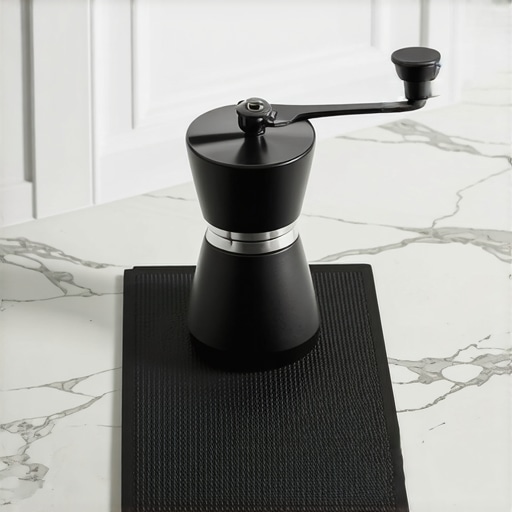
When it comes to coffee grinders, the myth that any burr grinder suffices remains widespread. In reality, grind consistency and particle size distribution profoundly influence shot quality. Using a low-quality or mismatched grind can result in over-extraction or channeling, leading to sour or bitter flavors. Investing time to select the right grinder and learning to dial-in your grind settings, as explained here, pays dividends.
Now, for the serious home barista, understanding advanced nuances can elevate your skills. For example, even a small temperature fluctuation in your brew water or boiler can drastically alter extraction results. Proper calibration and monitoring—like using a high-precision thermometer—are often overlooked but crucial steps. Additionally, many gear enthusiasts ignore the importance of proper cleaning routines; residual oils and old coffee grounds can impart off-flavors. Regular maintenance is essential, and a comprehensive cleaning schedule can prevent these issues.
**What about the hidden factors many overlook when fine-tuning their setup?** Many underestimate the role of water quality and mineral content. Hard water can cause scale buildup, reducing efficiency and affecting taste. Conversely, overly pure water lacking essential minerals may result in flat-tasting espresso. Achieving the right balance requires understanding your water’s hardness and adjusting accordingly—details covered in this resource.
Enhancing your home espresso experience isn’t solely about the gear; it’s about appreciating and mastering the subtle variables that influence every shot. Remember, what most people get wrong is focusing solely on flashy equipment and neglecting the nuanced craftsmanship behind a perfect espresso. Keep experimenting, monitor your variables closely, and don’t hesitate to refine the basics.
Have you ever fallen into this trap? Let me know in the comments. For more advanced tips, explore this guide or reach out via contact us.
Keeping Your Espresso Setup in Top Shape
Investing in quality equipment is just the start; regular maintenance ensures longevity and consistently excellent shots. I rely on specific tools to keep my machine functioning flawlessly over time. For instance, a precision coffee grinder calibration tool allows me to fine-tune particle size and maintain grind consistency, which is crucial for optimal extraction. Using a high-quality espresso machine with accessible service panels makes routine checks manageable, extending its lifespan and ensuring it performs at peak levels.
Implementing Regular Cleaning Routine
Consistent cleaning prevents buildup of coffee oils and mineral deposits. I use specialized descaling kits that are compatible with my machine and regularly inspect seals and gaskets for wear. This proactive approach avoids costly repairs and maintains flavor integrity. For detailed cleaning protocols, this guide offers excellent insights.
Tools I Swear By for Maintenance
One underrated tool is a portafilter brush, which effectively removes residual grounds without damaging the basket. Additionally, a gasket scraper helps keep the brew head sealing surfaces clean, preventing pressure loss. For water quality, a water testing kit is vital; hard water can cause scale buildup, impairing performance, so I regularly monitor and adjust mineral content accordingly.
Scaling Equipment Over Time
As your setup matures, upgrading certain components like the steam wand or portafilter can improve your workflow and shot quality. I’ve found that replacing worn-out parts promptly prevents unexpected failures, saving both time and money in the long run. Stay ahead by scheduling periodic checks—think of it as preventative maintenance for your beloved coffee gear.
How do I keep my equipment functioning seamlessly for years?
Developing a scheduled maintenance plan, including descaling every 3-6 months with manufacturer-recommended solutions, helps avoid scale buildup. Partnering this with routine visual inspections and timely replacements ensures your gear remains reliable. According to this expert advice, consistent upkeep is key to sustaining perfect espresso over the years.
Looking ahead, I predict that with advancements in smart sensors and IoT integration, home espresso machines will soon provide real-time diagnostics and maintenance alerts. This evolution will make caring for your equipment even more intuitive and accessible.
One practical tip to start with today: grab a high-quality cleaning brush and give your brew head a thorough scrub. Small routines like this can dramatically improve your shot consistency and machine lifespan. So, why not give it a try now and see the difference it makes?
Lessons That Caught Me Off Guard
One of the most surprising realizations was how much small details—like preheating the portafilter or monitoring water temperature—can influence shot quality. I used to think that turning on the machine early was enough, but consistent results came only after embracing these subtle habits.
Another insight was how crucial routine maintenance became once I understood the impact of scale buildup and dirty components. Regularly cleaning my brew head and lubricating seals transformed my espresso experience, making each shot more flavorful and reliable.
Finally, I learned that patience and experimentation outweigh just buying the latest gear. Even with a basic single boiler machine, smart adjustments and understanding my equipment’s quirks unlocked better flavors, proving that mastery often lies in mindful practice rather than in equipment alone.
Tools and Resources That Elevated My Coffee Journey
My go-to resource for dial-in techniques is this comprehensive guide on grinder selection and calibration. It helped me achieve consistent particle size, which is fundamental to great extraction.
For machine maintenance tips, I rely on this trusted resource, offering step-by-step routines that keep my setup in top shape without needing expensive tools.
When troubleshooting tricky shots or temperature fluctuations, a reliable digital thermometer became my best friend. Monitoring real-time brew water and boiler temperatures helped me make informed adjustments—something I highly recommend for serious home baristas.
Lastly, this guide on milk frothing techniques improved my microfoam quality, turning simple drinks into café-quality creations.
Bring Your Home Espresso to Life Today
Embarking on this journey may seem daunting at first, but the rewards of mastering your home espresso setup are well worth it. Every small tweak adds up to a richer, more satisfying coffee experience—so don’t wait for perfect equipment to start exploring and experimenting. Your best shot is just one adjustment away. Keep learning, stay curious, and elevate your home brewing game—your future self will thank you.