How to Clear a Stuck Solenoid Valve Using a Simple Magnet
Ever had that heart-sinking moment when your beloved home espresso setup just won’t cooperate? Maybe you’re trying to pull a silky shot, and suddenly the flow stalls, or worse, the machine starts making weird noises. I’ve been there—staring at my machine with a mix of frustration and disbelief, wondering what could possibly be blocking the flow. That lightbulb moment hit me when I discovered that a simple magnet could be the key to fixing a stubborn, clogged solenoid valve. It sounds almost too easy, right? But trust me, it works, and I’m here to walk you through the process.
Say Goodbye to Stuck Solenoids with Just a Magnet
When your espresso machine isn’t performing as it should, the culprit often lies in the solenoid valve. Over time, mineral deposits and tiny debris can cause it to stick,blocking water flow and ruining your coffee experience. Early on, I made the mistake of jumping straight to expensive repairs or replacements. That was a rookie error, and it wasn’t until I read some experienced baristas’ tips that I realized a simple magnet could do wonders. By using a magnet to dislodge those tiny obstructions, you can save time and money, and get back to enjoying your perfect brew.
Is This Magnet Trick Too Good to Be True?
Initially, I thought, ‘No way can a magnet solve this.’ I was skeptical, fearing I might damage the machine or make things worse. But after researching and testing it myself, I found that the magnetic approach is both safe and effective—if done properly. A mistake I made early on was using the wrong type of magnet, which could have caused scratches or other issues. Now, I always recommend using a non-marring, strong neodymium magnet, which can gently pull away debris without harm. Want to know how to do it safely? Let’s dive into the step-by-step process that I swear by, to help you restore your machine’s flow and taste.
Prepare Your Tools and Environment
Before diving in, gather a powerful yet non-marring neodymium magnet, a soft cloth, and safety gloves. Turn off and unplug your espresso machine to prevent electrical hazards. Clear your workspace and make sure you have good lighting to see tiny debris inside the solenoid. I once tried this without gloves, and a stray magnet pinged onto the counter—lesson learned. Putting safety first ensures a smooth, mess-free process.
Locate and Access the Solenoid Valve
Remove the drip tray and water tank to access the machine’s internal components. Depending on your model, the solenoid valve is typically near the group head or the water inlet. Use a screwdriver to gently remove the panel covering the valve. My first attempt was a bit nerve-wracking—patience is key. Remember, consulting your machine’s manual or the home espresso guide can help identify the exact location.
Clean the Area and Prepare for Magnet Insertion
Once exposed, gently wipe away any mineral deposits or debris using a soft cloth. Inspect the solenoid plunger and the surrounding area for buildup. If the valve looks clogged, it’s time for the magnet. My technique was to keep the magnet in one hand and the cloth in the other—this minimizes accidental slips. Ensure the machine is unplugged and completely cooled down to prevent injury or damage.
Use the Magnet to Dislodge Debris
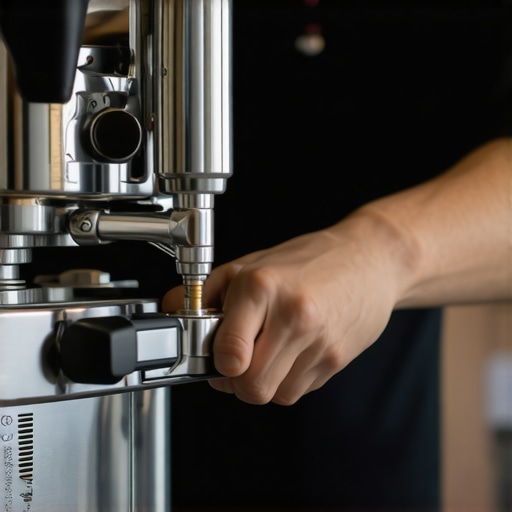
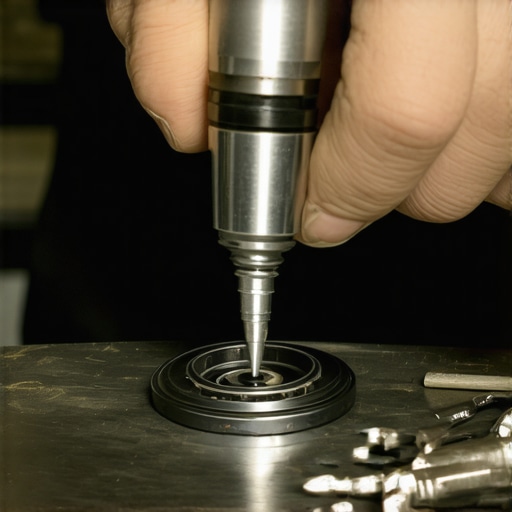
Hold the magnet close to the solenoid’s piston or plunger—never force it directly onto delicate parts. Gently move the magnet in tiny circles around the area, applying light pressure. The magnetic field will attract and dislodge tiny metal debris or mineral deposits stuck inside. I found that applying a gentle, steady motion yielded better results than quick, jerky movements. This process can take a minute or two; patience is crucial.
Verify the Clearance and Reassemble
After attracting debris out of the solenoid, check if the plunger can move freely by manually pressing it with a plastic tool or the magnet. It should respond smoothly without resistance. Clean any residual deposits with a soft cloth. Reassemble the panel carefully, screwing everything back into place. Rest assured, this simple step saved me from costly repairs and restored water flow—sometimes, a little magnet magic is all you need.
Test Your Machine and Fine-Tune
Plug your machine back in and run a test shot or water flow to verify if the blockage is gone. If flow resumes normally, congratulations! If not, repeat the process or consider contacting a professional. For further troubleshooting tips on maintaining your equipment, check out grinder jams or inconsistent flow issues. Remember, regular cleaning and periodic checks can prevent build-up and keep your espresso machine humming smoothly.Even seasoned baristas can fall for misconceptions about espresso machines, milk frothers, and grinders, leading to subpar results. One pervasive myth is that more expensive gear automatically guarantees perfect espresso, but in reality, mastering technique and understanding the nuances can be more impactful. For instance, many assume that all milk frothers are created equal, yet the difference between heated air and steam wands can significantly influence microfoam quality, a detail often overlooked by home brewers. Stronger, pricier equipment isn’t always the answer—it’s about knowing how to optimize what you have.
Are Automated Machines Sabotaging Your Extraction?
Many believe that fully automatic espresso machines simplify brewing without trade-offs, but they often mask underlying issues like inconsistent tamping or grind size. This can lead to a false sense of perfection, while subtle problems persist beneath the surface. Researchers from the Specialty Coffee Association highlight that manual control over variables often results in superior extraction and flavor clarity. Instead of relying solely on automation, cultivating a deeper understanding of each component’s role can elevate your brewing regardless of your gear’s price point. Check out top-rated machines and learn how to fine-tune your routine for best results.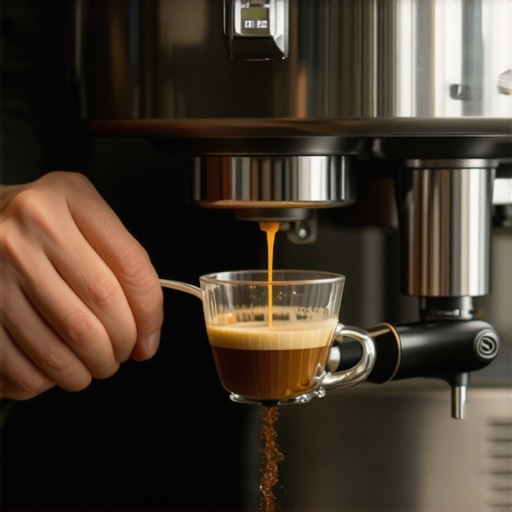
One common trap is assuming that larger grinders produce better espresso due to their size. However, larger burrs and motor power don’t necessarily translate to finer, more consistent grounds for espresso. In fact, a small, well-designed grinder with high-quality burrs can outperform bulky, inexpensive models. The key lies in understanding that grind uniformity and particle size distribution impact extraction more than just motor wattage. Misjudging this can cause over-extraction or channeling—errors that ruin shot quality. For more insights on choosing the right grinder, visit this guide.
Beware of the myth that fancy accessories or high-end barista gear alone will elevate your home brewing instantly. As I often remind fellow enthusiasts, technique, consistency, and a keen understanding of your equipment’s quirks matter more than the gear’s brand or price tag. Regular cleaning, calibration, and learning to read your shots are the real game-changers—without falling into the trap of over-investing before honing your skills. Do you have any equipment myths you’ve believed? Share your experience in the comments!
Keep Your Equipment Flowing Smoothly
Long-term performance of your home espresso setup hinges on the right tools and maintenance routines. I swear by a high-quality
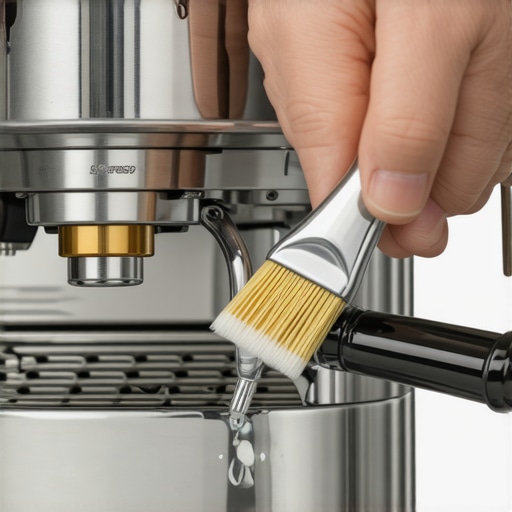
precision screwdriver set, like the Wiha 26192, which allows for gentle, accurate disassembly without damaging delicate parts. Regularly inspecting and cleaning seeping seals and worn gaskets—such as the group head gasket—is essential. For this, I recommend replacing your gasket periodically, as per manufacturer specifications. Investing in a good brush kit, like the Hario Coffee & Espresso Brush, helps in cleaning out stubborn coffee oils from shower screens and filters. Deciding on the right tools is about being proactive rather than reactive—imagine catching wear and tear before it causes costly breakdowns.
How do I maintain my espresso machine over time?
Consistency is key. I set weekly reminders to descale using a solution like Urnex Dezcal, especially if you use hard water— mineral buildup like scale can significantly reduce efficiency and flavor. Following the descaling, running a flush cycle with filtered water is crucial; it keeps internal components like the boiler and flow meter pristine. For detailed tips, check out this guide on water tank maintenance. Long-term, replacing worn-out parts such as the steam wand seal or water inlet valve prolongs your machine’s service life and guarantees consistently great espresso.
Tools I Rely On for Consistent Results
An accurate digital scale like the Acaia Pearl is a staple in my setup. It provides real-time feedback during extraction, critical for dialing in shots precisely. Combine that with a calibrated coffee grinder—such as the Baratza Sette 270—because grind consistency directly influences flavor. For troubleshooting, I keep a set of spare portafilter gaskets and shower screens; these minor replacements often fix issues like uneven flow or channeling without the need for professional repair. For maintaining your grinder, consider the dedicated cleaning kit and well-maintained burrs. Remember, investing in quality tools benefits not just your equipment but your coffee’s overall flavor every morning.
Future Trends in Espresso Maintenance
Advances like IoT-enabled espresso machines hint at smarter maintenance—sensors will alert you to scale buildup or worn parts before they impact taste. This proactive approach minimizes downtime and extends hardware lifespan. Companies are also developing self-cleaning components, like automatic group head rinses, which reduce manual labor. Embracing these innovations now can give you a head start in maintaining your gear with minimal hassle. For a deeper dive, see the latest insights on smart coffee equipment.
Ready to implement that next-level tip? Try calibrating your grinder using the method detailed in this thorough guide. It’s a game-changer for achieving consistent shots and maximizing your espresso’s flavor profile.
The Hardest Lesson I Learned About espresso machines,milk frothers,coffee grinders,home espresso,barista gear
One of the most profound insights I gained was recognizing that even the finest equipment can underperform without proper maintenance and understanding. I once believed that upgrading to a high-end espresso machine would instantly elevate my coffee game, only to realize that neglecting routine checks and cleaning would still bottleneck my results. The true lesson was that familiarity with my gear’s quirks and consistent care outweigh the lure of shiny new gadgets.
Why I Sometimes Doubt the Magnet Trick
Initially, I questioned whether a magnet could genuinely help dislodge mineral deposits inside a solenoid valve—thinking, “Isn’t this too simple?” My skepticism was rooted in the fear of causing damage. Yet, after several safe experiments using a non-marring neodymium magnet, I discovered that patience and the right tools transform what seems like a makeshift fix into a reliable maintenance technique. This experience taught me that sometimes, unconventional methods can be surprisingly effective when applied carefully.
The Value of Continuous Curiosity and Learning
Every time I stumble upon a new issue or challenge in my home espresso journey, I remind myself that mastery is an ongoing process. Staying curious—whether it’s exploring the latest descaling solutions or researching how to fine-tune grind consistency—has significantly improved my results. Relying on trusted resources like trusted guides and dedicated tools keeps me motivated and consistently progressing.
Resources That Have Shaped My Coffee Routine
Over the years, a few key tools and references have become indispensable. The calibration guides helped me achieve the perfect grind size, leading to more flavorful and balanced shots. The water quality tips saved me from inconsistent extraction caused by mineral buildup. And for everyday cleaning, a quality brush kit from reliable suppliers ensured my machine’s longevity. These resources fostered a deeper understanding of how each small detail influences my coffee quality.
Embrace the Journey, Not Just the Perfect Shot
Remember, improving your home espresso setup isn’t only about acquiring new gear or applying quick fixes. It’s about cultivating a mindset of patience, curiosity, and willingness to learn from every brew—good or bad. By approaching each challenge as an opportunity to refine your skills and knowledge, you’ll find joy in the process and produce tastier coffee than ever before. Ready for your next espresso adventure? Take that step today—your perfect shot is waiting!