The Benefit of Pre-Warming Your Portafilter Head
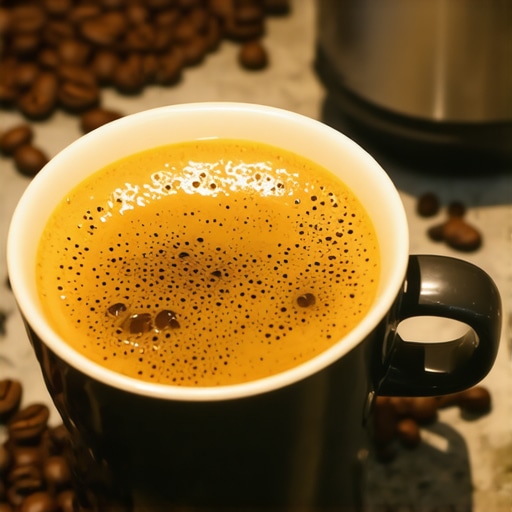
I’ll never forget the morning I ruined twenty dollars’ worth of Geisha beans because I was in too much of a rush to let my gear properly soak. I had one of the top-rated espresso machines for coffee lovers in 2025 and a perfectly calibrated grinder, yet the shot was a sour, thin mess. [IMAGE_PLACE_HOLDER] It was a classic rookie mistake: I pulled the shot through a portafilter that was sitting cold on the counter. The metal acted like a heat sink, sucking the life out of the water before it even hit the coffee bed. Today, I’m going to show you why that heavy piece of brass or steel needs to be scorching hot before you even think about grinding your beans.
The Cold Metal Heat Sink You Are Ignoring
People often ask me why their espresso machine takes longer to heat up recently, but they forget that the portafilter is a massive part of that thermal equation. When 200°F water hits a 70°F chunk of stainless steel, physics takes over. The water temperature drops instantly. You might be aiming for a sweet, chocolatey extraction, but you end up wondering why your espresso shot tastes like cardboard or sour grapes. When I first started mastering the art of home espresso, I thought the warm-up time only applied to the boiler. I was wrong. I was basically dumping ice into my brew water every single morning without realizing it.
Is This Extra Effort Really Worth the Hype?
You might be thinking, “It is just a handle, surely it cannot matter that much?” Trust me, it does. According to data shared by the Specialty Coffee Association, temperature stability is one of the big three variables in extraction quality alongside grind size and dose. A temperature drop of just a few degrees during extraction can be the difference between a balanced shot and one that is underextracted and sharp. If you do not pre-warm, you are not just losing heat; you are losing the complex sugars that only develop at specific temperatures. Have you ever noticed your first shot of the day tastes worse than the second? That is usually the cold metal at work. Leave a comment below—have you ever noticed a flavor shift after actually letting your machine heat up properly?
Turn Your Machine on Earlier Than You Think
Think of your espresso machine like a high-performance car engine; it won’t give you its best lap time if you are redlining it while the oil is still cold. When you are choosing the best barista gear for coffee enthusiasts, you often prioritize the weight and build of the portafilter. That weight is your enemy until it is hot, because dense brass and stainless steel require significant energy to reach thermal equilibrium. If your machine has a massive E61 group head, 15 minutes is the bare minimum. I used to think five minutes was enough until I actually touched the basket and realized it was barely lukewarm. Now, I use a smart plug to wake my machine up 30 minutes before I even crawl out of bed.
Keep the Portafilter Locked in the Group Head
One of the most common mistakes is leaving the portafilter on the drip tray while the machine warms up. It needs to be locked into the group head. This allows the heat to migrate from the boiler and the group through the metal-on-metal contact. While it is heating, this is also the perfect time to learn how to check if your portafilter gasket is actually sealed properly. A loose connection here doesn’t just leak water; it leaks precious heat. I remember a Tuesday morning where I was so impatient I tried to ‘speed-heat’ my portafilter by dipping the metal end into a mug of boiling water. I ended up with a handle that was too hot to touch and a basket that was still unevenly heated. The result? A shot that tasted like a battery. Patience is a literal ingredient in good espresso.
Use a Blank Shot to Bridge the Gap
If you are in a hurry, you can cheat—but only a little. Running a ‘blank shot’ (hot water through the empty portafilter) can force the temperature up. Do this twice, waiting thirty seconds between pulses. This mimics the flow of a real shot and forces the internal galleries of the group head to stabilize. However, be careful with your hygiene here; always be aware of the danger of leaving old coffee oils in your portafilter spouts. Flushing with hot water helps loosen those rancid oils, so give it a quick wipe afterward. 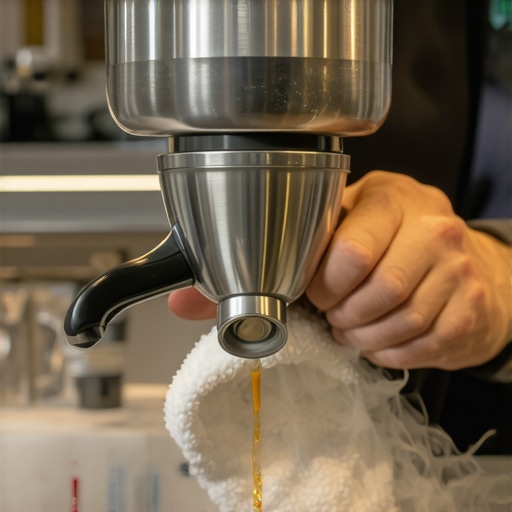
Don’t Let Water Kill Your Basket Temperature
After your portafilter is screaming hot, the biggest mistake you can make is leaving it wet. When you are how to select the perfect coffee grinder for your brew and finally grinding those expensive beans, you don’t want them hitting a damp, steaming basket. Moisture in the basket causes the grounds to clump and creates ‘hot spots’ that lead to channeling. If you have a fancy setup, you might even be using the best way to clean a wood-handled portafilter to keep your gear looking sharp, but remember that the metal interior must be bone-dry. Use a dedicated microfiber cloth to wipe the basket until it is polished and dry before you dose your coffee. This ensures the heat stays in the metal and the water stays in the coffee, not sitting in a puddle at the bottom of your basket.
Let’s dig deeper into the actual heart of your setup: the grinder. Most people think that once they’ve spent thousands on top-rated espresso machines for coffee lovers in 2025, the hard part is over. However, I’m going to challenge the common belief that the machine does the heavy lifting. In my experience, a mediocre machine with a perfectly seasoned grinder will beat a high-end setup paired with a poorly calibrated one every single time. When how to select the perfect coffee grinder for your brew is your focus, you have to look past the brand name and focus on burr geometry. But here is the catch: even the best burrs won’t save you if you don’t know how to properly season new steel burrs for better consistency. New steel is surprisingly inconsistent for the first few kilograms of coffee. If your shots are erratic out of the box, don’t blame the machine—blame the raw metal that hasn’t found its rhythm yet.
The Grinder Retention Myth and Why Your First Shot Fails
Everyone talks about zero retention, but in reality, almost every grinder hides a gram or two of stale coffee in the chute. If you aren’t purging a small amount of beans before your first shot, you are mixing fresh grounds with oxidized dust from yesterday. This is why that first latte often tastes off compared to the second. I’ve seen so many people buy the best barista gear for coffee enthusiasts only to ignore this simple workflow step. 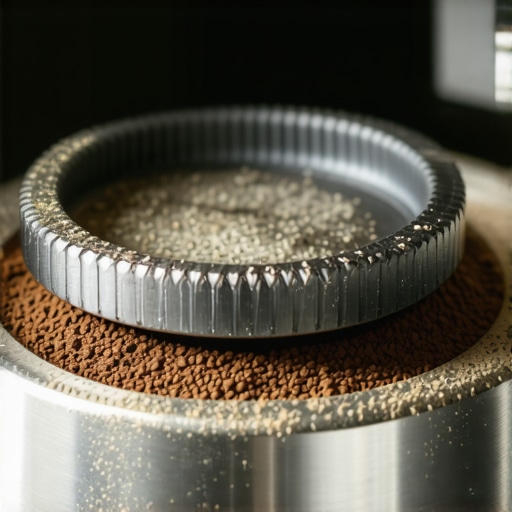
Why does your shot time fluctuate even when the dial stays the same?
It is the ultimate frustration: you didn’t touch the grinder, yet your 30-second shot is now a 40-second crawl. This isn’t a mechanical failure. According to research by the Specialty Coffee Association, coffee beans are hygroscopic, meaning they absorb moisture from the air. A slight shift in kitchen humidity will change how the beans shatter under the burrs. This is why your grinder settings feel like they changed overnight. To fix this, you have to learn to read the flow rather than just trusting the numbers. If the air is humid, you will likely need to coarsen the grind slightly to maintain the same extraction speed.
Avoid the Invisible Oil Build Up
The oops factor that kills most home setups is the shower screen. You wipe your portafilter until it shines, but the screen hidden inside the group head is likely a graveyard for old coffee oils. This is why your group head shower screen is getting clogged so fast and why your shots might start tasting metallic or bitter despite using fresh beans. These oils bake onto the metal under constant heat, creating a nasty film that bypasses even the best cleaning cycles. I once thought my machine was broken because every shot tasted like ash, only to find a thick layer of sludge behind the screen screw. Have you ever fallen into this trap? Let me know in the comments.
Lubricate Your Group Head Before It Starts Screaming
If you own an E61 machine, you probably love that classic mechanical lever, but you likely forget that every time you use a chemical backflush, you are stripping away vital lubricants. I learned this the hard way when my lever started squeaking like a rusty gate. To keep the action smooth, you must learn how to properly lubricate your E61 group head cam with food-grade Molykote. Without it, the internal brass components will grind against each other, leading to a costly rebuild that no amount of fancy coffee can justify. This is the part of choosing the best barista gear for coffee enthusiasts that nobody tells you: the better the gear, the more hands-on you have to be with the grease.
Why Soft Water is Your Machine’s Only Hope
The silent killer of every boiler is calcium. You can have the most top-rated espresso machines for coffee lovers in 2025, but if your water is ‘hard,’ you are essentially feeding your machine liquid stone. According to the technical maintenance guides from Clive Coffee, mineral buildup is the primary cause of heating element failure in 85% of home espresso machines. I stopped trusting my tap water years ago and started using the easy way to test your machines water hardness at home with a simple titration kit. It takes thirty seconds and saves you from the nightmare of figuring out how to tell if your machine boiler is accumulating lime scale when your steam pressure starts to dip. #IMAGE_PLACE_HOLDER_D#
How do I maintain my machine’s performance over several years?
Consistency over a decade requires a schedule, not just good intentions. Beyond the daily wipe-down, you should be looking for early warning signs of wear. For example, keeping an eye on your pressure gauges can help you how to spot a failing solenoid valve before it floods your kitchen. In the future, I expect we will see more machines with built-in sensors that alert your phone when a gasket is dry, but for now, your ears and eyes are the best tools you have. If you notice why your steam wand tips keep getting blocked by milk residue, don’t just poke it with a paperclip; soak it in a dedicated milk-detergent solution to dissolve the proteins that water alone can’t touch.
Precision Scaling for Long Term Success
As you get deeper into mastering the art of home espresso, your reliance on high-end electronics will grow. However, even the most expensive scales can be finicky. If you find why your espresso scale is jumping numbers while the shot is pulling, it is often due to steam interference or vibration. I personally use a small rubber shim under my scale to decouple it from the machine’s vibration, which has solved 90% of my drift issues. When you are trying to match the performance of how to select the perfect coffee grinder for your brew with your output, every tenth of a gram matters. My advanced tip for you today? Perform a ‘water backflush’ every single day before you turn the machine off. It takes ten seconds and prevents 90% of the oil buildup we discussed earlier.
Hard Truths About My Decade Behind the Lever
I spent years chasing the perfect extraction, and the most humbling lesson I learned is that gear cannot outrun a bad habit. I used to think a better grinder would fix everything, but until I started checking my group head flow rate regularly, I was just guessing. Espresso is a game of millimeters and degrees, but it is also a relationship with your machine. If you do not take the time to lubricate your E61 group head cam, the mechanical action will inevitably fail you. My lightbulb moment? Realizing that the best coffee isn’t the one that hits a generic 30-second window, but the one that tastes exactly how you want it to, even if the numbers look a little ‘wrong’ on paper.
The Setup I Rely on Every Single Morning
Building a workflow that lasts requires more than just owning top-rated espresso machines for coffee lovers in 2025. You need a toolkit that supports your daily growth as a barista. I personally never start a session without a high-precision scale and a WDT tool to break up pesky clumps in the basket. If you enjoy milk-based drinks, finding milk frothers that transform your coffee experience is just as vital as the espresso itself for that silky microfoam. I also swear by a simple physical logbook; there is something about writing down your grind settings and humidity levels that makes the science of extraction click much faster than a digital app ever could.
Your Journey Toward the God Shot Starts Now
Do not be intimidated by the temperature surfing or the technical maintenance schedules. The beauty of mastering the art of home espresso is that every mistake—even that sour shot from a cold portafilter—is a data point leading you toward something better. Your machine is an instrument, and you are the musician learning its quirks. Keep practicing, keep cleaning, and most importantly, keep tasting. Have you ever had a moment where a simple cleaning or warming step completely changed the flavor of your favorite beans? Let me know in the comments below!