The Mirror Trick for Spotting Espresso Channeling Instantly
Have you ever pulled a shot of espresso only to find it oddly pale, thin, or dribbling out unevenly, leaving you scratching your head about what went wrong? I’ve been there – frustration creeping in as I watched my carefully tamped coffee dissolve into a sputtering stream that looked nothing like the silky shot I envisioned. Then, one lightbulb moment hit me: I realized I was missing a critical, yet simple visual cue that could save my brew before I even start dialing in my grind or tamp pressure.
The Power of the Mirror in Espresso Making
Let me tell you, the moment I started using a handheld mirror to observe my espresso channeling, everything changed. It’s a straightforward trick, but its impact is profound. By simply tilting a mirror underneath the portafilter while pulling a shot, I can instantly see the flow of espresso inside the basket. No more guessing whether I’ve tamped too hard, used stale coffee, or dialed in the grind incorrectly — I get real-time feedback. This technique is like having a secret weapon, revealing subtle issues in the flow that otherwise go unnoticed until the shot’s over.
Imagine catching a channeling problem as it happens instead of after the fact, which often leads to wasted beans and bitter, inconsistent espresso. This is especially helpful when trying to perfect your home setup or troubleshoot your commercial machine’s performance. I’ve personally benefited from this method so much that I now recommend it to every coffee enthusiast I meet. Want to improve your shot quality without complicating your routine? Stick around—I’ll show you how to master this simple but powerful technique.
Is Channeling a Sign My Equipment Is Failing?
Early on, I made the mistake of assuming that persistent channeling indicated a faulty machine or bad beans. Turns out, most of the time, it’s about technique and attention to detail. Using the mirror helped me identify root causes in real-time—like uneven tamping or inconsistent grind distribution. It’s a game changer. If you’ve ever wondered whether your equipment is the problem or your technique, you’re not alone. But often, the solution is simpler than you think — and this mirror trick is proof. For more tips on honing your barista skills, check out this guide for beginners. Ready to see your espresso be flawless from the first drip? Let’s dive into the step-by-step process to spot channeling instantly and fix it on the spot.
Set Up Your Workspace with Purpose
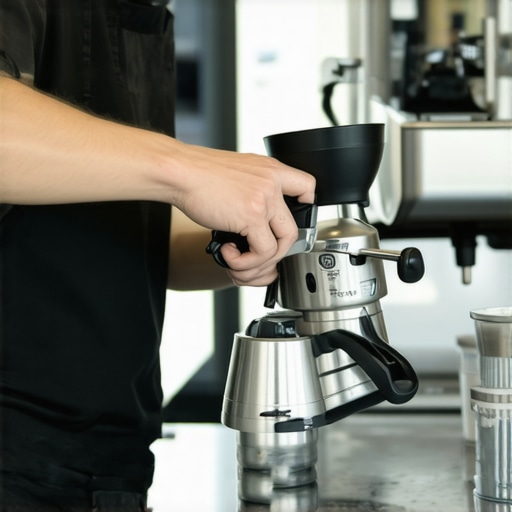
Before you begin, ensure your coffee grinder is calibrated correctly and your tamping surface is stable. Clear the area of distractions and position your mirror on a clean, flat surface beneath the portafilter. This preparation saves time and minimizes errors during your shot.
Prime Your Equipment for Consistency
Warm up your espresso machine thoroughly, aiming for the correct temperature to avoid fluctuations. Use a digital thermometer if needed. Consistent temperature ensures the flow pattern remains stable, making channeling easier to detect. Achieve this by running a blank shot or flushing the lines. This step sets the stage for accurate observations.
Practice Portafilter Loading with Precision
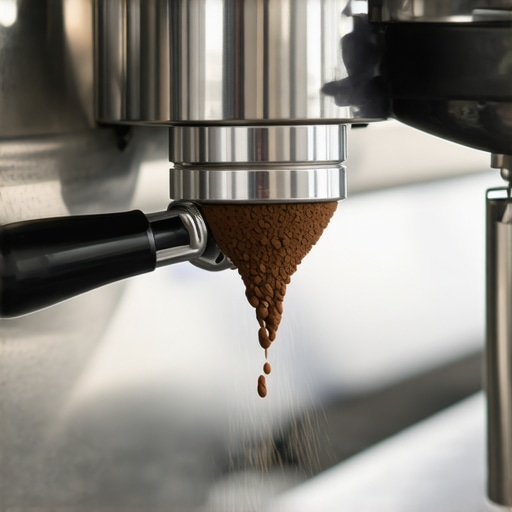
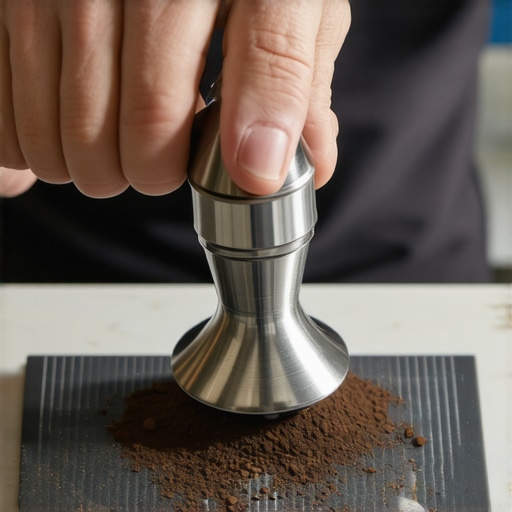
Grind fresh coffee directly into the portafilter, aiming for a uniform, level coffee bed roughly the size of a quarter. Use a dose control tool to maintain consistency. Tap and level the coffee gently to avoid uneven density, which can cause false channeling signals.
Use the Mirror as Your Eyes During Extraction
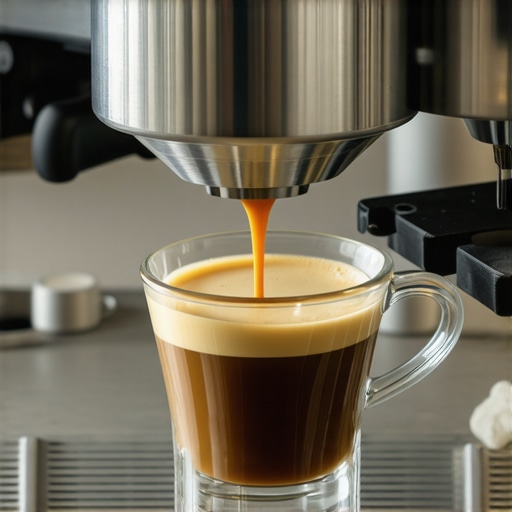
Attach the mirror beneath the portafilter to observe the espresso as it begins flowing. Be patient and watch for any signs of irregular streams—fast spurts, uneven flow, or thin streams. This real-time visual gives you immediate feedback, unlike relying solely on taste or appearance post-extraction.
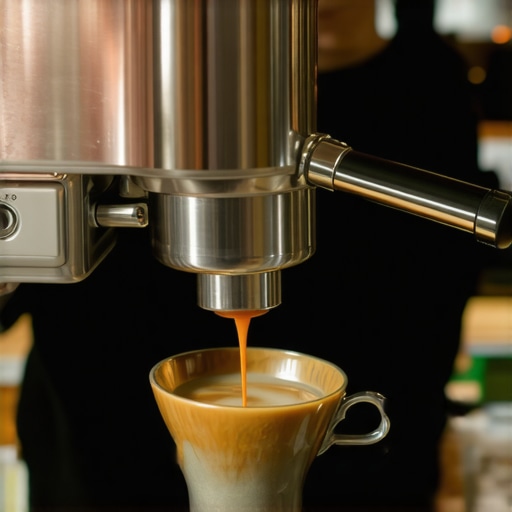
Insert a clear image showing a mirror positioned under a portafilter, illustrating how to observe the flow during extraction.
Identify Common Flow Patterns and Troubleshoot
If you notice thin or sputtering streams, this likely indicates channeling or uneven tamping. A consistent, steady flow indicates good technique and proper grind size. To correct this, adjust your tamping pressure, tweak your grind fineness, or redistribute the coffee evenly before pulling the shot.
Document Your Observations for Future Refinement
Keep a shot journal noting grind settings, tamping pressure, and flow observations. Over time, patterns emerge, guiding you toward optimal parameters. Remember, small adjustments can make significant differences in flow consistency.
Apply and Verify Corrections in Real Time
After adjustments, use the mirror again to verify improvements instantly. If flow challenges persist, revisit the grind size or tamping technique. Continuous visual feedback sharpens your skills faster than guesswork.
When it comes to home espresso setups and barista equipment, many enthusiasts are quick to focus on choosing the latest machine or fancy accessories. However, a common misconception is that purchasing high-end gear guarantees perfect coffee every time. In reality, even the most advanced espresso machines or precision grinders can produce subpar results if the user overlooks subtle nuances in their technique or understanding. For instance, many believe that a premium grinder alone ensures clarity in flavor, but without proper calibration and maintenance—like regular burr adjustments or cleaning—the resulting espresso can be dull or uneven. Similarly, milk frothers are often thought to be foolproof, yet applying inconsistent steaming techniques or using unsuitable milks can lead to flat, unappealing microfoam. This misconception can trap even seasoned baristas into habitual errors, diminishing the potential of their gear.
One of the *most overlooked errors* involves the calibration of grinders. It’s tempting to set a grinder once and forget it, but burr wear and environmental factors cause grind consistency to drift over time. Neglecting regular calibration can result in inconsistent extraction and flavor, regardless of how expensive your machine is. According to expert barista coaching, precise grinder settings tailored to your specific beans and brewing method are crucial—more so than the brand of the grinder itself. This ties into a broader myth that better gear is the sole pathway to superior espresso, when in fact, understanding your equipment’s nuances plays a larger role.
Additionally, many enthusiasts underestimate the importance of cleanliness and maintenance. Build-up of oils, old coffee residues, or mineral deposits from water can subtly alter extraction profiles and taste. For example, clogged steam wand tips or dirty portafilters may seem insignificant but can cause inconsistencies, such as uneven steam pressure or off-flavors. Regular maintenance routines are essential; neglecting them is akin to ignoring warning lights on your car.
For advanced results, paying close attention to water quality is essential. Using hard water or untreated tap water can lead to mineral buildup within your machine, reducing efficiency and longevity. Even more subtle is the misconception that all water sources are suitable. Experts recommend using softened or filtered water and possibly installing water treatment solutions to prevent scale formation and ensure consistent brewing conditions. This nuanced approach often escapes casual brewers, yet it has a profound impact on long-term performance.
What about the role of accessories like tampers, shot glasses, or distribution tools? Many believe that simply owning premium barista gear automatically improves shots. However, improper use or neglecting technique, such as inconsistent tamping pressure or uneven distribution, undermines the potential benefits of high-quality gear. Focus on mastering these fundamental skills is paramount—gear is only as good as the person wielding it.
Do you think your setup is optimized for precision, or are hidden pitfalls holding you back? Always consider the *nuances*, not just the kit. Regular calibration, diligent cleaning, water quality management, and technique refinement often make more difference than equipment upgrades alone. If you want to dig deeper into mastering your gear, explore the comprehensive [guide for beginners](https://espressotechguide.com/mastering-the-art-of-home-espresso-tips-for-beginners). Remember, even small improvements can lead to dramatic enhancements in flavor and consistency. Stay curious, keep experimenting, and don’t fall for the trap that great gear alone guarantees great coffee. Have you ever fallen into this trap? Let me know in the comments.
How Do I Maintain My Coffee Equipment for Long-Term Performance
Regular maintenance is the backbone of consistent espresso quality. For grinders, I swear by using a dedicated brush, like the precision grinder cleaning brush, which effectively removes coffee oil build-up and prevents clogging. Remember, a clean grinder not only enhances flavor clarity but also extends its lifespan. Similarly, descaling your espresso machine at least every three months with a manufacturer-approved solution ensures optimal water flow and heat efficiency. For detailed descaling procedures, consult your machine’s manual or trusted resources like this descaling guide.
Tools That Make Routine Maintenance Easier
Investing in quality tools like a sharpening test tool helps monitor your grinder’s burr sharpness, which directly impacts grind consistency. Also, using a silicone gasket scraper can simplify the cleaning of your portafilter and shower screen, reducing buildup and ensuring a tight seal for extraction. These small improvements save time and prevent costly repairs, especially in a busy home setup or small café environment.
Long-Term Results Through Consistency and Care
Consistently maintaining your gear yields measurable improvements in shot quality over time. By tracking your grind settings and tamping pressure in a dedicated journal, you develop a routine that minimizes variables. The result? More predictable, delicious espresso shots every morning. Upgraded tools such as a calibrated volumetric dosing system can automate precision and free you from constant manual adjustments, making your workflow more efficient and reliable.
Scaling Your Setup Without Losing Quality
If you’re considering expanding or upgrading your equipment, focus on compatibility and maintenance ease. For example, a larger pre-infusion chamber in your commercial machine can improve extraction consistency during high-volume periods, but only if you keep the components clean. Regularly inspect and replace worn gaskets and seals, as recommended by industry experts. When upgrading, choose modular systems that allow component swaps without extensive downtime, ensuring your coffee remains top-notch even as you grow.
How to Keep Your Gear Running Efficiently Over Time
Implement a routine maintenance schedule that includes daily wipe-downs, weekly deep cleanings, and quarterly checks. Use manufacturer-specific cleaning products, and keep spare parts on hand—especially seals, filters, and gaskets. Staying proactive helps prevent unexpected breakdowns and preserves your investment. For example, regular cleaning of your water tank and filters ensures water quality, ultimately impacting shot flavor and machine longevity. A diligent approach will keep your setup humming for years to come.
To push your skills further, try recalibrating your grinder using the simple paper towel test—it’s an underrated step that guarantees your burrs are sharp enough for optimal extraction. Regular attention to detail like this guarantees long-term excellence. Ready to give it a shot? Set aside 10 minutes today to recalibrate your grinder, and taste the difference tomorrow!
The Hardest Lesson I Learned About Espresso Gear
One of the most eye-opening experiences was realizing that even top-tier equipment won’t guarantee perfect shots without proper maintenance and technique. I used to think that buying a fancy grinder or machine was enough, but neglecting calibration and cleanliness led to bitter, inconsistent espresso. The lightbulb moment was understanding that routine care is the true secret to sustaining high-quality results, regardless of gear sophistication.
Why Great Gear Isn’t the Whole Story
I once believed that premium barista gear would make every shot flawless. Turns out, mastering the basics—like proper tamping, grind adjustment, and cleaning—are what truly unlocks your equipment’s potential. Focusing on technique over gear upgrades dramatically improved my espresso quality, even with more modest tools. It’s a reminder that knowledge and attention to detail trump shiny buttons every time.
Overcoming the Myth of Instant Perfection
Many newcomers fall into the trap of thinking that owning the latest espresso machine automatically results in barista-level results. My experience taught me that patience and consistent practice—such as recalibrating my grinder or routinely descaling—are key. Small, deliberate adjustments made a bigger difference than any hardware upgrade. If you’re serious about your home espresso, prioritize routine maintenance and skill development over flashy gear.
Anime Moments of Coffee Revelation
The aha moments often came during simple tasks, like quickly cleaning the shower screen or fine-tuning grind size based on visual cues. These small routines channeled my inner barista, transforming my understanding from guesswork to precision. The real lesson: mastery is built on consistency, not equipment alone. Whether fixing flow issues or dialing in beans, the little details elevate your craft.
When to Know You’re Ready to Upgrade
After focusing on technique and routine care, I finally saw the fruits of my labor in consistent, rich espresso shots. Upgrading gear still has its place—for example, choosing a better espresso machine for home use—but only after you’ve mastered your current tools. It’s about strategic improvements, not haste. My advice? sharpen your skills first; gear will follow organically.
Making Every Shot Count: The Power of Knowledge
The biggest takeaway? Education and habits matter more than the equipment itself. Learning the nuances of tamping pressure, grind fineness, and flow observation—especially with techniques like visual flow inspection—have transformed my coffee experience. Embedding these insights into daily routines ensures each shot is better than the last, building a foundation of craft that no gear upgrade can replace.