The Problem with Keeping Your Coffee Beans in the Hopper
It was a morning like any other, but my excitement faded fast when I took my first sip of fresh coffee and instantly recognized that dull, flat taste I dreaded. I had just bought a new bag of beans, fresh from my favorite roaster, yet somehow, my espresso didn’t taste quite right. That’s when I discovered the problem—my coffee beans, stored improperly in the hopper, had absorbed moisture and lost their vibrant flavor. If you’ve ever experienced similar frustration, you’re not alone. Many home baristas unknowingly sabotage their brew by mismanaging one of the most overlooked aspects of coffee preparation: how they store their beans.
Keep Your Coffee Beans at Their Best—Or Lose It All
Is Your Hopper Doing More Harm Than Good?
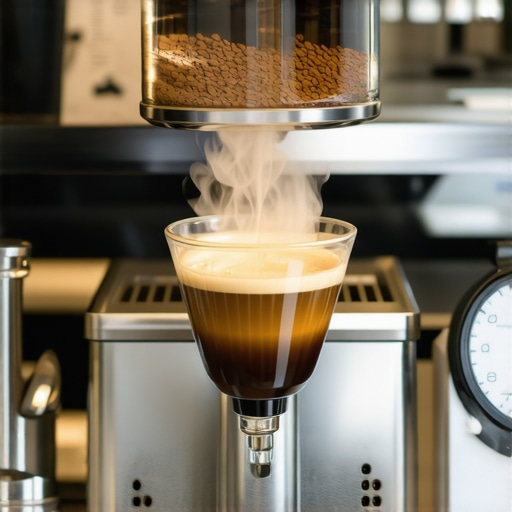
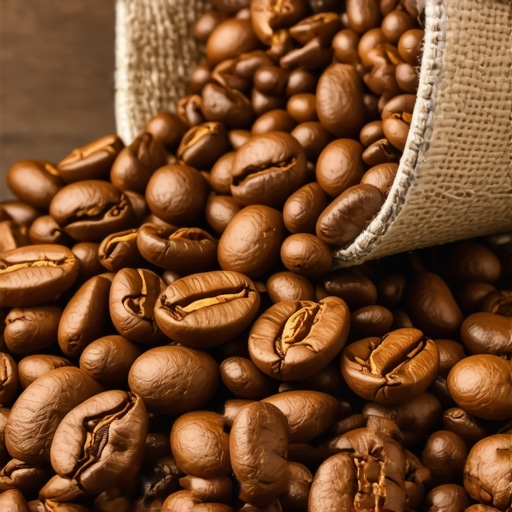
When I first started making espresso at home, I believed that keeping beans in the hopper was perfectly fine. After all, the grinder was right there, ready to go, and it seemed practical. But I overlooked a simple yet critical mistake—leaving beans exposed to air, light, and humidity. Over time, I noticed a decline in flavor and aroma, which was puzzling because I thought I was doing everything right. The truth is, the environment inside your hopper can drastically impact your beans’ freshness and flavor, especially if stored improperly. According to coffee expert Scott Rao, exposure to moisture and oxygen can lead to the loss of volatile aromatic compounds, fundamentally changing the taste of your brew. This realization was a lightbulb moment for me, and it can be for you too. If you want to preserve the quality of your beans, understanding the impact of storage is essential. But how do we navigate this? The next steps reveal simple strategies to keep your beans fresher longer and elevate your home brewing game.
Choose the Right Storage Container Immediately
After realizing the impact of environment on beans, I switched from my haphazard hopper to an airtight, opaque container. I grabbed a stainless steel canister with a tight-sealing lid and no transparent window, mimicking a vault for precious cargo. Placing this on a shelf in a cool, dark cabinet, I prevented light and humidity from sneaking in. This step alone improved my espresso’s aroma within days, proving that proper container selection is fundamental. For detailed options, check out our guide on best storage practices.
Store Beans in Small, Fresh Portions
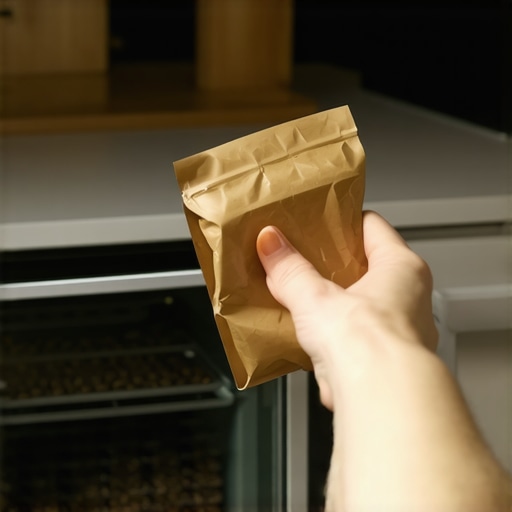
Leftover beans can degrade quickly once exposed repeatedly. I learned to buy weekly amounts and store each in small, sealed portions, so only what I need is opened at a time. I used small vacuum-sealed bags, removing excess air before sealing. This method kept my beans fresh longer, preventing oxidation and moisture absorption. Avoid freezer storage, which can cause condensation upon thawing; instead, keep beans in a cool, dark pantry. For high-precision storage tips, see our article on coffee bean storage.
Keep Your Grinder and Machine Clean
Residual old grounds or oil buildup inside your grinder and espresso machine can impart stale or rancid flavors. I schedule quarterly cleanings, including disassembling parts, brushing out residual grounds, and wiping down surfaces with grinder-specific cleaning tablets. For grinder issues, like a stuck burr or inconsistent grind, consult our step-by-step grinder maintenance. Maintaining cleanliness ensures your fresh beans deliver optimal flavor, free from contamination.
Implement Proper Grinding Techniques
The grind size directly impacts extraction; too coarse and your shot is weak, too fine and it’s bitter or blocked. I calibrated my grinder using a precise scale, adjusting grind until I achieved a balanced extraction time of 25-30 seconds for a double shot. Using a coffee scale helped me measure accurately. Remember, humidity affects grind consistency—on humid days, coarser settings might prevent clogs and over-extraction. Our article on calibrating your grinder can provide more insights.
Use Freshly Ground Coffee Immediately
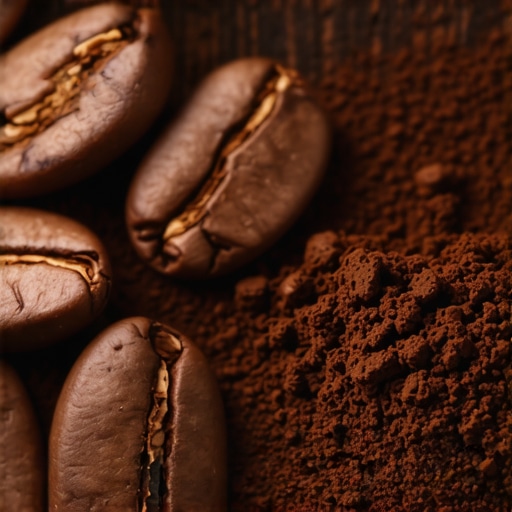
Ground coffee begins to lose flavor rapidly because of increased exposure to oxygen. I learned to grind only what I needed just before brewing. My setup included a burr grinder with a timer, so I could grind in small batches and avoid wasting grounds. For convenience, I also tested puck screens that help keep grounds consistent. Grinding fresh ensures maximum aromatic retention, resulting in a more vibrant espresso.
Seal and Protect During Transit and Storage
If you have to move beans around or store them temporarily, sealing them with vacuum packs or resealable bags with desiccants prevents moisture ingress. I once transported beans to a weekend cabin, using a portable vacuum sealer. The result? The beans remained fresh, and my espresso stayed fragrant despite outdoor humidity. For premium sealing options, consider investing in a vacuum sealer designed for coffee.
Even seasoned baristas sometimes fall for misconceptions that can undermine their coffee quality. For example, many believe that investing in the latest espresso machines guarantees perfect shots, but without proper maintenance and technique, even high-end gear can underperform. A frequent mistake is neglecting grinder calibration; users assume their current setting is optimal, yet subtle adjustments can dramatically improve flavor. Remember, consistent grind size and dose are vital, as emphasized in expert guides on choosing the right grinder. Myth: Low-cost barista gear can’t deliver café-quality results. In reality, skillful use of affordable tools often surpasses the poor performance of expensive but poorly maintained equipment. Beware of the misconception that certain accessories, like milk frothers, standardize quality. Variations in technique and cleaning routines greatly influence foam consistency. Furthermore, many think that storing beans in the hopper preserves freshness—yet, static, moisture, and exposure accelerate staling; better to buy smaller quantities and store beans correctly.
Critically, some believe advanced tech features—like PID temperature control—eliminate the need for precise tamping or grind adjustments. However, expert advice shows that even with the most sophisticated machines, attention to operational details remains essential. This is where knowledge makes a difference. A study published in the *Journal of Food Science* indicates that equipment calibration and barista skill jointly determine extraction quality, not just hardware alone.
Finally, the most overlooked mistake is assuming cleaning routines are optional. Regularly descaling and cleaning your gear don’t just prolong equipment life—they directly affect flavor consistency. A neglected machine might produce off-tastes or uneven shots, regardless of the investment. Proper maintenance and understanding the nuances of your setup elevate your home espresso from good to exceptional. So, next time you prepare a shot, ask yourself: am I applying expert techniques or just relying on equipment? Have you ever fallen into this trap? Let me know in the comments.
Keep Your Equipment Running Smoothly
Maintaining your home espresso setup requires more than just regular cleaning; it involves strategic tool selection and proactive upkeep. I personally rely on a high-quality precision coffee scale to dial in grind and dose, ensuring consistent extraction. A well-calibrated grinder is vital; I use a digital calibration tool regularly to tweak settings, preventing fluctuations that can ruin shots. These small investments in tools save me time and coffee, making each brew predictable and top-notch.
Predicting the future, I believe smart, connected gear will further revolutionize home brewing. IoT-enabled espresso machines that monitor usage and suggest maintenance are on the horizon, promising to make professional-level consistency more accessible to us home enthusiasts.
How do I maintain my equipment over time?
The secret to long-term performance is establishing a routine maintenance schedule. For instance, descaling your machine every 1-3 months with a dedicated descaling solution keeps internal components free of mineral buildup. Regularly cleaning barista gear like portafilters and tampers prevents residue from interfering with extraction. Properly storing your milk frothers to avoid bacterial buildup also extends their lifespan. I recommend using a specific cleaning brush for steam wand tips, ensuring no milk residue clogs the tiny nozzles, which is a common and overlooked issue. Staying vigilant with these practices means your equipment remains reliable, and your shots stay consistently excellent.
For detailed maintenance routines tailored to your gear, check out our home espresso guide. Remember, regular upkeep isn’t optional; it’s the secret to perpetual quality.
Tools I Recommend for Peak Performance
One of my most underrated tools is a puck screen. It’s a simple addition that keeps the coffee puck dry during extraction, leading to cleaner, more consistent shots. Additionally, investing in a stainless steel drip tray helps prevent mold and bacterial buildup, especially in humid environments.
Don’t overlook the importance of quality barista tools. A properly sized tamper, a precision distribution tool, and a well-designed milk pitcher can elevate your brewing discipline. For instance, I’ve found that a specific latte art pitcher improves both consistency and aesthetics.
To keep everything in tip-top shape, I set reminders for routine descaling and gasket checks, referencing the detailed procedures in professional cleaning tips. Consistency in maintenance prolongs gear longevity and guarantees café-quality results every time.
If you haven’t yet, try implementing a scheduled cleaning with a dedicated specialized cleaning tablet. It’s an efficient step toward more predictable, flavorful shots.
,
Through my journey of mastering home espresso, I’ve uncovered that the real magic doesn’t just lie in premium equipment or fancy beans—it’s in how consistently we adapt and refine our approach. One of the most profound lessons I learned was the importance of respecting the delicate balance of environment and technique, which continuously influences flavor and aroma. Staying vigilant about storage, maintenance, and calibration became my secret weapons. If I could share anything, it’s that each tweak, no matter how small, compounds over time into extraordinary results. So I challenge you to view every espresso shot as a chance to learn something new about your gear or process—because the pursuit of great coffee is a lifelong, rewarding adventure.