The Risk of Leaving Your Machine’s Water Intake Tube Dirty
I’ll never forget the Tuesday morning my espresso tasted like a damp basement. I’d just bought a bag of high-end Ethiopian beans and dialed in my coffee grinder to perfection. The shot looked beautiful—thick crema, perfect timing. But the flavor? It was earthy in the worst way possible. I spent an hour scrubbing my portafilter and backflushing the group head, thinking I was a victim of some ghost in the machine. Then, I lifted the lid of my water tank. There it was. A thin, slippery layer of biofilm clinging to the silicone intake tube. It was disgusting. I’d been so focused on mastering the art of home espresso that I had completely ignored the plumbing. Today, I’m going to help you avoid that same stomach-turning realization by explaining exactly what is growing in your machine and how to kill it for good.
Stop Ignoring That Slippery Coating on Your Intake Tube
Most of us are pretty good about wiping down our top-rated espresso machines, but the water intake tube is out of sight and out of mind. It sits submerged in standing water, often in a warm environment near the boiler. This is the perfect breeding ground for biofilm. I used to make the mistake of thinking that because I used filtered water, my machine was sterile. I was wrong. Filtered water actually removes chlorine, which means there is nothing left to stop bacteria from throwing a party in your reservoir. If you touch your tube and it feels even slightly slick, you’ve already got a colony started. This isn’t just about a gritty texture in your espresso; it’s about the health of anyone drinking your brew. Research published in Scientific Reports has shown that coffee machines can harbor a diverse community of bacteria, including Pseudomonas and Stenotrophomonas, which thrive in the damp, nutrient-rich environment of the reservoir.
Is deep cleaning the tubing really worth the effort?
You might think that the heat of the boiler kills everything anyway, so why bother? While the boiler gets hot, the intake tube is where the water starts its journey. Any slime there can break off and clog your pump or, worse, leave behind a funky taste that no amount of expensive beans can mask. I’ve found that learning how to stop your water tank from growing algae and bacteria is the single biggest step toward consistent flavor. Have you ever pulled your reservoir out and been shocked by what you found? I want to know if I’m the only one who let it go too long. Dealing with this now prevents you from wondering why your espresso shot tastes like paper or pond water later. By staying on top of this, you ensure your milk frothers and machines stay in peak condition for years. Let’s look at the simple routine that keeps the slime away.To start, unplug your machine and clear some space on your counter. This seems obvious, but when you are messing with water and the internal components of top-rated espresso machines, safety is the first priority. Carefully pull the silicone intake tube off the nipple or connector. If it is stubborn, do not yank it; a gentle twist usually breaks the seal. Once it is out, soak it in a mixture of warm water and a coffee-specific cleaner or a mild citric acid solution. I avoid heavy vinegar because I have dealt with why your espresso tastes like vinegar after cleaning, and that lingering scent is incredibly hard to kill. While the tube soaks, grab a soft microfiber cloth and wipe the interior of the tank. If you see white crusty spots, it is time to learn how to tell if your water hardness is damaging your boiler, as these minerals provide the perfect anchor for bacteria to latch onto. 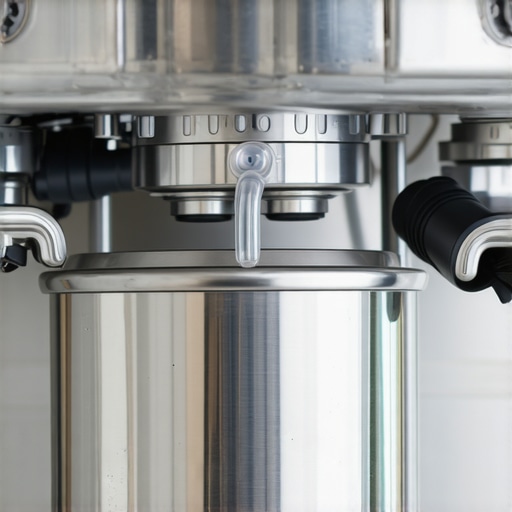
Scrub the Slime Off Your Silicone Tubes
I learned the hard way that a simple rinse is not a deep clean. One Sunday, I decided to go all in and used a tiny brush meant for cleaning reusable straws to scrub the inside of the intake hose. I ended up pushing out a clump of gray slime that looked like it belonged in a science fiction movie. It was a wake-up call that even if the tank looks clear, the inside of the plumbing is where the real drama happens. I once used a stiff pipe cleaner that was too aggressive and it actually pierced the silicone. I had a tiny, invisible leak for weeks that drove me crazy until I realized I was sucking in air. This led to the easy way to tell if your pump is sucking air, which is usually a frantic, loud buzzing sound instead of a smooth hum. Now, I use a dedicated soft-bristled tube brush. This small addition to your kit of choosing the best barista gear for coffee enthusiasts makes the job much safer for your equipment.
Dump the Stagnant Water Before Bed
It is a hard habit to break, but you need to stop the cycle of standing water. There is a specific reason why you should never leave water in your reservoir overnight. Standing water reaches room temperature quickly, and that warmth—combined with the lack of light—turns your tank into a petri dish. Every night, I dump the remaining water, give the tank a quick rinse, and let it air dry upside down on a clean mat. If you keep it dry, the biofilm never gets a chance to establish a home base. This also helps prevent that gritty texture in your espresso that often comes from mineral buildup or bacterial flakes breaking loose.
Incorporate This Into Your Weekend Maintenance
This is not a daily chore, but it should be part of the best routine for a weekend deep clean. While you are already focused on hygiene, it is the perfect time to remember why your machine needs a backflush every single week. Think of it as a total system reset. By cleaning the intake side and the output side via the group head, you ensure the water hitting your coffee is pure. Even if you have perfected your settings on a high-end coffee grinder, a dirty water path will always undermine your hard work. If you use a machine with complex parts, consider how to clean an automatic milk frother without taking it apart to ensure the entire system remains sanitary and your lattes stay fresh.Let’s dig deeper into the nuances of water chemistry, because there is a massive misconception that “cleaner” always means “better.” I see so many enthusiasts who, in an effort to protect their top-rated espresso machines, switch exclusively to distilled water. On paper, it makes sense: no minerals, no scale, no problems. In reality, this is the mistake of using distilled water in your boiler that can lead to a total machine failure. Distilled water is “hungry” water; because it lacks minerals, it physically leaches ions from your copper or brass boiler, leading to pitting and permanent damage. Furthermore, most sensors in prosumer machines rely on electrical conductivity to know when the boiler is full. Since distilled water does not conduct electricity well, your machine might think it is empty and keep heating until the element fries. The truth about using distilled water in your machine is that it needs a balanced mineral profile—not just for the machine’s health, but for extraction. The Specialty Coffee Association (SCA) specifies a total hardness of 50–175 ppm CaCO3 for a reason: without those minerals, your high-end beans will taste flat and lifeless. 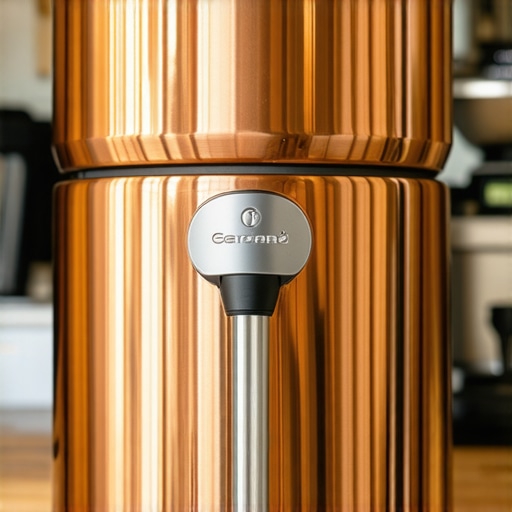
Can water that is too pure actually destroy your machine?
Yes, and it is a silent killer. Beyond the technical failures, the flavor profile suffers immensely. If you have been chasing a ghost in your recipes, check your water first. I once spent a week adjusting how to select the perfect coffee grinder for your brew and tweaking my puck prep, only to realize my water was so soft it could not pull the sweetness out of the beans. It led to why your espresso shot tastes salty and how to fix it.
Stop Cranking Your Portafilter Like a Lug Nut
Another “oops” factor involves the sheer force people use when locking in. There is a common belief that tighter is better for pressure, but why your portafilter handle should never be tightened too far comes down to gasket longevity. If you are reefing on that handle, you are flattening the group gasket prematurely and potentially deforming the brass lugs. It should be a firm, snug fit, not a gym workout.
Ditch the Wet Steam Wand Rag
Finally, let’s talk about the steam wand. I see baristas using the same damp, lukewarm cloth all day. This is a hygiene nightmare. Bacteria love that milk-soaked fabric. Transitioning to how to stop using a wet cloth on your steam wand and opting for dedicated, frequently replaced microfibers prevents that sour smell that ruins milk frothers and steam tips. Have you ever fallen into the trap of over-cleaning with the wrong materials? Let me know in the comments.
Moving beyond the daily wipe-down, we need to talk about the long-term health of your setup. I used to think that as long as the machine turned on, everything was fine. Then I noticed my shots were getting sour regardless of how I adjusted my coffee grinder. It turns out, I had completely neglected my burrs. Steel burrs aren’t invincible; they have a lifespan usually measured in hundreds of kilos of coffee. If you are noticing a lot more fines or a muddy bed, it is time to learn how to tell if your espresso grinder burrs are dull. I personally keep a log of how many bags I go through because the decline in flavor is so gradual you won’t notice it until it is too late. For those who just upgraded, remember the best way to season new grinder burrs fast is to run a few pounds of cheap, oily beans through them to knock off the factory burrs before you try to dial in the expensive stuff.
Don’t Let Your Burrs Become a Dull Memory
Maintenance isn’t just about cleaning; it is about preservation. I’ve started using a technique I call ‘The Purge’ every morning. Before I even think about my first shot, I run the grinder for a split second to clear out the stale grounds from the previous day. This is the move that saves your grinder from unnecessary wear and ensures your palate isn’t fighting yesterday’s oxidation. While you are at it, check your gaskets. According to the La Marzocco Home technical maintenance guide, group gaskets should be replaced every 6 to 9 months because heat makes them brittle. If you wait until you see a leak, you are already too late. I highly recommend learning how to replace a group gasket without scratching the chrome to keep your machine looking brand new while ensuring a perfect seal every time.
How do I maintain my grinder’s precision over time?
The secret isn’t just cleaning; it is calibration. Every few months, I find the ‘true zero’ of my grinder. This prevents the adjustment dial from wandering and keeps my recipes consistent. If you are choosing the best barista gear for coffee enthusiasts, look for grinders with locking mechanisms or high-friction adjustment collars. In the future, I predict we will see AI-integrated sensors that alert your smartphone the moment your particle distribution deviates by more than 5%, effectively taking the guesswork out of maintenance. Until then, we rely on our senses and a regular schedule. If you want to scale your skills, start by perfecting mastering the art of home espresso through data—track your yield, your time, and your cleaning dates.
The Tiny Parts That Keep Your Machine Out of the Repair Shop
We often obsess over the big items like top-rated espresso machines or expensive milk frothers, but it is the $2 o-rings and the $10 screen that dictate your daily experience. I once had a shot taste like metallic ash for a week before I realized my shower screen was clogged with carbonized oils. Now, a quick backflush is part of why your machine needs a backflush every single week. My challenge for you this weekend: don’t just pull a shot. Take five minutes to pull your shower screen off and soak it. You’ll be horrified at what’s hiding behind that stainless steel, but your Monday morning latte will thank you.
Maintaining top-rated espresso machines isn’t just about the exterior shine; it’s about the parts you can’t see. One mistake I made early on was obsessing over grind size while ignoring the scale building up in my boiler. I’ve learned that the mistake of using distilled water in your boiler can be just as damaging as using water that is too hard. Always aim for that middle ground. Also, remember that why the first shot of the day is always a throwaway—it’s about clearing out the stale water sitting in the group head. Finally, don’t fear the screwdriver; learning how to replace a group gasket without scratching the chrome will save you a fortune in professional repairs.
Lessons from the Bottom of the Water Tank
- Conductivity is key: If your machine uses a probe to detect water levels, pure water will confuse it. I once nearly fried an element because my machine didn’t know it was full.
- Biofilm is persistent: Even if you can’t see it, if the tube feels slick, the bacteria is already there. Regular physical scrubbing is non-negotiable.
- Texture reveals issues: A sudden change in your crema or mouthfeel often points to a dirty water path rather than the beans themselves.
The Tools That Make Deep Cleaning Stress-Free
When choosing the best barista gear for coffee enthusiasts, don’t overlook the humble tube brush and a reliable water testing kit. I personally trust a TDS meter to monitor my filtration because how to tell if your water hardness is damaging your boiler is the only way to prevent a total teardown. If you’re struggling with consistency, use the trick to finding the true zero point on your grinder to ensure your adjustments are actually doing what you think they are. These aren’t just gadgets; they are the foundation of a reliable morning brew.
#IMAGE_PLACE_HOLDER_E#
A Better Shot is Just One Scrub Away
Taking the time to care for your setup is the ultimate respect for the craft. When you commit to mastering the art of home espresso, you’re not just making a drink; you’re managing a complex piece of engineering. A clean machine delivers the flavor clarity that even the most expensive coffee grinder can’t fix if the water path is compromised. Your future self—and your taste buds—will thank you for the extra five minutes of maintenance this weekend. Have you ever found a surprising layer of slime in your water reservoir? Let me know your cleaning horror stories in the comments below!