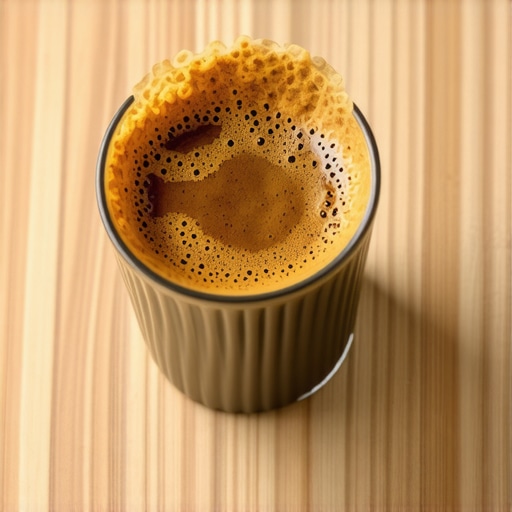
Why Your Espresso Shot Tastes Like Paper
I remember standing in my kitchen last Tuesday, staring at my beautiful chrome machine, holding a cup of what should have been a perfect Ethiopian Yirgacheffe. Instead of the blueberry notes I paid twenty dollars for, it tasted like I was chewing on a damp shipping box. It was frustrating. I had the beans, the pressure was perfect, and yet, there it was: that unmistakable, flat, papery aftertaste that haunts every home barista at some point. If you have ever felt like your morning routine is being sabotaged by a mysterious ‘office supply’ flavor, you are not alone, and you are definitely not crazy. This weirdly common issue is usually the result of tiny oversights in our workflow that have nothing to do with the beans themselves. Today, we are going to hunt down the source of that cardboard funk and reclaim your morning brew.
Your Expensive Beans Deserve Better Than a Cardboard Aftertaste
I spent years thinking my palate was just broken, but the truth is that a papery profile is often a mechanical or chemical byproduct of the environment. When I was first mastering the art of home espresso, I used to leave my paper filters bone-dry because I thought it didn’t matter for such a short extraction time. I was wrong. That dry paper acts like a sponge for all the wrong flavors before the coffee even hits your cup. It is also worth checking if your espresso shot tastes like cardboard because of old residue or stale water sitting in your boiler. According to the Specialty Coffee Association (SCA), water quality and mineral content can significantly alter the perceived sweetness of coffee; water that is too soft or ‘hungry’ can often strip away the delicate oils, leaving behind only the harsh, cellulose notes of the filter. I realized that my own habit of using over-filtered water was actually highlighting the very flavors I wanted to hide.
Is the paper filter really the only culprit here?
It is easy to blame the filter, but the issue often runs deeper into how we treat our gear. Sometimes, the ‘paper’ taste is actually a variation of a gritty texture in your espresso caused by micro-fines that haven’t been properly managed by your grinder. If you haven’t learned how to select the perfect coffee grinder, you might be dealing with inconsistent particle sizes that over-extract certain parts of the puck, leading to that hollow, woody sensation. I once ruined an entire bag of Gesha beans simply because I didn’t realize my burrs were slightly misaligned, causing a weird, thin mouthfeel that I mistook for paper contamination. Have you ever pulled a shot that looked beautiful but tasted like a wet newspaper? Tell me about your most disappointing ‘paper’ shot in the comments—I have a feeling we have all been there. It is time to look past the machine and focus on the chemistry happening inside the basket.
Erase the Paper with a Hard Reset on Your Workflow
To fix a flavor profile that feels like you are licking a shipping box, you have to treat your coffee prep like a chemistry lab rather than a kitchen chore. When you are mastering the art of home espresso, small errors in prep compound quickly. If you use paper filters in your portafilter or a drip brewer, the dry paper fibers contain residual chemicals and dust from the manufacturing process. If you don’t saturate them first, that ‘dust’ is the first thing the hot water extracts. Think of a dry filter like a parched sponge; it will soak up the most vibrant oils and replace them with wood pulp notes before the liquid even hits the cup.
Stop Letting Dry Filters Steal Your Flavor
I remember a Sunday morning when I was rushing through a brew for guests. I skipped the rinse on a fresh pack of white filters. One sip of that ‘special’ roast and I felt like I was drinking liquefied manila folders. It was embarrassing. Now, I never pull a shot without a 200°F rinse. If you use one of the top-rated espresso machines for coffee lovers in 2025, leverage that hot water tap to drench your filter until the water running through it is crystal clear. This simple step preserves the delicate acidity and removes the ‘paper ghost’ from your palate.
Check if Your Grinder is Tearing Instead of Cutting
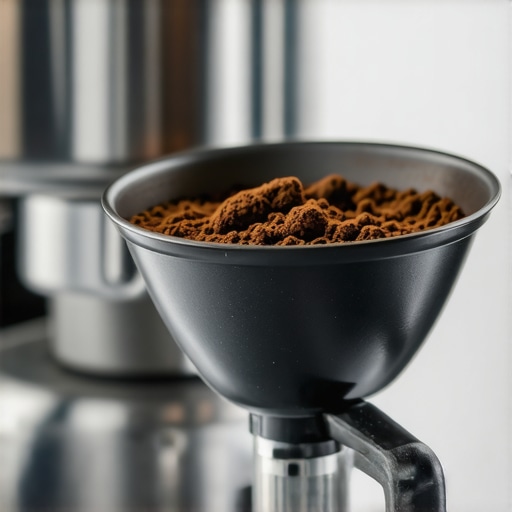
A flat, woody taste isn’t always the paper’s fault. It can be a symptom of dull metal. When you how to select the perfect coffee grinder, you are paying for the sharpness and alignment of the burrs. If your burrs are worn out, they crush the beans into jagged, inconsistent shards instead of clean particles. This creates ‘micro-fines’ that over-extract instantly, leaving you with a hollow, papery bitterness. You can actually learn how to tell if your espresso grinder burrs are dull by rubbing the grounds between your fingers; if they feel like flour mixed with pebbles rather than uniform sand, your grinder is likely the culprit for that cardboard finish.
Scrub Away the Ghost of Old Espresso
Even the most expensive barista gear can’t save a shot from dirty equipment. Coffee oils are volatile and turn rancid quickly, mimicking the taste of old, wet wood. There is a real danger of leaving old coffee oils in your portafilter spouts, where they bake onto the metal and contaminate every fresh shot. I once spent an hour troubleshooting my water source, only to realize a thick layer of ‘coffee sludge’ had built up behind my shower screen. Once I scrubbed it clean, the blueberry notes returned. Additionally, check your water; if it is too soft, it can taste thin and papery. It is worth it to use the easy way to test your machines water hardness at home to ensure you have enough mineral content to actually ‘grab’ the flavor from the beans.Let’s dig deeper into a trap I see even seasoned home baristas fall into: the cult of the endless upgrade. There is a common belief in the community that throwing money at a precision basket or a boutique tamper will magically erase flavor defects. In reality, these high-end tools often act as a magnifying glass for your mistakes rather than a shield against them. If your puck preparation is slightly off, a precision basket will actually make it easier for water to find the path of least resistance, leading to a frustrating scenario where your espresso shot is extracting from only the edges of the basket. Instead of fixing that cardboard taste, you have just highlighted the channeling that causes it.
Seasoning Your Burrs Isn’t Just for Pros
I see people buy top-tier grinders and expect miracles on day one, only to find the flavor profile is inconsistent and ‘dusty.’ The ‘oops’ factor here is skipping the break-in period. You absolutely must learn how to properly season new steel burrs for better consistency. Raw steel burrs have microscopic imperfections that cause friction and produce excessive ‘fines’ until they have had several pounds of coffee run through them. According to research by Barista Hustle, unseasoned burrs can produce a significantly wider particle size distribution, which directly contributes to that hollow, woody mouthfeel we are trying to avoid. If you are judging your new grinder after the first ten shots, you aren’t tasting the machine—you’re tasting the manufacturing residue. 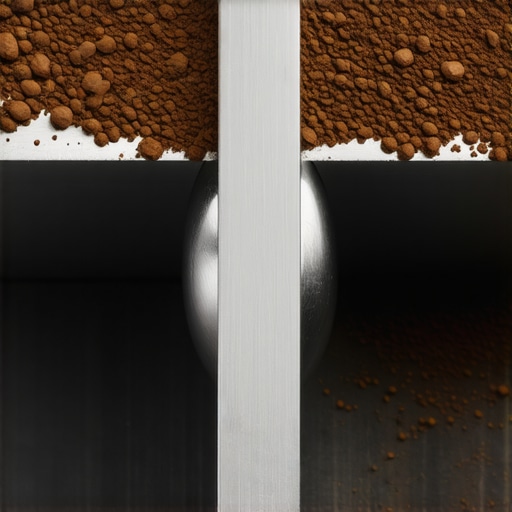
Could your ‘True Zero’ be the reason your shots taste thin?
Finding the actual biting point of your burrs is a nuance that most beginners ignore. If you don’t master the trick to finding the true zero point on your grinder, you are basically guessing your grind size based on a sticker that might have been misaligned at the factory. I spent months pulling ‘okay’ shots because I was scared to bring the burrs together. Once I calibrated, the ‘cardboard’ notes finally turned into rich chocolate. Also, remember the move that saves your grinder from unnecessary wear: always adjust your grind setting while the motor is running. Forgetting this simple step can jam coffee particles between the burrs and throw off your alignment entirely, ruining that precision you paid for.
Stop Blaming the Hardware for Technique Flaws
Even your milk texture can be a source of confusion. Many people wonder why some steam wands have two holes and others have four; it is about managing steam velocity versus volume. If you are struggling with a thin, papery texture in your lattes, it is rarely the milk’s fault—it is usually your aeration angle or steam pressure management. Finally, don’t let your machine die a slow death from neglect. Knowing how to properly lubricate your e61 group head cam is a mandatory skill before you hear that dreaded metal-on-metal squeak that signals internal damage. Have you ever fallen into this trap where new gear actually made your coffee taste worse before it got better? Let me know in the comments.It is easy to get caught up in the romance of the pull, but the reality of home espresso is about 70% cleaning and 30% brewing. I used to be lazy with my backflushing routine until a solenoid valve jammed on me right before a dinner party. Trust me, you want to learn how to spot a failing solenoid valve before it floods your kitchen. It starts with a tiny drip and ends with a pool of water on your mahogany counter. I’ve found that using a simple schedule—backflush with water every day and use a detergent every two weeks—is the only way to keep the internal brass from pitting.
How do I maintain my espresso gear for the next decade?
The secret isn’t just cleaning; it’s monitoring the parts you can’t see. For instance, I keep a close eye on my water throughput. You should regularly learn how to check your espresso machines group head flow rate to ensure scale isn’t choking the boiler’s output. If you see the flow drop below 200ml in 30 seconds (without the portafilter), you’ve got a restriction somewhere. For the grinder, I don’t just rely on the hopper looking clean. I use a dedicated brush and how to clean your grinders discharge chute with a pipe cleaner to remove the stale oils that turn your next shot into a bitter mess. According to technical documentation from Clive Coffee, neglecting the E61 group head lubrication can lead to premature wear of the brass cams, turning a fifty-cent maintenance task into a hundred-dollar repair. 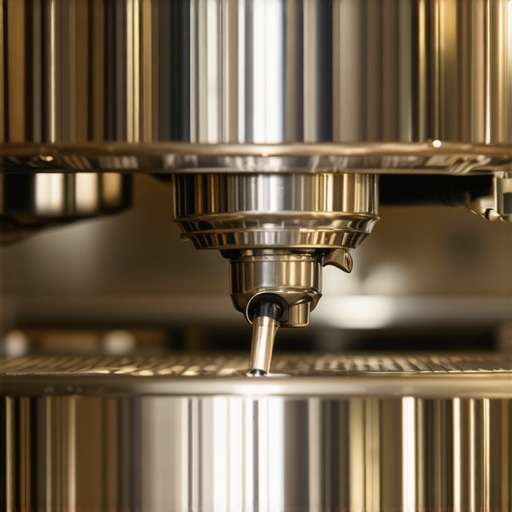 I also highly recommend taking the time to how to calibrate your machines volumetric settings. Most people rely on the factory defaults, but those are rarely accurate for your specific dose. I spent twenty minutes with a graduated cylinder last month, and my consistency has skyrocketed because the machine is finally doing exactly what I want it to do. If your steam wand starts acting up, remember the one way to fix a clogged steam wand without chemicals is often as simple as a long soak in hot water and a dedicated pin tool. Also, if you’re tired of chasing grounds around the room, you can how to stop static from ruining your grinding workflow by using the RDT method—a tiny drop of water on your beans before grinding. Looking ahead, I predict we will see more machines with integrated mineral sensors that lockout the boiler if the water quality is poor. Until then, you are the mechanic. My challenge to you: tonight, check your volumetrics. It’s the easiest way to feel like you’ve upgraded your machine without spending a dime.
What Years of Muddy Shots Taught Me About My Setup
I used to think that as long as I bought expensive beans, the machine would do the rest. I was wrong. The biggest ‘aha’ moment came when I realized that consistency is a byproduct of maintenance, not just a high price tag. If you are struggling with that flat, papery profile, remember that even the top-rated espresso machines for coffee lovers in 2025 will produce a mediocre shot if the internal pathways are coated in old oils. Another hard-earned lesson? Don’t ignore the static. When I finally started using the RDT method to stop static from ruining your grinding workflow, my shots became vastly more predictable. Lastly, stop fearing the ‘waste’ of seasoning. You have to properly season new steel burrs for better consistency or you will be chasing ghosts for weeks.
The Toolbelt That Keeps My Brews Clean
To keep that cardboard funk away, I rely on a few non-negotiables. First, a high-quality grinder is the heart of the operation. If you are still on the fence, learning how to select the perfect coffee grinder is more important than the machine itself. #IMAGE_PLACE_HOLDER_E# I also swear by a simple pipe cleaner for the chute; it’s a low-tech way to ensure no stale grounds are hitching a ride into your portafilter. For those who love milk drinks, a dedicated tool to clean the tiny air hole in your automatic milk frother is a lifesaver to prevent sour, thin textures. I also suggest investing in the right barista gear, specifically a WDT tool, to ensure your grounds are distributed evenly before you even touch the tamper.
Stop Settling for Bad Coffee
You have all the technical knowledge now to banish that cardboard taste from your kitchen forever. Home espresso is a journey of small calibrations, and every ‘bad’ shot is just data telling you what to tweak next. Whether you are mastering the art of home espresso for the first time or you are a seasoned pro cleaning out a clogged valve, the goal is always that perfect, sweet extraction. Don’t let a little bit of paper or a dull burr stand between you and the best cup of your life. What was the one specific change that finally killed that papery taste in your morning brew? Let me know in the comments below!