
The Secret to Pulling Sweet Shots from Very Dark Roasts
I stared at the portafilter, the thick, oily crema looking like liquid obsidian. I took a sip, expecting a comforting hug in a mug, but instead, it felt like I’d licked the inside of a chimney. It was bitter, ashy, and frankly, heartbreaking. For years, I avoided the dark side of the menu because I thought it was a one-way ticket to bitterness. I blamed the beans. I blamed my machine. I even blamed my water. But here’s the truth: I was the one messing it up. Today, we’re going to fix that. I’m going to show you how to coax out those hidden notes of toasted marshmallow and dark chocolate that are currently buried under all that carbon.
My Early Morning Fight with a Bag of French Roast
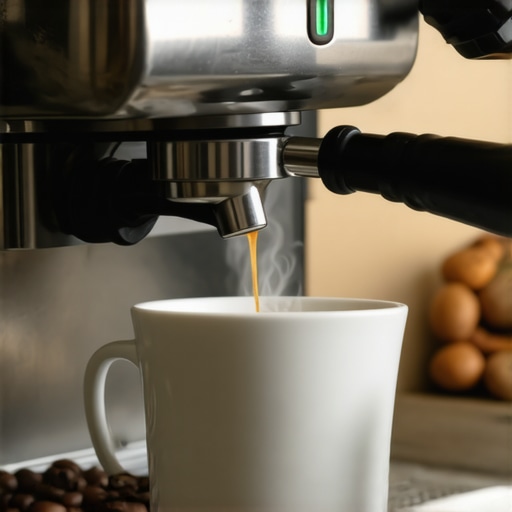
Early in my journey of mastering the art of home espresso, I made a classic amateur move. I treated a bag of oily French roast exactly the same way I treated a light-roast Ethiopian Yirgacheffe. I cranked the heat, ground it fine, and pulled a standard 1:2 ratio. The result? Pure liquid coal. If you’ve ever wondered why your espresso tastes like burnt rubber, you’re likely fighting the same battle I was. Dark roasts are fragile. They’ve already spent a lot of time in the roaster, which makes them incredibly brittle and easy to over-extract. They don’t need a beating; they need a gentle touch.
[image1]
Can These Oily Beans Actually Taste Good?
I know what you’re thinking. If the beans are already ‘burnt’ by the roaster, isn’t the bitterness just part of the deal? It’s a fair question. Many enthusiasts stick to medium roasts because they’re perceived as safer for the palate. However, there is a specific, decadent sweetness in a well-pulled dark roast that you simply cannot get elsewhere. The trick is understanding that these beans are basically sponges. According to the Specialty Coffee Association (SCA), the cellular structure of dark-roasted coffee is much more porous and soluble than lighter roasts. This means the water gets in, grabs everything—the good and the bad—and gets out much faster than it would with a harder bean.
Why Your Standard Routine is Killing the Flavor
The first mistake I made—and the one I see most neighbors making—is using water that is far too hot. If your machine is set to the standard 200°F (93°C), you are effectively scalding those delicate oils. When I finally swallowed my pride and dropped my boiler temperature down to 185°F, the clouds parted. Suddenly, that charcoal flavor became baker’s chocolate. You also need to be careful with your equipment. Learning how to select the perfect coffee grinder is crucial here because dark roasts produce a lot of fines, which can clog your filter and lead to bitter over-extraction. Have you ever faced a shot that looked perfect but tasted like a campfire? Let me know, because I’ve been there more times than I’d like to admit. Even if you use the secret to using a manual lever machine for dark roasts, the fundamentals of temperature and grind remain your best friends.
Kill the Heat to Save the Chocolate
The biggest lever you have is temperature. Think of a light roast like a hard carrot that needs boiling water to soften, while a dark roast is more like a delicate piece of fish that will overcook in seconds. If your water is too hot, you’re extracting the ‘burnt’ characteristics of the roasting process rather than the sugars. When I dropped my machine from 200°F to 188°F, the change was immediate. The harsh, biting finish disappeared. If your machine doesn’t have a PID to control temperature, you can try the ice water hack for stopping a bitter extraction to manually cool things down. It feels counter-intuitive to go low, but with oily beans, heat is your enemy.
Give Those Brittle Beans Some Breathing Room
When I first started using oily beans, I kept my grinder at the same setting I used for my light roasts. Big mistake. Dark roast beans are like dry crackers; they shatter into a million tiny particles the moment the burrs touch them. If you grind too fine, you’re creating a literal wall of mud that the water can’t get through. I remember one Tuesday morning where my machine choked so hard that I actually thought I’d broken the pump. Turns out, I just needed to back off the dial. You should aim for a slightly coarser grind than usual to keep the flow steady. If you notice your coffee grounds are clumping together, that is a flashing red light that your grind is either too fine or your static is through the roof. Aim for a flow that looks like warm honey, not a slow, painful drip.
Short and Sweet Wins the Race
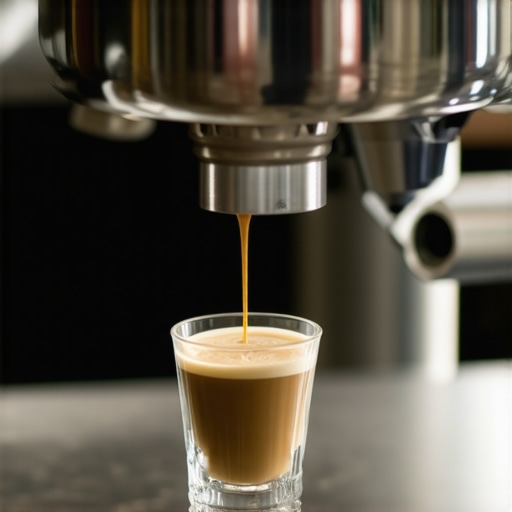
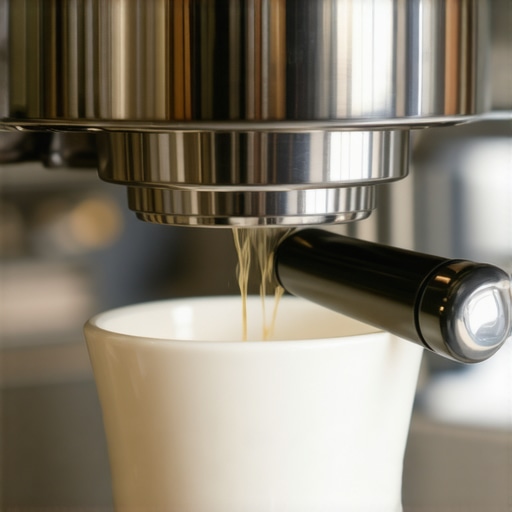
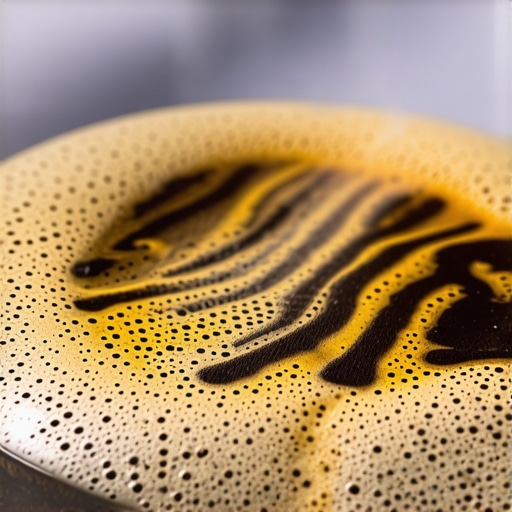
Forget the traditional 1:2 ratio for a moment. With a dark roast, the last third of the shot is usually where all the ashy, ‘burnt rubber’ flavors live. I once did a side-by-side test where I pulled a 40g shot and a 30g shot from the same 20g dose. The 40g shot was a chore to drink, but the 30g shot? It tasted like a melted Snickers bar. By pulling a ‘ristretto’ or a tighter 1:1.5 ratio, you stop the extraction before the woody, bitter compounds take over. This is also why identifying under-extracted espresso by the color of the stream is so important; with dark roasts, you want to cut the shot the second you see the stream start to ‘blonde’ or turn translucent. If you wait for the timer, you’ve already lost.
Stop Crushing Your Coffee into Submission
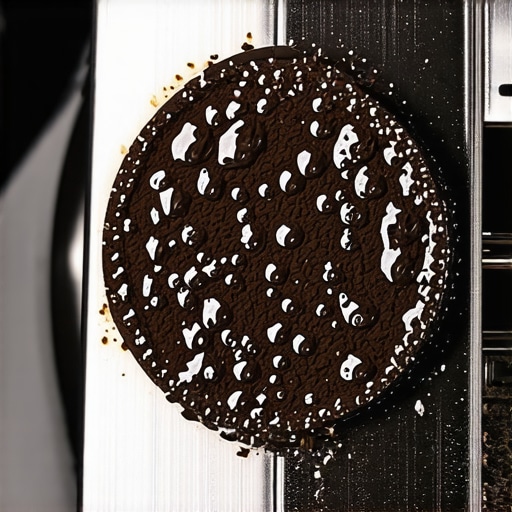
Because dark roasts are so soluble, your tamping technique matters more than you think. You don’t need to put your whole body weight into it. I used to think I was a Victorian weightlifter every time I prepped a puck, but all I was doing was creating massive channeling. Use a light, level press. If you’re struggling with wrist pain, check out the simple hack for a more ergonomic tamping position to keep your prep consistent. A light touch ensures the water moves evenly through the porous beans rather than finding a weak spot and blasting a hole through the center. If you still see spray, you might need to investigate why your bottomless portafilter shows channels every time despite your best efforts. Remember, we are trying to coax flavor out, not squeeze it out by force.
The deeper I went into the world of oily beans, the more I realized that most of the ‘standard’ advice is actually geared toward light roasts. We are told to aim for high pressure, high temperatures, and perfectly manicured pucks, but those rules often fall apart when your beans look like they’ve been dipped in engine oil. The nuance isn’t just in the bean; it’s in how you manipulate your hardware to compensate for that fragility.
The 9-Bar Myth That Bittered My Mornings
For years, I believed that 9 bars of pressure was a sacred law. However, with dark roasts, that high pressure often acts like a sledgehammer on a glass sculpture. Because the beans are so porous, 9 bars of pressure can force the water to find ‘paths of least resistance’ too quickly, leading to massive channeling. I’ve found that dropping my pump pressure to 6 or 7 bars results in a much creamier, more balanced shot. If you can’t adjust your pump, you might find that your bottomless portafilter shows channels every time because the pressure is simply too high for the delicate structure of the coffee. Have you ever fallen into this trap? Let me know in the comments.
Stop Trusting Your Grinder’s Calibration for Oily Beans
One thing nobody tells you is that why your grinder makes more mess with dark roast beans is usually due to the higher oil content and static. This oil acts like a glue for fine particles, leading to inconsistent dosing. To combat this, many advanced users turn to alignment hacks. I personally used the tinfoil shim move for perfectly aligned grinders to ensure my burrs were meeting at the exact same point across the entire surface. If your burrs are even slightly off, you’ll get a mix of boulders and dust, which is a one-way ticket to a bitter cup. Also, a quick pro-tip: you should never use rice to clean your high-end grinder because the starch can bond with the coffee oils and create a cement-like paste inside your burr chamber.
Why does your shot taste like pennies after a deep clean?
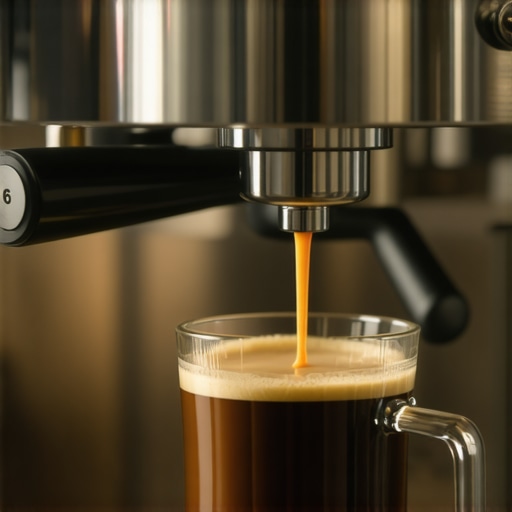
I once spent a whole afternoon descaling my machine, only to find the next morning’s latte tasted like I was chewing on a copper pipe. This is a common advanced headache. Understanding the reason your espresso tastes metallic after descaling is crucial; usually, it’s because the citric or tartaric acid has stripped away the protective ‘seasoning’ of coffee oils, or worse, it hasn’t been rinsed properly from the boiler. For dark roasts, which already have a heavy body, this metallic edge is incredibly distracting. To avoid this, I always recommend the best way to descale a boiler without using harsh vinegar, which can linger for weeks. According to a study in the Journal of Agricultural and Food Chemistry, the mineral composition of your water—specifically the balance of magnesium and calcium—can either highlight the chocolatey notes of a dark roast or turn them into an acidic, metallic mess. If you’ve been cleaning diligently but the taste is ‘off,’ your water chemistry is likely the culprit.
The Cleaning Trap That Ruins Your Seals
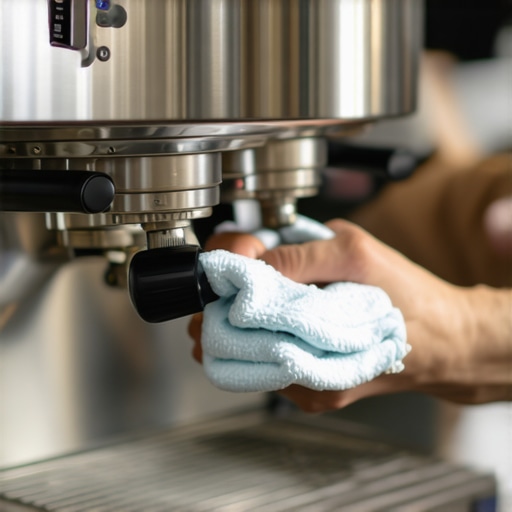
In our quest for the perfect shot, we often over-clean. I learned the hard way that aggressive detergents can be a death sentence for your machine’s internals. I made the dish soap mistake that ruined my group head seal early on. The harsh degreasers in common soaps strip the necessary lubrication from the rubber, causing it to crack and leak. When dealing with oily dark roasts, you need to clean often, but you must use products designed specifically for espresso machines that won’t compromise the integrity of your gaskets.
If you think the seal on your group head is the only thing at risk, think again. Those same oils that give your dark roast that beautiful body are also acting as a slow-moving glue inside your grinder. I learned this the hard way when my high-end burrs started seizing up. It wasn’t a mechanical failure; it was a lack of vigilance. When you’re consistently running oily beans through some of the top-rated espresso machines for coffee lovers in 2025, you need to be more proactive than the average user. I personally rely on the cotton swab trick for cleaning hidden grinder crevices every Sunday morning. It sounds obsessive, but if you don’t get into those tiny nooks, the oils will turn rancid, and every fresh shot you pull will have a funky aftertaste that no amount of dialing in can fix.
Don’t Let Rancid Oils Quietly Kill Your Flavor
The problem is that these oils are stubborn. They don’t just wash away with a quick rinse. They build up in your steam wand, too. I’ve seen enthusiasts wonder why their foam feels thin, only to realize the internal diameter of their tip has shrunk by 20% due to dried milk and coffee residue. Integrating the 2-minute habit that prevents clogged steam wands is non-negotiable if you want consistent texture. As pointed out in the La Marzocco Home preventive maintenance guide, the accumulation of coffee solids behind the shower screen is the number one cause of solenoid valve failure in home machines. If you neglect this, you’ll eventually find why your group head gasket is leaking after just one month—the pressure simply has nowhere else to go but out the sides.
How can I maintain this performance for the long haul?
Consistency comes down to the tools you use to measure your progress. I don’t just mean a scale. I mean diagnostic tools. For example, I’ve found that using the flashlight move for finding hidden channeling paths is the only way to truly see if your puck prep is holding up to the higher solubility of dark beans. If you’re using manual equipment, don’t forget the mechanical side; learning how to stop the squeak in your manual coffee mill can prevent premature wear on the axle and bearings. Maintenance isn’t a chore; it’s the price of entry for elite espresso. I predict that in the next few years, we will see a massive shift toward ‘smart’ maintenance sensors in home machines that can detect scale buildup and oil polymerization before it ever hits your cup.
My final piece of advice for anyone wrestling with the dark side of the menu is to stay curious. The moment you think you’ve ‘solved’ a bean is the moment your technique starts to slide. The gear we use is more capable than ever, but it still requires a human touch to keep the gears turning smoothly. Go grab a bright LED right now and try that flashlight trick on your next shot—you’ll be shocked at what you actually see happening in the basket.
Lessons from the Bottom of a Burnt Portafilter
After years of wrestling with charcoal-flavored shots, I finally had a series of lightbulb moments that changed everything. First, I realized that oily beans are not the enemy; they are simply misunderstood. If you find your shots are consistently harsh, remember that a dark roast is more brittle and releases its compounds almost instantly. I learned that you cannot treat a French roast like a light roast and expect a miracle. Second, your grinder is more important than your espresso machine. If you are struggling with inconsistent flow, it is often because of how those brittle beans shatter into dust. Finally, don’t be afraid to break the rules. If the standard 30-second shot tastes like a chimney, cut it at 20 seconds. Some of my best lattes came from shots that ‘purists’ would call failures.
The Gear and Guides That Actually Make a Difference
To really master this niche of coffee, you need the right tools and a bit of specialized knowledge. Here are the resources I swear by:
- The Right Burr Set: Knowing how to select the perfect coffee grinder is the foundation of everything. For dark roasts, you want burrs that produce fewer ‘fines’ to prevent that muddy, bitter over-extraction.
- Texture is Key: If you prefer milk drinks, using high-quality milk frothers that transform your coffee experience can help mask some of the natural bitterness of a dark roast with creamy sweetness. I also recommend learning the secret to steaming alternative milks without the bubbles if you are avoiding dairy, as oat milk pairs beautifully with dark, chocolatey notes.
- The Specialty Coffee Association (SCA): Their protocols on water chemistry and extraction ratios are the gold standard. Even if you are just dialing in decaf without losing your mind, their scientific approach will save you hours of frustration.
#IMAGE_PLACEHOLDER_E#
Turn Your Kitchen into a High-End Espresso Bar
Embracing the challenge of dark, oily beans is one of the most rewarding parts of mastering the art of home espresso. It takes patience, a willing palate, and a willingness to get your hands a little oily during maintenance. Don’t let a few bitter shots discourage you. Every ‘bad’ extraction is just a data point that gets you closer to that perfect, syrupy, toasted-marshmallow shot you’ve been chasing. Your machine is capable of greatness; it just needs you to lead the way. Have you ever managed to make a deep French roast taste like liquid chocolate? What temperature worked for you? Let me know in the comments below!