Why Your Dark Roasts are Jamming the Grinder Auger
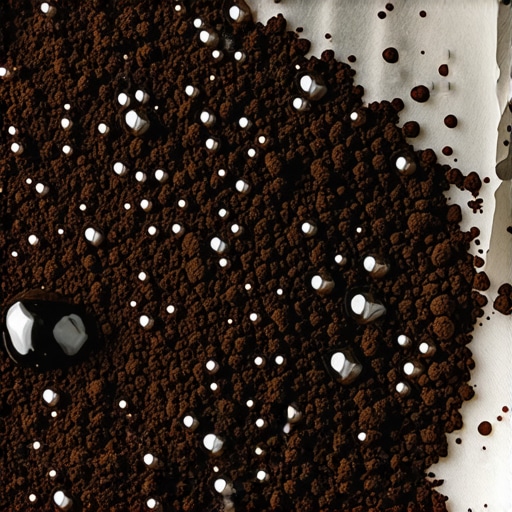
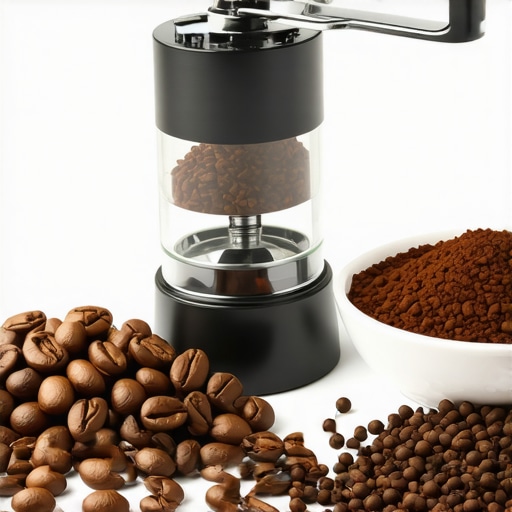
I remember the frustrating morning when I finally decided to upgrade my home espresso setup. As I eagerly ground my favorite dark roast beans, suddenly the grinder stopped—no noise, no movement—just a stubborn jam that made me rethink everything. That moment was a real lightbulb: dark roasts, with their oily, sticky oils, are notorious for clogging grinder augers, turning what should be a quick process into a tedious chore.
Dealing with the Challenge of Dark Roast Clogging
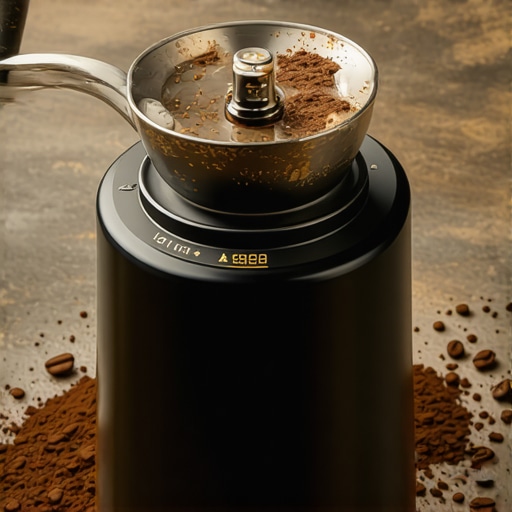
Dark roasts are rich in oils that enhance flavor but can also cause serious issues for your grinder. Those sticky residues tend to build up in the auger, creating blockages that slow down or completely stop your grinding process. After battling repeated jams, I learned that this problem isn’t unique to me—many home baristas encounter this hurdle and wonder if their grinder is malfunctioning or if they need to invest in a new machine.
But here’s the good news: I’ve discovered effective ways to prevent and solve this issue, helping your grinder run smoothly and your coffee taste better than ever. We’re going to dive into practical tips that will keep your grinder healthy, no matter how oily your dark roasts are.
Is It Really Worth All This Fuss Over Oil-Slicked Beans?
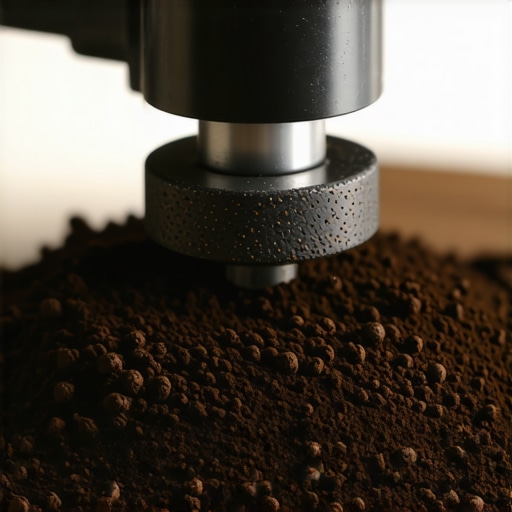
Some skeptics might think, “It’s just a little oil; how bad can it be?” Believe me, I made that mistake early on—thinking I could just wipe away the oil after each use. Turns out, that’s a quick way to overlook the real problem, which is the tiny oily particles that stubbornly cling to your grinder’s components, causing accumulation and clogging over time.
According to industry experts, regular maintenance and cleaning are crucial for preventing oily build-up and extending the life of your grinder. Neglecting this can not only jam your machine but also diminish bean flavor and aroma. So, if you’ve been frustrated by consistent blockages, you’re not alone—and more importantly, there’s a solution.
Now that I’ve shared my story, let’s get into the methods that will keep your grinder turning smoothly and your dark roasts flowing effortlessly. Keep reading, because your next perfect shot could depend on it.
Clean Your Grinder Regularly to Remove Oil Buildup
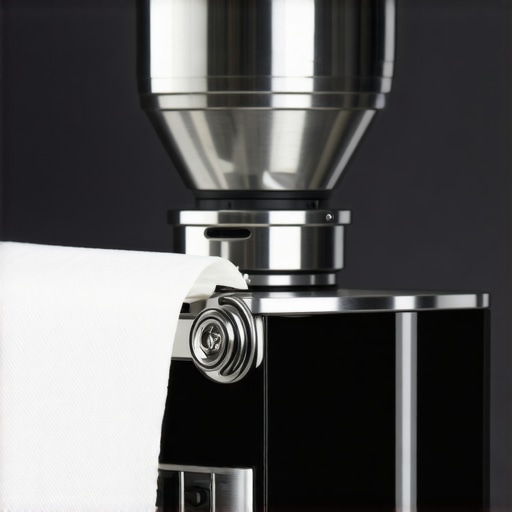
Start by unplugging your grinder to ensure safety. Remove any accessible hopper components and empty the beans. Use a dry brush or a soft cloth to sweep away loose coffee grounds and oils from the burrs and chute. For stubborn residues, run grinder cleaning pellets through the machine following the manufacturer’s instructions. This prevents the sticky oils from hardening and causing jams over time.
Apply a Grinder Cleaner for Deep Cleansing
Once a month, perform a deep clean using a specialized grinder cleaner. These cleaner pellets or powders are designed to dissolve oily residues thoroughly. Pour the cleaner into your grinder with no beans and run it as if grinding coffee. This process breaks down built-up oils, ensuring your grinder remains clog-free. Remember to wipe down all parts afterward with a dry cloth.
Use Proper Grinder Settings and Technique
Adjust your grinder to a coarser setting when working with dark roasts. Fine grounds tend to trap more oils, increasing the risk of blockages. Consistently tamping the beans evenly also reduces the chance of oil accumulation in specific areas. When grinding, avoid overloading the chute to prevent pressure buildup that can push oils into seams. Regularly inspect the grind pathway for signs of oil residue and clean as needed.
Switch to Oil-Resistant Components If Possible
If your grinder has parts made from plastic or rubber that contact oily residues, consider swapping them for oil-resistant materials. Some high-end models offer metal or ceramic components that resist oil corrosion better. This investment can prolong your equipment’s lifespan and reduce clogging incidents.
Implement a Post-Use Maintenance Routine
After every grinding session, wipe down exposed components with a dry cloth to remove surface oils. If you notice a sticky film forming, perform a quick dry brush or run a short cleaning cycle. Keep a small container of grinder cleaning pellets handy for quick maintenance. This habit prevents the oils from setting and turning into a stubborn obstruction, saving you time in the long run.Many coffee enthusiasts believe that choosing the most expensive espresso machine guarantees perfect shots, but in my experience, the real secret lies in understanding your equipment’s nuances. For example, there’s a widespread myth that higher pressure always leads to better extraction, yet experts like Scott Rao emphasize that optimal pressure varies depending on machine and grind size, and chasing higher psi can actually harm flavor and clog your equipment if not calibrated properly. This misconception can lead you to over-tighten your portafilter or over-pressurize, causing uneven extraction and bitter notes. Additionally, many fall into the trap of thinking that more powerful grinders automatically produce superior espresso, but in reality, grinders with better burr geometry or micro-adjustments often outperform higher wattage models that lack precision. Understanding these subtleties is crucial to honing your craft. Did you know that improper cleaning routines can also be a silent culprit? Using harsh chemicals or neglecting routine maintenance can corrode components or leave residues that taint the taste of your espresso, a mistake I learned the hard way. For advanced home baristas, it’s vital to invest in quality tools and master their maintenance—like regularly cleaning your steam wand to prevent milk buildup, which can be surprisingly damaging over time (more on this here). One of the most overlooked aspects is the importance of water quality; many assume any tap water suffices, but minerals and impurities can clog your machine and impair flavor. Using filtered or soft water ensures smoother operation and better-tasting coffee. As you’re upgrading your setup, don’t forget: selecting the right grinder with consistent grind size and minimal static matters more than just wattage. For those ready to dive deeper into equipment optimization, exploring models on the top-rated espresso machines list can help you make an informed choice. Remember, mastery comes from understanding both the equipment and its common pitfalls—so keep questioning assumptions, and your espresso game will improve dramatically.Maintaining your espresso equipment over time requires more than just regular cleaning; it demands the right tools and a strategic approach to ensure consistent performance. Personally, I swear by the Eugene Grinder Maintenance Kit, which includes precision brushes and cleaning tablets designed specifically for high-quality burr grinders. These tools let me reach into narrow spaces and remove stubborn coffee oils without disassembly, saving time and preserving grind consistency.
Another essential item is a precision calibration weight, which I use monthly to verify my grinder’s dose accuracy. Consistent dose weight prevents overloading and uneven extraction, giving me predictable results shot after shot. Combining these with routine cleaning on a schedule tailored to your bean type and usage frequency creates a resilient setup that minimizes breakdowns.
How do I maintain my espresso gear over time?
It’s crucial to develop a routine that encompasses cleaning, calibration, and inspection. Regularly check the gasket seals and replace them when they show signs of wear—this prevents leaks that can cause pressure drops, as discussed in this guide. For milk frothers, I recommend using a dedicated cleaning brush designed for tiny steam wand holes to prevent blockages, which can be a silent culprit in flavor degradation. Also, consider investing in top-rated espresso machines that incorporate modular components for easier maintenance and upgrades, future-proofing your setup.
For long-term results, keep detailed logs of filter changes, descaling sessions, and performance notes. This data helps identify recurring issues and informs when parts need replacement before problems escalate. As trends point toward smart, connected machines—some models now offer app-based maintenance alerts—you should evaluate whether upgrading to a smart machine fits your needs, especially if you want to keep your setup in top shape with minimal manual effort. Regularly updating your tools and following manufacturer maintenance advice will keep your gear running smoothly, saving you costly repairs and ensuring every cup is as good as the first.
By embracing these maintenance routines and trusted tools, you can enjoy consistently excellent espresso, save money on repairs, and extend the lifespan of your equipment. Take the time to invest in quality cleaning and calibration tools—your taste buds will thank you and so will your wallet. For more insight into optimizing your gear, visit this resource and start elevating your home barista game today.
The Toughest Lessons From My Espresso Journey
Over time, I realized that even the most experienced home baristas encounter surprises—like discovering that certain dark roasts can turn your grinder into an obstinate obstacle. The key insight I gained was to see these challenges not as setbacks but as opportunities to refine my routine, embrace proper maintenance, and choose smarter tools. Embracing patience and continuous learning transformed my coffee experience from frustrating to fulfilling, proving that mastery isn’t about perfection but persistence and curiosity.
My Go-To Arsenal for Coffee Confidence
Among my trusted resources are the best barista gear picks, which help me ensure my equipment always performs at its best. The top-rated espresso machines list has been invaluable when considering upgrades, especially when I want reliable, efficient performance. Additionally, I often refer to detailed guides on cleaning and calibration, which keep my setup in pristine condition—saving me time and money in the long run.
Your Espresso Future Starts Now
Thinking about upgrading your gear or refining your routine? Remember, the journey to exceptional espresso begins with understanding your machine’s quirks and embracing regular maintenance. Challenges like oily bean buildup are simply part of the process—each fix brings you closer to coffee nirvana. So, keep experimenting, stay curious, and let every shot teach you something new. The world of home espresso is waiting for your next breakthrough—are you ready to take it?