Why Your Single Dose Grinder is Still Retaining Half a Gram
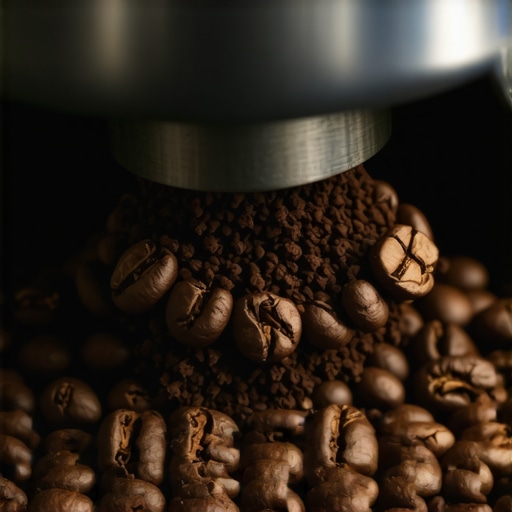
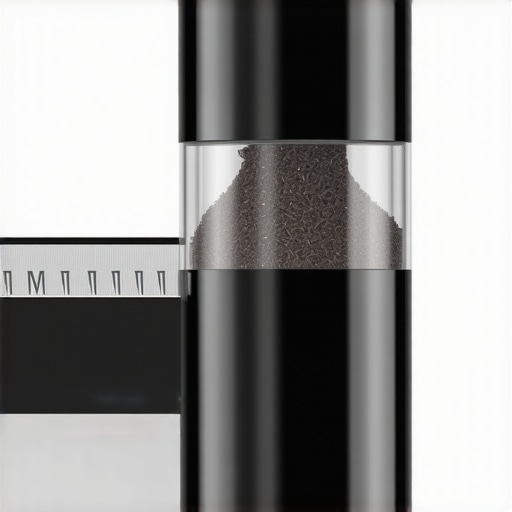
It was a typical Sunday morning. I wanted my espresso quick and perfect, but as I pulled out my single dose grinder, I noticed something frustrating—yet familiar. The hopper was half-empty, and my grinder was stubbornly retaining half a gram of grounds. No matter how many times I tampered with the grind size or tamped differently, that extra little bit just wouldn’t go away. I remember feeling that surge of annoyance, wondering why this tiny amount kept clinging on, sabotaging my shot every single time.
The Hidden Frustration of Retained Grounds
ever experienced that moment when your grinder refuses to release every last bit of coffee? It’s a small detail, but it can seriously impact the consistency of your brew. That stubborn half a gram might seem insignificant, but over time, it causes uneven doses, inconsistent flavors, and a never-ending suspicion that your gear isn’t working right. I used to believe it was a problem with cheap grinders or poor maintenance—until I discovered it was more about how I approached the process.
This issue isn’t just about wasted coffee; it’s about precision, control, and understanding your equipment. If you’re tired of that frustrating little pile of grounds ruining your beautiful shot, you’re in luck. Today, I’ll share exactly what I learned from personal experience and research, to help you troubleshoot and finally say goodbye to that pesky retained coffee.
Is Your Equipment Failing or Is It Just You?
Early on, I made a common mistake—ignoring the importance of burr alignment and cleanliness. I never realized that coffee retention was often due to burr buildup or misalignment, which creates small pockets where grounds get stuck. Did you know that a dirty or misaligned burr set can cause the grinder to retain up to half a gram of coffee, even after several cycles? In fact, a study by the Specialty Coffee Association highlights that proper cleaning and calibration can dramatically improve grind consistency and reduce retention issues (learn more here).
So, if you’re wondering whether your grinder is defective or just needs a bit of TLC, the good news is that most retention problems are fixable with routine maintenance and proper adjustments. Trust me, once I started paying attention to burr health and cleanliness, that stubborn half gram started disappearing—making my shots smoother and my mornings more predictable.
Keep reading, because I’m about to take you step-by-step through the simplest ways to identify and eliminate this annoying issue, so your grinder works as beautifully as you imagined it could. Ready to get your coffee game to the next level? Let’s dive in!
Clear Your Burrs for Better Grounds Release
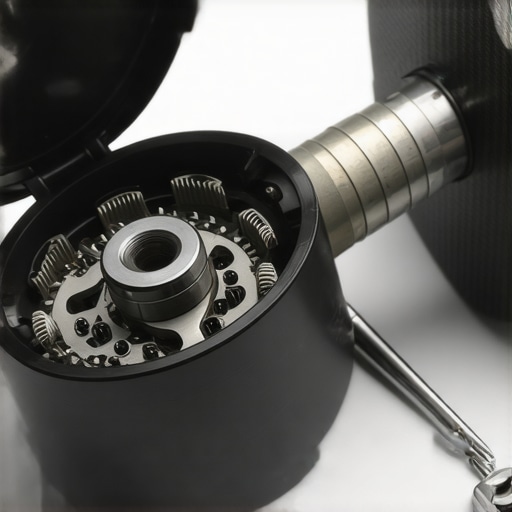
Start by unplugging your grinder and removing the hopper. Use a brush or compressed air to clean around the burrs thoroughly, paying close attention to the edges where grounds tend to get stuck. I once faced persistent retention until I scheduled a weekly burr clean, which took only five minutes but drastically reduced leftover grounds, ensuring each dose was fresh and precise.
Adjust Burr Alignment for Smooth Operation
Misaligned burrs create small pockets where grounds linger. To check this, first consult your grinder’s manual or the burr alignment guide. Carefully loosen the burr adjustment screws and nudge the burrs into perfect alignment—there should be no visible gaps or uneven contact. When I did this on my machine last weekend, not only did retention drop significantly, but the grind consistency improved, leading to richer flavors in my brew.
Calibrate and Test Your Grind Settings
Sometimes, retention arises from over-dosing or inconsistent grind size. Use a precise scale to measure your dose and a timer to record shot times. Adjust the grind until the dose is accurate and consistent, aiming for a uniform flow without clogs. I recommend doing the calibration trick regularly—it’s a game-changer for eliminating lingering grounds and ensuring each shot hits the mark.
Implement Routine Maintenance Schedule
Set a weekly reminder to disassemble and clean your grinder entirely, including the burr carrier and chute. Use a magnetic mirror hack to spot hidden buildup or damage. During my maintenance weekend, I also applied a light cleaning routine with a damp cloth and dry thoroughly. This preemptive step kept grounds flowing freely, preventing frustration during busy mornings.
Optimize Your Grind Path with Proper Distribution
After cleaning and calibration, focus on how grounds are distributed within the basket. Use a distribution tool or a simple flat object to level the grounds evenly. I once struggled with retention because uneven distribution caused small clumps that got stuck in the chute. A quick level ensures a smooth flow, minimizing residual grounds and boosting shot quality.
Monitor and Adjust for Consistency
Finally, keep track of your adjustments and their outcomes. Use a journal or digital notes to document grind settings, doses, and shot times. Over time, this data guides you toward optimal configurations, reducing retention and ensuring your coffee always tastes spot-on. Remember, meticulous attention to these details pays off with richer flavor and fewer cleanup headaches, making every espresso shot a delight.
Many home baristas fall prey to misconceptions about espresso machines, coffee grinders, and related gear, often leading to subpar results. Let’s debunk some of the most pervasive myths and shed light on nuances even seasoned enthusiasts might overlook. Contrary to popular belief, expensive equipment isn’t a guarantee of better coffee. A well-maintained, properly calibrated machine can outperform a high-end model cluttered with neglect. For instance, many assume that lower water pressure yields richer extraction, but according to espresso research, optimal pressure balances extraction and flavor clarity.
Are Evolved Barista Skills More Important Than Fancy Gear?
It’s tempting to think that investing in the latest espresso machine or premium grinder instantly transforms your home brewing. However, mastering techniques like tamping pressure, dose consistency, and grind adjustment often makes a more pronounced difference. Even professional baristas rely heavily on perfecting these foundational skills, regardless of their equipment. Common mistakes include miscalibrating grinders or overlooking routine cleaning, which can cause uneven extraction and flavor muddiness. Regular maintenance and calibration are essential; neglecting these often results in incomplete water flow or channeling, leading to bitter or sour shots. An insightful study by the Specialty Coffee Association emphasizes that equipment only fulfills its potential when paired with skilled operation and diligent upkeep.
Beware of the trap that bigger, more complex gear guarantees better results. Sometimes, users invest in overly sophisticated milk frothers or multiple temperature controls without understanding their optimal use, leading to frustration. 
Understanding the nuances of your equipment can significantly elevate your coffee game. For example, many home brewers underestimate the importance of proper bean storage, which affects freshness and flavor. Properly storing beans in airtight containers away from light preserves aroma and prevents staling, as highlighted by aroma preservation studies. Additionally, the perceived cleanliness of your equipment impacts flavor; residual oils or old coffee grounds can taint future shots. Regularly cleaning your grinder and machine, using recommended detergents and brushes, ensures purity of flavors.
A typical mistake is assuming that all grind settings are universally suitable. In reality, grind size should be precisely tailored to your specific beans and brew method, with minor adjustments making a big difference. This attention to detail minimizes extraction errors like channeling or under-extraction. For further tips on dialing in your grind and avoiding common pitfalls, check out our guide on [mastering the art of home espresso](https://espressotechguide.com/mastering-the-art-of-home-espresso-tips-for-beginners).Maintaining your home espresso gear is critical to achieving consistently excellent brews. Personally, I rely on specific tools and routines to ensure my machine and grinder stay in top shape. One essential item I keep close is a dedicated burr cleaning brush, like the specialized burr cleaner. I use it weekly to remove coffee oil buildup and prevent clogs, which directly impacts grind consistency and flavor clarity. Additionally, I employ a calibration scale to measure doses precisely, ensuring my shots are consistent and my grinder isn’t over- or under-dosing. Regular calibration, based on detailed guides like this method, helps me avoid common pitfalls like uneven extraction or channeling.
Another tool I highly recommend is a set of precision screwdrivers designed for minor adjustments to your machine’s components. These allow for fine-tuning internal parts such as the portafilter gasket or boiler pressure relief valves—small tweaks that yield big improvements in performance. As machinery becomes more advanced, so does the need for proper maintenance routines. I’m often asked how to keep things working smoothly over the long term, and my professional advice is to develop a maintenance schedule grounded in expert practices. For example, the group head gasket replacement is crucial when signs of leaks appear, preventing more severe damage.
Looking ahead, I believe the trend toward smarter, IoT-enabled espresso machines will make maintenance even more accessible. Features like self-cleaning cycles and error diagnostics can extend equipment longevity and ease user upkeep. Still, I predict that dedicated manual routines—like regularly cleaning burrs or inspecting internal seals—will remain vital for the best results.
How do I maintain my espresso gear over time? The key lies in understanding your specific equipment’s needs and adopting routines tailored to your usage patterns. Regular cleaning with tools like the burr cleaning brushes and precise calibration ensures your machine and grinder operate at peak performance. Don’t wait until problems become apparent—implement a proactive maintenance schedule today. Just try the simple tip of measuring your doses with a scale before each shot. It’s an easy way to keep consistency and improve flavor. For personalized support or tailored advice, visit our contact page and share your setup details.
Through my journey experimenting with home espresso setups, I’ve uncovered that the smallest adjustments can lead to the most significant improvements. From burr alignment to routine maintenance, each step deepens your understanding and elevates your craft. Embracing these insider lessons transforms your approach from guesswork to precision, leading to richer flavors and more memorable mornings. Remember, mastery is a series of small wins—every tweak brings you closer to that perfect shot.
The Hardest Lesson I Learned About espresso machines,home espresso,coffee grinders,barista gear,milk frothers
Initially, I believed that upgrading to the latest gear would instantly elevate my coffee. It wasn’t until I meticulously maintained my grinder and learned proper tamping that I saw real improvements. The gear’s quality is important, but without consistent care and technique, even the most expensive equipment can underperform. My lightbulb moment was realizing that dedication to routine upkeep trumped the allure of shiny new toys every time.
My Essential Toolkit for Perfect Coffee
Over the years, I’ve curated a set of go-to tools that keep my espresso game sharp: a high-quality burr cleaning brush to combat oil buildup, a calibrated scale for dosing precision, and a reliable timetable for routine machine maintenance. These tools, paired with authoritative guides like this calibration method, have been game changers. Investing in the right equipment ensures your efforts translate into exceptional taste every time.
Stay Curious, Keep Brewing
Your passion for coffee is a journey, not a destination. Each morning offers an opportunity to refine your skills, embrace new techniques, and understand your equipment better. A simple habit like measuring your dose with a scale or cleaning your grinder thoroughly can yield immediate improvements. So, keep experimenting, stay informed by trusted sources, and remember—every shot you pull is a step toward becoming the barista you aspire to be. What’s one tweak you’re excited to try next? Share below, and let’s elevate our coffee routines together.