How to get rid of the metallic taste in your morning espresso shot
I vividly remember the morning I first noticed it—a harsh metallic tang lurking in my espresso, ruining what should have been a perfect start to the day. At first, I thought it was just my taste buds playing tricks, but soon I realized it was something more insidious—an unwelcome flaw in my beloved home-brew ritual. That moment sparked a quest to unravel the mystery behind that unpleasant flavor, which many coffee enthusiasts—myself included—wrestle with at some point.
Have you ever faced that stubborn, metallic aftertaste in your espresso? If so, you’re not alone. This common issue can stem from various sources, from mineral buildup to equipment corrosion. And let me tell you, once I cracked the code, my mornings became so much brighter—and beans tasted better than ever.
Understanding Why Your Espresso Tastes Like Metal
It’s tempting to blame your coffee or your palate, but often, the culprit is lurking right in your equipment or water. Over time, mineral deposits from tap water—especially if it’s hard—can settle inside your machine or grinder, leaching into your brew and imparting that unnatural metallic flavor. According to the National Coffee Association, minerals in water can affect not only taste but also the longevity of your espresso gear. Regular cleaning and water quality checks are crucial.
Early in my journey, I made the mistake of ignoring routine maintenance, convinced that using the machine daily was enough. That led to frequent taste issues, and a lot of wasted coffee. It’s a classic rookie mistake—thinking your equipment is indestructible or that cleaning can wait. Trust me, that approach will cost you in flavor and hardware health.
Next, we’ll dig into practical steps to eliminate that metal taste and restore your espresso’s pure, rich profile. Whether it’s deep cleaning your portafilter, descaling your machine, or upgrading your water filter, I’ll show you real-world solutions that made a tangible difference in my morning routine—and can do the same for you.
Deep Clean Your Coffee Equipment Regularly
Start by dismantling your portafilter, grinder, and espresso machine components. Use a dedicated brush to scrub each part thoroughly, focusing on crevices where mineral deposits hide. For instance, I once soaked my portafilter in a solution of hot water and espresso machine cleaner, then scrubbed the screen and gasket. The result was a noticeably cleaner shot with no metallic aftertaste. Regular cleaning prevents mineral buildup that causes corrosion and flavor contamination.
Use Proper Descaling Agents and Follow Their Protocols
Descaling dissolves the mineral deposits inside your machine’s boiler and water pathways. Choose a descaling solution recommended by your machine manufacturer or a natural alternative like citric acid. For my own machine, I mixed descaling solution with water as per instructions, ran it through the brew cycle, then followed with several plain water rinses. This process removed stubborn scaling that contributed to metallic flavors. Always follow the manufacturer’s protocol to avoid damage, and consider descaling every 2-3 months if using hard tap water.
Filter Your Water to Reduce Mineral Content
Hard water is a common source of mineral deposits. Invest in a high-quality water filter or a reverse osmosis system designed for coffee brewing. When I upgraded my water system, the decrease in mineral buildup translated into cleaner-tasting espresso and a longer lifespan for my equipment. Remember, filtered water not only improves flavor but also minimizes corrosion risks inside your machine and grinder.
Inspect and Replace Corroded Parts Promptly
Check parts like gaskets, seals, and group head screens regularly. Signs of corrosion or wear can introduce metallic flavors into your shots. I once noticed a slightly rusted gasket; replacing it immediately kept my espresso tasting fresh and prevented leaks. Keep a maintenance schedule and don’t delay part replacements to maintain optimal flavor quality.
Keep Your Equipment Dry and Tidy After Use
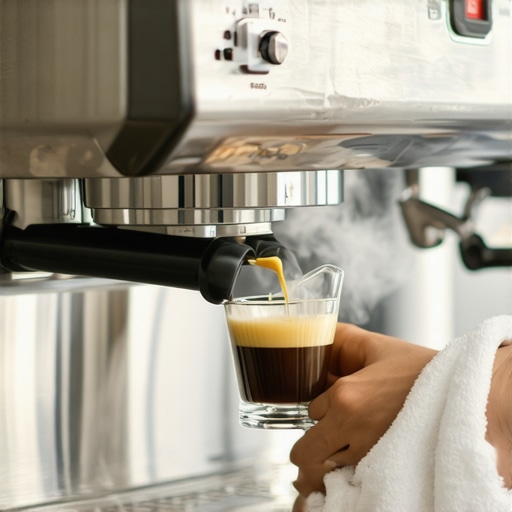
Moisture accelerates corrosion. After each session, wipe down your equipment, especially metal parts, with a clean, dry cloth. Store components in a dry place. I learned this the hard way when my steam wand started producing a metallic smell due to residual moisture. Quick drying prevents rust and preserves the integrity of your gear, ensuring pure coffee flavors.
Upgrade to Corrosion-Resistant Materials
If your current machine or accessories are heavily corroded or consistently develop a metallic taste, consider upgrading to stainless steel or other corrosion-resistant metals. While this may seem costly initially, it significantly reduces maintenance and flavor issues over time. Research models known for durability, like those rated highly in top-rated espresso machines.
While it’s tempting to believe that selecting the most expensive espresso machine guarantees perfect coffee, many enthusiasts overlook subtle yet impactful details that truly influence brewing quality. For instance, the misconception that all burr grinders produce identical particle sizes leads many to choose solely based on price, ignoring the importance of grind consistency. In reality, even slight variations in burr alignment or material can cause channeling or uneven extraction, affecting flavor and crema. According to expert baristas, regular calibration and maintenance are essential to keep your grinder functioning optimally. Don’t fall into the trap of assuming that a high-end machine can compensate for poor grind quality—both need to work in harmony for the best results.
Why does burr alignment matter beyond just grind size?
Achieving uniform grind particles isn’t just about aesthetics; it directly impacts extraction efficiency and shot stability. Misaligned burrs can create uneven-sized grounds, leading to channeling and over-extraction in some areas while under-extracting others, which deteriorates flavor and consistency. This subtle nuance often goes unnoticed, yet its effect is profound. Studies like the one from the National Coffee Association highlight that grinder calibration can improve extraction yield and overall flavor profiles significantly. So, taking the time to calibrate and understand your grinder’s mechanics is a smart move for serious enthusiasts. Learn how to choose and tune your grinder for superior results. Moving beyond the basics, many home baristas underestimate the importance of machine heating cycles and their impact on extraction. An espresso machine may reach the correct temperature initially, but if it doesn’t maintain stability during brewing, subtle temperature fluctuations can cause sourness or bitterness. Investing in a machine with a good PID controller or learning to preheat properly ensures temperature consistency, critical for nuanced flavor development. proper preheating techniques can be a game-changer. Additionally, the role of milk frothers is often oversimplified. Many users assume that the more expensive or powerful a frother, the better the microfoam. However, nuanced factors like steam tip design, temperature control, and timing affect foam quality more than mere wattage. Mastering these can elevate your latte art and texture, making home brewing indistinguishable from café quality. For in-depth guidance, check out this guide on milk frothers. Having highlighted these hidden basics, are you aware of the subtle factors that can trip up even seasoned home baristas? Your equipment’s maintenance, calibration precision, and understanding advanced settings shape your coffee’s destiny far more than you might think. Drop a comment if you’ve fallen into common traps, or share your tips to help others avoid them. Remember, mastering the nuances separates average joe brewers from true connoisseurs.Keeping your espresso setup performing at its best requires the right tools and a proactive maintenance routine. I rely on a few specific items that have genuinely transformed my coffee-making experience. For example, I swear by a precision scale like the Espro Calibrate, which allows me to monitor shot timing and yield with millimeter accuracy, ensuring consistency after every brew. Additionally, I use a dedicated espresso cleaning brush—small but mighty—to reach into tight spots on my portafilter and group head, preventing build-up that can cause metallic flavors and channeling issues. Regular use of a water testing kit helps me track mineral content, guiding me when it’s time to descale or change my filters, which is crucial given the long-term health of my machine.
Predicting future trends, I believe the integration of smart sensors in home espresso machines will become standard, providing real-time alerts for cleaning, descaling, and part wear. This tech evolution will make maintenance even easier and more intuitive, empowering home baristas to keep their equipment in prime condition with minimal effort.
So, how do I maintain my equipment over time? Consistency is key. I set a weekly schedule to clean my group head with a proper brush and avena-based cleaner, follow descaling protocols every three months with natural citric acid, and routinely inspect gaskets and seals for wear. Upgrading to corrosion-resistant materials, like replacing older components with stainless steel parts, further prolongs the lifespan of my gear.
When it comes to tools, I recommend investing in a high-precision scale and a quality cleaning brush tailored for espresso machines. These might seem like small investments but have significant long-term benefits, reducing the need for costly repairs and enhancing the flavor stability of your shots. For instance, [professional baristas](https://espressotechguide.com/choosing-the-best-barista-gear-for-coffee-enthusiasts) often emphasize that routine maintenance with the right tools prevents issues before they start.
Looking ahead, home baristas should consider automation: smart machines with built-in diagnostics. This trend will not only save time but also allow you to catch issues early, maintaining optimal extraction quality day after day.
Try incorporating a simple weekly cleaning ritual using a dedicated brush and descaling solution. These small but impactful steps will keep your machine humming smoothly and your espresso tasting perfect. Remember, consistent, proactive care maximizes your investment and makes every shot a delight. Want to get more detailed advice? Contact me via the contact page and share your setup or concerns!
What Gentle Reminders Taught Me About My Coffee Gear
One of the most valuable lessons I learned was that even high-end equipment needs consistent care—occasional polishing, calibration, and inspecting for corrosion can make all the difference. I used to overlook small signs of wear, which subtly worsened my espresso every week. Now, I see how quick fixes like replacing worn gaskets or adjusting burr alignment prevent bigger surprises—like metallic tastes or uneven shots—saving me time and money in the long run.
Secondly, I discovered the importance of trusting trusted resources. For example, reading detailed guides on choosing and tuning your grinder or upgrading to top-rated machines helped me avoid costly mistakes and unlock consistent flavor profiles.
Finally, I learned that the journey doesn’t end with equipment maintenance. Constantly refining my process—like preheating differently and experimenting with tamping pressure—bushed my skills and improved my shots markedly. That growth mindset—being adventurous and learning from small successes and setbacks—is what ultimately led me to enjoy better espresso experiences every morning.
Gear Up and Keep Cultivating Your Coffee Rituals
My essential tools include a high-precision scale—like the Espro Calibrate—that keeps my shot timing true—and a dedicated cleaning brush, crucial for maintaining purity in my gear. Regular descaling with natural solutions such as citric acid, paired with a quality water filter, consistently results in cleaner tastes and longer equipment lifespan. If you’re ready to upgrade your setup, exploring this collection of top barista gear might inspire your next investment.
Anticipating future trends, I believe smart diagnostics integrated into espresso machines will soon keep our equipment running at peak. Imagine alerts for needing a descale or replacing worn seals—it’s like having a personal barista-engineer in your kitchen. Until then, adopting simple routine checks, like weekly cleaning and part inspections, can make your coffee journey smoother and more rewarding.
Rise to the Coffee Challenge and Elevate Your Brew
Now that I’ve shared these lessons and tools, your next cup can truly be a reflection of your dedication and skill. Don’t shy away from experimenting, from calibrating your grinder to trying different tamping techniques. Remember, every small step forward deepens your connection to the craft of espresso-making. Share your own experiences or questions below—I’m here to help your coffee adventure flourish. Ready to make every shot a masterpiece? Let’s get brewing!