How to clean your burrs without taking the whole grinder apart
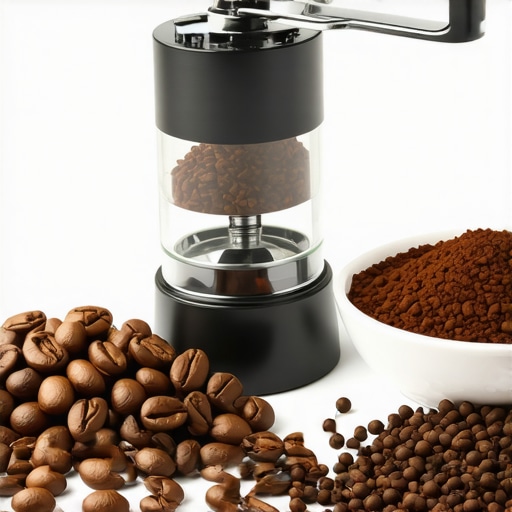
Have you ever peeked into your coffee grinder, only to be greeted by a stubborn buildup of coffee grounds and oils that just won’t budge? I’ve been there, desperately trying to brush out the mess with a tiny brush, only to realize I was just scratching the surface. One morning, after a too-rough cleaning session left my machine in worse shape, I had a lightbulb moment: there *has* to be a way to keep my burrs clean without dismantling the entire grinder every few weeks. Spoiler alert: there is, and I’ll walk you through it.
Why Regular Burr Maintenance Should Be Hassle-Free
Maintaining your grinder’s burrs is crucial for a consistent, flavorful cup, but let’s be honest—taking apart your precious equipment every time feels like a chore. The truth is, oil and coffee residue build up rapidly, affecting grind size and taste. Neglecting these can lead to uneven extraction and even harm your machine over time. Yet, many coffee lovers, myself included at first, fall into the trap of thinking that complex cleaning is the only solution. Fortunately, I discovered that with a few simple tricks and the right tools, you can keep your burrs pristine without the drama of full disassembly.
Is Deep Cleaning Worth the Hype or Just a Waste of Time?
Initially, I believed that deep cleaning involved hours of dismantling and scrubbing, which seemed impractical. I made the mistake early on of using harsh chemicals and abrasive tools—dangerous for your machine and your coffee’s flavor. Research shows that regular, gentle maintenance extends your grinder’s lifespan and preserves flavor clarity. With that in mind, I set out to find a faster, smarter approach, and I’ve tested several methods that actually work. Now, I want to share my tried-and-true tips, so your brew stays fresh and flavorful without the hassle.
Prepare Your Workspace and Gather Tools
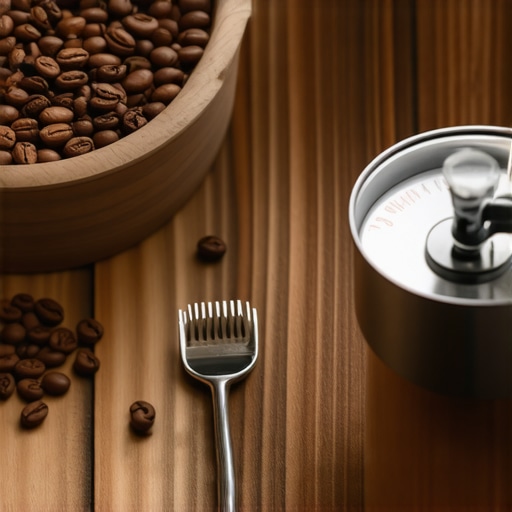
Start by clearing your workspace, placing a towel or paper towels underneath your grinder to catch any loose grounds. Assemble essential cleaning tools: a soft brush, a microfiber cloth, a small spatula, and food-grade grinder cleaning tablets or rice. This setup ensures a smooth process and prevents messes from spreading. I remember my first attempt; I spilled grounds all over the counter because I wasn’t prepared. Learning from that, I now keep my tools within arm’s reach before starting.
Remove Coffee Residue with Gentle Brushing
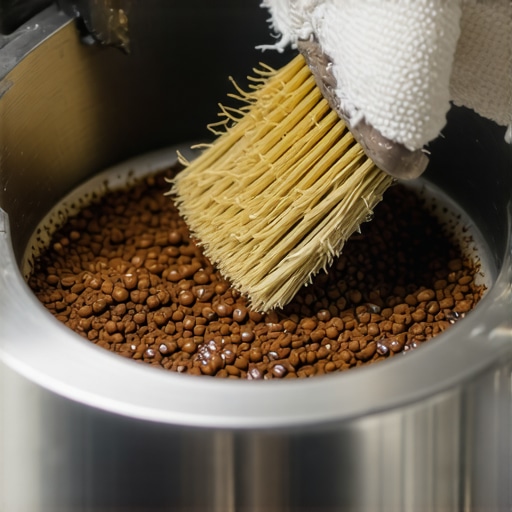
Unplug the grinder to ensure safety. Use a soft brush to sweep away loose coffee grounds from the hopper, the burrs, and chute. Instead of harsh scrubbing, think of your brush as a gentle massage for your grinder’s burrs. For my Cuisinart, I held the machine steady and carefully brushed away, avoiding the motor’s wiring. Regular brushing prevents buildup that can lead to uneven grind size and helps maintain flavor integrity. For more insights on perfecting your espresso, visit mastering home espresso.
Use Cleaning Tablets or Rice to Dissolve Oils
To tackle stubborn oils, run a batch with a grinder cleaning tablet or, alternatively, a handful of uncooked rice. For my experience, I poured a tablet into the hopper, ran the grinder on a coarse setting, and caught the grounds on a cloth. The tablet or rice acts like a magnet, absorbing oils and dislodging residue. After processing, discard the grounds and wipe the burrs with a damp cloth. Avoid using harsh chemicals, which can damage your grinder and impact flavor. Regular deep cleaning with this method can extend your machine’s lifespan and ensure consistent performance. Need help choosing the right grinder cleaner? Check out grinder motor tips.
Focus on the Burrs with an Interior Inspection
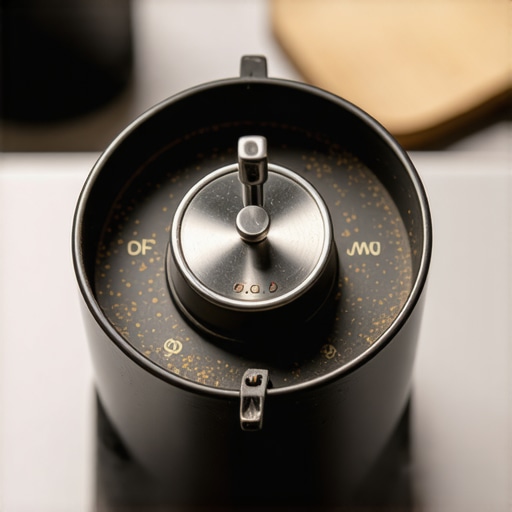
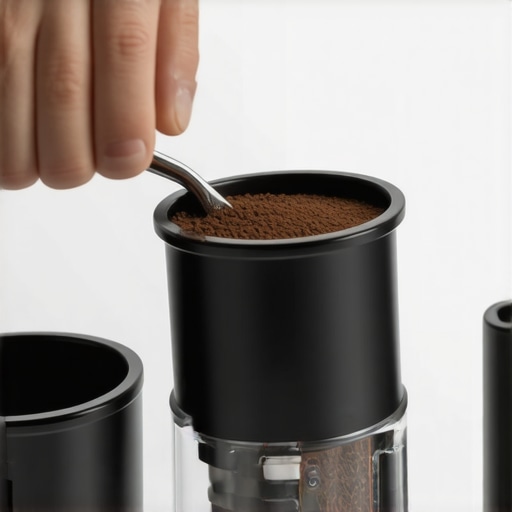
Remove the hopper and inspect the burrs for clogs or residual oils. Use a small spatula to loosen any stuck grounds, working gently to avoid damaging delicate parts. I once found a tiny coffee particle lodged between burrs, causing uneven grind size. Carefully dislodge it, then wipe the burrs with a damp cloth. If your grinder has adjustment rings, check that they are properly aligned using the safe zero-point check. Proper alignment ensures consistent particle size and shot quality. Remember, routine inspections prevent bigger issues down the line.
Maintain Regular Cleaning to Prevent Buildup
Create a cleaning schedule: after every 100 pounds of coffee or biweekly, whichever comes first. Mark your calendar or set reminders; I use a weekly alarm to prompt my cleaning routine. With consistency, you’ll notice fewer clogs, more uniform grinds, and better-tasting coffee. A neglected grinder accumulates oils that not only influence flavor but can also cause motor strain, shortening its lifespan. For more detailed maintenance routines, explore portafilter maintenance.
Final Tips for Effortless Maintenance
Remember, keep your tools handy, brush regularly, and run occasional cleaning cycles with tablets or rice. Don’t forget to reassemble carefully, ensuring all parts are properly seated. A well-maintained grinder turns into a reliable partner for your daily brew, reducing waste and enhancing flavor. With just a few minutes of care, you can avoid complex disassembly and keep your coffee setup in top condition. For advanced tips, check out PID adjustments and learn how temperature affects your results.
In the world of specialty coffee, there’s a persistent myth that owning the latest, most expensive equipment guarantees perfect espresso. But in my experience, many enthusiasts stumble over subtle nuances in gear that can make or break their brew quality. For example, beginners often assume that all grinders are created equal, leading them to ignore the importance of burr alignment and grind consistency. This misconception can result in uneven extraction and bitter shots, regardless of machine quality. Recognizing and addressing these hidden details is crucial for elevating your home barista game.
Why does the quality of your grinder’s burrs matter more than you think?
Many coffee lovers underestimate the impact of burr quality and alignment. A dull or misaligned burr set can produce inconsistent particle sizes, causing channeling and uneven extraction. Regularly checking and calibrating your grinder, especially if you use light roasts or delicate beans, can significantly improve shot clarity. Choosing the right grinder and maintaining it properly is essential to avoid costly mistakes and wasted coffee.
Another common pitfall is neglecting the calibration of espresso machines. Many assume that once set, the temperature and pressure are fixed. Reality is, small adjustments to brew temperature and pressure can have outsized effects on flavor profile and consistency. Overlooking these details can lead to bitter or sour shots despite having good equipment.
Sharpen your eye: Spotting overlooked maintenance issues that wreck your espresso
Routine cleaning is obvious, but the real secret lies in understanding the impact of small issues—like a leaky portafilter gasket or a clogged steam wand—that many overlook. For instance, a dirty shower screen can cause water distribution issues, resulting in channeling. Regularly inspecting and maintaining your gear prevents these subtle errors from undermining your efforts.
It’s tempting to believe that upscale gear automatically means better coffee. However, flawless execution depends on mastering these often-neglected nuances. Advanced baristas pay attention to minute details—like uniform tamping pressure, proper puck preparation, and even ambient temperature—that influence the final shot. Knowledge of these subtleties transforms decent equipment into a true barista-level setup.
Have you ever fallen into this trap? Let me know in the comments what gear or maintenance mistake surprised you the most, and stay tuned for more insights that will elevate your home brewing skills.
Keeping your espresso gear in top shape requires more than just occasional cleaning. Investing in quality tools tailored for maintenance ensures consistency, longevity, and that your coffee remains exceptional day after day.
Dedicated Brush Sets for Precise Cleaning
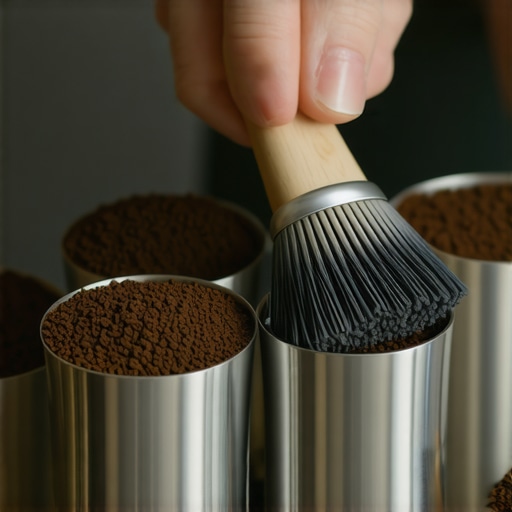
I personally recommend a high-quality, stainless steel espresso brush with stiff bristles. Unlike generic brushes, mine features an ergonomic handle and dense bristles that reach into tight spaces without damaging delicate components. Regular brushing removes stubborn coffee oils and residual particles, preventing buildup that can affect grind consistency and shot flavor. Incorporate this into your weekly routine to maintain optimal performance.
Use of Compressed Air for Deep-Diving Into Hard-to-Reach Areas
Compressed air cans are indispensable for blasting dust and dried oils from areas that are inaccessible with brushes or cloths. I use a professional-grade air duster to clear out moisture and debris from portafilter spouts, group heads, and steam wands. Just ensure you hold the can upright and use short bursts to avoid moisture condensation. This simple step keeps your machine running smoothly and reduces the risk of clogs or microbial growth.
How do I maintain my espresso setup over time?
Developing a consistent schedule is key. Beyond daily rinses and weekly deep cleans, schedule monthly inspections of critical components like o-rings, gaskets, and water filters. Using a digital tool or app to set reminders helps ensure nothing gets overlooked. Additionally, periodically calibrate your grinder and check the machine’s pressure and temperature settings. Regular attention to these details minimizes unexpected breakdowns and guarantees that every cup meets your standards.
Looking ahead, the trend is leaning toward smarter maintenance with connected sensors that monitor wear and notify you when a part needs replacing. This proactive approach reduces downtime and can extend your machinery’s lifespan significantly. For instance, some upcoming espresso machines integrate IoT sensors that analyze usage patterns and alert you via smartphone apps—making ‘keeping it working’ effortless.
Upgrade Your Maintenance Arsenal with Proven Tools
In my experience, investing in specific tools tailored to espresso care pays dividends. For example, a precision torque wrench for tampers ensures consistent pressure, which is crucial for shot quality. Similarly, a scale with high accuracy helps measure dose consistency and shot extraction times. Combining these with quality cleaning tools creates a comprehensive maintenance system that makes your setup more reliable and your coffee better overall.
Tackle Common Maintenance Challenges with Expert Tips
If you’re struggling with stubborn buildup or malfunctioning parts, consulting technical guides like this resource offers targeted solutions. For instance, I regularly use a small plastic mallet to gently free stuck adjustment rings without damaging the threads—saving me from costly repairs.
Don’t forget the importance of documenting your maintenance routines. Keeping a log of parts replaced, adjustments made, and cleaning dates helps identify patterns and plan future upkeep more effectively. Remember, consistency in maintenance not only preserves your equipment but also deepens your understanding of your setup, empowering you as a home barista.
Try adopting a detailed cleaning and inspection routine, and see how your equipment performs better over the long term. The right tools and habits make a measurable difference in achieving consistent, professional-quality espresso at home.
The Hidden Lessons That Changed My Home Barista Game
One of my biggest lightbulb moments was realizing that proper maintenance isn’t just about avoiding breakdowns—it’s about unlocking consistently better flavors and shot consistency. I learned that rushing through quick cleanings can leave stubborn oils hidden, quietly sabotaging my espresso until I dug deeper. The most valuable lesson came when I stopped obsessing over the newest high-end gear and instead focused on mastering routine care, which transformed my coffee experience completely.
Another revelation was how much small adjustments in cleaning routines—like using rice instead of harsh chemicals—can prolong equipment life and enhance flavor clarity. It dawned on me that dedicated tools, such as a quality espresso brush or compressed air, aren’t just optional—they’re essential parts of a true home barista’s arsenal. These simple, targeted steps made me realize that effortless cleaning is possible with the right habits and gear, freeing me to focus on developing my flavor profiles instead of battling residue.
Most unexpectedly, I found that neglecting minor maintenance—like inspecting gasket seals or burr alignment—can lead to costly repairs and compromised shots. Learning to catch these issues early, with a few simple checks, became a game-changer. What I once viewed as tedious chores now feel like opportunities to deepen my understanding of coffee equipment, turning routine maintenance into a satisfying part of my brewing ritual. The upgrade isn’t just in equipment but in my approach, with tools and habits that ensure each shot is as good as the last.
My Essential Tools and Sources for Home Espresso Excellence
First, I swear by a precision torque wrench for tampers. Consistent tamp pressure makes a visible difference in shot uniformity, and this tool ensures I don’t guess or rely on feel alone. For cleaning, a high-quality stainless steel espresso brush helps me reach into tight spaces without damaging delicate parts. Pairing it with compressed air from a professional-grade duster keeps my portafilter, steam wand, and group head spotless—especially in those hidden crevices that are easy to forget.
For deep cleaning, I prefer food-grade grinder cleaning tablets over harsh chemicals. These dissolve oils safely and effectively, extending my grinder’s lifespan while preserving flavor integrity. Lastly, the best resource I found is top-rated espresso machines in 2025, which offers comprehensive reviews and maintenance tips tailored for enthusiasts who want top performance. These tools and insights form the backbone of my routine, ensuring my gear performs like new and my coffee remains extraordinary.
Keep Your Passion Brewing—Take the Next Step
The key to elevating your home espresso setup is not just fancy gear but a dedicated commitment to routine care and continuous learning. When you integrate smart maintenance tools and habits, you harness the true potential of your equipment, turning everyday routines into moments of skillful craftsmanship. Whether you’re dialing in your grinder or fine-tuning your machine’s temperature, every small step builds toward a more satisfying coffee experience.
So, I challenge you: What’s the one maintenance habit you’ve been avoiding that could transform your brewing results? Share your thoughts below, and let’s keep each other inspired to brew better every day.
**Happy brewing!**