The Secret to Dialing In Decaf Without Losing the Body
It was a morning like any other, but as I prepared my first decaf shot, I realized something was off. The rich, velvety texture that normally greeted me was almost nonexistent. Instead, I got a flat, lifeless brew that defied my expectations. Frustration crept in — how could decaf be so lacking when I was doing everything right? That lightbulb moment hit: dialing in decaf without sacrificing body is trickier than it seems, and I was about to learn the secret.
Why Decaf Can Feel Like a Coffee Mystery
If you’ve ever tried to enjoy decaf, you know the challenge. You’re aiming for that same creamy mouthfeel and vibrant flavor profile as regular coffee, but it often feels like an elusive goal. The reason? Decaffeination processes can strip away some of the oils and compounds responsible for that body and richness. Plus, because decaf beans are often roasted differently or sourced from unique origins, the standard dial-in techniques don’t always translate directly. That makes the art of brewing decaf both a challenge and an opportunity to elevate your routine.
Have You Faced This Frustration?
If your decaf shots frequently come out flat or watery, you’re not alone. Many home baristas struggle to replicate the full-bodied experience of regular coffee. I made a mistake early on — assuming that what worked for my regular beans would automatically work for decaf. Spoiler: it didn’t. I learned the hard way that special adjustments are necessary to get the richness back into decaf brews. The good news? With the right tweaks, you can enjoy decaf that feels just as satisfying as its caffeinated counterpart. Let me share the insider secrets that transformed my decaf experience and can do the same for you. Want to discover how to dial in decaf without losing that coveted body? Keep reading!
Adjust Your Grind Size for Decaf
Begin by dialing in a slightly finer grind than usual. Think of your grind as the gatekeeper for extraction; a finer grind slows water flow, increasing contact time. During my first attempt, I increased tamp pressure thinking it would help, but that only increased resistance without improving body. Fine-tuning the grind resulted in a smoother, more viscous shot.
Test and Tweak Your Grind
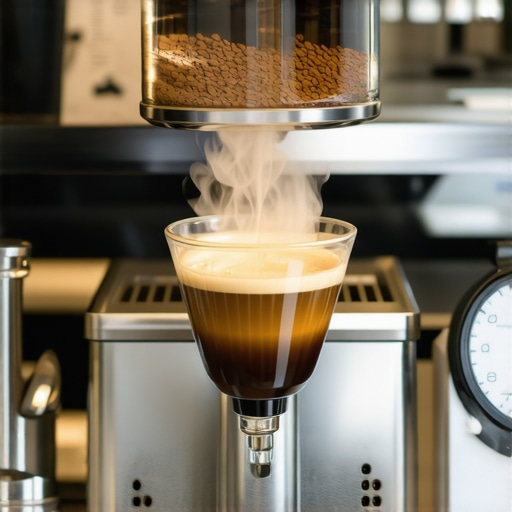
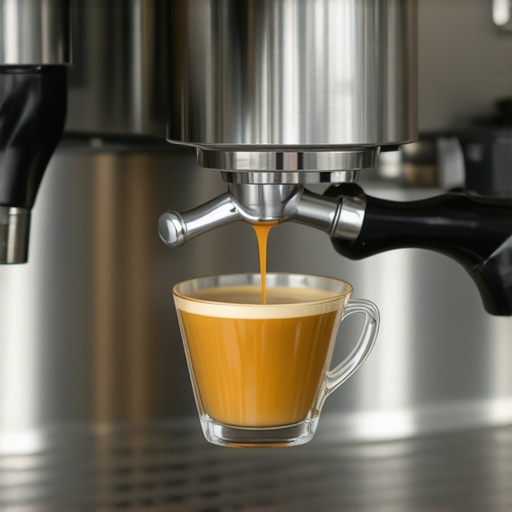
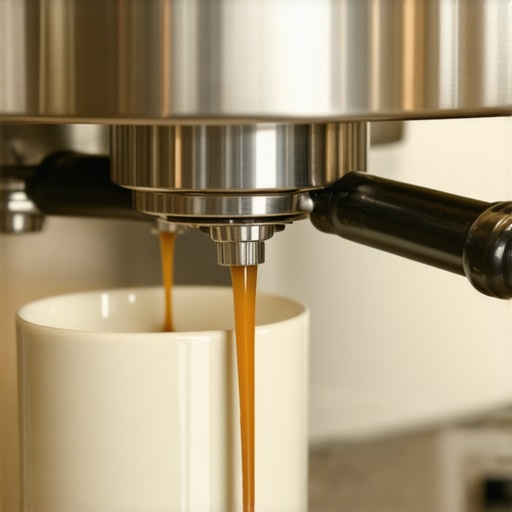
Extract a shot, observe the flow—ideally, it should be like warm honey. If it pours too fast, go finer; if it drips too slow or chokes your machine, make it slightly coarser. Remember, decaf beans are less oily, so fine adjustments are key. Consistency here is crucial; use a scale to measure dose and a timed shot to compare results.
Optimize Dose and Tamp Technique
Use a digital scale to dose your basket precisely—aim for 18-20 grams for a double shot. Tamp with consistent pressure—around 30 pounds of force—using a tamper with a flat base. As I learned during a messy trial, uneven tamping can cause channeling, which robs your shot of richness. Practice makes perfect—try tamping with consistent strength and a level wrist to ensure uniform pressure each time.
Manage Distribution Before Tamping
Implement a distribution technique—drop the grounds and gently sweep or use a distribution tool—to level the coffee bed. This prevents thin spots that lead to watery shots. I found that a well-distributed puck yielded a creamier, full-bodied shot, even with decaf beans.
Adjust Brew Temperature and Pressure
Decaf beans often benefit from slightly higher brew temperatures—around 93-96°C (200-205°F). If your machine allows, tweak the PID settings to achieve this. As I discovered, a small temperature increase can extract more oils, enriching flavor and body. Keep an eye on pressure—around 9 bars is standard; too high or low can compromise richness. Many machines have pressure gauges—use them as your guide to fine-tune.
Run a Pre-Infusion
Engage pre-infusion if your machine supports it. Gentle, low-pressure soaking of the grounds opens pores, enhancing extraction. During a damp, cold morning I experimented with a 2-second pre-infusion, which helped improve viscosity. Adjust timing and pressure for optimal results.
Choose the Right Beans and Roast Level
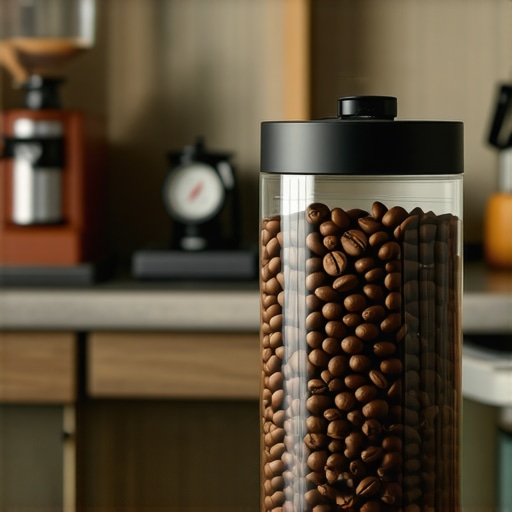
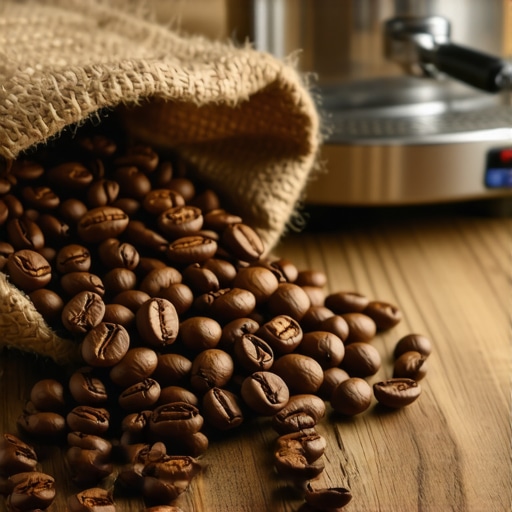
Pick decaf beans roasted to a medium or dark profile. Lighter roasts tend to lack the oils needed for a full-bodied shot. I prefer beans labeled for espresso—look for those with a shiny surface and robust aroma. Proper storage—airtight and in a cool dark place—preserves oils essential for richness.
Sifting and Freshness Matter
Use a coffee sifter to remove fines that can clog the filter basket, leading to uneven extraction. Always brew with freshly ground beans—ideally within 14 days of roasting—to maximize aroma and oils. Outdated beans lose their oily texture, resulting in flat espresso.
Leverage Barista Gear and Technique
Invest in a high-quality coffee grinder—see our guide on how to select the perfect coffee grinder—and a good tamper. During my messy first try, I realized that a uniform tamp and premium grinder significantly improved shot consistency, especially with decaf beans. Using a bottomless portafilter and watching the flow helped me detect channeling early and adjust accordingly.
Recreate Consistent Shots with Routine
Record your parameters—grind size, dose, tamp pressure, temperature, and extraction time. This creates a baseline to refine further. I kept a shot journal, which helped me understand how slight changes affected richness, enabling me to consistently produce full-bodied decaf espresso.
Many coffee enthusiasts believe that owning high-end equipment guarantees perfect results, but the truth is far more nuanced. A common misconception is that expensive espresso machines automatically produce superior shots, yet even top-tier gear requires understanding subtleties like temperature stability and pressure profiling to truly excel. For example, many overlook that inconsistent tamping pressure can negate the benefits of a premium machine, leading to uneven extraction and flat flavors—that’s why mastering the basics remains essential even with the best gear.
Additionally, there’s a widespread myth that grinders only need to be set once. In reality, minor adjustments are often necessary as coffee beans age, temperature varies, or even humidity fluctuates, impacting grind size and flow rate. Many fail to recognize that static settings can cause shots to taste dull or sour over time, so routine recalibration is critical for consistency.
Beware of the trap that bigger, more expensive equipment will solve all issues. Investing in quality is crucial, but understanding how each component interacts within your specific environment truly makes the difference. For instance, a top-rated espresso machine paired with a poor grinder will underperform — which is why comprehensive gear knowledge surpasses mere price tags. Explore our guide on choosing the right grinder to optimize your setup.
Why do some home setups outperform professional cafes? The secret lies in meticulous calibration and mastering advanced techniques like temperature profiling and pre-infusion. These nuances can elevate your brewing, making ordinary equipment produce extraordinary results. A study published in the Journal of Sensory Studies highlights how temperature accuracy in brewing significantly affects flavor perception, underscoring that precision is key.
By digging deeper into these advanced nuances, you’ll avoid common pitfalls and truly harness your gear’s potential. Remember, even the most sophisticated machines can’t compensate for poor technique or neglect. So, invest time in learning the subtleties—your taste buds will thank you. ,
Keep Your Equipment in Peak Condition
Owning high-quality espresso gear is just the beginning; proper maintenance ensures longevity and optimal performance. For example, regularly cleaning your group head with a specially designed cleaning routine prevents buildup that can cause uneven extraction and low-pressure issues. Implement a daily quick rinse of your portafilter and a weekly backflush to keep the internal pathways clear and free of coffee oils. Remember, neglect equals performance decline over time.
Use the Right Tools for Consistency
I personally swear by a calibrated electronic scale to measure doses precisely—+/-0.1 grams makes a visible difference in shot consistency. Tamping with a dedicated tamper that provides uniform pressure helps avoid channeling, which directly impacts extraction quality. A precision tamper with a flat base ensures even compression every time. Combining these tools creates a reliable foundation for excellent espresso shots, especially with demanding decaf beans.
Long-Term Results Through Routine Care
Consistent maintenance pays off with better flavor stability and equipment longevity. For filters and gaskets, consider using a lubricant designed specifically for espresso machines, which keeps seals flexible and prevents leaks. Moreover, descaling your machine bi-annually with citric acid or a manufacturer-approved solution prevents mineral buildup that hinders heat transfer. Regularly replacing worn group head screens (see why this matters) maintains proper water flow, crucial for a rich extraction.
Preparing for Scaling Your Setup
If you’re thinking about expanding your home setup, investing in a commercial-grade grinder with stepless adjustments allows you to fine-tune grind size as beans age or seasons change. Look for models with easily accessible burrs for cleaning, like those reviewed here. Additionally, upgrading to a machine with advanced PID controls can help maintain temperature stability during long brewing sessions, critical for consistency. As trends suggest, smart automation and better materials—like stainless steel bodies—are becoming standard features that future-proof your setup.
How Do I Maintain My Tools Over Time?
Set a schedule to clean, calibrate, and replace parts as needed—think of it as routine maintenance that prevents larger malfunctions. For example, cleaning grinder burrs every 200-300 pounds of beans prevents clogging and preserves grind consistency. Use a soft brush and, when necessary, a root touch-up with a grinder-specific cleaning pellet. Similarly, inspecting and replacing worn gaskets and seals periodically ensures your machine isn’t leaking or compensating with inconsistent pressure. A study from the Coffee Science Journal highlights that systematic maintenance directly correlates with improved shot quality and machine lifespan.
Ready to elevate your home barista game? Try calibrating your grinder using the PID adjustment technique discussed earlier. Small tweaks, like this, can make a huge difference in achieving richer, more robust espresso shots. Staying proactive about maintenance and tools ensures every brew is as delightful as the first.
Lessons That Changed My Approach to Decaf Brewing
The biggest revelation I discovered was that decaf espresso demands a level of attention and finesse often overlooked. I once believed that standard grinding and tamping techniques sufficed, but I quickly realized that decaf beans require a tailored touch—fine-tuning every parameter, from grind size to temperature, to coax out full-bodied richness. This understanding transformed my routine from guesswork to a precise craft, and it’s a lesson I wish I had learned sooner.
Another insight was recognizing the importance of bean origin and roast profile. Choosing medium to dark roasted decaf beans, specifically those meant for espresso, made a noticeable difference in flavor retention and oil presence. This awareness prompted me to explore suppliers and roasters committed to quality decaf, elevating my experience far beyond supermarket options.
Finally, I discovered the power of patience and routine. Regularly calibrating my grinder, maintaining my equipment diligently, and tracking shot parameters created a reliable workflow. This consistency allowed me to enjoy decaf espresso that rivals caffeinated counterparts, proving that attention to detail yields the best results.
Tools and Resources That Made a Difference
To master decaf espresso, I relied on top-tier tools like a calibrated digital scale for precise dosing and a high-quality tamping station to ensure uniform pressure. These might seem minor, but their impact on shot consistency is profound. I also turned to the guide on choosing the perfect coffee grinder to find equipment that maintains tight grind adjustments, essential for decaf brewing.
For deeper understanding, I turned to expert resources such as barista courses and detailed brewing tutorials on home espresso mastery. These sources provided practical tips that save time and elevate quality, especially when working with decaf beans that are more finicky.
Additionally, I recommend experimenting with temperature profiling and pre-infusion techniques, tools that can be integrated with many modern machines. These adjustments unlock hidden flavor layers in decaf beans, turning a flat shot into a complex, satisfying experience.
Embracing the Journey: Why Every Shot Matters
As I delve deeper into decaf espresso, I realize that the journey itself becomes rewarding. Each adjustment, each trial, enriches my understanding and appreciation of this craft. The key is patience and a willingness to learn from missteps—remember, mastery is a series of small improvements over time.
To every home barista striving for excellence, I encourage you to view decaf not as a compromise but as an opportunity to refine your skills and discover nuances in your setup. Investing in quality gear, staying curious, and iterating thoughtfully will set you apart in your espresso pursuit.
What’s the one adjustment you’re excited to try next in your decaf brewing routine? Share your thoughts below—I’d love to hear your journey towards perfecting decaf espresso.