The Proper Way to Season New Burrs Without Wasting Premium Beans
One morning, I was excited to try my brand-new burr grinder, eager to showcase my freshly dialed-in espresso shot. Instead, I ended up wasting a handful of premium beans on an overly bitter, uneven brew. I felt that same familiar pang of frustration—knowing that I was throwing away that expensive coffee, and feeling like I had missed a simple but crucial step. That lightbulb moment made me realize I’d skipped an essential part of my process: properly seasoning my new burrs.
The Hidden Secret to Saving Your Premium Beans and Achieving Perfect Grinds
If you’ve ever purchased top-tier coffee beans only to find your first few attempts taste off or wasteful, you’re not alone. Many home baristas dive straight into brewing, neglecting a vital step that ensures their grinder performs optimally. Properly seasoning new burrs isn’t just a folklore tip; it’s a proven method to enhance flavor, extend your grinder’s lifespan, and prevent wasted beans. Today, I’ll walk you through my personal journey—sharing tips that turned my initial failures into reliable, flavor-rich shots—and show you how to do the same.
Is seasoning new burrs really worth the hassle?
I used to think seasoning was a dubious myth, a way for manufacturers to sell more beans or just an unnecessary ritual. But early on, I made the mistake of skipping this step altogether, which led to inconsistent grind sizes and bitter tastes. Once I started seasoning my burrs—as recommended by experienced baristas—I noticed immediate improvements. This process helps remove any residual oils or manufacturing debris, making sure your grinder’s output is clean and uniform. Plus, according to a study by the Specialty Coffee Association, freshly aligned and seasoned burrs significantly improve cup quality, especially when using high-quality beans. That’s the kind of attention to detail I aim to share with fellow enthusiasts.
So, if you’re tired of wasting your precious beans or battling stubborn grind inconsistencies, read on. I’ll guide you through the simple steps to season your new burrs effectively, so you can enjoy that flawless, flavorful espresso without unnecessary waste. Ready to turn your brewing game around? Let’s get started.
Start With a Clear Plan to Season Your Burrs
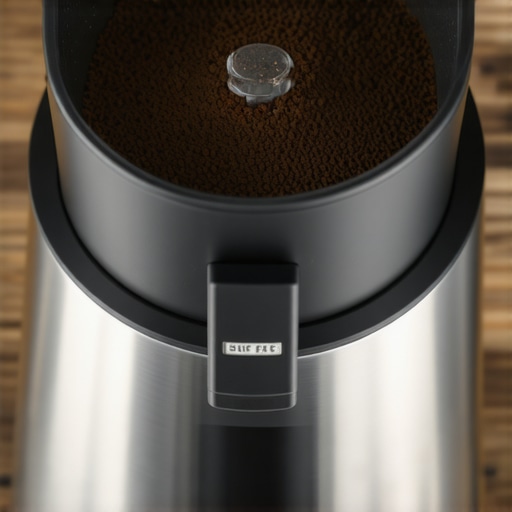
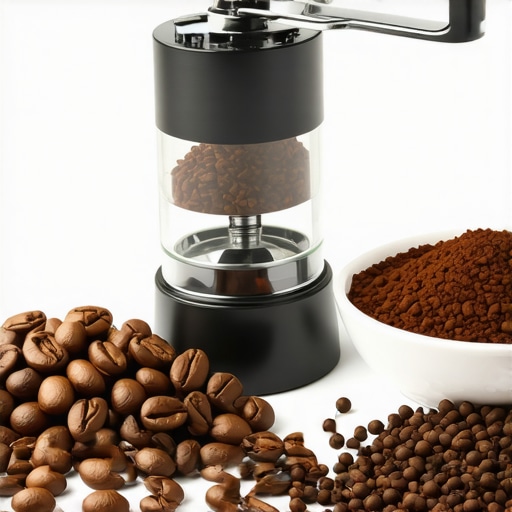
Before firing up your grinder, prepare a batch of inexpensive coffee beans—preferably a medium roast—as they’re ideal for seasoning without overwhelming your palate. I remember once I chose premium beans for seasoning, thinking it would speed up the process; instead, I ended up wasting valuable beans and creating a mess. Keep it simple: use beans you don’t mind discarding temporarily. Place a handful of beans in your hopper, set your grinder to a medium setting, and start grinding in short bursts. This initial step helps remove machining oils and debris that could taint your shots later.
Implement Repetitive Grind-and-Discard Cycles
Repeat the process of grinding and discarding the grounds—about 10 to 15 cycles—until the grounds start to look consistent and free of oily streaks. Think of this like seasoning a cast-iron skillet; the goal isn’t to brew espresso yet, but to create a clean surface. During this process, you might notice static and fly-away grounds; pressing them into a puck or wiping the chute with a damp cloth can prevent messes. I once got so impatient that I skipped this step and immediately brewed. The result? An uneven, bitter shot that wasted my beans. Patience here is key for an even flavor foundation.
Use a Method to Check Burr Alignment and Cleanliness
Ensure your burrs are properly aligned during seasoning—it’s like tuning a musical instrument for harmony. Use the marker method to verify that burrs are aligned correctly; misaligned burrs can cause uneven grinds and bitterness. Also, consider inspecting the burrs visually for manufacturing debris or oil residue. Applying careful alignment and cleaning during seasoning prevents common issues like channeling or under-extraction when you finally brew your espresso. A quick inspection during this process—moving parts gently and checking burrs—can save time later.
Test the Grounds and Adjust Settings
After sufficient cycles, pull a small test shot to evaluate grind consistency. If the shot extracts too quickly or tastes sour, you’ll need to dial your grinder finer; if it pulls too slow or tastes bitter, go coarser. This is similar to tuning a guitar—small adjustments make a world of difference. During my first seasoning, I calibrated my settings based on taste and flow rate, which took several attempts. Keep notes on your adjustments. Remember, the goal isn’t to brew at this stage but to confirm that the burrs are clean, well-aligned, and free of manufacturing residues. This sets a strong foundation for future brewing success.
Confirm Readiness Before Brewing Your Main Batch
Once the grounds flow smoothly with no static or debris and taste balanced during a test shot, you’re ready to brew your actual espresso batch. Think of this final confirmation as the moment you remove the training wheels; your grinder is now seasoned, and your beans will taste better, more consistent, and less wasteful. I’ve learned from experience that rushing through seasoning often leads to bitter flavors or wasted beans. Taking your time ensures a clean, flavorful shot every time and extends the lifespan of your burrs. For tips on maintaining your grinder’s performance, consider checking out how to clean your burrs regularly, or explore the best practices for grinder maintenance. Proper seasoning isn’t just a one-time task; it’s part of ongoing grinder care that leads to perfect, barista-quality espresso at home.Many home baristas operate under assumptions about their equipment and brewing process that can sabotage their efforts. One prevalent myth is that expensive grinders automatically produce better espresso without proper tuning or seasoning. In reality, even high-end grinders require meticulous calibration and maintenance; otherwise, you’re risking inconsistent grinds and wasted beans. For instance, neglecting burr alignment using methods like the marker technique can lead to uneven particle size, undermining extraction quality. This nuance often escapes enthusiasts who focus solely on grind settings, but precise alignment is essential for optimal flavor.
Another common misconception is that more powerful espresso machines solve all brewing issues. While a robust machine can help, it’s not a guarantee of exceptional results. Many overlook the importance of personal skill, temperature stability, and proper puck preparation. Advanced features like PID controllers offer better temperature control, but understanding their operation is critical. Experts note that improper tamping pressure or neglecting routine backflushing can cause flavor deterioration, regardless of the machine’s technical specs. Mastering these subtleties can dramatically elevate your at-home espresso game.
Have you ever fallen into this trap? Let me know in the comments.
A particularly insidious mistake is assuming that milk frothers don’t need attention or cleaning. Many users neglect thorough sanitation, leading to bacterial buildup and off-flavors. For example, using the best milk frothers are only as good as the care they receive. Regular cleaning, with attention to scrubbing nozzles and reservoirs, is vital. Furthermore, choosing the right frothing technique—like adjusting the jug angle or steam pressure—can produce silkier microfoam, making your drinks more barista-like.
On the front of grinder selection, many believe that burr material—ceramic versus stainless steel—will drastically change their results. However, studies show that the grind consistency depends more on burr geometry and precision manufacturing than material alone. Choosing the right grinder involves understanding these factors and pairing them with your brewing needs.
Finally, advanced enthusiasts might wonder about the impact of water quality on taste and machine longevity. Beyond the common advice to use filtered water, recent research emphasizes mineral content’s role in consistent extraction and equipment health. Using water that’s too soft or hard can cause scale buildup or flavor defects, as detailed in industry guides. Regularly testing your water hardness and adjusting your filtration setup can prevent costly repairs and enhance your espresso’s flavor profile.
Letting these nuances guide your approach transforms home brewing from a routine into a craft. Remember, attention to detail can unlock extraordinary espresso experiences. Do you know of other common pitfalls or hidden tips? Share your insights—let’s elevate each other’s brewing skills.
Prioritize Routine Maintenance and Trusted Tools to Extend Equipment Lifespan
For home baristas aiming to keep their espresso setup in top shape, investing in reliable maintenance tools is essential. For instance, I personally rely on a burr cleaning brush to remove coffee oil buildup, which ensures consistent grind sizes and flavor profiles over time. Regularly checking gasket seals and replacing them as needed prevents leaks and maintains optimal pressure. Using high-quality descaling solutions like Urnex ensures your machine stays free of mineral deposits, which can impair temperature stability and extraction quality.
Scheduled maintenance routines, such as backflushing your espresso machine with a cleaning powder designed for your specific model, can dramatically extend its lifespan. Additionally, periodic calibration of grinder settings, combined with tools like a digital scale, helps maintain grind consistency and shot quality. Incorporating these practices guarantees that your equipment remains reliable, reducing the frequency of costly repairs or replacements.
How do I sustain my espresso gear performance over time?
Maintaining your barista gear involves a blend of routine cleaning, proper calibration, and timely part replacements. For grinders, a felt pad hack not only reduces noise but also protects internal components, prolonging their operational life. For espresso machines, consistent descaling using manufacturer-approved products prevents scale buildup within boilers and pipes, ensuring stable temperature and pressure. Regularly inspecting and replacing worn-out seals and gaskets, guided by insights from technology-specific documentation, helps maintain optimal extraction conditions.
Adopting a proactive approach to maintenance means scheduling bi-annual deep cleans and keeping spare parts, such as portafilter gaskets or steam wand seals, handy. This minimizes downtime and ensures your shots remain as delicious as day one. Embracing these tools and routines pays off in Long-term consistency and equipment durability, so don’t overlook their significance in your daily ritual.
Future Trends in Equipment Care for Home Baristas
Looking ahead, the integration of smart diagnostics and IoT-enabled sensors promises to revolutionize how we maintain our coffee gear. Devices equipped with real-time performance analytics can alert you to potential issues before they escalate, like a dripping gasket or a clogged steam wand. For example, emerging technologies during industry trials are exploring predictive maintenance that could save you time and money. Embracing these innovations will likely become a standard practice, elevating home espresso to professional levels.
Start by integrating simple tests, such as regularly measuring your water temperature and flow rate, to catch early signs of equipment fatigue. I recommend trying the tip of installing a magnet hack to make your grinder more efficient and quieter. Taking small steps now ensures your setup remains reliable as the technology evolves—making every shot a delightful experience. Remember, consistent maintenance not only preserves your investment but also guarantees the best flavor extraction every time.
My journey into perfecting home espresso taught me that sometimes, the fiercest battles are fought before you even pull the shot. The invaluable lesson was that proper burr seasoning isn’t just a small step; it’s the secret weapon for consistent, flavorful coffee. Once I embraced this process, my espresso quality skyrocketed, and I started wasting fewer beans. Those early mornings, once fraught with bitterness and frustration, became moments of joy—thanks to a simple ritual that any enthusiast can master. It’s one of those behind-the-scenes secrets that insiders swear by, but few talk about openly.
Lessons That Changed My Home Barista Game
- Patience Is Key: Waiting through those grind-and-discard cycles feels tedious initially, but it pays off with cleaner flavors and less waste. I used to rush this step, but I learned that rushing only prolongs the road to excellent espresso.
- Consistent Technique Beats Fancy Equipment: Even with high-end grinders, neglecting seasoning can sabotage results. Proper burr seasoning levels the playing field, making your equipment perform at its best regardless of brand or price point.
- Trust the Process, Not Just the Settings: Adjusting grind size is important, but if burrs are unseasoned and dirty, those adjustments won’t solve underlying issues. Paired with alignment checks, seasoning creates a solid foundation for perfect shots.
- Cleanliness Extends Equipment Life: Regularly seasoning and cleaning burrs prevent oil buildup and wear, saving money and improving flavor—something I wish I had prioritized sooner.
- Every Home Barista Has a Hidden Edge: Mastering this often-overlooked step gives you a professional edge, transforming everyday coffee into an extraordinary experience. It’s a reminder that great brewing is as much about the prep work as the brewing itself.
My Go-To Tools and Resources for Better Espresso
- Burr alignment guides: Ensuring your burrs are perfectly aligned is crucial. I use the marker method because it’s simple and effective—trust me, it’s a game-changer.
- Burr cleaning brushes: Regular cleaning prevents flavor contamination and keeps your grinder running smoothly. A small investment for big gains.
- Barista gear selection tips: From tampers to filters, choosing the right accessories complements your seasoning routine and elevates your shots.
- Home espresso mastery guides: Detailed tutorials that walk you through every step, including burr seasoning, calibration, and troubleshooting—because knowledge truly is power.
Believe in Your Espresso Dreams—Start Today
Remember, the journey to exceptional home espresso isn’t about instant perfection—it’s about continuous improvement. The power of proper burr seasoning lies in its ability to unlock flavors hidden beneath the surface, transforming your daily brew into a ritual of craftsmanship and care. Don’t let overlooked steps hold back your potential. Embrace this secret, refine your routine, and watch your espresso experience evolve into something truly extraordinary. Your perfect shot is just a seasoning away. Ready to give it a try and elevate your home brewing? Share your stories or questions below—let’s brew better together!