Why Your Grinder’s Motor Stalls When Grinding for Espresso
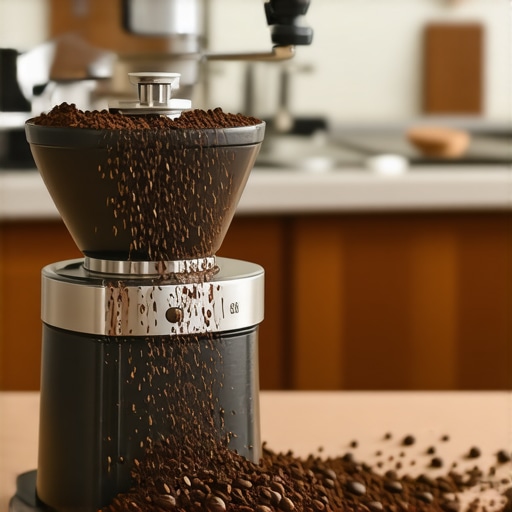
I remember the exact moment I realized my coffee routine was falling apart. I was eagerly preparing my weekly espresso shot, only for the grinder’s motor to stutter and grind to a halt right in the middle of my process. Frustration bubbled up. It felt like my trusty barista partner had suddenly lost all stamina, just when I needed it most. That lightbulb moment made me realize that many home espresso enthusiasts face this exact issue—an overworked grinder motor refusing to cooperate when you’re trying to get that perfect shot.
Understanding Why Your Grinder’s Motor Gives Out Mid-Session
Let’s face it: a sluggish or stall-prone grinder can kill the vibe in your morning routine. But why does it happen? The answer often lies in the way we approach grinding and maintenance. Early on, I made the mistake of grinding too much coffee at once, thinking more is better. Instead, I should have appreciated that a grinder’s motor can only handle so much before overheating or straining. These stalls aren’t random—they’re often signs that your grinder is under too much load or doesn’t have proper care. Did you know that static buildup and outdated burrs can cause additional resistance, making your motor work harder than it needs to? Regularly checking your grinder’s health can prevent these stalls and keep your espresso flowing smoothly. For more tips on choosing the perfect grinder, visit our guide on [how to select the right coffee grinder](https://espressotechguide.com/how-to-select-the-perfect-coffee-grinder-for-your-brew).
Is It Really Worth All This Fuss?
I used to think that a powerful motor meant I could grind endless batches without issues. Wrong! I overlooked simple maintenance like ensuring my burrs weren’t dull or clogged with old coffee grounds. Early mistakes like grinding directly into a cold portafilter or ignoring the grinder’s adjustment dial caused unnecessary strain. Trust me, these small oversights can lead to big problems, including motor stalls. Learning from these missteps made a huge difference. If you’re tired of interruptions and want a reliable espresso setup, stay tuned—I’ll walk you through exactly how to keep your grinder healthy and your motor happy. If you’ve faced this frustrating stall, comment below or check out our contact page to get personalized advice.
Optimize Your Grinding Approach for a Healthy Motor
Start by measuring your beans accurately with a precision scale—skipping this step often leads to uneven loads that stress your grinder. I once experimented with grinding a full hopper of beans at once for a large batch, but the next day my grinder refused to start. Now, I grind in small, consistent doses, which keeps the motor cool and functioning smoothly. Avoid grinding directly into a cold portafilter, as this causes static buildup and extra resistance. Instead, grind into a dedicated, clean container that catches excess coffee and minimizes static.
Regular Maintenance Extends Grinder Lifespan
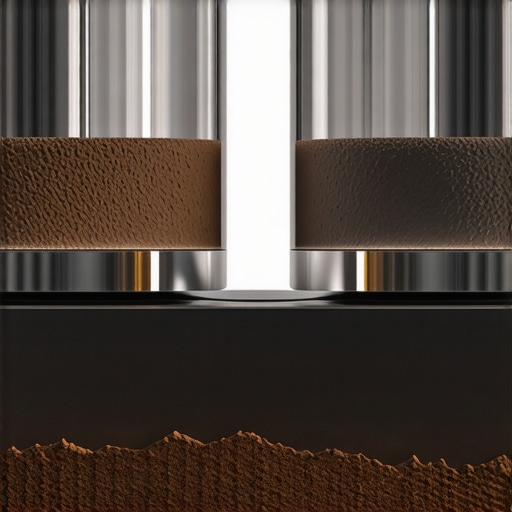
Set a weekly routine to clean your grinder burrs and internal chamber. Use a brush recommended in this guide to remove coffee grounds and dust—clogged burrs make the motor work harder. Dull burrs increase resistance, causing the motor to strain and stall. If your grinder has an adjustment dial, ensure it stays calibrated; a loose dial can shift settings unexpectedly, adding stress to the motor. I had a sudden adjustment dial slip, resulting in inconsistent grind sizes and increased motor load—after fixing the dial, the issue disappeared.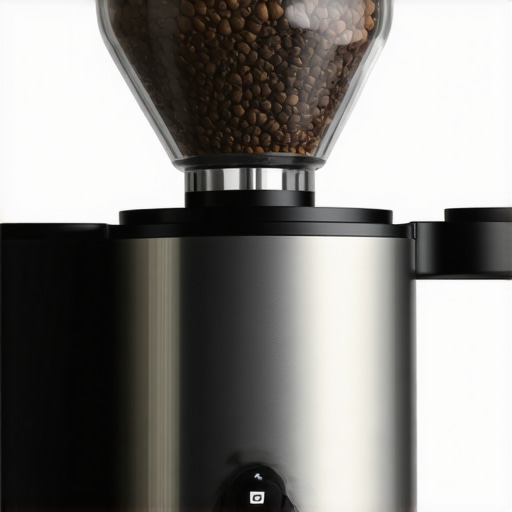
Manage Grind Settings for Consistent Load
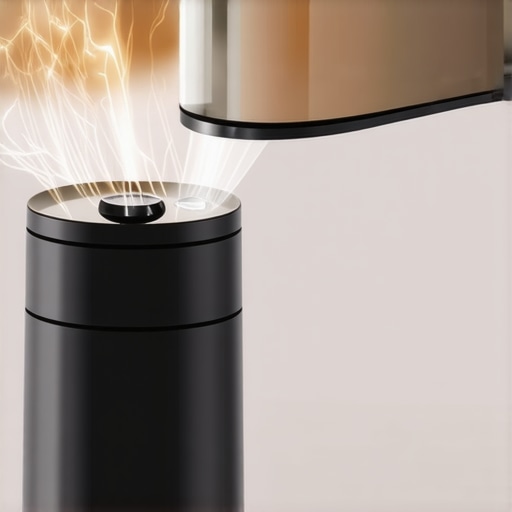
Adjust your grind size carefully based on your brewing method and environmental humidity. Coarser settings mean less resistance, but too coarse can lead to under-extraction. Fine-tuning your settings reduces strain on the motor. Understand that static buildup can also cause grinding resistance—use a dosing funnel to minimize static and keep coffee flow smooth. I once forgot a dosing funnel and ended up with static sparks near my grinder, which I mitigated by adding a funnel, and my motor worked flawlessly afterward.
Control Your Load and Overwork Risks
Resist the urge to grind excessive amounts at once; this overloads the motor unnecessarily. Divide your coffee into small batches that match your shot volume—this prevents overheating. If you experience frequent stalls, check if your grinder is heating up too quickly during use; heavy loading can lead to thermal shutdowns. Regularly inspect and replace worn burrs to keep grinding resistance low. Also, avoid grinding directly into the espresso machine’s portafilter repeatedly, as this can cause burr jams and increase motor strain. Incorporate a calibrated adjustment to maintain consistency and prevent overloading.
Many enthusiasts believe that investing in high-end espresso machines automatically guarantees café-quality drinks. However, in my experience, this is a myth; even top-tier equipment can fall short without proper technique and nuanced understanding of the process. One common misconception is that grind size alone determines shot quality, but the real magic lies in how the grinder’s settings interact with dosage, tamping, and machine calibration. Overlooking these details often leads to over-extraction or under-extraction, tarnishing an otherwise perfect setup. Additionally, many forget that consistent temperature stability in machines—often touted as a luxury—plays a critical role in flavor extraction. According to coffee expert James Hoffmann, temperature fluctuations are a silent enemy to shot consistency, especially in home machines lacking advanced PID control systems. So, while a beautiful espresso machine might look impressive, mastering the subtleties of grind distribution, puck prep, and temperature management elevates your brewing from good to extraordinary. Beware of relying solely on visual inspection of crema as a gauge of quality; factors like static and grind dust can mislead even seasoned baristas. Regular maintenance of grinders and brewing gear, along with calibrated pressure settings, ensures that your equipment doesn’t become an unseen bottleneck. Feel free to check out our detailed guide on mastering the art of home espresso to identify overlooked nuances that can improve your results. Have you ever fallen into this trap? Let me know in the comments, and remember: true mastery comes from understanding what often goes unnoticed.
Maintaining a reliable and efficient home espresso setup requires more than just selecting quality equipment; it hinges on the right tools and maintenance routines that ensure longevity and consistent performance. Personally, I swear by a few specialized tools that have saved me countless headaches and brewed some of my best shots. Investing in these tools isn’t just about fixing issues as they arise—it’s about fostering a sustainable brewing environment that adapts to your growing skill and enthusiasm.
How do I maintain my espresso equipment over time?
First, think of your tools as partners in your coffee journey. A high-quality cleaning brush specifically designed for portafilter baskets is indispensable. I use mine weekly to scrub away residual oils and coffee grounds, which, if left uncleaned, can cause clogging and flavor degradation. An inexpensive but highly effective steam wand cleaning kit keeps your steaming performance in top shape—clean steam wands prevent milk splatters and bacterial buildup, ensuring safety and taste integrity.
For grinders, a precision burr grinder alignment tool is crucial. I personally use this to recalibrate my grinder every few months, which keeps grind consistency sharp and prevents motor stress. Since static buildup can cause coffee grounds to stick to surfaces, leveling up with a ductive static eliminator reduces mess and strain on your grinder’s motor. Regularly inspecting and replacing worn burrs, guided by a calibration tool, ensures your grind size remains precise, preventing unnecessary motor work and stalls.
Additionally, an accurate digital coffee scale is my walk-and-talk partner for dose precision. Being meticulous about dosing prevents overloading or underloading your portafilter, which directly affects pressure and extraction. Recently, I learned from a barista expert that consistent dosing also reduces wear and tear on pressure valves and seals—another reason to get it right every time.
Lastly, a high-quality coffee grinder and espresso machine of proven reliability form the foundation. As I anticipate advances in home brewing technology, integrating smart tools and software—like apps that monitor your grinder’s motor load or alert you when maintenance is due—is on the horizon, promising even more consistency and ease of use.
What about long-term results and scaling your setup?
To achieve long-term results, commit to routine maintenance with these tools and understand your equipment’s quirks. As your expertise grows, consider investing in modular components like advanced barista gear and upgrades that support higher volumes or finer control. Scaling seamlessly requires equipment that’s compatible and easy to maintain—look for user-friendly calibration tools and replaceable parts to keep your setup performing at its peak without frequent professional servicing. Remember, a well-maintained grinder and machine paired with precise tools will produce better shots over months and years, reducing replacement costs and frustration.
If you are ready to elevate your home espresso game, I highly recommend trying the detailed calibration techniques I mentioned earlier—they’re surprisingly straightforward and can significantly improve consistency. For expert guidance and tailored recommendations, don’t hesitate to reach out.
To see the latest in high-end espresso gear and smart maintenance solutions, check out the top-rated espresso machines for 2025. Staying proactive with your tools guarantees your home setup will delight you for years to come.
The Cost of Overlooking Small Details in Your Home Espresso Setup
One of the biggest lessons I learned was that neglecting the little things—like burr sharpness or static buildup—can silently sabotage your entire brewing process. I once ignored routine burr cleaning, assuming my grinder was fine, only to face frequent stalls and inconsistent shots. That’s when I realized that daily attentiveness to your grinder’s condition is the real secret to long-term success. Small habits, like regularly replacing worn burrs and managing static, can save you from sudden breakdowns and costly repairs, turning your home espresso routine into a seamless experience.
Secrets from My Coffee Ritual That Changed Everything
- Think Beyond Quantity: Grinding less in small batches keeps the motor cool and prevents overheating, saving you from mid-session stalls. I found that grind fatigue isn’t just about the grinder’s age but how I manage its workload.
- Calibrate and Clean Regularly: Using calibration tools and deep-cleaning with dedicated brushes ensures consistent grind size and reduces static, which slashes resistance. Trust me, a clean, well-calibrated grinder feels like a new machine every time.
- Static Management is Key: Static can be sneaky, causing uneven grind and motor strain. Adding a static eliminator or using a dosing funnel makes a difference—I keep static sparks at bay for smoother grinding sessions.
- Pay Attention to Equipment Quirks: My grinder’s adjustment dial once slipped, throwing off my doses and stressing the motor. Staying alert to such quirks has kept my setup reliable for years.
Tools I Use That Make a Difference
- Cleaning brushes for portafilters: Essential for daily maintenance, preventing build-up that causes grinding resistance.
- Accurate coffee scales: Precise dosing is crucial; consistency translates directly into fewer stalls and better shots.
- Burr calibration tools: Keeping your burrs sharp and grinders aligned prolongs motor health and ensures perfect grind size every time.
- Static eliminators: Minimize static buildup to improve grind flow and reduce resistance on the motor.
Ignite Your Passion and Keep Moving Forward
Great coffee isn’t just about high-end machines or exotic beans; it’s about understanding your equipment deeply and nurturing it with routine care. The journey to flawless home espresso is ongoing—each小 improvement builds toward mastery. Embrace the process, stay curious, and remember that even seasoned baristas continually learn new tricks. Keep nurturing your setup with care and patience, and your espresso game will only get better. Ready to elevate your home brew? Dive into detailed calibration guides and gear reviews at our comprehensive resource hub. What’s the one small tweak you plan to start with today to improve your espresso experience? Let me know below.