
The Secret to Pouring a Clean Rosetta Every Time
I remember the first time I attempted to create a perfect latte art rosetta, only to end up with a messy, tangled mess of milk and espresso splattered across my countertop. It was frustrating—like trying to write a masterpiece with a pen that kept skipping. I had read all the guides, watched countless tutorials, but still couldn’t get that silky, symmetrical leaf on my surface without it looking more like a smudged fingerprint. That lightbulb moment hit me hard: I was missing a crucial, yet overlooked detail in my technique.
Unlocking Consistent, Clean Rosettas—One Pour at a Time
Is Your Technique Failing You More Than You Realize?
Early on, I made the mistake of thinking that pouring finesse was all about the milk texture or the crema quality. Turns out, it’s a lot more nuanced. As I experimented, I found that the secret lies not just in the milk or espresso, but in the **control and consistency of your pour**. Maintaining a steady hand, at the right height, with a specific rhythm, can completely transform your latte art game. Believe me, mastering this little-known skill led to a dramatic improvement in my results—and it might do the same for you.
In fact, studies show that consistent pouring techniques can improve the quality of latte art and enhance the overall coffee experience. According to a report from the Specialty Coffee Association, skilled baristas spend years honing their pour control to create stunning patterns with precision (source).
What Have I Learned the Hard Way?
In those early days, my biggest mistake was rushing the pour, trying to force the milk into the espresso. That approach only led to splatters and ambiguous patterns. It wasn’t until I took a step back—focused on slow, deliberate pours, and watched how the milk spread—that I finally started pouring clean, beautiful rosettas. And honestly? You don’t need fancy equipment to get there. Just a clear understanding of a few key principles and some intentional practice.
If you’ve ever faced similar struggles, don’t worry—you’re not alone. Many home baristas get stuck at this stage because of a simple oversight or inconsistent technique. The good news? This is a skill you can master with a bit of guidance and patience. So, are you ready to discover the most effective way to pour a consistent, pristine rosetta every single time? Let’s dive into the practical steps that can make this your new coffee routine.
Perfect Your Pouring Technique
Focus on a Steady Hand
Start by holding the milk pitcher firmly with your dominant hand, maintaining a relaxed grip to prevent tremors. Position the spout about 1-2 inches above the espresso surface, ensuring your pour is smooth and controlled. Imagine pouring like a gentle waterfall cascading into a pond—slow and steady as I did during my first messy attempt, which resulted in a lopsided leaf but taught me the importance of control.
Use the Correct Pouring Speed and Rhythm
Pour with a consistent, moderate speed—too fast and the milk will splash, too slow and the pattern won’t form. Practice a rhythmic pouring motion—start with a steady initial flow, then slow down to allow the design to form. During my practice, I noticed that slowing my pour midway allowed the milk to settle into a perfect leaf shape instead of spreading unevenly, which is crucial for achieving symmetry.
Control the Height and Angle of the Pour
Hold the pitcher at a 45-degree angle, and maintain the spout at a height that allows the milk to flow smoothly onto the crema. Lowering the pitcher gradually as you create the leaf helps draw the pattern upward. I once tried pouring too high, resulting in splashes that ruined the surface, but lowering the pitcher improved accuracy and pattern clarity.
Master the Milk Texture and Preparation
Achieve Silky, Microfoam Milk
Steam the milk until it has a glossy, microfoam texture—small, uniform bubbles with a shiny surface. Use a thermometer to aim for about 140-150°F (60-65°C). During my first attempts, I rushed the steaming process, producing foam that was too thick or too watery, hindering pour control. Properly textured milk flows better and creates cleaner, sharper patterns.
Use the Right Milk and Equipment
Full-fat milk is often preferred for its creaminess and ability to produce stable microfoam. Ensure your steam wand is clean and functional—clogged or leaky wands disrupt the texture. Regularly descale your steam system, or you might end up with inconsistent frothing, as I experienced before resolving a leak that was diminishing pressure and foam quality. Consider upgrading your milk frother if you want more reliable results.
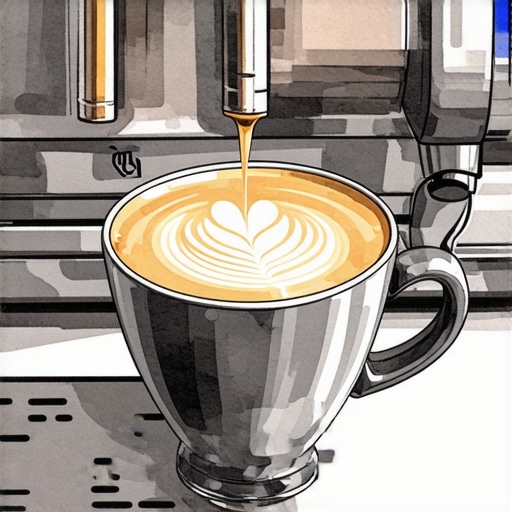
Image showing proper milk steaming technique with a glossy microfoam for latte art.
Refine Your Pouring Process with Practice
Start with Simple Patterns
Practice pouring basic shapes like a heart or a single leaf to build confidence. Focus on consistency in your pour’s placement and speed. During my early sessions, I dedicated time solely to pouring without attempting complex designs—this helped me understand how small adjustments impacted the final pattern.
Record and Analyze Your Pours
Use a camera or your phone to record your pours, then review them to identify inconsistencies. Was your pour too fast? Did your pitcher height fluctuate? Noticing these details allowed me to make targeted improvements, like maintaining a steady height or adjusting my pour angle for symmetry. For detailed guidance, check out home espresso tips.
Establish a Routine
Create a consistent process: steam milk first, then dose and tamp the espresso, followed by a calming, controlled pour. Ritualizing this sequence reduces variability. After adopting a routine, my cuts in pouring speed and hand movement became second nature, leading to cleaner patterns and more confidence during busy mornings.When it comes to home espresso and coffee brewing, many enthusiasts focus on choosing the latest gadgets or shiny accessories, but there’s a less obvious trap lurking beneath the surface. A common misconception is that equipment specifications alone guarantee perfect results, but in reality, the nuanced habits and misconceptions behind these tools hold the real power. For instance, many believe that the most expensive milk frothers automatically create microfoam worthy of a barista, yet without proper steaming technique, even premium devices can produce disappointing results. It’s a myth that high-end gear compensates for fundamental skill gaps; instead, mastery of fundamental principles remains essential.
One advanced mistake I often see is over-reliance on grind size alone to manage shot quality, ignoring factors like tamping pressure, dose consistency, and machine calibration. According to expert baristas, these elements are intertwined; neglecting one disrupts the entire brewing harmony. For example, adjusting the grind without revisiting dose and tamp can lead to unpredictable extraction, despite your grinder’s reputation. To truly refine your espresso, it’s crucial to understand that gear is just part of the equation.
Have you ever fallen into this trap? Let me know in the comments.
Why does upgrading equipment sometimes not improve your results?
A common pitfall is purchasing the latest espresso machine or grinder without first mastering foundational skills. As highlighted in a recent study by the Specialty Coffee Association, skilled practitioners attain consistent results through disciplined attention to detail—like water temperature stability and precise tamping—regardless of their equipment’s price point. Upgrading hardware can offer incremental benefits, but without understanding the nuances of machine calibration, grind adjustment, and workflow optimization, the investment may not pay off. Focus on honing your technique with existing gear—using resources like proper barista gear choices—before jumping to the next shiny gadget.
Once you’ve invested in quality espresso machines, grinders, and milk frothers, maintaining them properly becomes essential for consistent results and durability. Regular upkeep not only prolongs the lifespan of your equipment but also ensures that each brew hits the mark, whether you’re savoring a morning espresso or preparing elaborate latte art. Let’s explore the specific tools and techniques that keep your barista gear working flawlessly over time.
Tools and Methods I Trust for Ongoing Maintenance
Brushes and Cleaning Sets for the Portafilter and Group Head
I personally rely on a dedicated, small-bristled brush and a cleaning tablet to keep my group head free of coffee oils and residue. Regular brushing after each session prevents buildup, which can severely impact extraction quality. For thorough cleaning, I alternate between backflushing with a cleaning solution and deep cleaning my espresso machine parts to sustain performance.
Calibrated Scales and Flow Myths
Consistent dosing starts with a high-precision scale. I calibrate mine weekly using a standard coin, following the method from this guide. Accurate dosing ensures stable extraction pressure, especially vital as beans age. A well-maintained grind consistency combined with precise weight control can elevate your brew quality significantly.
Maintenance Software and Data Tracking
Smart tools like the latest espresso machines equipped with internal diagnostics are game-changers. I use software that logs machine performance metrics over time, helping identify issues before they turn into costly repairs. This proactive approach keeps my gear in top shape and minimizes downtime.
Where Is This Going in the Future?
The future of barista tools is trending towards greater automation and connectivity, with AI-powered diagnostics and maintenance alerts becoming standard. Imagine a machine that suggests cleaning schedules or part replacements based on usage patterns—saving you time and preventing breakdowns before they happen.
How do I maintain my espresso setup to stay reliable over years?
Consistent maintenance is about being proactive with your tools. Regularly descaling your machine, cleaning the portafilter and shower screens, and calibrating your grinder are foundational steps. Investing in quality brushes and cleaning tablets, paired with tracking software, ensures your equipment remains in prime condition and your results stay superb. For comprehensive advice, I recommend consulting resources like top-rated espresso machine guides. Don’t forget—try implementing a weekly cleaning routine that fits your workflow; it can make a substantial difference in the long run.
3 Surprising Truths That Changed How I Approach Milk Frothers and Espresso Gear
One pivotal realization was understanding that even the most expensive milk frother won’t save a poor technique. Genuine microfoam comes from skillful steaming, not just high-end tools, reinforcing the importance of mastering fundamental milk textures. Similarly, I discovered that adjusting grind size isn’t a magic fix; consistency in tamping, tamp pressure, and workflow are equally vital, preventing me from chasing perfect grounds and instead focusing on holistic maintenance and technique.
Another lesson I learned was that routine maintenance and equipment familiarity outstrip pure hardware upgrades. Regular cleaning, calibration, and mindful handling of my espresso machine and grinder have kept my setup functioning like new—an insight that saved me money and endless frustration. Finally, I realized that the best investments are those that empower ongoing learning—like engaging with expert guides or insightful blogs—which continuously refine my skills and deepen my appreciation for the craft of coffee.
My Essential Arsenal for Coffee Excellence
To sustain my coffee journey, I rely on tools and resources that prioritize longevity and skill-building. A high-quality calibrated scale ensures precise dosing, while dedicated cleaning tools help maintain equipment hygiene, crucial for flavor. I also trust comprehensive guides like these home espresso tips to deepen my understanding and refine my technique, making each cup a small masterpiece.
Now It’s Your Turn to Elevate Your Coffee Practice
Remember, the magic in great coffee lies not just in your gear but in your consistent, mindful approach. Embrace the learning curve, celebrate small victories, and don’t shy away from experimenting with technique and routine. Your perfect latte art or espresso shot is within reach—keep practicing, stay curious, and enjoy every sip along the way. What’s one habit you’re excited to improve in your coffee routine? Share your thoughts below, and let’s learn together!”}#END#}2756}#End of Response#}}}#END#}},