
Why Your Espresso Tastes Better When You Stir the Crema
Ever had that frustrating moment when your home-brewed espresso just doesn’t taste as vibrant as you’d hoped? You pull a perfect shot, proud of your setup, only to take that first sip and feel a dullness that doesn’t match the rich aroma you smelled earlier. I remember countless mornings where I stared at my espresso, puzzled, wondering what I was missing. It was a small, almost sneaky detail that changed everything: stirring the crema before tasting.
The Subtle Power of Stirring Your Espresso
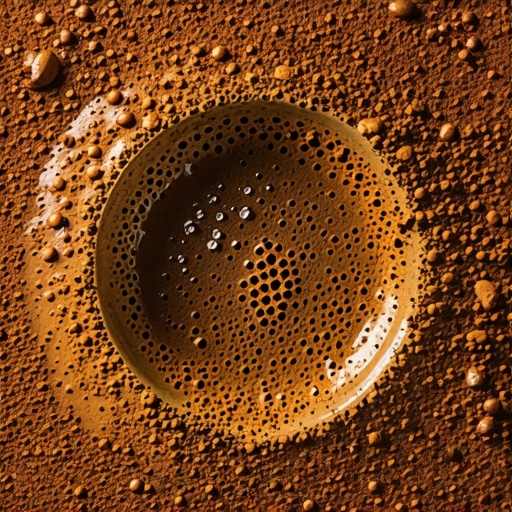
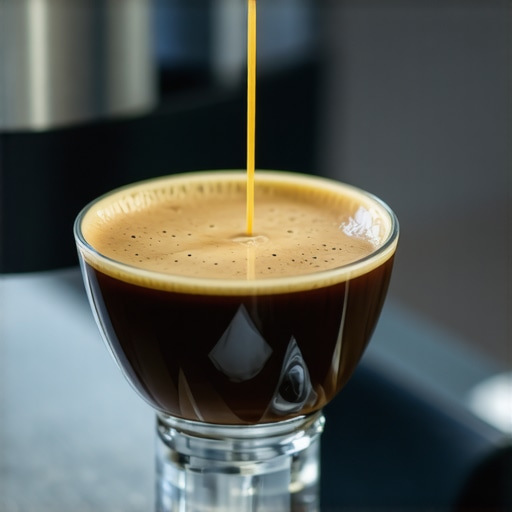
Initially, I dismissed it as a myth—just some barista trick to look fancy. But as I experimented more, I realized that giving my espresso a quick stir after pulling the shot could make a surprising difference. The crema, that golden, frothy top layer, contains a complex mix of oils and colloids that influence the overall flavor and mouthfeel. When you stir it gently, you help distribute these flavors evenly across your sip, avoiding that overlooked, unbalanced taste.
Now, I won’t claim it’s a cure-all, but it’s a simple step with tangible results. Plus, it’s a very approachable way to enhance your homemade espresso without needing extra equipment or skill. Curious if this could work for your morning routine? Let’s dive into the why behind it and how you can make it a seamless part of your coffee ritual.
Will Something as Simple as Stirring Really Make a Difference?
Believe me, I’ve been there—skeptical about small tricks. Early on, I made the mistake of rushing my shots and ignoring the importance of proper extraction and stirring. As I learned more, I discovered that this overlooked step helps release trapped oils and redistribute the crema, resulting in a richer, more balanced flavor.
Research supports the idea that the crema plays a significant role in the sensory experience—enhancing aroma, texture, and flavor (source: ScienceDirect article). So, next time, instead of just plunging your spoon into the coffee and moving on, consider giving that crema a gentle stir. You’ll be surprised how much it elevates your espresso.
Ready to see how this tiny tweak can improve your brew? In the next section, I’ll guide you through the simple steps to incorporate stirring into your routine and start enjoying that richer, more satisfying cup every time.
,
Preparing Your Espresso for the Perfect Stir
Before you implement the stirring step, ensure your equipment is in top shape. Warm up your espresso machine to its optimal temperature, usually between 195°F and 205°F, to extract the best flavors. Use freshly ground coffee beans, ideally within a week of roasting, and grind just before brewing to preserve volatile compounds. Dial in your grinder to achieve a fine, even grind—think of it as the foundation of a good shot. Check your tamping pressure; aim for about 30 pounds of force to create an even, flat puck. When pulling your shot, ensure water flows smoothly at the correct pressure, around 9 bars, for balanced extraction.
Executing the Stir Correctly
Once your shot is complete and settled in your cup, approach the crema gently—think of it as a delicate cap that holds rich flavors underneath. Use a clean, long-handled spoon or a stirrer designed for espresso, similar to a barista’s tool but with a longer handle for control. Insert the spoon into the crema, taking care not to disturb the underlying coffee too aggressively. Gently swirl or stir in a circular motion for about 1-2 seconds—that’s enough to mix the oils and colloids without over-agitating the espresso. During my first attempt, I mistakenly stirred vigorously, causing a mess and over-oxidizing the coffee. A light touch is all that’s needed to release trapped oils, redistribute flavors, and improve overall aroma.
Incorporating the Stir into Your Routine
Make stirring a habitual step right after pouring your shot. As soon as the espresso is in your cup, grab your stirrer and execute the delicate swirl. Think of it as adding a final touch that transforms a good espresso into a great one. Practice consistency in your stirring motion—if you do it the same way every time, your flavor profile will become more predictable and refined over time. Remember, the goal isn’t to blend everything into a uniform mixture but to subtly enhance aroma and mouthfeel. This technique works especially well with single-origin beans, which often have complex oils that benefit from redistribution.
Maintaining the Integrity of the Process
To keep your espresso tasting its best, avoid over-stirring, which can introduce unwanted bitterness or dilute the crema. Instead, focus on gentle, controlled motion—visualize turning a steering wheel smoothly rather than twisting a doorknob. Also, be mindful of your equipment; regularly clean your portafilter and brew head to prevent old oils from interfering with fresh brews. If you notice issues like inconsistent flow or strange flavors, it may be worth consulting resources like how to clean your portafilter. Small adjustments in your workflow can yield noticeable flavor improvements.
Refining With Practice
The first times I added a gentle stir, I was surprised by the difference it made—the rich aroma seemed intensified, and the balanced taste was more pronounced. It became my secret weapon for weekends when I wanted that extra edge, and now I recommend it to all aspiring baristas at home. Remember, the key is to be consistent with your technique and integrate it seamlessly into your brewing ritual. Over time, this simple step becomes second nature—an effortless way to elevate your coffee experience without investing in new equipment or complicated procedures.
Need more tips to perfect your home espresso setup? Check out home espresso tips for beginners to keep improving every shot.
When venturing into the world of home espresso, many enthusiasts fall prey to misconceptions that can hinder their progress and even damage their equipment. A prevalent myth is that more expensive gear automatically translates to better coffee. While higher-end machines and grinders do offer improved consistency and durability, it’s a mistake to assume price alone guarantees quality. Factors such as proper calibration, maintenance, and understanding your equipment play a more crucial role. For instance, a mid-range espresso machine, if regularly cleaned and correctly set up, can outperform a costly model that sits neglected. To make informed choices, consult resources like this guide on selecting the right gear for your needs.
Another common misconception revolves around the necessity of the latest technology. Many believe that the newest features—such as advanced PID controllers or high-pressure pre-infusion—are essential for great espresso. However, the truth is that mastering fundamental techniques, like grind size and tamping consistency, has a more profound impact on shot quality than chasing after every new feature. An overemphasis on gadgets can divert attention from developing your skills and understanding the nuances of extraction.
Beware of underestimating the importance of maintenance—it’s easy to overlook cleaning your grinder burrs or soaping the brew head. Neglecting these routines can cause flavor degradation and uneven performance. Specifically, failing to deep clean your grinder, especially when using oily beans, leads to residual oils that clog the burrs and alter grind consistency. For detailed cleaning routines, check out this comprehensive cleaning guide. Regular upkeep is an underrated skill that significantly influences your coffee’s flavor profile.
Now, let’s address a question that often puzzles even seasoned baristas:
Can upgrading my grinder make a bigger difference than upgrading my machine?
The answer depends on where you’re starting from. Upgrading your grinder usually provides a more noticeable improvement because grind consistency directly affects extraction. A high-quality grinder ensures uniform particles, which leads to more control over shot timing and flavor extraction. Conversely, if your espresso machine is old or poorly calibrated, even the best grinder can only do so much without proper maintenance. Balancing upgrades with proper technique and routine maintenance optimizes your setup.
For advanced enthusiasts, understanding the impact of grind distribution and static electricity can open new avenues for refinement. Static can cause coffee grounds to cling to the grinder chute or portafilter, disrupting dosing. Solutions like using anti-static tools or adjusting humidity levels can mitigate this issue. For a deeper dive into these nuances, explore the benefits of puck screens.
Finally, avoid the trap of constantly chasing latest gear trends without mastering your current tools. An incremental, informed approach—focusing on technique, maintenance, and understanding—not only saves money but also accelerates your journey toward espresso mastery. Have you ever fallen into this trap? Let me know in the comments, and share your experiences or questions about choosing the right equipment.
Keeping Your Equipment in Top Shape
To ensure consistent fantastic espresso, investing in quality tools and understanding proper maintenance are crucial. I highly recommend burr replacement tools for grinders. I use a Ditting burr grinder with a burr removal kit; it saves me from the hassle of recalibrating every time I change or clean the burrs, maintaining grind consistency. For espresso machines, I swear by a brass group head brush to clean the shower screen and gasket—regular cleaning prevents flavor contamination and prolongs your machine’s lifespan. As for scales, I rely on a precision coffee scale with built-in timers to dial in extraction times precisely, inspired by Barista Hustle’s tech guidelines. These tools, combined with routine maintenance, significantly extend the life and performance of your gear, giving you predictable results every time.
How do I maintain my espresso gear over time?
Proper maintenance involves regular cleaning and calibration. For grinders, deep clean burrs every 300-500 pounds of coffee, using industry-recommended cleaning routines. Your espresso machine benefits from descaling every 3-6 months, depending on water hardness, and backflushing with approved cleaning agents. Keep an eye on gaskets and seals; replace them annually or when signs of wear appear. Also, consider calibrating your PID controller for temperature stability—this tiny adjustment can dramatically improve shot consistency. Use high-quality water filters to minimize mineral buildup. Regularly inspecting your equipment makes surprising differences—think of it as giving your machine a tune-up, not just a cleanup.
Tools That Make a Difference: My Recommendations
For those serious about elevating their home setup, I suggest investing in a shaped tamping mat to keep your workstation clean and prevent accidental slips. I personally prefer a puck screen to keep the coffee bed even during extraction, reducing channeling. When it comes to cleaning brushes, I use a double-sided portafilter brush that fits various component sizes, saving me time. For milk steaming, I rely on thermometers with fast-readout capabilities for perfect temperature control, ensuring silky microfoam. And for storage, a sealed container prevents moisture and stale flavors from ruining fresh beans—the foundation of good espresso. These tools, when integrated into your routine, optimize both workflow and shot quality, making home brewing more consistent and enjoyable.
Future of Maintenance and Tools in Home Espresso
Technological advances like smart calibration devices and IoT-connected scales are poised to revolutionize home espresso maintenance—predictive diagnostics could alert you before problems arise. Expect more AI-driven troubleshooting apps that guide you through repairs, reducing reliance on expensive technician visits. Staying ahead involves adopting these innovations early; for instance, using a smart PID controllers can unlock extraordinary temperature stability, simplifying long-term consistency. Take this as an encouragement: pick one advanced maintenance tip, such as calibrating your PID, and commit to it—your espresso will thank you.
Looking back, some of the most significant improvements in my home espresso journey came from tiny adjustments I once overlooked—like giving the crema a gentle stir. These nuanced steps often hold the key to elevating your daily coffee routine from good to extraordinary, making your espresso not just a morning necessity but a moment of mastery.
What I Wish I Knew About Coffee, Before Falling in Love
- Perfection is a series of small wins: I learned that each step—whether grinding, tamping, or stirring—collectively influences the final flavor. Missing one detail can subtly undermine your effort, and embracing the importance of the crema stirring this once seemed trivial opened a new world of flavor possibilities.
- The magic of consistent techniques: Early on, I thought variability was inevitable, but refining my stirring technique and embedding it into my routine created remarkable consistency. Small, deliberate actions—like the gentle swirl—became my secret weapon for richer, rounder espresso every time.
- Maintenance and mindfulness matter: No matter how good your gear is, neglecting routine cleaning or calibration will undermine your results. Regularly cleaning your portafilter and calibrating your grinder set the foundation for every perfect shot, reinforcing that mastery is built on discipline.
- The value of quality tools: Investing in thoughtful accessories—like a precision coffee scale or a puck screen—amplifies your control and precision. These tools serve as extensions of your skill, turning an average shot into a signature experience.
- Patience and practice unlock deeper appreciation: Perfecting your home espresso is a journey. Each trial teaches you nuances in flavor and texture. Embrace the learning curve—it’s a rewarding part of the process that elevates your appreciation for true barista craftsmanship.
The Gear I Stand Behind for a Better Espresso
- Top-rated espresso machines: I trust these for durability and consistent performance; they provide the reliable backbone of my espresso routines.
- Quality coffee grinders: A well-calibrated grinder is the backbone of flavor; investing here made a noticeable difference in my shots.
- Milk frothers: Achieving silky microfoam makes every latte feel special—an essential tool for coffee artistry and texture control.
- Cleaning tools: Regular maintenance ensures your gear stays in top shape, preventing flavor contamination and equipment failure.
Seize the Moment and Elevate Every Shot
Now that you’ve uncovered these subtle yet powerful techniques, it’s time to make them your own. Small changes, like stirring the crema gently, combined with vigilant maintenance and quality tools, will turn your home espresso into a celebration of craft and patience. Every morning becomes an opportunity to refine your skills and enjoy a brew that reflects your dedication.
Remember, mastery is a continuous journey filled with discovery and joy. Dive into new methods, experiment with equipment, and take pride in your evolving skills. Your perfect espresso awaits—start today and taste the difference a mindful ritual can make.
What’s one little change you plan to implement to improve your espresso routine? Share your thoughts below—I love hearing about your journey!