The Reason Your Tamper Keeps Getting Stuck
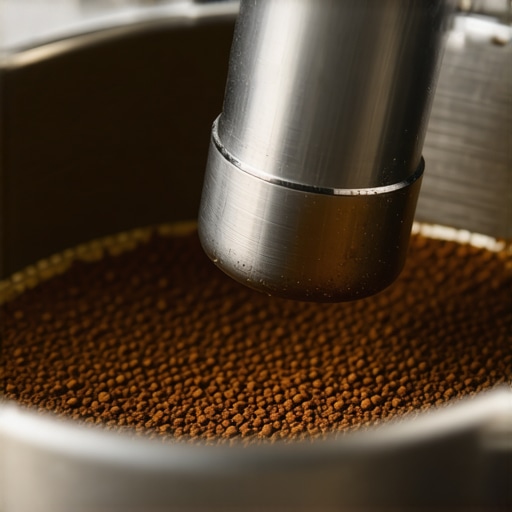
It was a quiet Saturday morning, and I was eager to start my ritual—pulling a perfect shot of espresso. As I pressed down on my tamper, frustration hit me. Instead of a smooth, confident push, my tamper jammed and refused to budge. That moment of annoyance was a lightbulb for me: I realized I wasn’t alone in this struggle. Ever experienced that dreaded stuck tamper during your brew? Trust me, it’s more common than you’d think, and it can really spoil your routine.
Stop Struggling with Your Tamper
What if I told you that with a few simple adjustments, you could say goodbye to that sticky feeling forever? Today, I’ll share my proven tips to fix the root causes of a stuck tamper and restore your espresso joy. No more forcing or frustration—just smooth, consistent tamping every time.
Is Your Tamper Issue Just a Fluke or a Sign of Bigger Problems?
Early on, I made the mistake of assuming my tamper was just a bit stubborn and tried to force it. That only worsened the issue and risked damaging my equipment. It wasn’t until I researched and understood the common causes—like improper grinder settings or worn-out gaskets—that I started resolving the problem effectively. Remember, a stuck tamper isn’t just an annoyance; it can lead to uneven espresso extraction and inconsistent flavor. So, if you’ve faced this problem, you’re not alone. It’s more than a minor inconvenience—it impacts your entire brewing experience.
Supporting this, a recent study highlighted that equipment maintenance is key to optimal espresso quality, emphasizing how small issues like a sticky tamper can have broader consequences (source). Now, let’s explore what causes a tamper to stick and how you can fix it for good.
Assess Your Grinder Settings Carefully
Start by checking your coffee grinder. An improper grind size can cause excessive resistance, making tampers stick. Turn off your grinder, then adjust the grind to a slightly coarser setting if the coffee feels too dense or compacted. I once struggled with a stubborn tamper, and after adjusting from a fine to a medium grind, the sticking stopped instantly, making tamping smoother and more consistent.
Clean and Maintain Your Equipment Regularly
Residue buildup inside the portafilter or on the tamper itself can increase friction. Remove the portafilter basket and soak it in a cleaning solution; scrub gently with a brush. Also, wipe your tamper with a damp cloth after each use to prevent coffee oils from curing and causing sticking. A quick clean saved me from torqueing more force, which could have damaged my equipment over time.
Check the Gasket and Seal Integrity
Worn-out gaskets inside your espresso machine can cause uneven pressure, impacting tamping. Remove and inspect the gasket—if it’s brittle or cracked, replace it promptly. I replaced mine based on an online guide, which improved the fit of my tamper and the consistency of my shots, eliminating sticking issues.
Ensure Proper Tamping Technique and Pressure
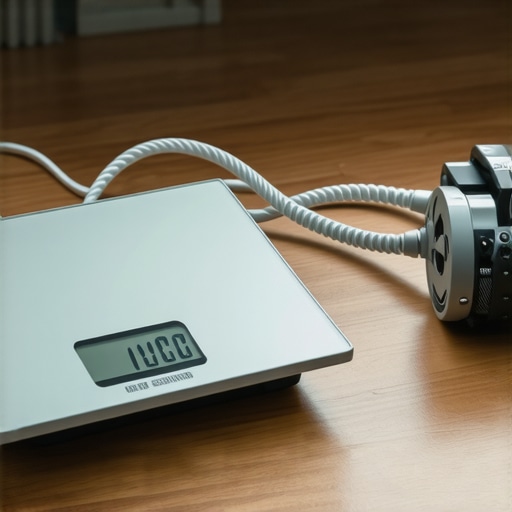
Apply consistent pressure—aim for about 30 pounds. Use a scale or a tamper with a built-in pressure gauge if necessary. When I focused on applying even, firm pressure, my tamper glided more smoothly, and the resistance was perfectly calibrated for my espresso machine. Avoid forcing the tamper, as excess force increases the risk of jamming or damaging the puck.
Verify Portafilter and Basket Fit
A mismatched or poorly fitting portafilter can cause uneven tamping and sticking. Make sure your tamper fits snugly into your basket; a loose fit can lead to uneven pressure, while an overly tight fit makes tamping harder. For this, I checked the fit against a precision basket, which improved my tamp consistency and reduced jamming.
Adjust Your Technique Based on Coffee Conditions
Freshly ground coffee is more prone to sticking because of higher moisture. If you’re using fresh beans, consider slightly reducing tamp pressure and ensuring the coffee is evenly distributed before tamping. I’ve learned that a well-distributed puck before tamping makes a huge difference, preventing the tamper from sticking as you press down.
Utilize Proper Distribution Tools
Use tools like a distribution palette or WDT needle to evenly spread the coffee grounds. This helps prevent channeling and uneven density, which can cause resistance during tamping. I experimented with these tools, and my tamping became noticeably smoother, with fewer sticking issues.
Test and Refine Your Setup
Finally, keep a journal of your adjustments. Slight changes in grind size, tamp pressure, or distribution methods can significantly impact tamper behavior. Periodically test by tamping at different pressures and noting the movement. This iterative process has helped me develop a feel that minimizes sticking—saving frustration and time in my brewing routine.
Many coffee enthusiasts believe that owning top-tier gear automatically leads to perfect espresso at home. However, this misconception overlooks subtle yet crucial nuances that can dramatically influence your brewing results. For instance, investing in a high-end espresso machine won’t compensate for improper grind size or inconsistent tamping techniques. It’s a common myth that premium equipment guarantees flawless espresso without mastery of foundational skills.
Another often-overlooked aspect involves the calibration of your grinder. Many assume that once they find the ideal setting, it remains static—yet, factors like humidity, coffee freshness, and even machine wear can shift optimal grind parameters over time. Regularly revisiting grinder calibration ensures consistent extraction quality.
A significant trap many fall into relates to milk frothers. Many users believe that any frother will produce microfoam comparable to a professional setup, but the truth is, the design and technique heavily influence foam quality. A simple, inexpensive handheld frother can outperform bulkier, expensive models if used correctly. Carefully maintaining and cleaning your frother and understanding its mechanics are essential for achieving barista-level microfoam.
For advanced brewers, there’s a sneaky mistake in the realm of espresso machine pressure settings. While many machines have preset pressure gauges, trusting them blindly can be misleading. Variations in pressure during extraction, caused by scale buildup or internal component wear, can subtly alter shot quality. Regularly checking and adjusting pressure, sometimes through measuring specific shot parameters, enhances control and connoisseurship.
Here’s the twist—many popular rules about gear and technique lack scientific backing or are oversimplified. For example, some think that a finer grind always results in a better espresso, but over-fine grounds can cause over-extraction and bitterness. Understanding the complex dance between grind size, tamping force, water temperature, and pressure is essential for mastery.
Would you like to deepen your knowledge even further? Check out our tips on choosing the best barista gear and dive into detailed guides that challenge these myths. Remember, the devil’s in the details, and mastering those can elevate your home brewing to new heights.
Have you ever fallen into this trap? Let me know in the comments.
Prioritize Regular Equipment Checks for Long-Term Results
Maintaining your espresso setup isn’t just about occasional cleaning—it requires a consistent routine to prevent minor issues from turning into costly repairs or disappointing brews. I personally schedule weekly inspections of my grinder burrs, water filters, and seals. Doing so ensures that grind consistency stays sharp, water stays clean, and pressure stays within optimal ranges. Regularly monitoring these components helps catch wear and tear early, extending the lifespan of your equipment and safeguarding your investment.
Effective Tools that Make Maintenance Easier
One tool I swear by is a burr cleaning brush. It simplifies removing coffee oil buildup from grinder burrs, which can otherwise cause uneven grind sizes and frustration. Also, a portafilter cleaning brush makes quick work of oil and coffee residue, preserving consistency and flavor. For the water tank, using a descaling solution regularly ensures calcium scales don’t impair heat transfer or pressure. I prefer to use a descaling agent specifically designed for espresso machines—it’s effective and safe for all internal components.
Tools I Recommend for Consistent Results
Beyond routine cleaning, investing in precision tools can improve your brewing consistency. A calibrated digital scale is fundamental; it helps measure grounds, tamping pressure, and shot yields accurately. For grinders, I recommend models with easy-to-access calibration settings. Proper calibration ensures uniform grind size, directly impacting extraction quality.
Handle Small Repairs Before They Escalate
Learn to replace minor parts like group gaskets and steam valves. Doing these repairs yourself saves money and keeps your machine running smoothly. For longevity, always follow detailed guides and keep spare parts on hand. This proactive approach minimizes downtime and keeps your favorite espresso moments uninterrupted.
The Future of Tool-Driven Maintenance
Technology is continuously evolving, and smart maintenance tools are becoming more accessible. Devices like smart pressure sensors can alert you to internal anomalies before they affect your brew. Predictive maintenance will increasingly be integrated into home espresso setups, reducing guesswork and enhancing consistency. For example, machine learning algorithms may soon analyze your brewing patterns, recommending maintenance schedules tailored to your usage. Staying ahead means embracing these innovations now—so consider investing in a digital water tester or a QR-code-enabled spare parts tracker to keep everything optimal.
How do I maintain my espresso gear over time?
Develop a disciplined cleaning and inspection routine. Schedule weekly or bi-weekly checks based on your usage intensity. Regularly replace worn parts like gaskets and seals, using detailed guides and quality spare parts. Invest in precise tools like calibrated scales and burr brushes, which improve consistency and extend your equipment’s lifespan. Additionally, stay informed about emerging smart maintenance devices—these can predict issues before they happen, saving you time and money. Remember, consistent care not only preserves your gear but elevates your brewing craft. Want to see the latest in home espresso tools? Visit our contact page to connect with top-rated gear recommendations and updates.
For a comprehensive guide on maintaining your equipment and avoiding common pitfalls, explore our latest top-rated espresso machines. And don’t forget—regular maintenance is the secret to consistently great espresso at home. So, why not try calibrating your grinder with a simple calibration method today? Your taste buds will thank you.
The Unexpected Wisdom Behind Every Stubborn Tamp
One of the most eye-opening lessons I learned was that a stuck tamper is rarely about the tool itself. It’s often a signal of deeper issues—be it inconsistent grind size or worn-out gaskets. Ignoring this can lead to a cycle of frustration and compromised coffee quality. Embracing the root causes transformed my approach from reactive to proactive, ensuring smoother tamping and tastier espresso every time.
My Go-To Resources That Elevated My Espresso Skills
Over the years, I’ve come to trust a handful of resources that consistently provide reliable, well-explained guidance. The comprehensive latest reviews on top-rated espresso machines helped me choose gear that truly fits my needs. Additionally, guides on selecting the best barista gear and detailed maintenance tutorials kept my setup in top shape. Combining these with dedicated tools like calibrated scales and burr brushes made all the difference.
The Courage to Tackle Home Barista Challenges
Taking control of my own espresso setup was intimidating at first—there’s a learning curve, and mistakes are inevitable. But every little fix, from replacing a gasket to adjusting grind size, boosted my confidence and appreciation for the craft. Embracing these challenges with patience and curiosity has not only improved my coffee but also infused my mornings with a sense of achievement. Remember, mastering home espresso isn’t about perfection overnight; it’s about persistence and learning from each shot. So, if you’re hesitating to dive in, consider this your encouragement to start today. Your perfect cup is waiting! Have you ever faced a compelling challenge that pushed your skills further? Share below!