
The Problem with Leaving Water in Your Reservoir Overnight
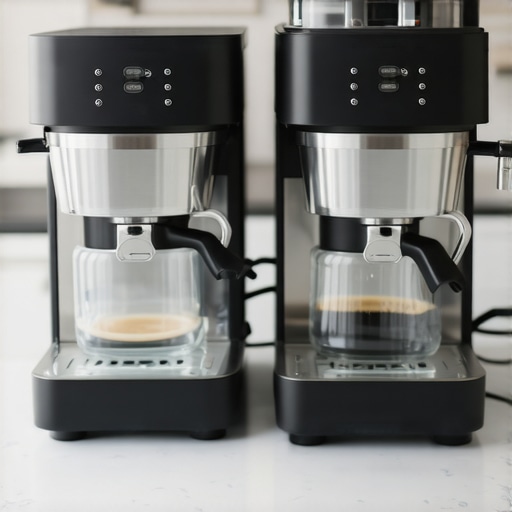
It happened to me on a busy morning—waking up, eager to brew my first espresso, only to be greeted by a faint musty smell wafting from my machine. I had left the water reservoir in overnight without a second thought, assuming it wouldn’t make much difference. That small oversight turned into a frustrating cleanup and a compromised shot of espresso. If you’ve ever experienced a strange taste or an unexpected buildup, you’re not alone. Many home baristas overlook this minor detail, but it can have a surprisingly big impact on your coffee quality.
Why Water Left Overnight Can Ruin Your Coffee Experience
The core issue lies in the stagnation of water—left sitting in your reservoir for hours or even overnight. Over time, this water becomes a breeding ground for bacteria, mold, and mineral deposits. According to a study in the
Journal of Food Protection, bacteria can proliferate rapidly in stagnant water, potentially affecting both health and flavor. Even if you’re diligent about cleaning, residual bacteria and mold spores can linger, leading to off-flavors and potential health concerns.
But beyond health, there’s the matter of taste and machine longevity. Water that’s been sitting can develop a musty odor, which inadvertently transfers to your espresso. Over time, mineral buildup can also clog your machine’s internal components, making it run less efficiently and requiring more maintenance.
Now, I know what you might be thinking—”Is this really such a big deal?” Well, early on, I ignored this issue. I believed occasional rinsing was enough. That mistake cost me multiple cleanings and a week of troubleshooting. I learned the hard way that a simple habit—draining and refilling the reservoir daily—can preserve both your machine’s health and your coffee’s purity. Curious about how to keep your machine spotless and flavorful? Stay tuned. We’ll walk through straightforward steps you can implement today to prevent this common pitfall.
Are you tired of that stale taste or unexplained mold buildup every time you turn on your espresso machine? You’re not alone, and there’s an easy fix. Keep reading, and I’ll show you exactly what to do to protect your brew and your health.
Empty and Refill Your Water Reservoir Daily
Start by making it a habit to drain the water from your espresso machine’s reservoir every evening. Use a clean towel to wipe any remaining moisture from the tank and the surrounding area. Then, refill with fresh, filtered water in the morning before brewing. I once overlooked this step, leaving water overnight, which resulted in a sour taste that persisted for days. Once I adopted this routine, the flavor of my espresso noticeably improved, and I avoided that musty smell.
Perform Regular Deep Cleaning of the Water Tank
Schedule a weekly deep clean of your water reservoir using a mixture of vinegar and water or a specialized descaling solution. Remove the tank according to your machine’s instructions, scrub it gently with a soft brush or cloth, and rinse thoroughly. This step helps eliminate mineral deposits and mold spores that accumulate over time. I once forgot to do this for a month, leading to a clogged water inlet and a significant decrease in machine efficiency. Now, I follow this cleaning routine religiously, ensuring clean water every shot.
Use Filtered Water to Minimize Mineral Buildup
Switch to filtered or soft water instead of tap water. Hard water contains minerals that can settle inside your machine, causing scale buildup and affecting flavor. I invested in a countertop water filter, and the difference was immediate: cleaner water, better-tasting espresso, and less frequent descaling. Check out this guide on choosing the right coffee grinder for optimal flavor extraction, which pairs well with clean water.
Keep the Water Container Dry and Odor-Free
After cleaning, dry the water reservoir thoroughly before refilling. Moisture trapped inside can promote bacterial growth and mold. Use a clean cloth to wipe down the interior and lid. I once neglected this, leading to a mildewy smell that tainted my espresso. Now, I always inspect and dry the container properly, maintaining a fresh-tasting brew every time.
Maintain Your Machine’s Internal Components
Beyond the reservoir, regularly descale your machine’s internal pathways. Consult your machine’s manual or visit a professional service if needed. Regular descaling—every 1-3 months depending on usage—removes mineral buildup that can cause plumbing issues or flavor degradation. I use a descaling solution and follow the manufacturer’s instructions precisely, ensuring optimal performance and taste.
When diving into the world of home espresso, many enthusiasts fall prey to misconceptions that can hinder their progress. One pervasive myth is that investing in the most expensive gear guarantees perfect results every time. While premium equipment can offer improved consistency, real mastery comes from understanding the nuances of your specific tools and how they interact with your workflow. For example, a high-end espresso machine won’t compensate for poor grind size or tamping technique; these are often overlooked but critical factors. Believe me, I’ve seen countless setups where the gear was top-notch, yet the results were mediocre because of overlooked details.
What advanced mistakes do even seasoned home baristas make without realizing?
A common trap is neglecting regular calibration of grinders or ignoring the importance of temperature stability during extraction. Studies have shown that small inconsistencies in machine temperature can significantly affect flavor extraction, leading to either under- or over-extraction. According to experts, like those cited in the Journal of Food Quality, precision in temperature and grind consistency can make or break a shot. Moreover, many assume that milk frothing is just about steaming milk, but the real art involves controlling temperature, milk type, and even pitcher angle to create microfoam ideal for latte art. Check out this guide on milk frothers to refine your skills.
Another advanced nuance is the importance of airflow management in espresso extraction. Small adjustments in pre-infusion pressure and flow rate can influence crema formation and flavor profile. Many overlook these parameters, focusing solely on grind setting or machine cleanliness. Remember, even tiny variations can lead to inconsistent shots, which is why being methodical and precise elevates your home barista game.
Beware of the trap: twisting knobs without understanding pressure and flow dynamics
I’ve seen many users blindly adjust pressure gauges or tweak grinder settings without grasping the underlying mechanics, leading to worse results and inconsistent outcomes. The key is understanding your machine’s specifications and how each component contributes to extraction quality. For detailed insights, consider consulting professional resources or contacting experts through sites like our contact page. To master these advanced aspects, it’s worth investing time in learning about pressure profiling, temperature surfing, and proper workflow routines. These aren’t just niche skills—they’re what separate good home baristas from the truly great ones. So, next time you’re troubleshooting a shot, remember that the devil is in the details. Have you ever fallen into this trap? Let me know in the comments and share your experiences with overlooked nuances in your coffee journey.
Keep Your Gear Running Smoothly: Tools I Rely On
Maintaining a high-quality pour requires more than just buying good equipment; it demands regular upkeep and the right tools. I personally recommend investing in a set of high-quality cleaning brushes and a burr cleaning kit. These tools allow me to thoroughly clean my grinder burrs every few weeks, preventing static buildup and ensuring consistent grind size, which directly impacts shot quality. Also, a good calibration scale is indispensable for dialing in precise doses—I’ve found that weighing my grounds and tamping pressure revolutionized my consistency.
How do I maintain equipment over time?
Consistency is key, and regular maintenance extends the lifespan of your appliances. For my espresso machine, I set a bi-weekly reminder to descale using a descaling solution, following strict instructions to prevent mineral buildup. A digital stopwatch helps me time shots with precision, ensuring I don’t over- or under-extract, which is crucial for flavor. When it comes to milk frothers, I use a specialized cleaner to prevent mold and bacteria—this extends the lifespan and maintains lather quality.
The Future of Maintenance and Automation
Looking ahead, I see a trend towards smart coffee gear featuring automatic cleaning cycles and IoT connectivity. This will make routine maintenance even easier, with devices alerting you when they’re due for descaling or filter changes. For now, the best approach remains diligent manual care combined with high-quality tools. If you haven’t already, try calibrating your grinder with a precision scale—it’s a game-changer for consistent extraction and flavor. Proper maintenance not only safeguards your investment but also keeps your coffee tasting top-notch, shot after shot.
In my journey as a home barista, I learned that the smallest habits can significantly influence the quality of your coffee. One of the most overlooked yet impactful practices is daily maintenance of your water reservoir and equipment care. A simple morning routine—draining and refilling your water tank—can preserve your machine’s lifespan and ensure each shot tastes fresh and vibrant. Neglecting this step led me to encounter mold, stale flavors, and unnecessary repairs, reminding me that consistency in care is key to elevating your espresso game.
Lessons That Changed My Coffee World
- Don’t underestimate routine cleaning: Regularly descale and clean your water tank and internal components. I once postponed descaling, and my espresso machine started leaking, which was costly and time-consuming to fix. Now, I schedule maintenance every 1-2 months, and my machine performs flawlessly.
- Use filtered water without exception: Hard tap water accelerates mineral buildup and mold growth. I switched to filtered water, dramatically reducing cleaning time and enhancing flavor. This small change gave my espresso a noticeable boost in clarity and sweetness.
- Diligence beats equipment: No matter how high-end your machine, neglecting routine care diminishes results. Understanding your gear, like calibrating the grinder or controlling temperature, unlocks consistent excellence. I learned that even advanced machines need attentive handling to achieve professional-level shots.
- Master the small details: Drying components after cleaning prevents bacteria growth. I used to skip this, leading to musty smells. Now, I always dry and inspect before use, ensuring a pristine taste every time.
- Stay curious and proactive: Embrace continuous learning—read guides, experiment, and seek expert advice. Regularly visiting resources, such as trusted industry guides, keeps your skills sharp and your setup optimized.
My Essential Arsenal for a Better Brew
Investing in quality tools has transformed my routine. A burr cleaning kit makes maintenance effortless and preserves grind consistency, directly influencing flavor. A calibration scale allows precise dosing, leading to shot reproducibility. For deep cleaning, a descaling solution and regular inspections prevent mineral buildup. These tools—paired with dedicated time—fuel my confidence in every cup and extend my equipment’s lifespan.
Your Coffee Evolution Starts Now
Every great barista begins with a desire to learn and a commitment to care. By adopting these habits—staying vigilant about water quality, routine cleaning, and continuous education—you set yourself on a path toward mastery. Remember, the journey to perfect espresso is driven by consistency, curiosity, and love for the craft. Ready to transform your home coffee experience? Dive in, experiment, and savor each shot as a celebration of your progress.
What has been the most surprising lesson you’ve learned in maintaining your home espresso setup? Share your stories below—your insights might inspire someone else on their coffee journey.