How to Freeze Coffee Beans Without Adding Moisture
There was a morning not too long ago when I spilled a bag of freshly roasted coffee beans all over my kitchen counter. Frustration boiled as I realized I couldn’t just toss them into my freezer without risking moisture ruining their precious oils and flavor. Ever found yourself in a similar pinch, staring at a handful of beans and wondering how to keep them fresh without sacrificing taste?
Why Freezing Coffee Beans Can Make or Break Your Brew
I’ve learned through lots of trial and error that freezing coffee beans is a double-edged sword. If done correctly, it can preserve flavors and extend freshness; if not, it turns your carefully selected beans into a stale disaster. The key? Preventing moisture from sneaking in during the thawing process. Moisture is the nemesis of quality coffee—destroying essential oils and causing uneven extraction. A study from the Specialty Coffee Association highlights how improper storage can degrade beans’ flavor compounds by up to 50% within a month.
Have You Faced This Problem?
If you’ve ever opened a bag of beans only to find flat, dull coffee after freezing or freezing and then noticing condensation, you’re not alone. It’s a common struggle among home baristas and coffee enthusiasts. I used to just toss beans into the freezer, thinking it was the best way to prolong freshness. But I soon learned that if I didn’t take proper precautions, I was doing more harm than good. Today, I’ll share my proven methods to freeze coffee beans without adding moisture, so your brew remains vibrant and full-bodied every time.
Prepare Your Coffee Beans for Freezing Correctly
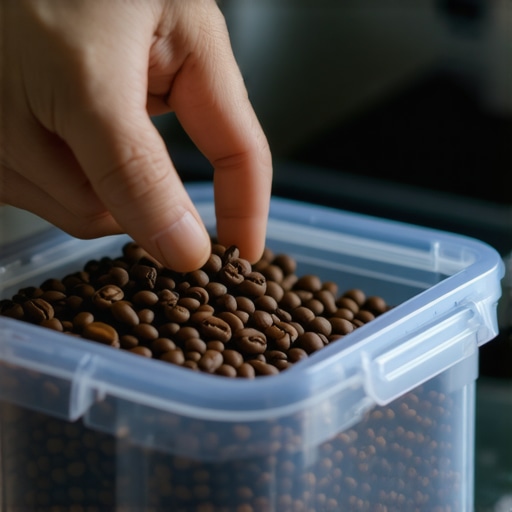
Start by dividing your beans into small, airtight portions—around 1/4 pound each. Place each portion into a vacuum-sealable bag or a container with a tight seal. I remember the first time I did this—I used freezer bags without removing the air, which led to freezer burn and loss of flavor. To avoid this, squeeze out as much air as possible or use a vacuum sealer. Label each bag with the date, so you consume the oldest first. This step ensures minimal exposure to moisture and air, vital for maintaining flavor integrity.
Use the Right Packaging Techniques
Wrap the coffee tightly with plastic wrap before sealing it in the bag. Think of it as wrapping a present—you want every inch reinforced to prevent air or moisture from seeping in. For containers, choose opaque, airtight ones and fill them to the brim to eliminate space for air. Remember, oxygen and moisture are your enemy; minimizing their contact preserves your beans’ oils and aromas longer. I once stored beans in a partially open jar, and within weeks, they lost their vibrant flavor—lessons learned the hard way!
Implement Proper Freezing and Thawing Procedures
Place your packaged beans in the coldest part of your freezer, ideally at 0°F (-18°C). Avoid freezing and thawing repeatedly; this causes condensation, which ruins the beans. When you’re ready to use them, take out only what you need. Thaw the beans at room temperature for about 15-20 minutes, keeping the bag sealed until then to prevent moisture from forming on the beans. A mistake I often made was removing frozen beans and immediately grinding—resulting in uneven extraction due to moisture. Allowing them to reach room temperature first maintains dry, pure grounds for optimal flavor.
Limit Exposure to Air and Moisture During Handling
Handle the beans with dry, clean utensils and avoid opening the bag multiple times. Every time you expose beans to air, you risk moisture and oxidation. When grinding, use a burr grinder for consistent particle size—especially important if your beans have been frozen, as uneven grounds can lead to bitter or sour shots. I recommend cleaning your grinder burrs regularly; accumulated oils or debris can subtly affect taste and grind consistency—learn more about grinder maintenance here. Proper handling ensures your beans stay flavorful from freezer to cup.
Many home baristas believe that owning top-tier equipment guarantees perfect coffee every time. However, there are subtle nuances and misconceptions that can undermine even the most expensive setups. For instance, a prevalent myth is that higher-priced grinders always produce better espresso. While cost can correlate with quality, the key lies in understanding grind consistency and particle size distribution—something I detail in this guide. An often-overlooked mistake is neglecting routine maintenance, which can drastically impact flavor and machine longevity. Regular cleaning of coffee grounds and oils, especially in grinders and group heads, is vital for optimal extraction, as explained in this article.
Investing in Reliable Equipment for Longevity
Long-term success with your home espresso setup hinges on choosing equipment that is both durable and easy to maintain. I personally rely on a good quality burr grinder like the Baratza Sette 270Wi, which offers consistent particle size and straightforward cleaning routines, crucial for maintaining flavor integrity over time. When selecting an espresso machine, I recommend models that feature accessible service ports and clear descaling indicators—such as the DeLonghi La Specialista—which simplify routine upkeep and troubleshooting.
Tools I Keep in My Barista Arsenal
Beyond the core equipment, I advocate for specific tools that streamline maintenance and improve results. A high-quality tamping station ensures consistent pressure application, vital for reliable extraction. I also keep a calibrated scale handy—like the Acaia Pearl—so I can precisely measure coffee dose and extraction yield, leading to reproducible shots and easier troubleshooting. Regularly cleaning your grinder burrs with brushes like the best tools for cleaning your grinder burrs will extend their lifespan and prevent flavor contamination.
Implementing Routine Maintenance for Peak Performance
Establish a schedule for descaling your espresso machine—using straightforward solutions like citric acid-based descalers—and clean your grinder and portafilter weekly. Descaling is especially critical as mineral buildup can hinder heat transfer and pump function; for detailed guidance, visit this descaling guide. Additionally, inspecting seals and gaskets periodically prevents leaks and maintains optimal pressure. Keeping your steam wand clean with vinegar solutions or specialized cleaning brushes ensures consistent milk frothing and reduces bacterial buildup.
Future Trends in Home Barista Maintenance
Looking ahead, I predict a rise in smart coffee gear with integrated sensors that alert you to maintenance needs before problems escalate. Technologies like app-connected scales or ultrasonic cleaning devices could become standard, simplifying routine upkeep. Staying informed about these innovations is key—subscribe to industry updates or follow the latest news here. Implementing advanced tools now, such as routinely calibrating grinders or using specialized cleaning kits, elevates your home setup from good to professional-grade and ensures consistent quality for years to come.
How do I maintain my espresso gear over time?
Consistent care starts with knowing exactly when and how to service each component. Regularly check your machine’s manual for recommended cleaning schedules and use dedicated tools, like professional-grade cleaning brushes for burr and group head maintenance. Remember, investing time in preventive routines reduces long-term repair costs and keeps your coffee tasting superb. Try setting a weekly reminder to perform a thorough cleaning, and you’ll notice a tangible difference in shot clarity and flavor over months. For more personalized advice, don’t hesitate to reach out here and share your setup challenges.
Lessons You Won’t Find in Typical Barista Tips
One of the most eye-opening revelations in my journey was realizing that not all storage methods are created equal—especially when it comes to freezing coffee beans. I used to think that tossing beans in the freezer was a save-all; turns out, subtle nuances like packaging airtightness and thawing techniques make all the difference. The hardest lesson I learned was that repeatedly freezing and defrosting destroys the delicate balance of oils and aromas, which, once lost, can’t be recovered. This led me to develop a meticulous approach—dividing beans into small, vacuum-sealed portions and thawing only what I need—to preserve their vibrant flavors. Understanding this changed my entire brewing game, elevating my espresso shots from dull to extraordinary.
Tools to Elevate Your Coffee Preservation Game
There are a few trusted resources that transformed how I store and handle coffee beans. First, a high-quality vacuum sealer became my best friend—ensuring minimal oxygen exposure and preventing freezer burn. My go-to choice is the FoodSaver, appreciated for its reliability and ease of use. Additionally, I rely on opaque, airtight containers like the Airscape canisters—these keep light and air out while maintaining freshness over weeks. For a comprehensive understanding, I highly recommend exploring this guide on choosing the right grinder, as proper grinding post-thaw is equally essential. Lastly, I consult specialized barista forums and blogs—like this resource—where seasoned enthusiasts share their latest storage hacks and insights, ensuring I stay ahead of the curve.
Embrace Your Barista Journey With Confidence
Deciding to refine your coffee storage and handling skills is about more than just preservation—it’s a full-hearted move towards consistently brewing stunning espresso at home. Your dedication to applying these nuanced techniques will translate into richer crema, deeper flavor, and a more satisfying experience with every cup. Remember, every great barista started as a beginner, and mastering the art of storing your beans is a powerful step in that journey. Whether you’re experimenting with different packaging or exploring new equipment, keep your passion alive. For ongoing tips and advice, don’t hesitate to reach out here. You’re already on the path—now it’s time to elevate your coffee craft to new heights.