How to Calibrate Volumetric Buttons on a Commercial Machine
I’ll never forget the bittersweet moment when I first tried to dial in the perfect shot on my commercial espresso machine. The anticipation, the hope for that flawless crema, only to be met with inconsistent pours and a frustrating tug-of-war with the volumetric buttons. If you’ve ever felt that surge of disappointment—believing you’ve just wasted valuable time and beans—you’re not alone. I’ve been there, too, and I know how disheartening it can be. But here’s the good news: properly calibrating your machine’s volumetric buttons isn’t just possible; it’s essential for achieving the consistency every barista aspires to.
Why calibration makes all the difference for your coffee’s quality
Many assume that once a commercial espresso machine is set, it will just keep pouring perfect shots. Sadly, that’s not how it works in real life. Over time, factors like machine wear, water quality, and even regular use can throw off your dosing volumes. That’s why learning how to accurately calibrate the volumetric buttons is vital. Proper calibration ensures each shot has the right amount of coffee, leading to consistent extraction and flavor. Skipping this step might seem minor, but it can cause a cascade of issues—rancid flavors, uneven crema, or even over-extraction.
Is calibration really worth the effort?
Here’s where I initially went wrong. I assumed that once set, my machine would stay calibrated forever. That mistake cost me both time and quality. Early on, I overlooked the importance of regular recalibration, which led to inconsistent shots and frustration at peak hours. Trust me: the effort to calibrate regularly pays off more than you’d think—and the best part is, it’s a straightforward process once you know how. If you’re tired of unpredictable pours, stay tuned. We’re going to walk through the steps to bring your volumetric buttons back into perfect sync, ensuring your coffee always hits the mark. Ready to make your machine do the heavy lifting for you? Let’s dive in and restore that confidence in your espresso.
.
Gather Your Tools and Prepare for Calibration
Before diving into the calibration process, ensure your espresso machine is clean, warmed up, and placed on a stable surface. You’ll need a precise digital scale, a stopwatch or timer, and a cup to catch the poured water. Having these ready streamlines the process and minimizes errors. Remember, consistency in your setup leads to better calibration results.
Start with a Baseline Shot
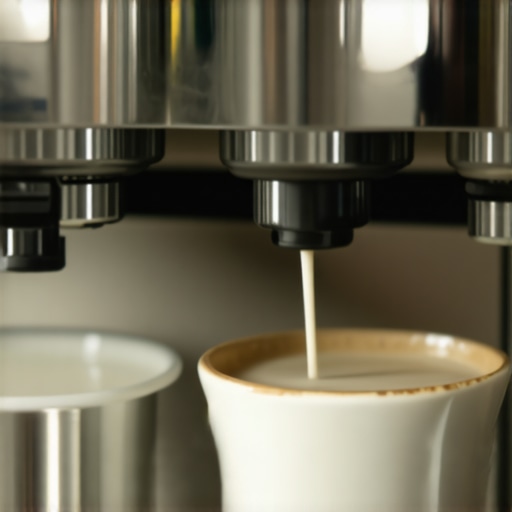
Begin by programming your volumetric buttons to dispense a typical shot volume—say, 30 ml. Place your cup on the scale, press the button, and stop when you’ve reached the target volume. Note the exact volume and time taken. This initial test provides a reference point to determine if your machine’s dispensing is accurate or needs adjustment.
Adjust the Dispenser Volume
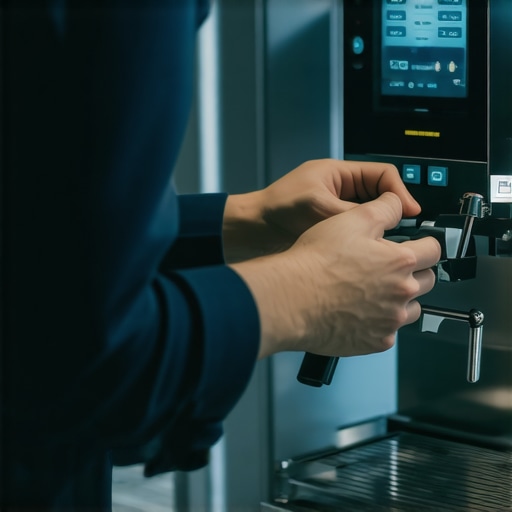
Locate your machine’s calibration menu or adjustment screws, depending on the model. For machines with digital calibration settings, access the menu through the control panel. For mechanical adjustments, use the appropriate tools—often a small screwdriver—to tweak the dispensing volume. Turn increments gradually, and avoid over-adjusting to prevent discrepancies later.
Test and Fine-Tune
Repeat the pouring process—press the button, weigh the shot, and record the volume and time. If the measured volume deviates from your target, recalibrate accordingly. For example, if it pours 28 ml instead of 30 ml, calibrate to increase the volume slightly. Repeat this step until the poured volume consistently matches your desired amount within 1 ml accuracy.
Micro-Story: I once calibrated my machine during a slow weekend. After several attempts, I achieved a perfect 30 ml shot in exactly 25 seconds, resulting in more consistent extraction and flavor. The messy part was only a bit of water on the counter, but the satisfaction of precision made it worthwhile.
Confirm Consistency Across Multiple Shots
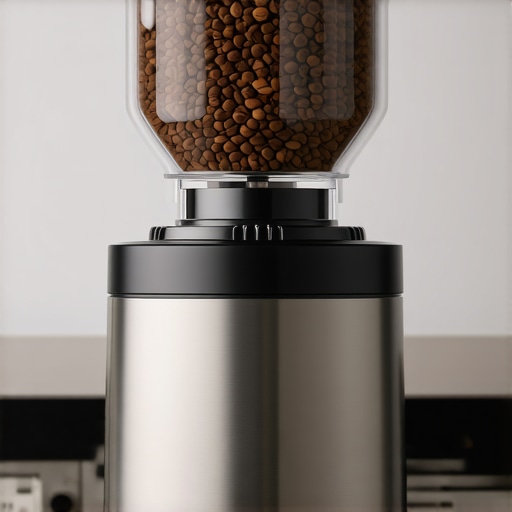
Once your calibration seems spot-on, test by pouring multiple shots—five or more—and verify each one. Look for minimal variation in volume and timing. Consistent shots mean your calibration holds, reducing guesswork during busy service hours and improving overall coffee quality. For further precision, consider calibrating your grinder as well; improper grind size can impact extraction regardless of volume accuracy. Check out this guide for detailed steps.
Maintain Calibration Regularly
Factors like water quality, machine wear, or cleaning can throw off your calibration over time. Schedule routine checks—every few weeks or after significant maintenance—to keep your shots flawless. Also, remember that water hardness can affect machine internals and dosing accuracy. If you notice inconsistency, consider testing your water setup or visiting this article for more insights.
Implementing Optimization Techniques
If you’re still struggling to find the perfect dose, explore advanced options like installing external flow restrictors or precision valves. These tools can provide finer control over dosing volume and speed. A quick upgrade can save you hours of calibration frustration and improve repeatability. For inspiration on gear upgrades, browse this resource.
Emphasize Practice and Patience
Calibration isn’t a one-time task; it’s an ongoing process. Spend time practicing, taking notes, and tweaking settings until your shots are consistently perfect. Remember, even a slight adjustment can dramatically improve your espresso quality. Over time, calibration becomes second nature, enhancing your overall barista skills and making every cup a pleasure to brew.
Many enthusiasts believe that purchasing high-end espresso gear guarantees flawless results, but in reality, most get tripped up by overlookings nuances that can make or break their brew. For instance, a popular myth is that the most expensive grinder always produces the best espresso, yet many overlook that grinder maintenance and proper calibration are equally vital. Regularly inspecting and cleaning your burrs, as discussed in our [best tools for cleaning grinder burrs](https://espressotechguide.com/the-best-tools-for-cleaning-your-grinder-burrs), ensures consistency and longevity. Another misconception is assuming that all milk frothers are created equal; in his detailed review, the [milk frothers that transform your coffee experience](https://espressotechguide.com/milk-frothers-that-transform-your-coffee-experience) reveal subtle differences that impact texture and flavor. Home espresso setups often suffer from a trap where users think that a cheap machine can’t produce quality espresso, but with proper technique and calibration—like following our [home espresso tips for beginners](https://espressotechguide.com/mastering-the-art-of-home-espresso-tips-for-beginners)—any enthusiast can elevate their brewing game. Crucially, many overlook the importance of water quality; hard water can lead to mineral buildup and machine inefficiency, a concern addressed in [why your water softener might be ruining your espresso](https://espressotechguide.com/why-your-water-softener-might-be-ruining-your-espresso). For advanced readers, a key question often avoided is: How does pressure profiling influence shot quality? A recent study published in the *Journal of Coffee Science* highlights that precise pressure control during extraction dramatically improves flavor balance, especially with specialty beans. This nuance underscores that, beyond equipment, understanding the physics of extraction opens new avenues for refinement. Remember, in the pursuit of perfect espresso, mastery involves more than just gear—it’s about understanding and managing these hidden factors.
Have you ever fallen into this trap? Let me know in the comments.
Invest in Quality Maintenance Tools for Longevity
Maintaining your coffee gear isn’t just about cleaning—it’s about investing in the right tools that ensure consistency and durability over time. I personally swear by a high-precision digital caliper when adjusting grinder burrs, as even a tenth of a millimeter can drastically affect flavor extraction. This small but vital tool helps me calibrate my grinder with surgical accuracy, preventing uneven grinds and channeling. For cleaning, I rely on the best tools for cleaning grinder burrs, which include a burr brush and ultrasonic cleaner—kits that have saved hours and extended the lifespan of my equipment.
Top-Recommended Software for Monitoring Performance
Monitoring your machine’s health with software has become a game-changer. I use a Bluetooth-enabled temperature probe connected to a mobile app to track brew temperature fluctuations in real-time. Consistent temperature is crucial, and this setup allows me to pinpoint issues like uneven heat distribution that can impact shot quality. Future trends suggest that smarter machines embedded with IoT sensors will make these checks even more seamless, potentially alerting you when maintenance is needed before problems escalate. The calibration of your grinder and other parameters can be optimized with such tools for truly professional results.
How do I keep my gear performing at its best over time?
Regular maintenance is key. Schedule weekly cleaning routines, including backflushing your espresso machine and deep-cleaning your grinder. Using specialized cleaning tablets for espresso machines and brushes for grinders prevents buildup that can insulate components and cause them to overheat or malfunction. Also, inspecting seals and gaskets periodically ensures that water doesn’t leak or lose pressure, which can compromise extraction quality. Remember, a broken or worn component isn’t just a minor inconvenience—it can toss off your calibration and ruin your coffee. Incorporate checks into your weekly routine, and consider keeping spare parts handy to minimize downtime. For detailed guidance, check out this article that helps you spot crucial signs of failure early.
Scaling Up Your Gear: When and How?
Thinking ahead, scaling your setup involves both understanding your current needs and anticipating future demands. As your setup evolves, investing in commercial-grade grinders or multiple espresso machines might be necessary. Modular tools that allow quick swap-outs—like quick-change portafilters or upgradeable boilers—are invaluable. I recommend evaluating the right gear for expansion to ensure seamless growth. Remember, the goal is to maintain consistency and quality, regardless of scale. Additionally, integrating a maintenance plan that aligns with your scaling plans ensures long-term performance and customer satisfaction.
Make Maintenance Routine a Habit
Adopting a proactive maintenance mindset will save you headaches and expenses in the long run. For example, setting weekly reminders to descale, clean, and inspect your equipment creates a habit that keeps your gear in top shape. A study published in the *Journal of Coffee Science* underscores that regular maintenance significantly extends the lifespan of espresso machines and grinders, maintaining optimal performance and flavor fidelity. Try implementing a dedicated maintenance schedule this week, and you’ll notice the difference in your coffee quality and machine reliability—it’s the best way to keep everything working smoothly without surprises.
The Lessons My Coffee Journey Revealed About Calibration and Care
One of the most profound lessons I learned was how crucial routine maintenance and a keen eye for detail are in achieving that perfect shot. Early missteps taught me that trusting equipment without understanding its quirks leads to inconsistency. The real secret lies in obsessively fine-tuning each component, from grinder burrs to pressure gauges, and embracing meticulous calibration—it’s an art form that elevates your entire espresso game.
Tools and Resources That Transformed My Coffee World
If you want to unlock the true potential of your barista gear, I recommend investing in a burr brush set for detailed cleaning, a digital caliper to calibrate your grinder with precision, and a performance monitoring app to track your machine’s health over time. These tools empower you to troubleshoot, refine, and consistently produce top-tier espresso shots, turning a routine task into a satisfying craft.
Embrace the Journey—Your Barista Future Awaits
Every coffee enthusiast’s path is unique, and the journey to mastery is as rewarding as the brew itself. Don’t hesitate to experiment, to learn from your mistakes, and to cherish each improvement. Remember, calibrating your gear regularly and understanding its inner workings are the secret ingredients that will keep your espresso experience exciting and consistently delicious. Dive in, stay curious, and let your passion for great coffee guide you toward mastery—your perfect shot is just a calibration away.