Why Your Grinder Settings Feel Like They Changed Overnight
Yesterday, my espresso was a thick, syrupy dream. This morning? It’s a watery, sour tragedy that looks more like tea than a ristretto. I didn’t touch the adjustment collar. I didn’t change the beans. I just woke up, and suddenly, the universe decided I didn’t deserve caffeine. It’s a maddening ritual that every home barista faces, and it usually happens right when you’re in a rush. I’ve been there—staring at my machine in disbelief, wondering if I accidentally bumped the dial while cleaning or if the ghost of a disgruntled barista is haunting my kitchen. But the truth is much more scientific, and honestly, a bit more annoying. Today, we’re going to stop the guessing game and fix your shot consistency for good.
The Mystery of the Shifting Burrs
When I first started mastering the art of home espresso, I made the classic mistake of thinking my equipment was failing me. I spent hours tightening screws that weren’t loose. I even started researching how to select the perfect coffee grinder for your brew because I was convinced mine was a lemon. I didn’t realize that even the best way to clean a grinder won’t save you if you don’t account for the environment. Coffee is essentially a sponge. According to research from the Specialty Coffee Association, roasted coffee beans are highly hygroscopic, meaning they actively absorb moisture from the air. A humid morning can make your beans softer and more pliable, while a dry, cold night makes them brittle. This changes how they shatter, which changes your flow rate.
Is my grinder actually broken or am I just bad at this?
It is the most common fear in the hobby. You feel like you’ve lost your touch. You start to wonder if those grinder burrs are getting too hot or if the internal gears are slipping. Relax; you aren’t bad at this, and your machine is likely fine. You’re just fighting physics.
Why Your Kitchen Air is Ruining Your Workflow
[IMAGE_PLACEHOLDER] The real culprit is usually the ‘overnight shift.’ As beans sit in the hopper, they degas, losing CO2 that provides resistance during the pull. If you leave your beans out, they age faster than you think. Have you ever dialed in a shot perfectly on a Sunday, only to have it fail miserably by Monday morning? If so, you’re not alone. We need to look at how temperature, humidity, and simple bean aging conspire against your perfect morning latte.
Flush the Stale Bits First
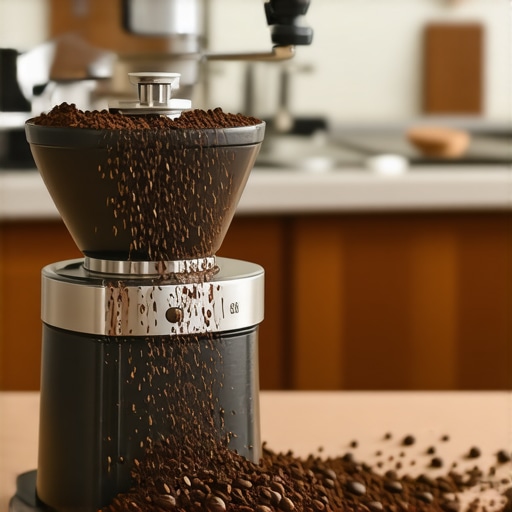
You can’t expect a fresh shot if you’re using yesterday’s leftovers. Most grinders have a ‘retention’ problem, where a few grams of ground coffee sit in the chute between the burrs and the exit. Overnight, these grounds oxidize and lose their structural integrity. When you pull your first shot of the day, you’re getting a mix of fresh beans and stale dust. This is why I always recommend a ‘purge.’ Before you even look at your portafilter, grind about five grams of coffee and toss it. It feels wasteful, but it’s the only way to ensure the coffee in your basket matches the setting on your dial. If you find your coffee grounds are clumping together even after a purge, you might be dealing with static or deep-seated oils. I learned this the hard way during a humid week last July. I was getting wildly different times for every shot until I realized the best way to clean a grinder without losing your settings is a quick purge and a brush-out of the chute every single morning.
Small Dial Tweaks Save the Morning
Think of your grinder adjustment collar like a steering wheel on a highway; you don’t need to jerk it 90 degrees to stay in your lane. Most people see a fast shot and panic, cranking the dial two full numbers finer. Don’t do that. You want to make adjustments in tiny increments—no more than a hair’s breadth at a time. If your shot is flowing too fast, you need to tighten the gap between the burrs to create more resistance. Conversely, if you see that your espresso shot is blonde from the very start, you are likely dealing with massive channeling or a grind that is so coarse it offers no resistance at all.
Identify the Stream Color Early
You can actually diagnose your shot just by watching the spout. You need to identify under-extracted espresso by the color of the stream before the timer even hits twenty seconds. A dark, syrupy flow that stays consistent is the goal. If it turns light yellow and watery early on, your grind is too coarse for today’s humidity. I remember one rainy Tuesday where my first shot gushed out in fifteen seconds. Instead of rebuilding my entire workflow, I moved my dial exactly one notch finer. The next shot was a perfect 30-second honey-like extraction. This is why choosing the best barista gear for coffee enthusiasts often means prioritizing a grinder with a stepless adjustment—it gives you the precision to handle these micro-changes.
Stop Moisture from Ruining Your Extraction
If it’s a particularly hot day, you might notice your grinder burrs are getting hot during a single dose, which further changes the beans’ behavior. Heat expands the metal and changes the distance between the burrs. In these cases, the freezer trick for cleaner grinding on hot days can be a lifesaver for single-dosing enthusiasts, as it keeps the bean temperature stable as they enter the grinder. Also, keep your milk prep separate. If you use high-end milk frothers that transform your coffee experience, make sure the steam isn’t blowing directly toward your hopper. Steam is just moisture waiting to ruin your beans.Let’s look at the ‘freshness’ trap. Every beginner is told that fresh coffee is the key to life, but that’s a dangerous oversimplification. If you try to pull a shot with beans roasted only 24 hours ago, you’re going to have a bad time. High levels of CO2 cause massive turbulence inside the puck, leading to erratic flow and a gassy, acidic taste. Experts at the Coffee Science Foundation have noted that for espresso, beans often need five to ten days to ‘settle’ so the gas doesn’t disrupt the water’s path. If you’ve ever wondered how to tell if your coffee beans are too fresh for espresso, look for excessive crema that dissipates almost instantly—it’s a sign your shot is more air than essence. Another nuance often missed is burr alignment. You can spend thousands on top-rated espresso machines for coffee lovers in 2025, but if your grinder burrs aren’t perfectly parallel, you’ll still get a mix of boulders and dust. This is where the tinfoil shim move for perfectly aligned grinders becomes a legitimate pro skill. It sounds like a ‘hack,’ but it’s a precision adjustment that even high-end manufacturers sometimes miss during assembly.
Why does my steam wand lose all its power when I need it most?
This is a classic nuance issue related to boiler recovery and thermal management. Most people don’t realize that if you don’t purge the condensation out properly, you’re injecting liquid water into your milk, which kills the texture before you even start. If you notice why your steam wand loses pressure halfway through frothing, it might be that your boiler is prioritized for brewing or you’ve accidentally created a vacuum in the line. Furthermore, we need to address the ‘consistency’ myth of tamping. Many hobbyists think they need to push with fifty pounds of force, but research suggests that once the air is removed from the puck, extra force does nothing. This is the truth about using spring-loaded tampers for even shots—they aren’t about power, but about levelness. Also, please, stop the madness with home remedies. I’ve seen countless forum posts suggesting you use rice to clean your burrs. This is the fastest way to jam your motor or dull your expensive steel blades. Knowing why you should never use rice to clean your high-end grinder will save you hundreds in repair costs. Instead, stick to dedicated cleaning tablets and a simple brush. Have you ever fallen into this trap? Let me know in the comments. We’re all one bad cleaning habit away from a broken machine.
Beyond the daily grind, your long-term success depends on a maintenance schedule that doesn’t feel like a chore. I’ve found that the little habits prevent the big, expensive failures. For example, the 2-minute habit that prevents clogged steam wands is as simple as a post-milk purge and a quick damp wipe, yet so many people skip it until they realize why your steam tip holes keep clogging every single day. I personally keep a dedicated microfiber cloth just for the wand—never use the same one you use on the drip tray, as you don’t want old coffee oils mixing with fresh milk. Speaking of noise, if your setup sounds like a construction site every time you pull a shot, I swear by the simple cardboard trick to quiet a vibrating machine. It is a low-tech fix for a high-end problem that keeps the peace in my house during early mornings.
How do I maintain my espresso machine over time?
Long-term health is almost entirely about water quality. If you ever see why your e61 mushroom is covered in white crust, you have already waited too long to address the minerals in your tank. According to the La Marzocco Water Specification Chart, water with a total hardness exceeding 90 ppm will inevitably lead to scale buildup that chokes your flow and damages sensors. I recommend learning how to tell if your machine boiler is accumulating lime scale early so you can utilize the best way to descale a boiler without using harsh vinegar. This keeps the internal copper and brass from leaching metallic tastes into your morning cup.
When it comes to your grinder, deep cleans are non-negotiable for flavor clarity. Every month, I use the cotton swab trick for cleaning hidden grinder crevices to remove the rancid oils that build up in the adjustment threads. It makes the dial feel smooth as butter and ensures no ‘ghost’ flavors from last month’s beans haunt your current brew. Looking toward the future, I predict we will see more machines with integrated ‘smart’ mineral sensors that alert us to scale before it becomes a catastrophe. For now, we rely on our senses. If you notice how to fix the annoying drip after your espresso shot stops, you are usually just one group head gasket change away from perfection. When choosing the best barista gear for coffee enthusiasts, always prioritize equipment that is easy to take apart and service yourself. I want you to try one thing this week: pull your shower screen and soak it in backflush detergent. You might be horrified by what is hiding up there, but your next shot will taste noticeably cleaner.
Hard Truths from My Five-Year Battle with the Portafilter
Looking back at my journey, I realize that the biggest hurdle wasn’t my equipment—it was my expectations. First, accept that the ‘God Shot’ is an outlier, not a daily standard. Your goal should be ‘delicious and repeatable.’ Second, you must respect the environment; a rainy day will always require a finer grind than a sunny one. I finally found peace when I realized the move for better espresso without buying a new machine is simply paying closer attention to the humidity and the age of your beans. Lastly, trust your palate over your timer. If the shot tastes incredible but took 40 seconds to pull, don’t change a thing. Science is the foundation, but your taste buds are the final judge when mastering the art of home espresso.
Tools That Keep My Coffee Honest
You don’t need a thousand gadgets, but a few specific tools make the difference between frustration and a perfect latte. I swear by a dedicated jewelry scale for weighing your dose and your yield; precision is the only way to diagnose why a shot failed. I also recommend a high-quality WDT tool, though you must ensure your wdt tool pins aren’t too thick for light roasts or you will actually create more channels than you fix. For those looking to go deeper, I suggest reading ‘How to Make the Best Coffee at Home’ by James Hoffmann, which simplifies the complex physics of extraction better than any manual. When choosing the best barista gear for coffee enthusiasts, always look for items that solve a specific problem in your workflow rather than just adding aesthetic flair.
Don’t Chase Perfection Every Single Morning
The beauty of making home espresso is the ritual itself, not just the caffeine at the end. Some days the dial-in will be effortless, and other days you’ll feel like you’re fighting the laws of physics. Don’t let a sour shot ruin your morning. Take a breath, purge a few grams, and try again with a tiny adjustment. This hobby is a marathon of sensory discovery, and every ‘bad’ shot is just data helping you understand your beans a little better. Have you ever had a perfect shot go completely sideways the very next morning without changing any settings? Let me know your most frustrating espresso mysteries in the comments below!