Why Your Coffee Scale Doesn’t Fit Under Your Portafilter
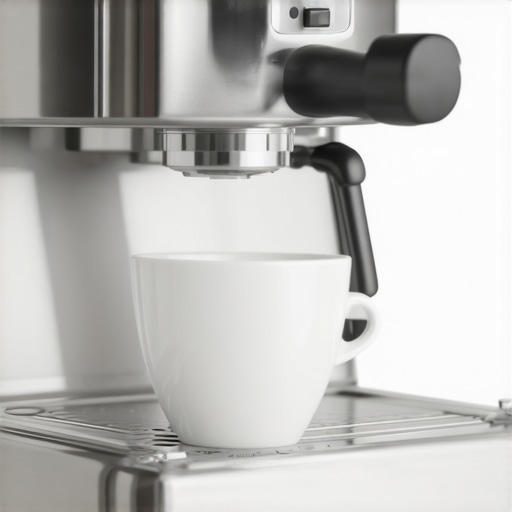
I remember the morning I finally decided to get serious about my ratios. I’d just unboxed this beautiful, brushed-metal scale—the kind that looks like it belongs in a high-end chemistry lab. I tared my favorite ceramic mug, slid it onto the scale, and tried to nudge the whole assembly under my machine. Clink. The rim of my cup jammed right against the spouts. I tried to tilt it, but then the scale lost its balance and started flashing an error code. Ten minutes later, I had a puddle of lukewarm espresso on the counter and a very bruised ego. It’s a classic home barista rite of passage: buying the ‘best’ gear only to realize that physics doesn’t care about your budget. If you’re tired of playing Tetris with your coffee cups every single morning, I’ve got you. We’re going to fix your clearance issues once and for all without forcing you to buy a whole new machine. [image_placeholder_1]
The Heartbreaking Gap Between Your Drip Tray and Your Spouts
When I first started mastering the art of home espresso, I thought any high-precision scale would do the trick. I was wrong. I ended up with a bulky unit that forced me to hold my cup at a 45-degree angle just to catch the stream. It was messy, inaccurate, and frankly, embarrassing when I had guests over. The truth is, even some top-rated espresso machines have surprisingly shallow clearance between the group head and the tray. This isn’t just an aesthetic annoyance; it actively prevents you from weighing your output in real-time, which is the only way to ensure consistency. If you can’t fit the scale and the cup together, you’re just guessing, and guessing leads to sour or bitter shots. Have you ever had to ditch your favorite mug because it was just two millimeters too tall? I’d love to hear about your most frustrating ‘close call’ in the comments below.
Is Buying a Tiny Scale Actually Worth the Effort?
You might think a few millimeters won’t change your morning, but in the world of specialty coffee, precision is everything. According to the Specialty Coffee Association (SCA), a standard espresso shot is often defined by mass rather than volume because crema can be misleadingly airy. If your barista gear doesn’t allow for a scale under the portafilter, you’re missing out on the data that makes coffee great. I made the massive mistake of buying a thick ‘brewing’ scale meant for pour-overs early on. It was a total brick. We’re going to look at how to reclaim that space, including why some people find that their espresso tastes better when they don’t use the drip tray at all, and how switching to a bottomless portafilter might be your secret weapon for extra vertical room.
Ditch the Factory Drip Tray for Instant Space
If you are staring at that tiny gap between your spouts and the tray, you have basically got two choices: buy smaller cups or shrink your equipment. I am a fan of the latter. Most factory drip trays are like wearing platform shoes; they look fine, but they take up unnecessary vertical real estate. One Saturday, I got so fed up with my scale not fitting that I pulled the entire tray out and replaced it with a folded microfiber towel. It was not pretty—actually, it looked like a science experiment gone wrong—but suddenly, my scale and my favorite 12oz mug fit perfectly. That is when I realized that why your espresso tastes better when you dont use the drip tray is not just about flavor; it is about making the workflow possible. If you decide to go this route, you can find slim, 3D-printed drip trays online that are half the height of the original part. This is the move for better espresso without buying a new machine because it keeps the aesthetics while giving you that precious half-inch of clearance you need for a decent scale.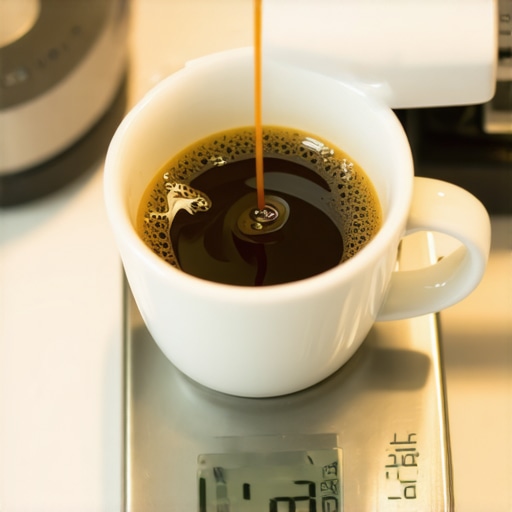
Why Your Portafilter Choice Dictates Your Cup Selection
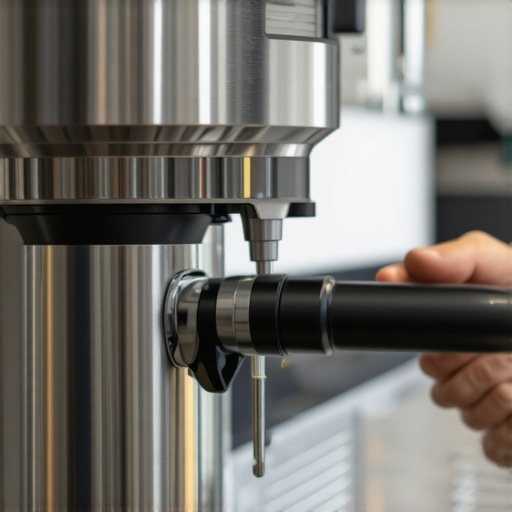
The spouts on a standard portafilter are like a fork in the road, but they also act as a physical barrier. They hang down significantly further than the actual basket. When I finally switched to a bottomless portafilter, it was like someone had suddenly raised the ceiling in my kitchen. You instantly gain about 20 to 30 millimeters of room. However, be warned that a naked portafilter is less forgiving. I remember the first time I used one without checking my grind; the espresso sprayed everywhere because of minor clumping. It is vital to know why your bottomless portafilter shows channels every time so you do not trade your clearance problem for a cleaning problem. If you are already working on how to select the perfect coffee grinder for your brew, you probably know that a consistent grind is the only way to keep a bottomless shot from becoming a mess.
Tiny Scales That Wont Break Your Workflow
If you have already optimized your tray and portafilter, the final boss is the scale itself. Avoid the temptation to use a standard kitchen scale. Those are built for weighing flour in big bowls, not for sitting under a group head. You need something specifically designated as an espresso scale—these are usually less than 20mm thick. I once tried to ‘make it work’ with a thick jewelry scale I had lying around. The vibrations from the pump were so strong that the cup literally walked off the edge of the scale. Learning how to stop your cup from sliding during a shot starts with having a scale with a silicone mat. This dampens the vibration and provides the grip necessary to keep your precious liquid from vibrating onto the counter. When your scale is thin enough, you can finally watch the numbers climb in real-time without having to crouch down like a detective investigating a crime scene.Let’s dig deeper into the actual mechanics of those tiny scales we all crave for better clearance. While everyone focuses on the height, almost nobody talks about the thermal reality of ultra-thin tech. Here is the contrarian truth: many of those high-end, slim scales are incredibly prone to ‘thermal drift.’ Because they lack the thick insulation found in bulkier units, the heat radiating from your 160°F espresso cup can actually warp the load cell sensors inside the scale. According to technical specs from precision manufacturers like Acaia, significant temperature shifts can cause the weight reading to ‘creep’ upward or downward while the shot is still pouring. You think you are hitting a perfect 1:2 ratio, but the heat is tricking the computer. Have you ever fallen into this trap of chasing a number that keeps moving? Let me know in the comments. 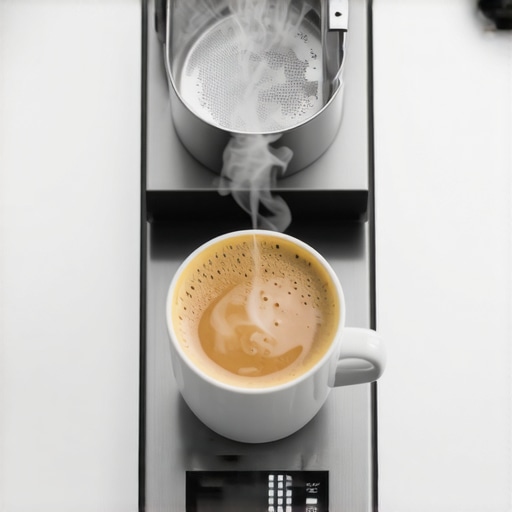
Don’t Kill Your Gasket for an Extra Millimeter
One of the most common ‘oops’ factors I see with enthusiasts trying to gain vertical space is the over-tightening of the portafilter. When you are desperate for that extra sliver of room to fit a scale, it is tempting to crank the handle as far to the right as possible. This is a massive mistake. Not only does it not actually give you more room—the metal-on-metal contact stops long before the rubber compresses significantly—but it is also why your group head gasket is leaking after just one month. You are essentially shaving years off the life of your seals just to avoid buying a smaller cup. If you find yourself straining to lock the portafilter in, you are better off checking the trick for aligning your portafilter ears every time to ensure a proper, gentle seal that doesn’t ruin your hardware.
Could a Thicker Gasket Be Stealing Your Vertical Space?
It sounds counter-intuitive, but sometimes the very parts meant to fix your machine are the ones causing your clearance headache. If your machine feels tighter than usual, it might be because you installed a generic 8.5mm gasket when your machine specifically required an 8mm version. This tiny half-millimeter difference can prevent the portafilter from seating deeply, effectively lowering your spouts and eating into your scale space. When choosing the best barista gear for coffee enthusiasts, always check the exact tolerances of your group head. A softer silicone gasket often allows for a slightly deeper lock-in than traditional rubber, giving you back that precious fraction of an inch without requiring you to buy a new machine. While you are at it, how to check your espresso machines group head flow rate is a vital next step; a clogged screen can also bulge downward, further complicating your space issues. Precision in home espresso isn’t just about the beans; it is about the geometry of the entire workspace.Once you have reclaimed those precious millimeters, the challenge shifts from engineering to maintenance. You can have the thinnest scale in the world, but if your group head is caked in old oils, your shots will still taste like a burnt tire. I keep a dedicated maintenance drawer because I have learned the hard way that searching for a screwdriver while your machine is leaking is a recipe for disaster. If you are seeing issues with flow, it is often because your group head shower screen is getting clogged so fast. I personally use a stiff nylon brush after every single session. It takes five seconds but prevents the buildup that eventually forces you to scrub for an hour. 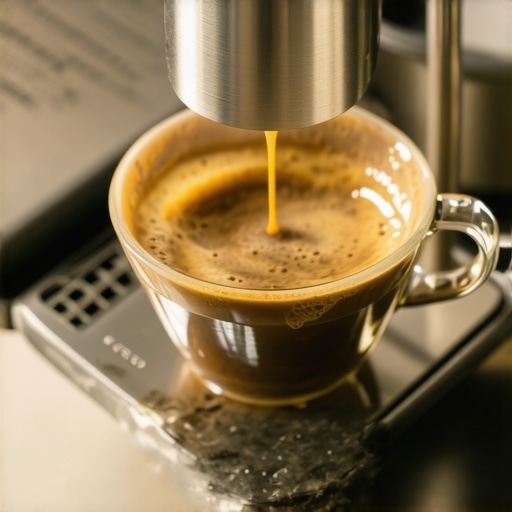
How do I keep my gear running smoothly for years?
To maintain long-term results, you have to look at what is happening inside the boiler. According to the technical guidelines in the Specialty Coffee Association (SCA) Water Quality Handbook, the mineral content of your water is the single biggest predictor of machine lifespan and flavor consistency. If your water is too hard, you will eventually need to know how to remove scale from a heat exchanger without a teardown. I use a specialized filtration pitcher because it keeps the magnesium high for flavor while stripping out the calcium that kills heating elements. It is a small investment that keeps you from wondering if your machine boiler is accumulating lime scale every time it takes an extra minute to heat up. Don’t forget your grinder, either. I swear by using a small handheld vacuum rather than just brushing; it is the best way to clean a grinder without taking it apart and keeps those burrs spinning freely without retaining stale grounds. Looking ahead, I predict we are going to see smart drip trays that have built-in load-cell scales integrated directly into the machine firmware. We are already seeing some niche manufacturers prototype these ultra-low-profile solutions that communicate via Bluetooth to your phone. Until then, my best advice is to stop settling for good enough clearance. Go buy a bottomless portafilter this week; it is the single most transformative change you can make to your workflow without spending thousands on a new machine. It is time to stop fighting your equipment and start mastering the geometry of your coffee.
Hard Truths About the Space Between Your Spouts
After years of tweaking my setup, I realized that the battle for vertical space isn’t really about the machine—it’s about removing friction from your morning ritual. I used to think that struggling with a tall mug was just part of the ‘challenge’ of being a home barista. It isn’t. When I finally cleared that gap, my consistency skyrocketed because I could actually see what I was doing. If you are still mastering the art of home espresso, remember that every physical hurdle you remove makes you more likely to practice. Also, never assume your scale is lying; check if it is touching the machine walls, as even a tiny rub can ruin your readings. Lastly, don’t be afraid to use a smaller cup for the pull and then transfer the liquid to your favorite oversized mug—it is far better than making a mess or guessing your yield.
My Personal Gear Hacks for Tight Quarters
I didn’t reach espresso nirvana by buying the most expensive setup; I got there by being picky about my accessories. When looking at top-rated espresso machines, I now prioritize group head height over almost everything else. I also swear by a few specific items: a ultra-thin silicone mat to prevent vibration, a bottomless portafilter for that extra inch of room, and a dedicated low-profile scale. If you are currently choosing the best barista gear, look for scales that are specifically marketed for ‘espresso’ rather than ‘brewing’ or ‘kitchen’ use. You might also want to explore milk frothers that work independently of your machine if you find that a larger steam pitcher is getting in the way of your workspace. These small shifts in your toolkit will save you more frustration than a expensive machine upgrade ever could.
Stop Fighting the Machine and Start Pulling Shots
The journey to a perfect shot should be a joy, not a geometry test. Reclaiming that space under your portafilter is the final piece of the puzzle that lets you focus on flavor rather than logistics. By using a few of these tricks—like the trick for aligning your portafilter ears or trying out why your espresso tastes better when you dont use the drip tray—you can finally use your barista gear the way it was intended. It is time to stop measuring with your eyes and start measuring with your scale. Have you ever had to hold your cup at a weird angle just to catch the espresso stream? Let me know your funniest ‘workspace fail’ in the comments below!