The Easy Fix for a Wand That Only Blows Air
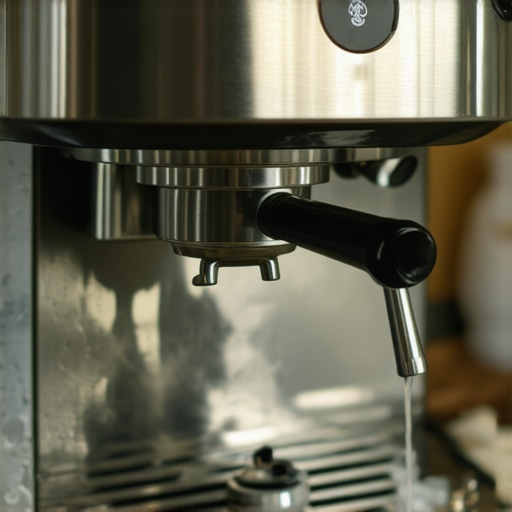
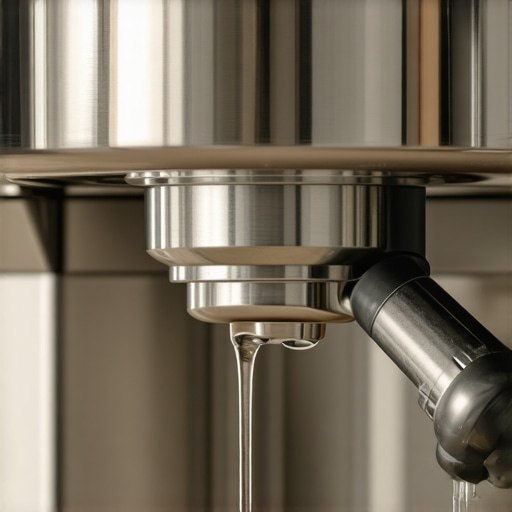
It was 6:15 AM on a Tuesday, and I was standing in my kitchen, bleary-eyed and desperate for a latte. I’d already pulled a beautiful shot, but the moment I turned the dial on my steam wand, my heart sank. Instead of that powerful, roaring hiss of dry steam, I got a pathetic, wheezing sound. It was just air—lukewarm, textureless, and completely useless for frothing. I stood there like a fool, waving my pitcher around while my espresso turned cold. This wasn’t the first time I’d struggled with choosing the best barista gear only to have it fail me at the worst possible moment. I spent the next hour scouring forums and nearly took a screwdriver to the boiler before I realized the solution was far simpler than I feared. Today, I’m going to show you exactly how to get that pressure back so you never have to settle for flat, sad coffee again. Have you ever felt that sudden panic when your machine suddenly stops behaving?
Why Your Machine is Suddenly Acting Like a Fan
It is incredibly frustrating when you’ve invested in top-rated espresso machines and they decide to stop producing heat. When a wand only blows air, it’s usually a sign of a communication breakdown inside the boiler or a simple physical blockage. Early in my home barista journey, I made the embarrassing mistake of assuming my heating element was fried every time the steam felt weak. I actually almost threw out a perfectly good machine because I didn’t know how to fix a steam wand that has lost its power through basic maintenance. According to industry experts at Clive Coffee, many steam issues stem from a simple vacuum breaker valve getting stuck, which prevents the boiler from reaching the correct pressure-to-temperature ratio. If the pressure gauge looks normal but you’re only getting air, you’re likely dealing with a ‘false pressure’ situation or a tip that needs some serious TLC.
Is My Boiler Actually Dead?
This is the big fear, isn’t it? You think you’re looking at a $400 repair bill for a new heating element. In reality, if air is moving at all, your pump and your boiler are likely still alive. The most common culprit is often as simple as why your steam wand tip holes keep getting clogged with dried milk proteins that have calcified over time. I once spent forty minutes diagnosing a ‘broken’ machine only to find a tiny piece of debris lodged in the tip. If you aren’t seeing any moisture or heat, we need to look at the vacuum breaker or the pressurestat, but don’t worry—most of these are ‘tabletop’ fixes you can do with a wrench and a little patience. If you’ve been frustrated by this, you might even be tempted to switch to milk frothers that transform your coffee experience without the boiler drama, but let’s try to save your steam wand first.
Purge the False Pressure First
The most deceptive thing about an espresso boiler is its ability to lie to its own gauge. You see 1.5 bars of pressure and assume you’re ready to froth, but the moment you open the valve, the needle drops to zero and you get a tepid puff of air. This is ‘false pressure,’ caused by air trapped in the boiler that expanded while heating but isn’t actual steam. To fix this, simply open the steam wand fully for about five seconds before you even think about grabbing your milk pitcher. You’ll hear a sputter, then a roar as the real steam finally pushes through. If you’ve noticed the reason your steam pressure dips when you open the valve consistently, you might have an aging vacuum breaker valve that isn’t closing properly. I remember one frantic morning where I did this three times before the machine finally stabilized; I felt like I was bleeding a radiator in an old apartment just to get a morning latte.
Scrub That Calcified Milk Out
If you’re getting air but no volume, the problem is likely physical. Look at the tiny holes at the end of your wand. Even if you wipe it down after every use, milk can find its way inside those apertures and bake into a hard, ceramic-like crust. Use a dedicated steam wand cleaning tool or a thin needle to poke through each hole. This is why your steam wand tip holes keep getting clogged even when you think you’re being diligent. I once spent ten minutes digging out a piece of dried milk that had calcified into something as hard as a rock. If you can’t clear it with a needle, unscrew the tip entirely and soak it in a solution of warm water and espresso machine cleaner. Just be careful not to lose the tiny O-ring inside, as the reason your steam wand is leaking water into your milk is often a displaced or cracked gasket from a rough cleaning session.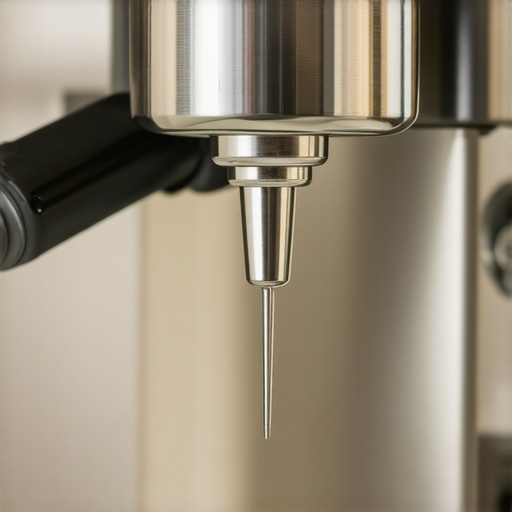
The Hidden Valve That Ruins Your Latte
Inside your machine, there is a small brass component called a vacuum breaker. Its only job is to let air out as the water heats up so that the boiler can fill with actual steam. If this valve gets stuck in the closed position, you get that ‘blowing air’ sensation with no actual heat. You can often learn how to fix a stuck steam valve on a prosumer machine by gently tapping the valve assembly while the machine is off and cool, which might dislodge any minor scale buildup. I tried this on my old machine, and the ‘hiss’ of the valve finally releasing was the most satisfying sound of my week. If the manual turn-knob feels stiff or resistant while you do this, it might explain the reason your steam wand valve feels gritty when you are trying to texture your milk.
When to Admit It Is a Thermostat Issue
If the air coming out of the wand is stone cold even after twenty minutes of waiting, we have moved past simple blockages and air pockets. This is where you need to check if your machine has a resettable ‘high-limit’ switch. Many top-rated espresso machines have a small red button on the side of the boiler that pops out if the machine overheats to prevent damage. If that button has popped, your heating element won’t kick in, and you’re just moving cold air around the system. Knowing how to fix a steam wand that has lost its power often involves this simple five-second reset rather than a full teardown. I once called a technician out for a ‘dead boiler’ only to watch him push that little red button in two seconds. It was a $100 lesson in checking the basics before assuming the worst.
Why a Four-Hole Steam Tip Might Be Killing Your Foam
Everyone thinks that more holes in the steam wand tip automatically means better latte art. In my experience, this is the quickest way to ruin the pressure on a single-boiler machine. If your boiler isn’t large enough to sustain that volume of output, a four-hole tip will bleed your pressure dry in seconds, leaving you with lukewarm milk and no microfoam. This is a classic nuance when choosing the best barista gear; more isn’t always better. You need to match the tip to your boiler’s recovery rate. I’ve seen enthusiasts swap out tips on budget machines and wonder why they can no longer reach the rolling vortex needed for a silky flat white.
Is Your Water Actually Eating Your Machine?
There’s a dangerous myth that using distilled water is the ultimate way to prevent scale. While it’s true that distilled water won’t leave minerals behind, it’s actually ‘hungry’ water. Without minerals, it becomes chemically aggressive and can leach metals right out of your boiler and heating element. Furthermore, most auto-fill sensors rely on the electrical conductivity of water to know when the boiler is full. If you use pure distilled water, the sensor fails, the pump keeps running, and you risk a catastrophic flood. According to the Specialty Coffee Association (SCA) water standards, you need a specific balance of calcium and magnesium for both flavor and machine longevity. This is the truth about using distilled water in your machine that many influencers skip over. It’s better to use a proper filtration pitcher than to risk your internal components on ‘pure’ water.
The Grinder Nuance Most People Ignore
I see people drop three thousand dollars on top-rated espresso machines and then use a hundred-dollar grinder. It’s like putting budget tires on a Ferrari. The machine is just the heat and pressure; the grinder is where the flavor profile is actually decided. If you’ve noticed your shots are inconsistent, it’s likely not the machine’s fault. You might need to learn the right way to align your flat burrs for better shots rather than buying a new portafilter. Many ‘entry-level’ prosumer grinders come with burrs that aren’t perfectly parallel from the factory. A simple ‘marker test’ and some shim-work can transform your espresso from muddy to vibrant without spending an extra dime. Knowing how to tell if your espresso grinder burrs are dull is also vital; after about 500-1000lbs of coffee, those sharp edges become rounded, leading to more fines and more bitterness. 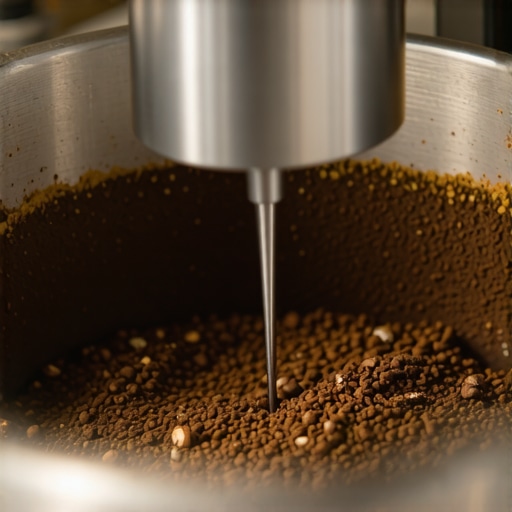
Stop Obsessing Over Fancy Distribution Tools
One of the biggest ‘traps’ in home espresso is the obsession with fancy distribution tools. You don’t need a $200 spinning leveler. In fact, why your distribution tool might be ruining your extraction is usually because it compresses the top layer while leaving air pockets at the bottom. A simple paperclip or a dedicated WDT tool is far more effective. It’s about breaking up clumps, not making the top look pretty. Have you ever fallen into this trap? Let me know in the comments.
Keep Your Gear From Dying Young
Maintaining high-end gear is where the casual hobbyist separates from the true home barista. I used to be the person who only cleaned my machine when the coffee started tasting like a burnt tire, but that is a recipe for a very expensive repair bill. If you want to keep your shots tasting sweet, you have to understand why your machine needs a backflush every single week. Coffee oils are incredibly volatile; they turn rancid quickly when exposed to heat and oxygen. I noticed a massive shift in my morning cup once I started paying attention to the danger of leaving old coffee oils in your portafilter spouts. It doesn’t take a full afternoon to manage—just five minutes of focused attention can save your pump from premature failure.
How do I maintain my espresso setup for the long haul?
The secret lies in a consistent schedule rather than an occasional deep-scrub. Every Saturday morning, I perform what I call my ‘preventative strike.’ This involves soaking my baskets in a solution of espresso cleaner and checking my seals. According to the technical documentation for the La Marzocco Linea series, failing to replace a group gasket every 6 to 12 months can lead to uneven pressure distribution and permanent scarring of the portafilter ears. Knowing how to replace a group gasket without scratching the chrome is a skill that will save you hundreds in labor costs over the life of your machine. I always keep a spare gasket and a screen in my ’emergency coffee drawer’ because there is nothing worse than a leak on a Sunday morning when the shops are closed. 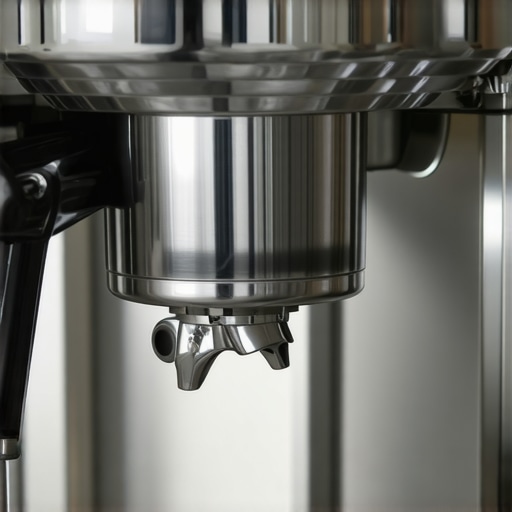
Don’t Neglect Your Grinder’s Inner Workings
While we obsess over the machine, the grinder is often the most neglected piece of equipment in the kitchen. We pour oily beans in day after day, and those oils eventually create a sticky residue that traps old grounds. If you’ve wondered why your shots vary wildly, it might be time to look at the best routine for a weekend deep clean for your burr set. I personally use a small vacuum to clear out the chute every few days to prevent retention. If you don’t, that ‘first shot’ of the day is actually half-composed of stale coffee from yesterday.
Smart Boilers and the Rise of the Digital Barista
Looking ahead, I predict we are entering the era of the ‘Integrated Barista.’ We are already seeing machines that can talk to your grinder via Bluetooth, adjusting the grind size automatically based on the flow rate of the previous shot. The trend is moving toward total thermal stability and IoT integration, where your machine can pre-heat itself based on your phone’s alarm clock. However, no amount of technology can replace a clean machine. My challenge to you this week: Take ten minutes to unscrew your shower screen and soak it in a specialized cleaner. You will be horrified by what you find hidden behind that metal plate, but your next latte will thank you for it.
Hard-Earned Lessons from My Kitchen Counter
Over the years, I have learned that the relationship between a barista and their machine is built on trust and a little bit of grease. One of my biggest lightbulb moments was finally accepting why the first shot of the day is always a throwaway; it is rarely the machine’s fault, but rather a matter of thermal equilibrium. I also used to panic and think my boiler was dead, but now I know exactly why your espresso machine pressure gauge stays at zero during those first few minutes of warm-up. Another vital realization was the benefit of pre-warming your portafilter head; without that extra heat, your shot temperature will crash before it even hits the cup. These small adjustments transformed my coffee from ‘okay’ to professional grade. #IMAGE_PLACEHOLDER_E#
The Tools That Rescued My Morning Routine
To keep your setup running like a dream, you need a few specialized items in your drawer. I highly recommend investing in a high-precision water testing kit. Using the easy way to test your machines water hardness at home will save you from the nightmare of a total boiler descaling. If you are looking to upgrade your extraction, you must learn how to select the perfect coffee grinder for your brew, as the grinder is the true heart of any espresso station. Finally, for those just beginning their journey, I suggest bookmarking a guide on mastering the art of home espresso tips for beginners to avoid the common pitfalls that lead to burnt milk and sour shots.
Mastering the Steam is Just the Beginning
Do not let a sputtering steam wand or a confusing pressure gauge discourage you. Every great barista has stood exactly where you are, staring at a lukewarm latte and wondering what went wrong. With the right barista gear and a bit of patience, you will soon be texturing milk that looks like wet paint and tastes like heaven. The journey to the perfect cup is supposed to have a few bumps in the road—that is what makes the final result so rewarding. Have you ever had a steam wand fail right when you needed it most? Let me know in the comments below.