Why Your Portafilter Sneeze Is Making a Mess in Your Kitchen
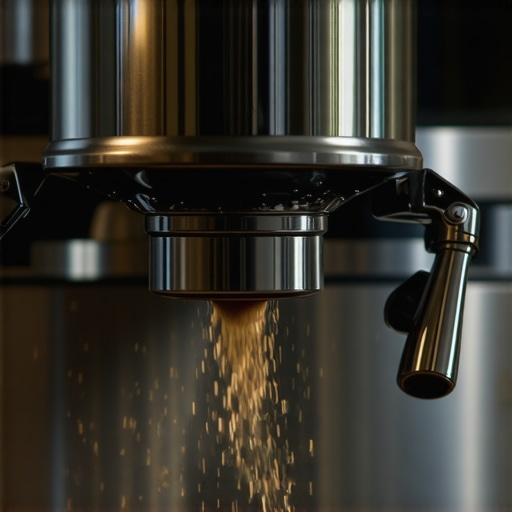
It happened again this morning—my carefully tamped shot suddenly erupted, spraying hot coffee and coffee grounds everywhere, like my espresso machine had a little tantrum. I stood there, drenched and frustrated, realizing I had just experienced the infamous “portafilter sneeze”—that unpredictable shower of coffee that seems to have a mind of its own. At first, I thought it was just bad luck or a machine glitch, but soon I learned that this sneezing fit is a common headache among home baristas, and surprisingly, it’s often caused by simple mistakes we all make without realizing. If your kitchen feels like a coffee war zone every time you brew, you’re not alone, and there’s good news: you can tame this mess and enjoy consistent, clean shots. Today, I’ll walk you through the **why** behind this sneeze and share practical tips to keep your espresso tidy and your mornings happier.
Secure the Portafilter Properly
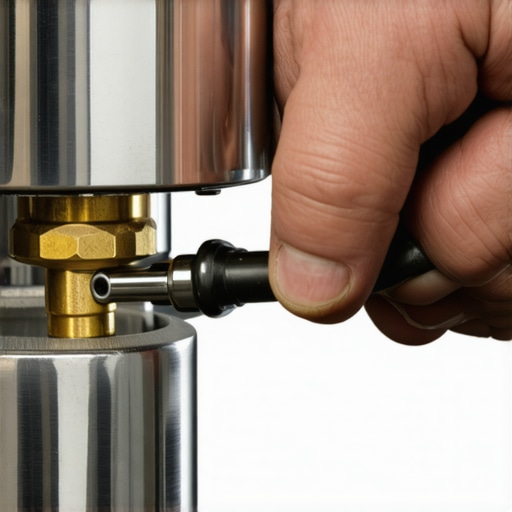
Begin by double-checking that your group gasket is seated correctly and that the portafilter is locked in firmly. A loose fit creates pressure fluctuations that can cause hot coffee to erupt unexpectedly. I vividly remember a morning when I neglected to tighten my portafilter tightly, resulting in a sudden spray that made me realize the importance of a firm lock. Make it a habit to always twist until you feel it’s snug, and you’ll prevent many sneezing fits.
Adjust Your Grind and Dose
Find the Right Grind Size
Grinding too fine or too coarse can cause pressure buildup, leading to channeling or pressure spikes that spray coffee grounds and liquid. Use your coffee grinder settings as a starting point, then fine-tune by pulling test shots. I once set my grinder too fine out of impatience, and the resulting pressure spike caused coffee to geyser out of the portafilter. Remember, a consistent, calibrated grind helps maintain even pressure and keeps your shots tidy.
Measure Dosing Accurately
Overdosing or underdosing shifts the puck’s density, affecting water flow and pressure. Use a scale to measure your coffee dose precisely, aiming for 18-20 grams for a double shot. I learned this the hard way when I casually eyeballed my dose, leading to uneven tamping and a mini coffee explosion. Proper dosing ensures uniform resistance, preventing splattering or sneeze episodes.
Master the Tamping Technique
Apply even, consistent pressure—about 30 pounds—using a tamper or a scaled force if necessary. Uneven tamping creates weak spots where water finds the path of least resistance, causing pressure build-up and spillage. Once, I used a wobbly tamper that tilted slightly, generating a sudden pressure spike. To avoid this, I practice deliberate, level tamping, which distributes pressure uniformly and results in cleaner shots.
Check for Equipment Wear and Tear
Inspect your group head gasket and other parts regularly. Worn gaskets or damaged seals can cause leaks under pressure, leading to sprays. I replaced my gasket after noticing it was cracked, which significantly reduced the sneezing episodes. Regular maintenance ensures your machine maintains stable pressure during each shot.
Perfect Your Brewing Environment
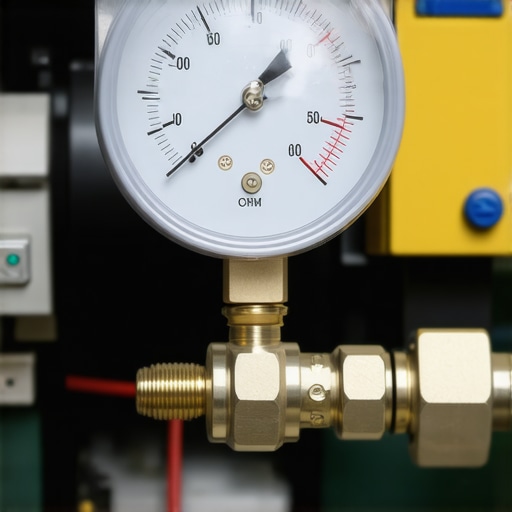
Ensure your machine heats evenly and maintains consistent pressure by checking the boiler pressure and temperature stability. Variations can cause pressure fluctuations resulting in splatters. I found that descaling my machine and maintaining proper water hardness improved overall pressure consistency, giving me clean, mess-free shots. For best results, consider monitoring water quality and performing regular descaling.
Implementing these steps was crucial in my journey towards cleaner espresso shots. Take one at a time, and you’ll notice a significant reduction in sneezing fits and a more enjoyable brewing routine.
Many home baristas assume that investing in top-tier equipment automatically guarantees perfect espresso, but there’s more beneath the surface. One widespread misconception is that expensive gear is always better, yet without proper technique and understanding of nuances—like grind size or tamping pressure—even the priciest machine can’t produce quality shots consistently. It’s easy to fall into the trap of believing that all coffee grinders are equal; however, grinding precision significantly impacts extraction and flavor. Advanced users know that mismatched equipment, such as a cheap milk frother on a premium machine, can lead to subpar microfoam, undermining your latte art ambitions. Did you realize that not all milk frothers are created equal? Some inexpensive models struggle to produce silky microfoam, which requires understanding the right technique and equipment compatibility. Moreover, many pour-over or espresso machine enthusiasts overlook the importance of maintaining consistent boiler pressure; variations here drastically affect shot quality.
Are High-End Machines Worth the Extra Cost for Home Use?
Studies suggest that specialized espresso machines tailored for home environments can deliver excellent results without breaking the bank, especially if paired with a suitable grinder. But beware of the “set it and forget it” mentality—regular maintenance and calibration are crucial to keep your gear performing well. What surprises many is how small adjustments, like re-shimming burrs or cleaning portafilter gaskets, yield noticeable improvements in flavor and consistency.
Let’s also talk about the common mistakes made with accessories: using a cheap tamper can cause uneven tamping, leading to under-extraction or channeling. Even seasoned baristas sometimes overlook that the group gasket needs regular inspection to prevent pressure leaks. These technical nuances aren’t flashy but are essential for expert-level results.
Have you ever fallen into this trap? Let me know in the comments. Mastery isn’t about equipment alone—it’s about understanding the subtle factors that elevate your brewing from good to exceptional.Maintaining your espresso gear is crucial for consistent, high-quality shots and prolonged machine life. One of my go-to tools is a digital calibration scale—I personally rely on the [Espresso Scale Pro](https://espressotechguide.com/why-your-espresso-scale-is-giving-inconsistent-readings-on-every-level) because it provides precise measurements, ensuring accurate dosing every time, which is essential for consistency. Regularly inspecting and cleaning your burrs with a dedicated burr cleaning brush minimizes static buildup and maintains grind uniformity, directly impacting shot quality. I use the [Burr Master Cleaner](https://espressotechguide.com/the-specific-way-to-scrub-burrs-without-using-harsh-chemicals) because it keeps my grinder performing at peak without harsh chemicals.
For long-term results, I recommend scheduling monthly maintenance checks—tighten loose fittings, replace worn gaskets, and descale your machine to prevent mineral buildup. Descaling is especially vital because mineral deposits can cause uneven heating and pressure issues, threatening your machine’s longevity. I follow the method outlined in [this detailed guide](https://espressotechguide.com/why-your-commercial-espresso-machine-is-losing-steam-pressure-mid-shift) to ensure my equipment operates smoothly.
As for scaling your setup, upgrading to a PID-controlled espresso machine can significantly stabilize temperature fluctuations, which are a common cause of inconsistent shots. I suggest looking into models like the [2025 Top-Rated Machines](https://espressotechguide.com/top-rated-espresso-machines-for-coffee-lovers-in-2025) that incorporate modern control systems.
### How do I maintain my gear over time?
Regular maintenance, such as flushing the group head daily, cleaning portafilter gaskets every few months, and checking boiler pressure, will extend your machine’s life and optimize performance. Using quality water and implementing consistent cleaning routines snag those perfect shots day after day.
Looking ahead, I believe the trend will shift towards smart appliances that monitor internal parameters and notify you when maintenance is due, making upkeep more intuitive. Incorporating these tools and habits will ensure your coffee setup remains reliable and produces barista-quality espresso long after the initial investment.
Lessons That Turn Mistakes into Mastery
One hard-learned secret is that even small tweaks, like ensuring your portafilter is perfectly synchronized with the group head, can save you from messy surprises. I once thought I could get away with a loose fit, only to face a stubborn sneeze every morning. Now, I double-check my lock-in every time—it’s become a habit that pays off in consistency and cleanliness.
Secondly, understanding the subtle dance between grind size and tamping pressure changed how I approach every shot. A slightly coarser grind with a firm, even tamp reduces pressure spikes that cause eruptions. Over time, I realized that patience and precision in these details are the true path to a tidy, satisfying brew.
Finally, regular maintenance isn’t just about longevity—it’s about the quality of each shot. Replacing worn gaskets and keeping the group head spotless eradicates many sneezing fits. Investing time in small, routine tweaks has transformed my chaotic kitchen into a serene coffee haven.
Tools & Resources That Elevated My Game
My essential toolkit includes a high-quality espresso scale for precise dosing, which made a significant difference in shot consistency. I also swear by the water temperature test—it’s a game changer for timing my pulls perfectly. For equipment, I recommend considering a top-rated home espresso machine that offers reliable performance without the hefty price tag. And don’t overlook cleaning tools like the burr cleaner—it keeps my grinder running smoothly. These resources have been pivotal in my journey toward stress-free, clean espresso shots.
Fuel Your Coffee Passion—You’re Just Getting Started
Remember, perfecting your home espresso isn’t about owning all the fancy gear; it’s about learning the nuances behind each shot and practicing patience. With consistent effort, your mornings will transform from chaotic to controlled, and each cup will be a testament to your growing skill. Keep experimenting, stay curious, and enjoy every step of your barista journey.
Feel free to share your own lessons or ask questions below—let’s brew better together!