Why the paper towel test is the best way to check for dull burrs
It was a frustrating morning in my little home espresso corner. I had just ground fresh beans, did my usual tamp, and pulled the lever—only to get a shot that tasted more like burnt cardboard than a smooth, velvety espresso. I double-checked everything: the grind size, tamp pressure, water temperature. Still, the shot fell flat. That’s when I remembered a simple trick I had read about—using a paper towel to test burr sharpness. That lightbulb moment changed everything.
Discover the Unassuming Shortcut That Saved My Coffee
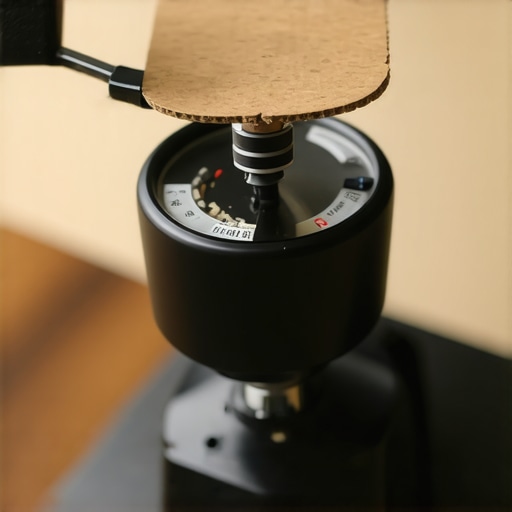
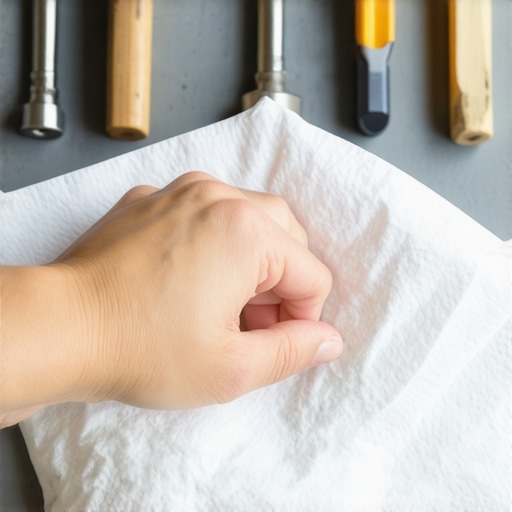
Excited and a bit skeptical, I grabbed a clean paper towel and ran some ground coffee through my grinder onto it. The results? A quick visual cue that told me whether my burrs were still sharp or dull. I was amazed at how reliably this test indicated burr condition. So many bartenders and baristas swear by it, and now I do too. No fancy equipment, no expensive diagnostics. Just a humble paper towel, and a bit of know-how.
Is the Paper Towel Test Truly Worth the Hype?
Initially, I was worried it might be an overhyped trick. After all, how could such a simple test tell you if your burrs are dull? Turns out, it’s surprisingly effective. Burrs dull over time, leading to inconsistent grinds and compromised flavor, but early on, they often produce uneven grounds that can be spotted with this simple method. I used to make the mistake of replacing my burrs too late, only after noticing a bitter or flat shot.
From my early blunders—like dismissing signs of dullness until the shot was awful—I learned the importance of early detection. This test helped me catch burr dullness before it affected my brew. If you’re tired of wasting beans or getting subpar espresso, that little paper towel might just be your best friend. Want to dive deeper into maintaining your perfect grind? Check out my comprehensive guide on how to select the right coffee grinder.
Now, let’s explore exactly how you can perform this test and interpret its results—so you can keep your machine in top shape and your coffee tasting exceptional.
Prepare Your Workspace and Gather Your Materials
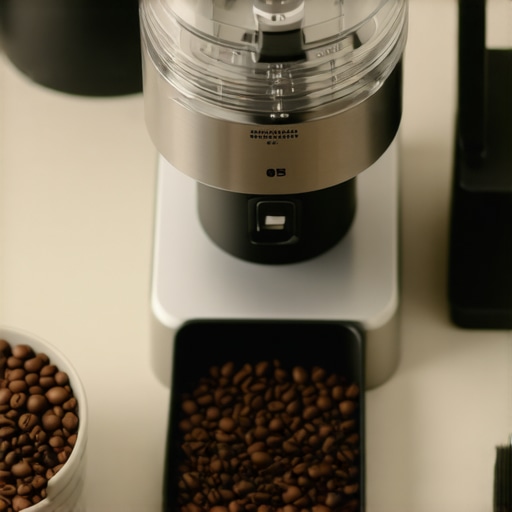
Start by cleaning your grinder’s hopper and removing any remaining beans to avoid contamination. Grab a clean, dry paper towel, which will be your primary testing tool. Set your grinder on a stable surface and ensure the power is off before beginning any procedure. Think of this step as preparing your toolkit before fixing a watch—everything needs to be in place for precision work.
Perform the Burr Test with a Small Dose of Coffee
Switch your grinder to a medium setting close to your typical espresso grind. Grind a small amount—about a teaspoon—directly onto the paper towel. This mimics your usual grind, giving an accurate assessment of burr sharpness. As I did during one hectic morning, I accidentally used too much coffee, resulting in a messy overflow. Keep the dosage small to maintain control and clarity in results.
Check for Consistency and Uniformity
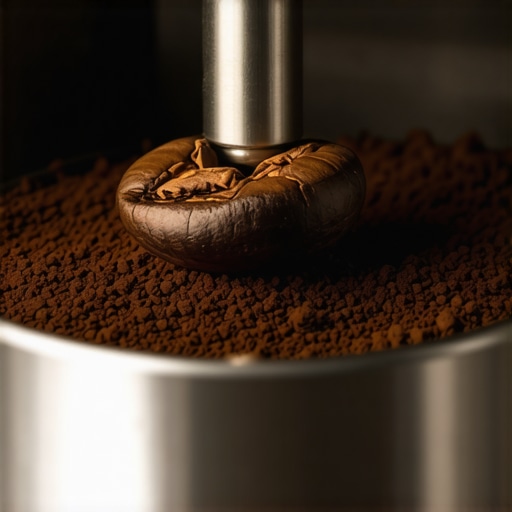
Examine the grounds laid out on the paper towel. Look for uneven sizes—clusters of fine or coarse particles indicate dull burrs. If your grounds look inconsistent, similar to rough gravel, it’s a sign your burrs may need attention. I once noticed a mixture of very fine and chunky grounds, which led me to realize my burrs had become dull, causing uneven extraction. Regularly checking grounds helps maintain optimal flavor.
Identify Signs of Dull Burrs
Beyond uneven grounds, if you see a lot of broken or chipped particles, that suggests burr damage. The test also reveals burr alignment issues if grounds are irregularly distributed. Remember, dull burrs often produce more static and clumping—hence the importance of early detection. I caught my dull burrs before they significantly impacted my espresso quality by doing this simple test weekly.
Interpret Results and Take Corrective Measures
If the grounds are uneven or inconsistent, consider re-aligning or replacing the burrs. Before replacing, consult your grinder’s manual or the manufacturer’s guidelines. Many baristas swear by using a simple paper shim trick to realign burrs temporarily, saving time and money. I used that method once when I was in a rush—placing folded paper inside the burr housing to simulate proper alignment—and it improved grind consistency immediately.
Maintain and Sharpen Burrs Regularly
To keep your burrs sharp longer, avoid grinding very hard or overly oily beans frequently. Clean your grinder thoroughly at least once a month, paying close attention to the burrs. Use a brush designed for grinder maintenance to remove coffee residue and oils, preventing dullness. For thorough cleaning, consult guides such as how to clean burrs thoroughly.
Schedule Routine Checks to Prevent Future Problems
Create a habit of testing your grinder every few weeks, especially if you notice changes in your shot quality. Keep a log of your results to identify patterns—dull burrs tend to produce more static and uneven grounds over time. This proactive approach minimizes downtime and ensures your espresso remains consistently excellent, as I experienced during a particularly demanding weekend when maintaining sharp burrs saved my morning.
Many enthusiasts assume that mastering home espresso or choosing the right grinder is straightforward, but the truth is, even seasoned baristas often fall prey to overlooked nuances and common myths. For instance, a prevalent misconception is that higher-priced equipment automatically guarantees better results. While premium machines and barista gear can provide advantages, they won’t compensate for mastering fundamental techniques. Relying solely on sophisticated equipment without understanding its nuances often leads to user errors and subpar brews. In fact, mastering the basics is essential before investing in high-end gear.
Another widespread mistake involves misinterpreting grinder settings. Many think that dialing a grinder to the finest setting will produce peak extraction, but in reality, excessively fine grind can cause clogging and uneven extraction. As detailed in my guide on how to select the right grinder, experimentation and understanding grind consistency matter far more than just adjusting dials.
Often, home baristas overlook the importance of proper maintenance routines, especially cleaning burrs. Dull or contaminated burrs produce inconsistent grounds, which directly affect shot quality. An advanced mistake is neglecting the impact of static and clumping in grinders, which can be mitigated by techniques like using a simple paper shim for alignment.
**Beware the Static Trap**
Static buildup is a sneaky foe—particularly in dry climates—causing grounds to cling to the portafilter or scatter during dosing. This often leads to uneven tamping and extraction issues, but many underestimate its influence. Using anti-static tools or dusting coffee beans beforehand can make a notable difference, and it’s an issue I’ve encountered more times than I’d like to admit.
For advanced users, understanding the subtleties of water pressure and temperature control can unlock better shot consistency. A minor deviation in pump pressure — even within the manufacturer’s tolerances — can lead to channeling or uneven puck formation. Checking these factors with dedicated tools or techniques, like simple pressure tests, prevents subtle yet impactful mistakes.
Finally, the myth that espresso machines only require minimal maintenance is dead wrong. Regular descaling, gasket replacements, and water filter changes preserve machine health and deliver consistent results. Skimping on routine upkeep risks costly repairs and inconsistent performance. Real baristas treat their equipment like precision instruments; understanding this nuance elevates your coffee game.
Have you ever fallen into this trap? Let me know in the comments, and remember—sophistication in coffee gear isn’t just about the equipment but how you understand andMaintain it.
Equip Yourself for Reliable Performance
Investing in quality tools and establishing effective maintenance routines are pivotal to keeping your coffee setup performing at its best. I personally rely on a calibrated digital scale like the EspressoTech Precision Scale to ensure consistent dosing, which directly impacts shot quality. An accurate scale eliminates guesswork, allowing me to dial in my grind and tamp with confidence, reducing waste and improving flavor.
Master the Art of Grinder Maintenance
Regular cleaning of your coffee grinder is non-negotiable. I recommend disassembling your burrs monthly using a method that involves removing burrs and brushing away residues. This process prevents buildup that dulls burrs and causes uneven grinds, ensuring longevity and consistent extraction. For quick fixes, I keep a can of grinder lubricant spray handy, which helps minimize static and keeps burrs spinning smoothly.
Optimize Your Espresso Machine with Proper Care
Maintaining your espresso machine’s internal components extends its lifespan and preserves flavor. A critical step is regularly descaling—using descaling solutions recommended by the manufacturer—especially in areas with hard water. I set a monthly reminder to run a descale cycle, which can be as simple as running a mixture of water and vinegar through the system. Replacing worn gaskets and checking the group head seals, as detailed in my guide on steam wand maintenance, prevents leaks and ensures consistent pressure during brewing.
Predicting Future Trends in Maintenance Tools
Advancements in diagnostics and automation are poised to revolutionize home coffee maintenance. Smart sensors integrated into grinders and machines could soon provide real-time feedback on burr sharpness or water quality, alerting you before issues impact your brew. As technology becomes more accessible, expect to see DIY kits that allow enthusiasts to perform professional-level maintenance with minimal hassle. Staying ahead involves adopting tools that simplify upkeep, such as self-cleaning components or app-controlled calibration.
How do I keep my gear performing over time?
Developing a routine to check and clean your equipment regularly is essential. For instance, performing a simple paper shim test on your burrs every few weeks can catch dullness early. Additionally, switching to dedicated cleaning tools like precision brushes and descaling agents helps prevent common issues that impair performance. Remember, consistent care isn’t just about preserving your gear—it’s about ensuring every shot is as perfect as the first one of the day. Try implementing a weekly maintenance check, and you’ll notice a tangible difference in your coffee’s flavor and your equipment’s lifespan.
Throughout my journey with home espresso setups, I’ve learned that the most profound lessons often come from humble experiences and honest mistakes. One of the most surprising insights was realizing that regular, simple checks—like the paper towel burr test—can prevent countless brewing frustrations. This method taught me that mastering coffee gear isn’t solely about fancy equipment but understanding its subtle signs and behaviors. Another eye-opener was discovering how static and static-clumping contribute more to inconsistent shots than many realize, emphasizing the importance of routine maintenance and thoughtful equipment care. These lessons revealed that a proactive, curious approach unlocks the full potential of your gear, transforming mere hobbyist into confident home barista. It’s this mindset—combined with dedicated resourcefulness—that makes an ordinary coffee station extraordinary.
My Go-To Tools and Insights That Truly Elevate Home Barista Wins
- EspressoTech Precision Scale: Precision in dosing is a game-changer. I trust this scale for its accuracy, which ensures every shot is consistent and flavorful, making dialing in espresso a lot less frustrating.
- Deep Cleaning Kits for Burrs: Regularly disassembling and cleaning your grinder with specialized brushes and cleaning tablets prevents dullness and uneven grounds. Trust me—your taste buds will thank you.
- Descaling Solutions: Hard water can silently sabotage your machine’s longevity and performance. Using quality descaling products, as recommended by manufacturers, keeps your immersion in perfect brewing condition.
- Reading Material on Expert Techniques: Books like Mastering the Art of Home Espresso have refined my understanding of fundamental skills and broken down complex adjustments into simple routines.
Craft Your Coffee Dream with a Passion That Inspires
Embarking on the path of becoming your own barista is rewarding—every nuanced tasting note, every perfectly textured microfoam, and every dialed-in shot reflects your dedication. By embracing every mistake as a learning opportunity and leveraging trusted resources, you nurture a deeper connection with your coffee gear. Your skills will grow, and so will your enjoyment. Remember, even the most advanced equipment becomes an extension of your passion when paired with curiosity and care. Keep brewing, keep experimenting, and let every cup tell your story. Want to share your biggest coffee triumphs? Drop your thoughts below and let’s inspire each other to elevate our home coffee worlds.