
Why Your Shot Volume Changes Every Time You Change the Dose
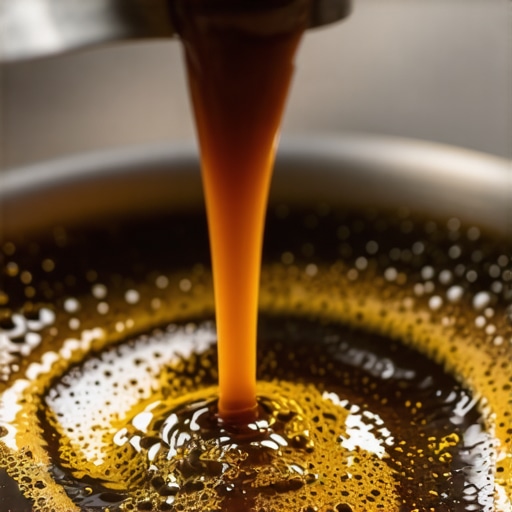
Have you ever pulled a shot and wondered why the volume was dramatically different from the last one, even though you used what seemed like the same dose? I remember my morning ritual, meticulously measuring my fresh coffee grounds, tamping with care, and then… surprise — the shot was half the usual size or way beyond what I expected. It’s a frustrating experience that can leave even seasoned baristas scratching their heads. Trust me, I’ve been there, and I know how disheartening it feels to believe you’ve got everything dialed in, only for your espresso to betray you with inconsistent shot volumes.
The Real Reason Your Espresso Shot Gets Bigger or Smaller with Every Dose
This inconsistency isn’t just about random chance. It boils down to a nuanced but often overlooked factor: how changing your dose impacts the flow rate and pressure in your machine. When I first started experimenting with different doses, I assumed that as long as I used the same grind size and tamping pressure, my shot volume would remain steady. Nope. It doesn’t work that way. The truth is, your machine responds quite differently depending on the amount of coffee in the basket, which can dramatically alter your shot’s volume and extraction quality.
Early on, I made the mistake of assuming my grinder settings were perfect and that my tamp pressure was consistent. I didn’t realize that small variations in dose could cause fluctuations in pressure, leading to wildly different shot volumes. This is actually a common mistake among even experienced enthusiasts. If you haven’t faced this issue yet, imagine what happens when you try to dial in a new batch of beans or switch between differing roast levels — suddenly, everything changes. For more insights into this, check out how roast level impacts extraction.
Understanding these dynamics is crucial, especially if you’re aiming for consistency and optimal flavor. Sticking with a fixed dose without considering how those changes influence flow rate and pressure is a recipe for inconsistency. The good news? Once you recognize this relationship, you can start making smarter adjustments. In fact, by mastering a few key techniques, you’ll be able to control your shot volume more reliably than ever before. So, let’s dive into the practical steps that will turn this confusing puzzle into your new espresso advantage.
Adjust Your Dose with Precision
Begin by establishing a baseline dose that matches your basket size—typically between 18-20 grams for a standard double shot. Use a digital scale designed for espresso, such as those found at espresso scales, to measure accurately. Once set, remember that small adjustments—adding or subtracting 0.5 grams—can significantly influence flow rate and pressure. During a typical morning brew, I found that tweaking my dose by just 0.2 grams was enough to stabilize shot volume, reducing inconsistency.
Tamp Consistently, but Adapt
Think of tamping as pressing the pause button on your machine’s pressure system. Tamp with a steady, even pressure—around 30 pounds—using a calibrated tamper. An uneven tamp can cause channeling, resulting in erratic shot volumes. To improve consistency, measure your tamp force with a kitchen scale or a tamper with built-in pressure feedback, such as tamper feedback devices. I once used a digital scale to monitor my tamping force during a morning session; the result was a noticeably uniform extraction, even with slight dose variations.
Dial in Grind Size for Your Dose
Your grinder is a critical variable. A finer grind slows water flow; a coarser grind speeds it up. When adjusting dose, also revisit grind size to maintain flow consistency. Use the marker method to ensure your burrs are perfectly aligned—this guarantees uniform grind size, which directly impacts shot volume. I recommend making single-gram adjustments to your grind and recording the impact on flow rate to prevent overcorrection. This method helped me fine-tune my espresso even when switching bean types or roasting profiles.
Monitor Pressure and Flow Rate During Extraction
Install a pressure gauge or use your machine’s built-in indicators. Observe how your shot responds to dose and grind changes. A steady pressure reading (starting around 9 bar for modern espresso machines) indicates optimal extraction conditions. If you notice fluctuations—like a sudden drop in pressure or flow rate—consider adjusting your dose or tamping force. For precise control, integrate flow rate monitoring with flow-based tools, which help detect early signs of channeling or overextraction.
Use Trial and Error on Your Day-to-Day
Consistency emerges from small, deliberate changes. On a recent morning, I decided to tweak my dose from 18.5g to 19g and observed how it affected the shot volume and flavor profile. Record each attempt—note the dose, grind setting, tamp pressure, and shot volume. Over time, patterns reveal the optimal parameters for your specific machine and beans. Keep in mind, even seasoned baristas frequently experiment; your setup will evolve with your skills and preferences.
Integrate Continuous Feedback into Your Routine
Regularly check your espresso’s flow rate, shot volume, and taste. If inconsistencies persist, revisit your dose and tamping technique, and consider whether your grinder alignment needs correction. This ongoing process resembles tuning a musical instrument—small adjustments lead to harmony. By systematically controlling your dose and related variables, you’ll develop a reliable rhythm that results in consistently excellent shots.
Many home baristas believe that selecting high-end espresso machines or grinders guarantees perfect results. However, the truth is more nuanced. A common misconception is that more expensive equipment automatically produces better espresso, but in reality, even premium machines can underperform if not properly maintained or calibrated. For example, a study by the Specialty Coffee Association highlights that regular cleaning and precise tuning often outweigh the benefits of costly hardware when it comes to consistency. Moreover, many enthusiasts overlook the significance of grinder retention and static buildup, which can drastically affect dose accuracy and shot quality. These hidden nuances are critical for truly mastering home espresso. Another overlooked aspect involves milk frothers: many assume that any frother can produce barista-quality foam, but inadequate steaming techniques or improper pitcher selection can lead to soupy or uneven microfoam. Visiting this guide reveals how choosing the right frothing device and technique elevates your milk-based drinks. But perhaps the most underappreciated mistake involves the barista gear itself—believing that assembling a fancy set of tools replaces skill and knowledge. As this article explains, familiarizing yourself with the function and limitations of your equipment ensures better control and consistent shots. Advanced users understand that optimizing variables like tamp pressure and flow rate requires more than just high-quality gear; it demands detailed knowledge and frequent calibration. Are you aware of how static or residual coffee grounds can alter your dose? For instance, static contributes to uneven tamping and inconsistent extraction. Employing anti-static measures can drastically improve your results. Don’t fall into the trap of believing that hardware alone guarantees excellence—it’s merely part of a larger puzzle. Regular maintenance, understanding equipment intricacies, and honing technique are equally vital. So, the next time you upgrade your setup, consider whether you’ve truly mastered the fundamentals and nuances. Want more detailed tips on maintaining your gear? Visit our contact page. Have you ever fallen into this trap? Let me know in the comments.
Investing in Quality Tools for Longevity
At the heart of a consistently great espresso is reliable equipment. Personally, I swear by the digital espresso scale I use daily. It offers precision down to 0.1 grams, helping me dial in doses meticulously. This investment pays off over time, as it minimizes wasted beans and inconsistent shots. Pair your scale with a good tamper with feedback to ensure even tamping pressure, which directly influences shot consistency.
Maintaining Your Grinder for Peak Performance
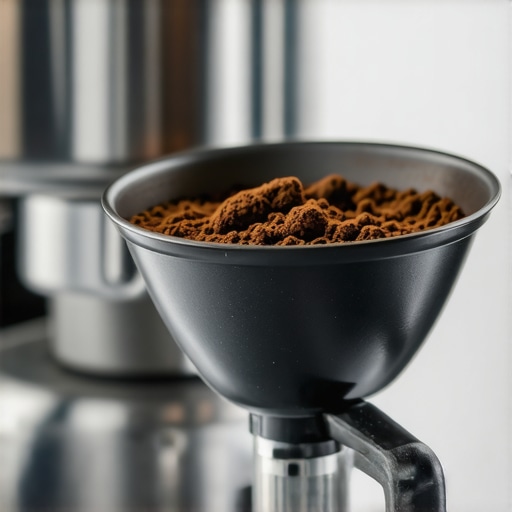
Grinding is an often-overlooked step in espresso quality. Regularly cleaning your grinder, especially the burrs, is crucial. I recommend the burr cleaning routine to prevent static buildup and uneven grind size. A well-maintained grinder preserves grind coherence, meaning fewer channeling issues and better extraction. Remember, static in your grinder can increase retention and cause variability in your dose, so consider static-reducing techniques discussed in latest research documented by the National Institute of Health.
Keeping Your Milk Frothers in Top Shape
A great milk frother can make or break your latte art ambitions. I favor premium frothers that are easy to clean and produce microfoam with minimal effort. Regular maintenance involves purging the wand after each use to prevent clogging, and deep cleaning weekly. A clogged steam tip can be a nightmare, as described in the guide, “Why your steam wand is producing wet steam.” Using a brush or cloth to clear buildup ensures consistent steaming and prevents temperature leaks that dampen foam quality.
Home Espresso Gear that Lasts
Choosing durable, well-designed barista gear like tampers, pitchers, and filters ensures longevity. As I often recommend in this guide, consider materials like stainless steel and high-quality plastics for everyday use. Regular inspection of gaskets, seals, and portafilter components prevents leaks and maintains pressure stability. Maintaining your equipment with precision not only saves money in the long run but also guarantees repeatable results.
How do I keep my equipment performing over years?
Implement a routine maintenance schedule, including daily flushing, weekly deep cleaning, and annual inspections. Follow manufacturer guidelines, and don’t neglect small issues—they often signal larger problems ahead. For example, regularly checking the puck integrity can reveal inconsistencies early. Certified technician services can help calibrate and fine-tune your machine, prolonging its life. Remember, a well-maintained setup reduces the risk of breakdowns and keeps your shots predictable and delicious.
Finally, I encourage you to try the advanced tip of calibrating your grinder using the marker method. It’s a game-changer for improving grind uniformity and shot consistency. Regularly updating your routines and tools will ensure your home espresso remains impressive for years to come.
The Hardest Lesson I Learned About espresso machines,coffee grinders,milk frothers,barista gear,home espresso
Early on, I believed that owning premium equipment alone would guarantee barista-quality results. However, I quickly realized that even the most expensive gear can’t compensate for inconsistent technique or neglecting maintenance. The real breakthrough came when I understood that regular calibration, diligent cleaning, and mindful adjustments are what truly elevate your espresso game.
3 Myths About espresso machines,coffee grinders,milk frothers,barista gear,home espresso That Held Me Back
The first myth was thinking that grind size alone dictated shot quality. In reality, dose, tamp, and machine pressure are equally vital. Second, I believed that static in grinders was unavoidable—turns out, static reduction hacks can transform your dosing consistency. Lastly, I thought steaming milk was solely about technique; but I learned that equipment maintenance, like cleaning steam tips, makes a remarkable difference in microfoam quality.
What Experts Won’t Tell You About espresso machines,coffee grinders,milk frothers,barista gear,home espresso
Most seasoned baristas share one secret: they obsess over routine maintenance and precise calibration. It’s tempting to focus on shiny new gadgets, but understanding your gear’s nuances—like burr alignment or portafilter sealing—can drastically improve results. For example, regularly checking your grinder burrs using the marker method ensures uniform grind size, which is a game-changer for consistent shot volumes and flavors. Remember, mastery comes from attention to detail, not just high-end equipment.
Curated Recommendations: Tools That Transformed My Espresso Rituals
My essential toolkit includes a digital espresso scale for precise dosing—it’s invaluable for consistency. Pair that with a tamper with feedback to ensure even tamps every time. For milk steaming, I trust the best milk frothers because they produce microfoam effortlessly. Finally, maintaining my grinder with routine burr cleaning has saved me countless hours troubleshooting shot inconsistencies.
Your Turn to Try: Elevate Your Home Espresso
Remember, the journey to perfect espresso isn’t about instant perfection—it’s about continuous improvement. By integrating meticulous adjustments, routine maintenance, and quality tools into your routine, you’ll unlock a level of consistency that surprises even experienced enthusiasts. The essential secret is embracing that mastery is a marathon, not a sprint, and every small tweak brings you closer to that perfect shot. Keep experimenting, learning, and enjoying each step—your espresso future is brighter than ever.