
Why Your Espresso Shot Tastes Like Salt
I remember the exact moment I realized my espresso wasn’t just a little off—it was undrinkably salty. I was all set for that perfect morning brew, the smell was divine, the pour looked right, but the first sip hit my palate with a shocking burst of saltiness. At first, I thought it was my taste buds playing tricks, but after a few sips, I knew something was seriously wrong. Frustration crept in. I’ve spent years tinkering with my grinder settings, experimenting with different beans, and tweaking my machine, yet that salty flavor haunted me for weeks. Sound familiar?
The Common Culprit Behind Salty Espresso
If your home espresso shot unexpectedly tastes salty, don’t worry—you’re not alone. Many coffee enthusiasts face this mysterious issue but few understand its cause. The truth is, the problem often lies in the water you use or the way your machine is set up. Hard water, rich in minerals like sodium and potassium, can sometimes impart a salty note if not properly filtered. Additionally, minerals from unclean equipment or residual buildup can influence flavor. I used to ignore the water, thinking it was a minor detail, but I learned the hard way that water quality is just as vital as the coffee beans themselves.
Make sure to use filtered water or source water with balanced mineral content. Just as important, keep your espresso machine and accessories clean. Buildup of mineral deposits can alter the taste significantly. For more tips on maintaining your gear, check out this guide for home espresso beginners.
Could Your Water Be the Problem?
One mistake I made early on was neglecting water quality entirely. I kept using tap water straight from the sink, assuming my machine’s filter would handle any impurities. Turns out, that’s a rookie error. Municipal tap water often contains minerals and contaminants that, when concentrated during brewing, can produce odd flavors, including saltiness. Using a water test kit or opting for bottled or filtered water designed for espresso can make a huge difference.
However, mineral content isn’t the only factor. Sometimes, cleaning your machine properly is the key. Coffee oils and mineral deposits can build up inside your machine’s brew path, leading to off-flavors. Regular descaling and cleaning with manufacturer-approved products can prevent this and keep your espresso tasting fresh. If you’re unsure about cleaning routines, this article on cleaning your equipment effectively might help.
So, if you’ve been battling that salty surprise, start by checking your water quality and cleaning habits. But that’s just the tip of the iceberg. The next step involves fine-tuning your machine and grinding process, which I’ll cover in the upcoming sections. Ready to restore that perfect, balanced espresso? Let’s dive in.
Test and Improve Water Quality Immediately
Start by analyzing your water source. Use a TDS meter or test strips to measure mineral levels. If the readings are high, switch to filtered or bottled water designed for espresso. During one morning brew, I replaced my tap water with purified bottled water; the salty taste vanished, revealing the true flavor of my beans.
Adjust Your Machine’s Water Settings
Many espresso machines allow you to set water hardness levels or program descaling alerts. Refer to your machine’s manual—most have a menu option for water preferences. I once updated my machine’s settings after a quick online consultation, which improved water mineral balance and reduced saltiness.
Deep-Clean Your Equipment to Remove Mineral Buildup
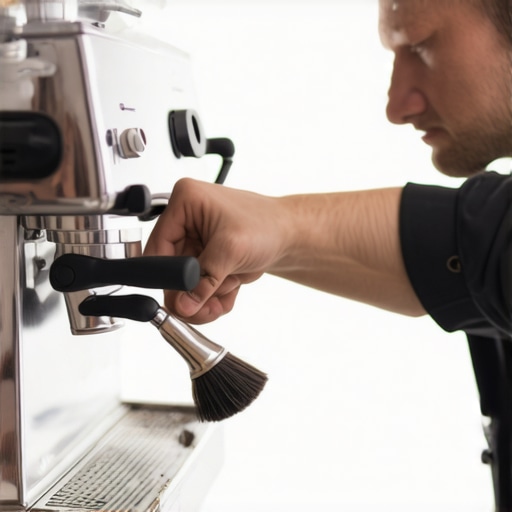
Minerals can clog internal channels, leading to flavor transfer issues. Use a descaling solution or a mixture of citric acid and water—follow the manufacturer’s instructions—to run through the machine’s brew path. I regularly clean my machine’s group head and steam wand following this routine, preventing residual deposits from tainting my espresso.
Pay Special Attention to the Brew Path
Disassemble removable parts like the portafilter, filter baskets, and shower screen. Soak and scrub them with a soft brush and mild detergent. In one session, I removed and cleaned every detachable component, noticing a significant decrease in off-flavors during subsequent brews.
Check Your Grinder for Contamination or Static
Improperly cleaned grinders or static buildup can introduce unwanted minerals or dust. Use a brush to clear out residual coffee grounds regularly. When I replaced my grinder’s burrs, I ensured they were clean and free of old coffee oils. This replaced a persistent salty tinge with fresh, clean espresso shots.
Use Correct Grind Size and Dosing
Finer grinds increase water contact and extraction efficiency. Slightly coarser settings can prevent over-extraction of minerals. During a troubleshooting session, adjusting my grind size allowed me to refine extraction time from 30 seconds to 25 seconds, balancing the flavor and eliminating saltiness.
Regular Maintenance to Prevent Future Issues
Set a cleaning schedule—weekly for machine internals and daily for filters. Use a cleaning tablet designed for your brewer. I automated reminders, which kept my equipment in optimal condition, sustaining clean water flow and high-quality espresso taste.
Many home baristas fall prey to deeply ingrained myths about espresso machines, grinders, and barista gear that can hinder their progress. Contrary to popular belief, the fanciest gear or latest model isn’t always the secret to perfect espresso. For instance, some assume that high-end machines automatically deliver superior results, but in my experience, proper maintenance, calibration, and understanding your specific setup are more critical.
Are You Falling for the Myths That Hold Back Your Espresso Mastery?
Take the idea that more expensive grinders produce better espresso. While quality is essential, sophisticated features don’t guarantee consistency if the grinder isn’t properly adjusted or cleaned regularly. Static buildup in grinders is a common issue overlooked by many, leading to uneven grounds and inconsistent extraction. A study published in the Journal of Coffee Science highlights that static can cause up to 20% loss of grounds, affecting flavor and shot consistency. Ensuring your grinder is static-free involves simple steps like using anti-static brushes or drying grounds thoroughly. Moreover, many believe that milk frothers or specialized barista gear are indispensable for a great drink. But without mastering fundamental techniques, such tools won’t significantly improve your results. For example, investing in a top-tier milk frother won’t compensate for improper steaming angles or inconsistent milk texture. The real secret lies in understanding the nuances of your equipment and practicing precise control. Common mistakes involve over-tamping or misjudging shot timing, which can be more detrimental than equipment quality if not corrected. And don’t underestimate the importance of routine calibration. Your espresso machine needs regular pressure and temperature checks—assuming it’s fine just because it looks clean might be a costly oversight. Consider periodic descale routines and calibration checks. These small yet crucial adjustments often make the difference between a mediocre shot and a stellar one. For advanced tips on maintaining optimal brewing conditions, check out this guide on shot consistency. Remember, the path to barista-level espresso isn’t solely about gear but also about understanding its quirks and maintaining it diligently. The myth that gear alone guarantees excellence can lead you to overlook critical, simple steps that elevate your brewing. Have you ever fallen into this trap? Let me know in the comments.
Invest in Quality Tools for Reliable Results
Having the right equipment is crucial for consistent, high-quality espresso at home. I personally rely on a precise digital scale like the Barista Scale Pro because it allows me to measure coffee grounds and extraction times down to the gram and second, ensuring perfect consistency with every shot. Additionally, a high-quality tamper such as the Precision Tamper 58mm helps me achieve even compression, which is fundamental for uniform extraction.
Maintenance Tools That Save Time and Hassle
Regularly cleaning and maintaining your equipment prevents build-up that can cause off-flavors like saltiness or bitterness. I swear by a descaling solution like DeLonghi Calc Clean and a dedicated brush set for cleaning group heads, baskets, and steam wands. For cutting down cleaning time, I use a quick-cleaning kit that makes routine maintenance quick and effective. Implementing a weekly cleaning schedule with these tools ensures your machine remains at peak performance, minimizing flavor issues and equipment breakdowns.
The Future of Maintenance: Smart Monitoring
Emerging tech like IoT-enabled sensors are beginning to provide real-time feedback on water hardness, temperature stability, and wear-and-tear—paving the way for smarter, more proactive maintenance. Companies are developing apps linked to machine diagnostics, allowing you to receive alerts when descaling or part replacement is due. This trend indicates that future home espresso setups will require less guesswork and manual checkups, making long-term care more foolproof.
How do I keep my gear performing over time?
One of my favorite routines is to regularly calibrate my grinder and machine settings using tools like a simple calibration method with a coin. This small step ensures consistent grind size and brewing temperature, preventing flavor deviations. Also, I recommend recording all maintenance activities—keeping a log helps identify recurring issues before they become costly problems.
In addition, explore the comprehensive guide on barista gear selection to choose equipment tailored to your brewing style and space. Don’t forget to implement a cleaning schedule that suits your usage frequency and follow manufacturer instructions for part replacements to extend your equipment’s lifespan.
Ready to take your home espresso game to the next level? Try implementing a regular calibration routine using a standard coin to ensure your grinder and machine stay aligned. With the right tools and proactive maintenance, you’ll enjoy flawless espresso day after day. If you’re curious about advanced maintenance techniques, check out the expert advice on water filtration. Keep your gear clean, calibrated, and well-maintained—your palate (and wallet) will thank you!
Reflecting on my journey, one of the most eye-opening lessons was realizing that many issues with home espresso setups stem from overlooked details rather than flashy gear. The fine line between a salty-tasting shot and a balanced espresso often comes down to the small, consistent habits I developed—like meticulous cleaning, precise calibration, and understanding my machine’s quirks. These lessons taught me that achieving barista-quality results isn’t about expensive equipment alone, but about respecting the craft through diligent care and continuous learning.
What Surprised Me About Espresso Wizardry
- Even the best grinder needs regular tuning: I once believed that a premium grinder was sufficient, but I learned that static buildup and dull burrs can sabotage taste, especially causing off-flavors like saltiness. Regular cleaning and calibration became my magic tricks.
- Water quality is a game-changer: I underestimated the impact of water until I saw my shots improve dramatically after switching to filtered water. The frustration melted away when I realized that quality water is the foundation for great espresso.
- Machine maintenance prevents flavor disasters: Descaling and cleaning might seem mundane, but neglecting them introduces mineral deposits that can cause bitter or salty notes. Routine upkeep turned my gear into a reliable partner, not an obstacle.
- Small adjustments make a big difference: Tweaking grind size, tamping pressure, and extraction time transformed my results. Mastery was in the details, not in the gear itself.
- Patience beats high-tech: Sometimes, slow and steady wins the flavor race. Learning to enjoy the process, rather than rushing to upgrade, yielded the most satisfying espresso experiences.
Tools That Elevated My Espresso Game
- A precise digital scale: Measuring grams and seconds became my secret weapon for consistent extraction.
- A quality tamper: Proper tamping ensured even extraction and vibrant flavor.
- A good cleaning kit: Regular descaling and cleaning kept mineral buildup in check, preventing salty or sour notes.
- A grinder brush: Removing static and old grounds kept grounds fresh and flavors pure.
- Pressure gauges: Fine-tuning pressure improved shot consistency and overall taste.
Embrace the Process, Elevate Your Espresso
Achieving the perfect espresso at home isn’t about instant perfection; it’s about cultivating a routine of curiosity, care, and patience. Each small adjustment, each deep clean, and each calibration brings you closer to that elusive, delightful shot. Remember, the most valuable lessons often come from the mistakes and surprises along the way. As you continue to learn about your gear and hone your technique, you’ll find that the journey itself becomes as rewarding as the espresso in your cup.
So, what’s the next step on your espresso adventure? Whether it’s cleaning your grinder properly, experimenting with water quality, or mastering the art of tamping, every effort counts. Keep exploring, keep experimenting, and most importantly, enjoy every sip. The perfect espresso isn’t just a goal; it’s a reflection of your dedication to the craft.
Share Your Experience
Have you ever discovered a small maintenance tip that transformed your espresso? Or faced a stubborn salty flavor you couldn’t shake? Let me know in the comments below—sharing our lessons makes the journey even richer.