The Secret to Getting a Tighter Fit on Your Portafilter
Have you ever wrestled with your portafilter, trying to lock it into your espresso machine, only to be met with stubborn resistance or a loosely fitting handle? I remember the first time I faced this frustrating obstacle—it was late in the morning, my first shot of the day, and everything was supposed to go smoothly. Instead, I spent precious minutes fighting with a poorly fitting portafilter, feeling like I was back in rookie training rather than a seasoned home barista. That lightbulb moment made me realize that a secure, tight fit isn’t just about convenience—it’s crucial for consistent espresso quality and safety.
The Secret to a Perfectly Tighter Portafilter Fit
Today, I want to share the real secret I discovered—one that transformed my espresso routine and can do the same for you. Whether you’re just starting out with home brewing or have been dabbling for years, a tight-fitting portafilter ensures even extraction, prevents messes, and guarantees your machine operates at its best. This isn’t just about pushing a handle; it’s about understanding how small adjustments and proper maintenance can make a huge difference in your espresso game.
Is a Tighter Fit Really Worth the Hype?
Believe me, I used to think it was a minor detail. How much difference could it make if the portafilter was a little loose? Well, I was dead wrong. A loose fit equals uneven pressure, inconsistent shots, and even potential damage to your equipment. Plus, I was making a major mistake early on—I ignored regular cleaning and didn’t pay attention to the worn-out gasket, which only worsened the problem. That oversight cost me shots and a bit of my pride, but once I addressed it, everything changed. If you’re curious whether this tip is worth your time, consider this: a proper check-up and adjustment can drastically improve your espresso quality and extend the life of your gear. For more insights on maintaining your espresso setup, you might want to explore [the best tools for cleaning your grinder](https://espressotechguide.com/the-best-tools-for-cleaning-your-grinder-burrs) or [how to replace your espresso machine’s group gasket](https://espressotechguide.com/how-to-replace-your-espresso-machines-group-gasket-in-10-minutes).
Now that I’ve set the stage, let’s dive into the practical steps that will help you achieve that perfectly tight portafilter fit, ensuring each shot is as delicious and consistent as it should be. Are you ready to stop battling with your equipment and start brewing with confidence?
,
Assess and Prepare Your Equipment
Start by turning off your espresso machine and removing the portafilter. Examine the gasket—look for signs of wear, debris, or accumulation of old coffee oils. A worn-out gasket can cause loose fits, so if it appears cracked or hardened, plan to replace it. Clean all surfaces thoroughly with a damp cloth, ensuring no old coffee residue remains. For a deeper clean, use a brush to scrub the gasket seat and the portafilter’s mating surfaces. Dirty or damaged parts will compromise the tightness of your fit and extraction quality. When I tackled my first stubborn portafilter, I realized a simple thorough cleaning made a big difference—my shots became more consistent after replacing a worn gasket and removing old coffee oils.
Adjust and Replace Worn Components
Replace the Gasket for a Secure Seal
Locate a compatible gasket for your machine—consult the manufacturer’s specs or check [the best tools for cleaning your grinder](https://espressotechguide.com/the-best-tools-for-cleaning-your-grinder-burrs) to ensure you’re getting a quality part. Remove the old gasket carefully with pliers or a gasket removal tool, then install the new one firmly into its seat. The new gasket should sit flush and provide a tight seal. I learned this the hard way—fighting with a worn gasket that caused leaks and loose fitting—by replacing it, I gained a secure connection and better shot consistency.
Adjust the Portafilter Handle
If the handle itself wiggles or feels loose, inspect its attachment. Many handles screw into the basket assembly; tighten it with an appropriate screwdriver or wrench. Be cautious not to overtighten, as this can strip threads or warp components. Sometimes, handles develop hairline cracks or become warped over time; replacing the handle ensures a snug fit. When I replaced a handle, I used a set of precision screwdrivers to ensure a firm, stable connection—leading to fewer spills and better shot control.
Optimize and Maintain the Fit
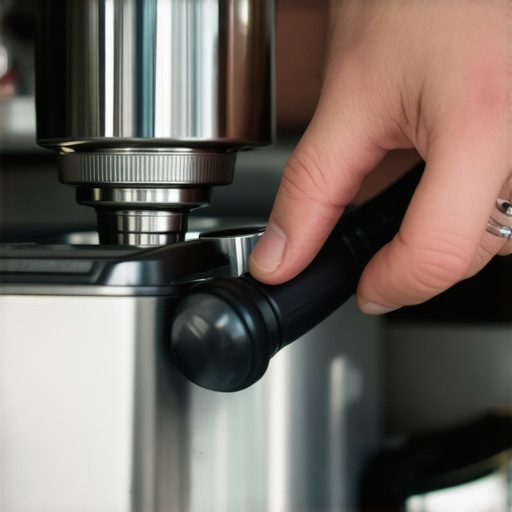
After replacing worn parts, reassemble the portafilter and attach it to your espresso machine. Lock it in place with moderate, firm pressure—much like tightening a bolt but avoiding overtightening. Test the fit by gently rocking the handle; a loose handle will move excessively, while a proper fit feels secure without excessive force. Regularly check the gasket and handle for signs of wear, as they are the main contributors to fit and safety. Remember, a perfect fit isn’t just about making your machine easier to use; it directly impacts extraction quality and safety. Whenever I maintained my equipment—replacing gaskets and tightened handles—I noticed immediate improvements in shot consistency and machine longevity.
For ongoing care, schedule periodic inspections and keep your equipment clean, referencing [how to replace your espresso machine’s group gasket](https://espressotechguide.com/how-to-replace-your-espresso-machines-group-gasket-in-10-minutes) to stay ahead of wear and tear. Those small maintenance steps turn into big dividends in your home coffee routine.
Many enthusiasts believe that owning the latest espresso machine or a fancy grinder guarantees perfect coffee. However, experts warn that complacency with gear quality and misconceptions about immediate results can lead to subpar brews. For instance, a common myth is that more expensive equipment automatically delivers better espresso without proper calibration or technique. In reality, even high-end machines require precise adjustments and maintenance to extract maximum flavor. Overlooking the importance of routine cleaning or misjudging grind size—despite having a top-tier grinder—can sabotage your efforts.
Why do seasoned baristas emphasize grinder calibration over machine upgrades?
Studies, like those summarized by the Specialty Coffee Association, highlight that grinder performance affects extraction consistency more than the machine itself. A poorly calibrated grinder leads to uneven grounds, resulting in channeled pulls or bitter shots, regardless of your machine’s price point. Additionally, many home baristas gravitate toward buying new gear instead of mastering essential skills, which is a waste of effort and money. Learning how to properly adjust your coffee grinder—using resources like this guide—can unlock way better results than simply upgrading hardware. Be wary of the ‘more is better’ mentality; sometimes, a simple tweak in grind size or tamping technique makes all the difference. Furthermore, neglecting to clean your milk frother or learn advanced steaming techniques hampers your ability to produce microfoam and latte art, vital elements of professional-level coffee. Remember, the nuances—like uniform tamping pressure or fine grind adjustments—are what separate a good cup from an exceptional one. If you’ve ever fallen into this trap, let me know in the comments! Want to avoid costly mistakes? Check out this article for expert tips on refining your home espresso routine.
Maintaining your espresso setup isn’t just about occasional cleaning—it’s about integrating reliable tools and routines that ensure consistent performance over the years. One of my go-to tools is a high-precision coffee scale with built-in timer. I personally use the calibrated digital scale, which has transformed my dosing accuracy and shot consistency. Investing in a quality scale with auto-tare and a timer is crucial because small deviations in dose and extraction time directly embolden or sabotage your brew quality.
Another essential piece of equipment is a burr grinder maintenance kit. I can’t stress enough how regularly replacing burrs or cleaning grounds from the burrs prevents uneven grinds that lead to channeling and bitter shots. I follow the step-by-step guide to replacing grinder burrs to keep my grinder running smoothly and precisely. These regular interventions reduce the risk of mechanical failures and help maintain uniform grind size, which is vital for optimal extraction.
Automation software might seem like overkill, but for those serious about long-term results, integrating smart appliances can be a game changer. For example, I utilize a smart espresso machine with diagnostic features that alert me to issues like temperature fluctuations or pressure drops, allowing proactive maintenance rather than reactive fixes. While such automation may seem advanced, I predict this trend will become standard as IoT integration enhances the reliability and convenience of home espresso setups, making it easier to keep everything in perfect tune.
How do I maintain my espresso equipment over time?
Consistent upkeep involves more than just cleaning after each use. Schedule monthly descaling sessions, especially in hard water areas, and deep clean your grinder and espresso machine exterior. Regularly inspect tubing, gaskets, and seals, replacing worn parts before they cause leaks or pressure issues. Adopting a preventive mindset reduces costly repairs and keeps your investment performing at its peak. For comprehensive maintenance routines, check out this expert article that discusses routine checks and part replacements.
By maintaining your gear with purpose-built tools and disciplined routines, you’re setting yourself up for years of consistently excellent espresso. For those eager to elevate their setup further, I recommend experimenting with an advanced dosing funnel to reduce coffee dust and improve shot quality—it’s simple but makes a noticeable difference. Dive into the detailed benefits of this upgrade and see how it can refine your brewing process.
Remember, a well-maintained setup not only extends the lifespan of your equipment but also enhances every cup you brew. Ready to get serious? Start by replacing your grinder burrs following the step-by-step guide and experience the immediate improvement in grind consistency.
The Untold Lessons That Transformed My Espresso Routine
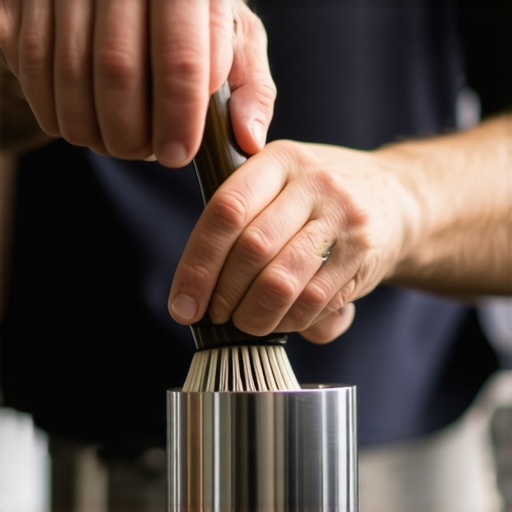
Over the years, I realized that the smallest detail—like how securely my portafilter fits—can make or break my coffee experience. I once thought that tightness was just a matter of instinct, but after countless shots and frustrations, I uncovered some hidden truths. One revelation was that regular maintenance, not just equipment upgrades, is the secret to consistency. Another was that understanding your machine’s specific quirks can save you from common pitfalls. And perhaps most important, I learned that patience and meticulous attention to detail elevate your craft beyond basic brewing, leading to richer flavors and a more satisfying ritual.
Resources That Elevated My Espresso Journey
For anyone serious about dialing in their espresso, I recommend investing in a high-precision digital scale with a built-in timer. It’s incredible how small adjustments in dose and extraction time can dramatically improve your shots—check out this guide for calibrating your scale properly. Additionally, a grinder maintenance kit has been pivotal in maintaining grind consistency; I trust these tools for their reliability. Finally, reading comprehensive articles like this step-by-step guide ensures I replace components without losing settings, keeping my workflow smooth and efficient.
Keep Pushing Your Barista Skills With Confidence
Now is the perfect moment to take control of your espresso game. With attention to detail—like ensuring a tight portafilter fit and regular maintenance—you can unlock flavors you never thought possible and turn your daily brew into a moment of mastery. Remember, great coffee starts with your willingness to learn, experiment, and refine your setup. So go ahead, embrace the nuances of your equipment, and watch your skills—and your coffee—reach new heights. Have you ever struggled with achieving a perfect portafilter fit? Share your experience below and let’s learn together!