How to Tell if Your Espresso Pump is Dying
I’ll never forget the shock of pulling an espresso shot one morning, only to get a sputtering stream of water instead of that silky, thick crema I cherish. That sinking feeling hit me hard—I knew something was wrong, but I didn’t want to admit my beloved espresso machine might be giving out. Turns out, that fade in pressure or strange noises were signs I ignored too long. Sound familiar? If you’ve ever faced a sluggish pump or inconsistent pressure, you’re not alone. The good news? Recognizing the early warning signs can save your setup from a costly repair and keep your coffee rituals smooth and satisfying.
Why Your Espresso Pump’s Life Is Worth Watching
The pump is the heartbeat of your espresso machine, responsible for pushing water through freshly ground beans at just the right pressure. When it starts to die, your shots suffer—becoming bitter, weak, or simply not coming out at all. The tricky part is, these signs often sneak up gradually. Early on, you might notice a slight drop in water flow or a strange buzzing noise—small clues that something’s off. If left unchecked, your pump could fail entirely, forcing you to either replace it or get a new machine altogether.
By catching these warning signs early, you can perform simple maintenance or adjustment that extend the life of your pump and preserve that perfect espresso shot. Understanding pressure fluctuations can help you diagnose if your pump is beginning to wobble. According to experts, early detection prevents more significant mechanical issues and costly repairs.
I made a common mistake early on—I ignored the occasional strange noises, assuming they were minor glitches. But those noises turned into loud screeches, and my machine’s pressure gauge flickered erratically. That was my wake-up call. Don’t let it be yours. If you’re questioning whether your pump is heading south, stay tuned. We’ll walk through the tell-tale signs and how to respond before it’s too late.
Assess Pump Pressure and Flow Rate
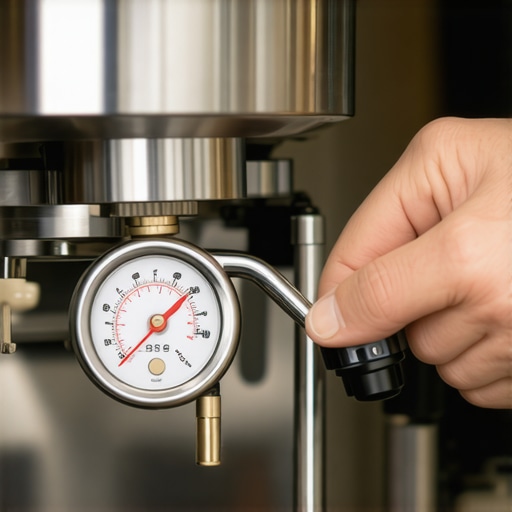
Start by checking your machine’s pressure gauge during operation. If pressure is consistently low or fluctuating, the pump may be weakening. To test this, run a shot and observe the flow; a sluggish or inconsistent pour signals a problem. Remember, the pump is like a water pump in your garden sprinkler system—it needs to push water steadily for even spray. I once noticed my shots were spraying unevenly, and after confirming low pressure, I decided to inspect the pump.
Clean or Replace Your Water Filter and Tubing
Clogged filters or mineral buildup can cause strain on the pump. Remove the water filter and tubing, then flush with vinegar or descaling solution. Reinstall and test the pressure. Think of your machine’s water pathway as the veins feeding your espresso—blockages here diminish flow and pressure, much like a clogged artery. Cleaning this area after noticing pressure issues restored my machine’s performance significantly.
Inspect and Lubricate Pump Components
Turn off and unplug the machine. Remove the pump cover carefully, following your user manual. Examine for loose or worn parts. Apply food-safe lubricant on pump seals if needed. It’s akin to lubricating a bicycle chain—reduces friction and ensures smooth operation. During my attempt, I discovered a worn seal causing pressure drops; replacing it brought my pump back to life.
Adjust Pump Pressure Settings
If your model allows, fine-tune the pump pressure regulator. Use a small screwdriver to turn the adjustment screw—clockwise increases pressure, counterclockwise decreases. Be cautious—adjust in small increments. It’s like tuning a guitar string for just the right pitch. I once adjusted mine by a quarter turn and immediately noticed more consistent pressure and better shot quality.
Replace or Repair Pump
If diagnostics point to a failing pump, sourcing a replacement becomes necessary. Purchase a compatible pump from reputable suppliers, or contact a professional technician for repair. Remember, like a fuel pump in a car, an end-of-life espresso pump requires timely replacement to avoid further damage. I opted for a professional replacement, which restored my machine’s full pressure and shot quality.
Verify and Seal All Connections
Double-check all water connections and gaskets for leaks or looseness. Tighten fittings carefully, and replace worn gaskets. Think of it as sealing a leaky water hose—it keeps the pressure intact. After sealing a tiny leak, my machine maintained consistent pressure, and my shots improved noticeably.
Conduct a Test Brew and Monitor Results
Finally, run several test shots to observe pressure stability and flow. Ensure shots are extracting evenly and with good crema. If issues persist, revisit previous steps or consult a specialist. Remember, persistent pressure issues could also stem from the water quality or grinder grind size, so check those variables as well. When I followed these steps diligently, my espresso machine’s performance was restored, producing barista-quality shots at home.Many espresso enthusiasts believe that upgrading to a high-end espresso machine or grinder guarantees perfect shots every time. However, this is a misconception. The real key lies in understanding the nuanced interplay between your equipment and brewing technique. For example, many assume that all coffee grinders are created equal, but selecting the right grinder involves considering burr type, grind consistency, and dosing precision—details that significantly impact flavor.
Another myth is that newer, more expensive barista gear automatically improves quality. Yet, the *proper use* and *maintenance* often matter more than price tags. An overlooked aspect is the importance of calibration; even a premium machine can produce mediocre espresso if not properly tuned. Regularly checking pressure and temperature and performing routine cleaning prevents common pitfalls.
When it comes to milk frothing, many think that any milk is suitable and that frothing is purely about temperature. Sorry, but that’s not quite right. Achieving silky microfoam requires selecting the right milk (like fresher, whole milk), proper steaming techniques, and knowing when to stop the frothing process. Mistakes here can lead to flat or grainy textures, ruining your latte art. For finer control, consider steam tips tailored for home use.
An advanced nuance often missed by hobbyists is how water quality influences gear longevity and shot quality. Hard water deposits can clog water pathways, cause scale buildup, and affect temperature stability—resulting in unpredictable extraction. Using a good water filter not only extends your equipment’s life but also enhances flavor clarity.
Finally, understand that equipment is only part of the equation. Techniques like dosing, tamping, and shot timing are equally critical. For those striving for consistency, mastering these details yields better results than simply upgrading hardware. Want to dive deeper? Explore home espresso mastery tips that reveal hidden intricacies.
By challenging common assumptions and paying attention to these nuanced factors, you elevate your home brewing from good to exceptional. Have you ever fallen into this trap? Let me know in the comments.
How do I keep my espresso gear running smoothly over time?
Maintaining your espresso setup requires intentionality and the right tools. First, invest in a high-quality coffee grinder that allows precise adjustments. I personally prefer a burr grinder with stepless grind size control—this gives me the flexibility to dial in my grind for different beans and brewing methods, ensuring consistent extraction and flavor.
Next, keep your cleaning arsenal stocked. A dedicated brush for your grinder burrs, descaling solutions, and soft microfiber cloths are must-haves. I regularly use a burr cleaning brush to remove built-up coffee oils and residue, which preserves grinder performance and flavor clarity. Additionally, a good cleaning detergent helps maintain your espresso machine’s water pathways.
To keep your machine at optimal temperature and pressure, periodically check and calibrate the boiler settings. For this, a reliable pressure gauge is invaluable. I recommend a digital manometer with data logging capability—this way, you can track changes over time and anticipate when maintenance is due.
Using a water filtration system is also crucial. Hard water deposits not only clog components but accelerate scale buildup, affecting taste and machine longevity. Investing in a quality home water filter that reduces calcium and magnesium cations prevents scaling and reduces maintenance frequency. As an example of this, one source notes the importance of water quality in shot flavor.
To future-proof your workflow, consider routine preventative checks every few months. Implement a checklist that includes inspecting seals, checking for leaks, and verifying pressure consistency. This approach saves money and hassle in the long run, ensuring your gear performs just like the first day.
Looking ahead, trends so far point toward smarter, IoT-enabled equipment that can self-diagnose and alert you when service is needed. Integrating digital monitoring tools could revolutionize how enthusiasts maintain their machines. Until then, meticulous manual upkeep remains the best route.
What’s a smart tip for keeping your gear in top shape?
One upgrade I recommend is using a drip tray optimizer that prevents overflow and catches stray coffee grounds, which can cause mold or corrosion over time. Just a small investment in a silicone mat or a custom-fitted tray liner can save hours of cleaning and protect your machine’s integrity.
Try scheduling monthly maintenance routines and keep a detailed log of your machine’s performance and parts replacements. This proactive approach helps catch issues early, ensuring your espresso setup remains reliable and efficient for years to come.
Lessons I Wish I Learned Sooner About Espresso Pumps
One of the most eye-opening experiences in my espresso journey was realizing that ignoring early signs of pump decline can lead to costly repairs and a ruined coffee routine. The moment I brushed off that faint buzzing and slight pressure drop, my machine’s performance nosedived, and I paid the price. Now, I know that paying close attention to subtle pressure inconsistencies and unusual noises before they escalate is the key to preserving my machine and your coffee enjoyment. Trust me, catching these signs early is like catching a small leak before it floods your kitchen—worth every moment of vigilance.
My Go-To Resources That Keep Me on Top of Espresso Maintenance
Having a reliable toolkit and trusted sources makes all the difference. I swear by a high-quality coffee grinder with stepless adjustments because precise grind size directly impacts pump workload and shot consistency. For troubleshooting and maintenance tips, this comprehensive guide has become my bible, helping me tackle issues efficiently. Additionally, a good calibration kit, like a digital pressure gauge from trusted suppliers, is invaluable for early diagnostics and fine-tuning my machine. These resources empower me to take control and extend my espresso machine’s lifespan confidently.
Your Turn to Elevate Your Espresso Game
Mastering your espresso pump and understanding its subtle cues can transform your home brewing experience from hit-or-miss to consistently satisfying. Every pour becomes a testament to your attention to detail and care. Embrace the learning curve, invest in quality tools, and keep a vigilant eye on your machine’s whispers—these are the steps that unlock truly barista-quality shots. Remember, your equipment responds best to your knowledge and dedication. Don’t shy away from exploring new techniques or troubleshooting tips; your perfect espresso is worth it. So, what’s one small adjustment you’re eager to try today? Let me know below, and let’s brew better together!