Why Your Bottomless Portafilter Is Creating Two Streams Instead of One
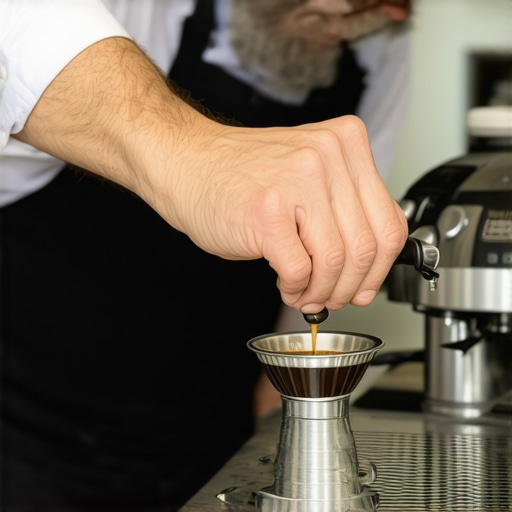
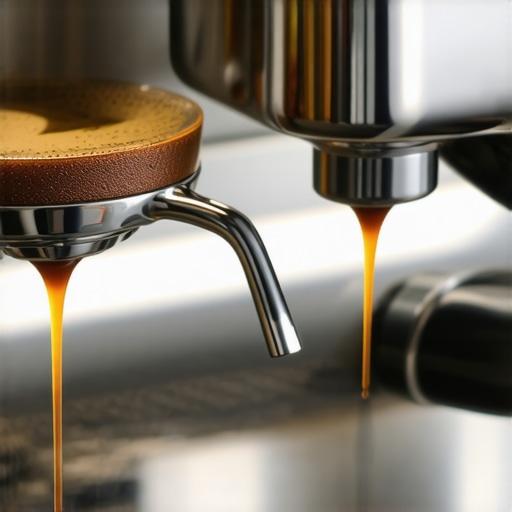
I remember the first time I snapped a naked portafilter onto my machine. I had spent weeks reading about mastering the art of home espresso, and I was ready for that perfect, Instagram-worthy moment where the coffee converges into a single, syrupy tail. I hit the button. The pump hummed. I held my breath. But instead of that beautiful, centralized cone, I got chaos. Two distinct, stubborn streams of coffee dived in opposite directions, splashing like a miniature fountain onto the rim of my cup. It was humbling. I stood there, phone in hand, recording a failure I was too embarrassed to post. I felt like a fraud. I had the gear, I had the beans, but I didn’t have the result. If you are staring at your drip tray wondering why your coffee is acting like a divided household, you are not alone. Today, we are going to fix those split streams once and for all. [image_placeholder]
The Day My Espresso Decided to Split in Half
Early in my journey, I made the classic mistake of thinking more pressure solved every problem. I would tamp like I was trying to crush a diamond, hoping the sheer force would make the coffee behave. It did the opposite. In fact, it usually led to why your espresso shot is spraying the back of your cup later in the pull. I actually took a spirit level to my counter, convinced my machine was tilted. It wasn’t. The ‘two-stream’ phenomenon is really just a sign of uneven resistance within your coffee puck. Water is fundamentally lazy. It seeks the path of least resistance. If your puck has two areas where the coffee is slightly less dense, the water will rush through both, creating those annoying twin peaks. It is a visual cue that your water is taking a shortcut rather than extracting evenly through the entire bed.
Is a single stream really the holy grail of espresso?
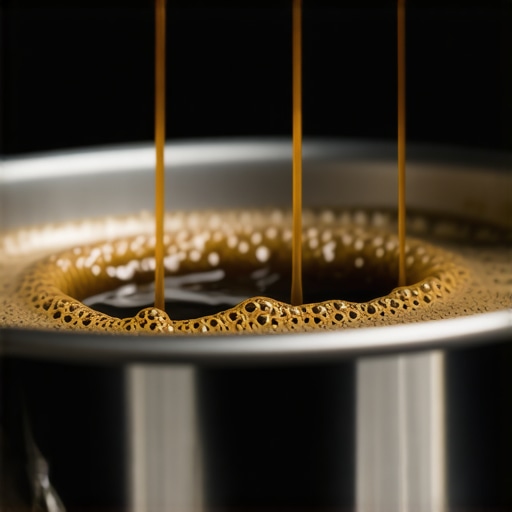
Some might argue that it all ends up in the cup anyway, so why does it matter? While that is true for a quick caffeine fix, those split streams are the canary in the coal mine for your flavor profile. When the flow is not unified, you are getting over-extraction in some spots and under-extraction in others. This leads to a muddy, confusing taste. According to a study published in the journal Matter regarding the physics of espresso, the consistency of the coffee bed is the primary factor in fluid dynamics. If your prep is not uniform, the surface tension will not be strong enough to pull the liquid together into a single cone. It is not just about the look; it is about making sure every drop of water touches the coffee for the exact same amount of time. If you have been struggling with how to prevent channelling in a bottomless portafilter shot, understanding why those streams refuse to meet is your first big step toward a better morning brew. Have you ever felt like you did everything right, only to see your espresso split into two? The good news is that once you understand the ‘why’ behind those stubborn streams, the ‘how’ becomes a much easier puzzle to solve.
Stop the Chaos with Better Distribution
If your espresso is acting like a broken sprinkler, the first place to look isn’t your machine—it’s your prep. Think of your coffee grounds like a pile of sand. If there are air pockets or dense clumps, the water will find them and blast through, creating those twin streams. I once tried to shortcut this by shaking the portafilter like a maraca, thinking I could settle the grounds with brute force. The result? A muddy mess and a shot that sprayed my favorite white shirt. Now, I swear by the Weiss Distribution Technique (WDT). By using a tool with thin needles to stir the grounds, you break up those tiny boulders. This is essential because why your coffee grounds are clumping like little rocks is often the hidden culprit behind those split streams.
Your Grinder is the Brains of the Operation
Your espresso machine is just the muscle; your grinder is the brains of the operation. If your burrs are producing inconsistent particle sizes, you’re setting yourself up for failure before you even lock the portafilter in. A high-quality burr set ensures that every grain of coffee is roughly the same size, which creates a uniform resistance for the pressurized water. If you are still using a blade grinder or a budget model that lacks precision, it might be time to learn how to select the perfect coffee grinder for your brew. I remember the morning I finally upgraded my entry-level grinder; suddenly, those two stubborn streams merged into a single syrupy flow for the first time. It wasn’t magic; it was just physics finally working in my favor. If you find your current gear is struggling, specifically why your coffee grinder is stalling with dark roast beans, it’s a clear signal that your distribution is being compromised at the source.
The Secret to a Perfectly Level Tamp
Once your grounds are fluffy and even, you need to compress them without creating new structural flaws. A common mistake is tamping at a slight angle. If one side of the puck is even a millimeter thinner than the other, the water will tilt its entire flow toward the ‘downhill’ side, leading to why your espresso shot is extracting from only the edges of the basket. I used to lean into my tamp with my whole body weight, which actually caused me to tilt the tool subconsciously. Focus on keeping your forearm vertical and your wrist straight. Learning the best angle for tamping to avoid wrist strain doesn’t just save your joints; it ensures the pressure is perfectly perpendicular to the basket, forcing the coffee to join together in that centered cone.
Are You Using the Right Basket for Your Dose?
Sometimes the problem isn’t your technique—it’s the ratio of coffee to metal. If there is too much headspace between the coffee puck and the shower screen, the water hits the coffee with way too much turbulence, shattering the integrity of the surface. When you understand how to tell if your basket is too large for your dose, you might realize that a simple increase of one gram of coffee could be the missing piece of the puzzle. When the basket is correctly filled, the puck remains stable under pressure, allowing the surface tension to naturally pull those two streams into one beautiful, unified extraction.Most people will tell you that the secret to a great shot is using beans roasted this morning. I am here to tell you that is a recipe for grassy, gassy disappointment. If you have ever wondered why your freshly roasted beans are making your espresso taste like grass, it is because the coffee is still off-gassing too much CO2. This carbon dioxide acts as a physical barrier, preventing water from actually reaching the flavor compounds inside the bean. According to research published by the Specialty Coffee Association (SCA), espresso beans often need between five and fourteen days to reach their peak flavor profile. Using them too early leads to those erratic, bubbly extractions that refuse to settle into a single stream.
The Freshness Myth That is Ruining Your Morning
In my experience, ‘resting’ your coffee is the single most overlooked variable in the home barista world. When you use beans that are too fresh, the trapped gas creates turbulence inside the puck, which is why you might see your extraction jumping around despite a perfect tamp. This is also a common reason why your espresso shot volume varies even with the same dose. You think you are doing something wrong, but it is actually the bean itself changing its density and gas content by the hour. Have you ever fallen into the trap of using beans that were ‘too fresh’? Let me know in the comments below.
Don’t Ignore the Hidden Gunk in Your Gear
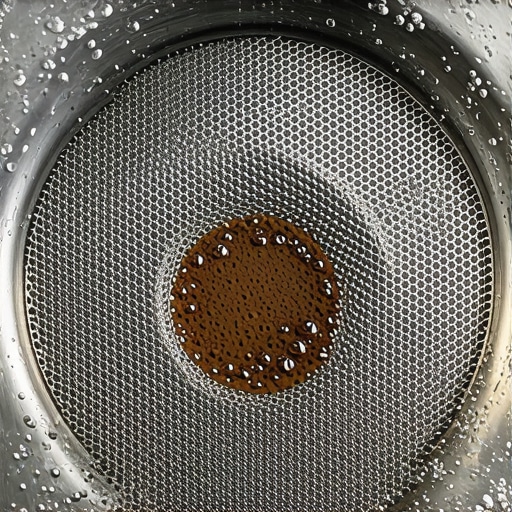
Another ‘trap’ I see advanced hobbyists fall into is focusing so much on the water and the beans that they forget about the physical hardware. You can descale your machine until the cows come home, but if you are not checking your spouts, you are inviting bitter flavors into your cup. There is a real danger of leaving old coffee oils in your portafilter spouts; these oils go rancid and will overpower even the most expensive single-origin bean. Similarly, if your grinder feels like it is working harder than usual, you should learn how to clean your grinders discharge chute with a pipe cleaner. A clogged chute causes ‘regrynding,’ where coffee bits are ground twice, creating a muddy silt that ruins your flow.
What happens when your perfect recipe suddenly fails on day four?
This is the nuance that separates the pros from the enthusiasts: atmospheric pressure and humidity. Coffee is hygroscopic, meaning it absorbs moisture from the air. If it rained last night, your grind setting from yesterday is now useless. The beans have swelled slightly, and the water will struggle to pass through. You might find the reason your espresso tastes metallic after descaling is actually a combination of clean pipes and a grind that is now too fine for the current humidity. Always be ready to ‘dial in’ your grinder every single morning. Even a small change in the room temperature can make a the simple shim fix for a loose portafilter handle feel different, let alone the way the water moves through the coffee puck. Expertise is not about finding one setting that works forever; it is about learning how to listen to what the coffee is telling you today.If you want to stop chasing your tail with those split streams, you have to look at the gear that stays behind after the shot is done. I used to hate cleaning my group head; it is hot, cramped, and messy. Then I discovered the simple paper filter trick for better bottomless shots. By placing a small paper circle at the bottom—or better yet, a stainless steel puck screen on top—you create a physical barrier that prevents coffee oils from being sucked back into the internal plumbing. When you finally realize why your group head shower screen is getting clogged so fast, you understand that a tiny piece of mesh can save you hours of scrubbing and keep your flavors from turning rancid.
Stop the Sludge with a Simple Puck Screen
I personally use a 1.7mm puck screen because it provides enough resistance to prevent the water from cratering the puck while keeping the shower screen pristine. This is a game-changer for consistency. If the water hits the coffee unevenly because the shower screen is partially blocked by old gunk, no amount of fancy tamping will fix your flow.
How do I keep my espresso setup running like new?
The secret isn’t a magic chemical; it is a ‘Sunday Service’ routine. I do not just backflush with water; I pull the shower screen off entirely once a week. If you have never done this, prepare to be horrified by the swamp of old oils hiding behind the metal. This is also the best time to inspect your seals. If you have a high-end machine, you need to know how to properly lubricate your e61 group head cam. Without food-grade Molykote lubricant, that smooth lever will eventually start to grind and squeak, which is the first sign of internal mechanical wear that could lead to a costly repair.
Kill the Scale Before It Kills Your Machine
According to the technical guidelines in the SCAA Water Quality Handbook, the chloride and mineral levels in common tap water can eat through or clog stainless steel boilers in months, not years. This is why I am obsessed with water filtration. If you haven’t looked into it, you should find the best way to descale a boiler without using harsh vinegar. Citric acid-based cleaners are much gentler on your gaskets and won’t leave that lingering smell in your morning latte. Neglecting this leads to a ‘hissing’ sound that isn’t steam—it is actually a precursor to how to spot a failing solenoid valve before it floods your kitchen. The future of home espresso is clearly moving toward automation and precision. I predict that the top rated espresso machines for coffee lovers in 2025 will feature integrated sensors that measure mineral buildup and flow rate in real-time, pinging your phone when a deep clean is required. We are evolving from hobbyists into precision engineers. My challenge to you: tonight, remove your shower screen with a short screwdriver. If it is covered in black coffee residue, give it a 10-minute soak in an enzymatic cleaner like Cafiza. You will be shocked at how much brighter and sweeter your next shot tastes tomorrow morning.
The Small Wins That Finally Saved My Mornings
I spent years thinking that a single stream was just a matter of luck, but I eventually learned that the ‘click’ moment happens when you stop fighting the machine and start listening to the coffee. Here are the lightbulb moments that changed everything for me:
- Stop chasing the timer: I used to panic if my shot didn’t hit 30 seconds exactly. Now I know that flavor is the only metric that matters. If your flow is split but it tastes sweet, keep going.
- Humidity is the silent killer: I finally realized that my grinder settings were changing because of the weather. If it is a rainy day, your grounds will behave differently than on a dry afternoon.
- The ‘wiggle’ matters: When you lock in your portafilter, do it gently. Jarring the machine can actually shift the puck and cause those streams to divide before the pump even starts. If you notice your flow is still off, check why your espresso is flowing out of only one spouts for a mechanical diagnostic.
The Gear That Actually Earned a Spot on My Counter
You do not need a five-figure setup to get professional results, but you do need tools that provide consistency. When I stopped buying every gadget I saw and focused on choosing the best barista gear for coffee enthusiasts, my success rate skyrocketed. I personally rely on a self-leveling tamper and a high-precision basket. If you are just starting out, mastering the art of home espresso is much easier when you have a grinder that offers micro-adjustments. I always recommend checking out the top rated espresso machines for coffee lovers in 2025 if you feel your current hardware is the bottleneck preventing that perfect, unified cone.
[image_placeholder]
Go Make Your Next Bad Shot
The path to perfection is paved with a lot of bitter, messy, and split extractions. Do not let a messy drip tray discourage you; it is just part of the education. Every time you adjust your grind or refine your distribution, you are developing the intuition that separates a beginner from a master of home espresso. The ritual of the morning brew is about more than just caffeine—it is about the pursuit of that one perfect, syrupy stream. Have you managed to turn those two stubborn streams into one, or are you still fighting the ‘double dragon’ flow? Let me know your biggest struggle in the comments below.