Why Your Machine Boiler Is Constantly Refilling
It was exactly 6:15 AM last Tuesday when I realized my morning ritual had turned into a battle of nerves. I was standing there, portafilter in hand, waiting for my E61 to finish its warm-up dance. But instead of that steady, reassuring click of the thermostat, I heard the pump kick in. Then it stopped. Ten seconds later, it kicked in again. And again. It was like my machine had suddenly developed an unquenchable thirst. If you’ve ever sat there staring at your top-rated espresso machines and wondered why it’s behaving like a leaky faucet, you aren’t alone. It’s annoying, it’s noisy, and frankly, it’s a bit scary when you think about the electricity running through that metal box. [image placeholder]
My Espresso Machine Started Acting Like a Thirsty Puppy
I’ll be the first to admit I made a massive rookie mistake a few years back. I noticed my boiler was refilling every few minutes, and I just turned up the radio to drown out the sound. I figured as long as the coffee tasted good, who cares? Well, my heating element cared. It eventually burnt out because the water level probe was covered in scale, leading to a dry fire situation. Trust me, you don’t want that repair bill. We’re going to stop that from happening to you today. We’ll look at the sensors, the seals, and why the mistake of using distilled water in your boiler might actually be the culprit behind your sensor’s confusion.
Is this constant clicking going to kill my heating element?
It’s a valid fear. Every time that pump engages, it’s working to maintain a very specific equilibrium. If it’s doing it too often, it’s a sign that water is leaving the system somewhere it shouldn’t—or the machine thinks it is. Have you noticed a little puddle forming or maybe a drop in steam pressure? Drop a comment below if your machine has started this rhythmic refilling habit; I’d love to know which model is giving you grief.
The Hidden Leak That’s Draining Your Morning Peace
Often, the issue isn’t a catastrophic explosion waiting to happen, but a tiny, annoying leak. I’ve found that a worn-out anti-vacuum valve is a frequent offender. If that little valve doesn’t seal properly as the machine heats up, steam constantly escapes. The boiler loses pressure, the water level drops, and—you guessed it—the pump kicks in to top it off. You might also want to check if you’re leaking from the bottom, as an internal fitting could be loose. According to industry data from the Specialty Coffee Association (SCA), mineral buildup from water quality issues is responsible for nearly 70% of these component failures. This is why it’s so vital to tell if your water hardness is damaging your boiler before the damage becomes permanent. When scale builds up on the water level probe, it acts as an insulator, telling the brain the boiler is empty even when it’s full. Let’s look at how to clean those probes and check your valves.
Hunt for the Hissing Anti-Vacuum Valve
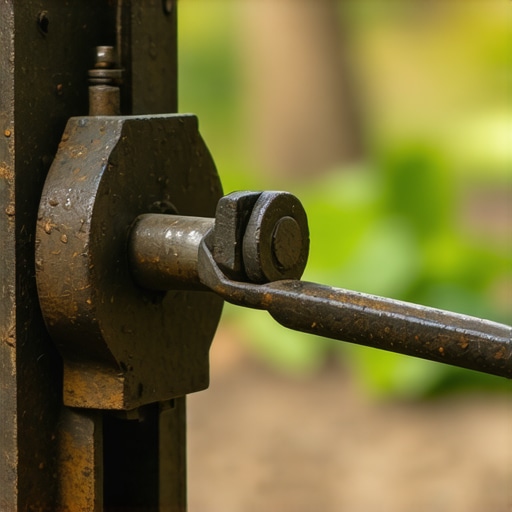
One of the most common reasons your machine is gasping for water every few minutes is a tiny, often overlooked part: the anti-vacuum valve. Think of this as the pressure cooker’s safety pin. When the machine is cold, it’s open to let air escape so you don’t get a vacuum lock. Once the boiler gets hot, the steam pressure is supposed to push a little plunger up to seal it shut. But if scale builds up on that plunger, it won’t seal perfectly. You’ll hear a faint hiss, or see a tiny puff of steam constantly exiting into the drip tray. This slow bleed of pressure means your boiler is losing water volume. Eventually, the machine realizes the level is low and triggers the pump. If you find your steam performance is dipping, you should learn how to fix a stuck steam valve on a prosumer machine because that’s often where the leak starts. Replacing this valve is usually a five-minute job with a wrench and some Teflon tape, and it will immediately quiet that repetitive pump cycle. 
Scrub Your Sensor Probes Clean
The water level probe is essentially a metal rod that dips into the boiler. When water touches it, an electrical circuit completes, telling the computer the boiler is full. If that rod is coated in white calcium deposits, the signal gets interrupted. I remember spenting an entire Saturday morning thinking my control board had fried. I was even looking at choosing the best barista gear for coffee enthusiasts to replace the whole setup. But when I finally pulled the probe out, it looked like a dusty marshmallow. I spent two minutes scrubbing it with a piece of steel wool, popped it back in, and the machine worked perfectly. Before you go replacing expensive electronics, unscrew that probe (with the machine off and unplugged!) and give it a good polish. Also, be careful with your water choice; the truth about using distilled water in your machine is that it lacks the minerals needed for some probes to even detect water, which can lead to the opposite problem—overfilling.
Stop Chasing Ghost Leaks in Your Fittings
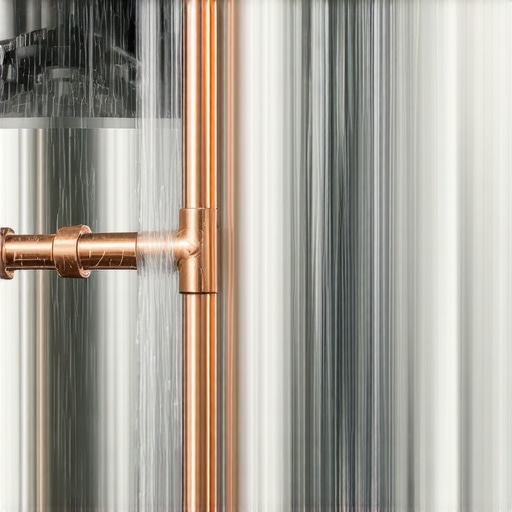
Sometimes the leak isn’t steam, but actual liquid water escaping from a loose compression fitting inside the case. I once had a ‘ghost leak’ where I couldn’t see any puddles, but the machine refilled every ten minutes. It turned out the water was leaking onto the insulated boiler wrap and evaporating before it ever hit the bottom tray. If your why your espresso machine pressure gauge stays at zero or fluctuates wildly during these refill cycles, you likely have a breach in the hydraulic circuit. Check the nuts where the copper pipes meet the boiler. A quarter-turn with a spanner is often all it takes to stop a slow drip. While you’re in there, make sure the intake line is secure, as the easy way to tell if your pump is sucking air is to look for tiny bubbles in the tubing during a refill. If the pump is pulling air along with water, it takes longer to reach the probe, leading to those frantic, long-lasting refilling sounds that drive you crazy.It’s a common trap in the home barista world: the belief that adding more specialized tools will mask fundamental mechanical or chemistry issues. I see it every day in coffee forums—someone buys the top-rated espresso machines and immediately stacks their counter with every gadget under the sun. But here is a contrarian take: sometimes your fancy WDT tool might be causing more channeling than it prevents, especially if you’re pushing the needles too deep and disturbing the bottom layer of the puck. We focus so much on the ‘extra’ that we ignore the core physics of water flow.
Why does my perfectly dialed-in shot suddenly taste like battery acid?
This is the ‘Oops’ factor that catches even experienced users. You spend an hour deep cleaning your equipment, only to find that your espresso tastes like vinegar after cleaning. This happens because most people over-use descaling agents or don’t realize that certain acids can react with the copper in your boiler if left too long. It’s a sophisticated mistake; you’re trying to do the right thing (maintenance), but you’re actually stripping the protective layer from the internal metal, leading to sharp, metallic off-flavors. Have you ever fallen into this trap of over-cleaning and regretting it? Let me know in the comments below!
The conductivity myth that kills your sensors
Everyone tells you that ‘pure’ water is best for your machine, but that is a dangerous half-truth. While scale is the enemy, water that is too pure—like distilled or high-end reverse osmosis water—often cannot conduct electricity. According to water chemistry guidelines from the Specialty Coffee Association (SCA), water needs a minimum mineral content to allow the level probes to function. If you use distilled water, the sensor cannot ‘see’ the water level, and the pump will run indefinitely until the boiler overflows. This is why the truth about using distilled water in your machine is more about electrical conductivity than just avoiding scale. When you are choosing the best barista gear for coffee enthusiasts, you have to consider the water as a part of the mechanical circuit.
Stop blaming the grinder for alignment issues
We often think that if our shots are inconsistent, we need to select the perfect coffee grinder with bigger burrs. However, even the most expensive flat burr grinders can arrive from the factory slightly misaligned. A study published in the journal Matter regarding the ‘systematic study of espresso’ found that grind consistency is more about the physical alignment of the burrs and their thermal expansion than the brand name on the box. If your machine is constantly refilling because of a leak, and your shots are also tasting muddy, don’t just throw money at a new grinder. Check the internal alignment first. It’s these small, technical nuances—the things beyond the shiny chrome—that separate a hobbyist from someone who truly understands the craft.
It’s easy to get caught up in the romance of the pull, but the real work happens when the machine is off. If you’ve ignored the rubber bits under your group head, you’re playing a dangerous game. I learned this the hard way when a portafilter literally shot out of the machine because the seal was so dry it couldn’t hold the pressure. It’s one of those mastering the art of home espresso tips for beginners that often gets skipped until something goes wrong.
Don’t Wait for the Drip to Change Your Gaskets
Your group gasket is the unsung hero of your morning shot. Over time, constant heat cycles bake that rubber until it becomes as hard as a hockey puck. This is exactly the reason your portafilter gasket is getting brittle, and once it hits that stage, it won’t create a perfect seal anymore. You’ll notice water leaking over the sides of the portafilter, ruining your pressure and your counter. I personally recommend switching to silicone gaskets; they handle the heat better and don’t turn into stone. When it’s time for the swap, you need to know how to replace a group gasket without scratching the chrome, or you’ll regret looking at those ugly gouges every morning. I use a simple dental pick or a thin flathead screwdriver to gently pry the old one out, but only after the machine has fully cooled down.
The Secret to Never Scorching Your Milk
If you’re using one of the milk frothers that transform your coffee experience, or a prosumer steam wand, hygiene is your best friend. A common mistake I see is people wiping the wand but forgetting to purge. Steam wands can actually suck milk back into the boiler via a vacuum effect as they cool down. To prevent this, you need to master the best way to purge your steam wand without burning your hand. A quick two-second blast before and after steaming keeps the internals clear. In the near future, I predict we will see more top-rated espresso machines featuring integrated IoT sensors that monitor milk residue and water hardness in real-time, alerting your phone before the scale even forms. Until then, we rely on the routine.
How do I make my espresso machine last a lifetime?
The answer isn’t a fancy tool; it’s consistency. You need to commit to the best routine for a weekend deep clean. This involves backflushing with a specialized detergent to break down the coffee oils that turn rancid inside the group head. Technical documentation from manufacturers like La Marzocco suggests that even in home environments, a chemical backflush should happen every 15 to 20 shots to maintain the solenoid valve’s health. Neglecting this leads to the ‘stuck valve’ syndrome that kills your flow. Take a pick or a small screwdriver and poke your group gasket right now—if it feels like hard plastic instead of rubber, it’s time to swap it before your next brew. If you have any questions about the specific parts for your model, feel free to contact us and we can help you find the right fit.
How I Stopped Treating My Espresso Machine Like a Mystery Box
The biggest takeaway from years of tinkering? Your machine talks to you through sounds and steam. If the pump is hunting for water, it’s not a ghost; it’s a physical gap in the system. Don’t fall for the trap of thinking a more expensive machine won’t have these issues; even the top-rated espresso machines require you to be the guardian of their internal health.
I’ve learned that mastering the art of home espresso is 20% technique and 80% preventative maintenance. If you wait for the leak to reach the counter, you’ve waited too long. Another hard truth: ‘Clean’ doesn’t just mean the outside chrome. If you aren’t following the best routine for a weekend deep clean, you’re just inviting mineral buildup to set up permanent residence in your solenoid valves.
My Go-To Maintenance Kit for a Smooth Morning
I never start a week without checking these three things. First, I keep a spare set of silicone group gaskets on hand, because the reason your portafilter gasket is getting brittle is usually just the inevitable passage of time and heat. Silicone stays soft and seals better than the stock rubber ones. Second, a reliable TDS meter is non-negotiable for me. Since I’m constantly choosing the best barista gear for coffee enthusiasts, I’ve realized that the gear only performs as well as the water you put in it. Finally, a dedicated brush set for the group head and grinder makes selecting the perfect coffee grinder feel like a better investment when you actually keep the burrs free of rancid oils.
Take Control of Your Daily Brew
Don’t let a clicking pump or a hissing valve intimidate you. These espresso machines are remarkably resilient once you understand their basic needs for pressure and mineral-balanced water. With a little bit of patience and a wrench, you can bring that machine back to its silent, powerful glory. If you hit a wall or need a specific part recommendation, don’t hesitate to contact us. Did your machine start making that weird refilling noise after a specific water change or a deep clean? Let me know in the comments below!