The 10-Second Cleaning Habit That Saves Your Solenoid Valve from Clogging
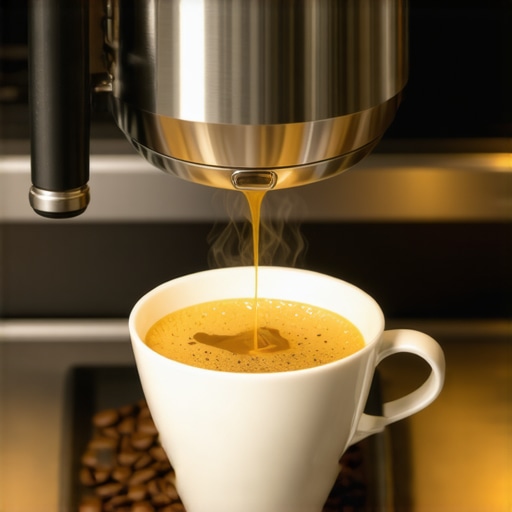
It happened again. I was mid-pull, expecting that perfect shot, only to be greeted by the dreaded sluggishness of my espresso machine’s solenoid valve. A tiny, vital component that controls water flow and makes or breaks your brew. Suddenly, the process stalls, and I realize—my neglect might be costing me more than just a frustrating morning. That lightbulb moment hit hard: Just 10 seconds of cleaning could be the difference between smooth operation and a costly repair.
The Little Habit That Saves Big Repairs
Have you ever faced a clogged solenoid valve? It’s incredibly frustrating, especially when you’re in the middle of a busy morning or trying to impress guests. The sneaky part? It often happens gradually, with signs of buildup sneaking in before the full-on blockage. I used to ignore those warning signs, thinking a flush every once in a while was enough. But early-on mistakes like neglecting routine maintenance can accelerate the clogging process, leading to expensive replacements.
Let’s be honest—if you’re like me, you want your espresso routine to be simple and consistent, not riddled with unexpected breakdowns. That’s why I want to share what I learned from my own missteps and breakthroughs, so you can avoid the pitfalls and keep your gear humming smoothly.
Is the buzz about a quick clean actually worth it?
Early in my coffee journey, I thought quick rinses were enough. I dismissed those tiny bits of debris as harmless. Turns out, I was making a costly mistake—particularly with solenoid valves, which are highly sensitive to mineral deposits and coffee oils. Cleaning for just 10 seconds with a dedicated cleaner or a simple flush can significantly extend their lifespan. Think of it as a quick health check-up for your machine that keeps it in peak shape.
According to industry expert James Hoffmann, regular cleaning reduces mineral buildup and prevents clogging, saving you money and time in the long run. If you’re wondering whether the effort is worth it, just know that neglect might eventually lead to valve replacements costing hundreds.
So, have you faced that sluggish response or strange noises from your solenoid? If yes, you’re not alone. The good news? A simple, guaranteed 10-second routine can dramatically reduce your odds of a clog—and that’s exactly what we’re about to explore. Stay tuned for easy steps to implement today, because your coffee deserves a long, healthy life, and so does your gear.
Flush the System Regularly to Prevent Clogs
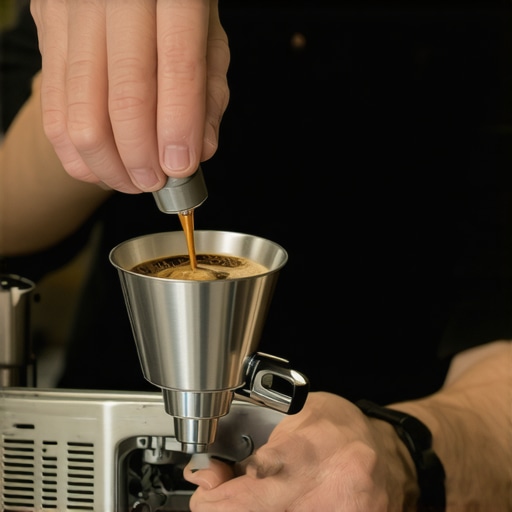
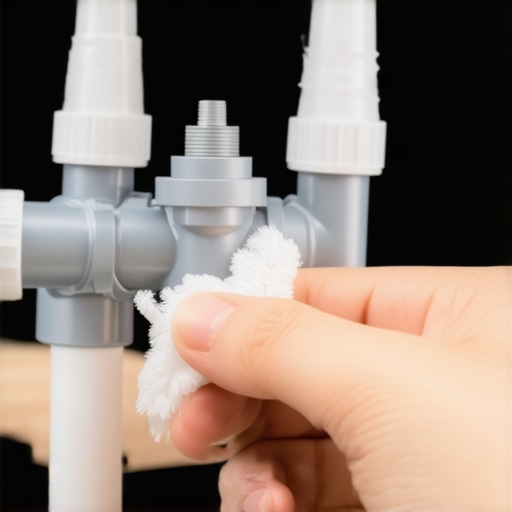
Imagine your espresso machine as a busy highway; over time, debris and mineral deposits act like traffic jams, slowing everything down. To keep those water pathways clear, dedicate 10 seconds after each brew to a quick flush of the solenoid valve. Simply activate the machine without coffee in the portafilter, and run hot water through the solenoid using a cleaning brush or the machine’s rinse feature. This simple step washes away accumulated oils and particles, preventing buildup from turning into stubborn clogs. I once forgot to do this routine during a hectic morning, and by the time I noticed the sluggish response, I faced a costly repair. Now, I never skip this quick clean, and my machine runs flawlessly—saving time and money.
Disassemble and Inspect for Hidden Buildup
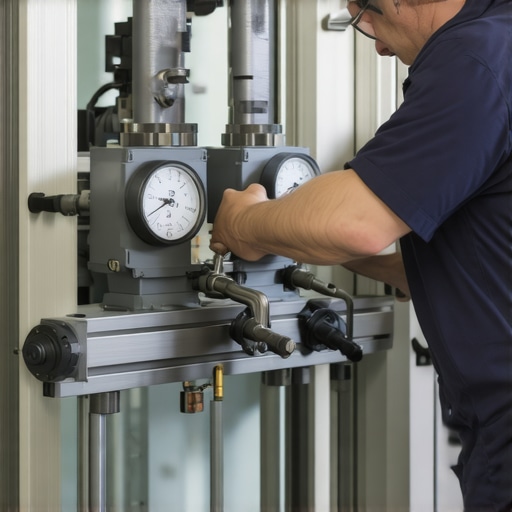
From my own messy experience, blocking deposits often hide within the solenoid’s internal components. To clean thoroughly, turn off and unplug your machine. Remove the solenoid coil carefully by unscrewing the retaining clips, then gently extract the valve body. Use a soft brush, like a pipe cleaner, to scrub away coffee oils and mineral residues. For stubborn deposits, soak the parts in a vinegar solution diluted with water for 10-15 minutes, then rinse thoroughly. When I did this last month, I discovered a tiny clog near the coil that was causing inconsistent water flow. By performing this deep clean every few months, I ensure smooth water flow, which directly impacts shot quality and machine longevity.
Use Targeted Cleaners for Savings and Safety
Next, replace generic rinses with focused cleaning solutions designed for espresso gear. Coffee machine cleaners contain citric acids that dissolve mineral buildup without harming components. Dilute as instructed—typically a capful of cleaner in a small container of hot water—and run this mixture through the solenoid’s water path. Afterward, flush with plain hot water to remove residual cleaner. I’ve used specialty cleaners like the ones linked at this guide, which proved faster and more effective than aggressive scrubbing alone. Regular use of such cleaners prolongs the lifespan of your solenoid and maintains optimal water control, ensuring that every shot maintains its rich crema.
Reassemble Carefully and Test Frequently
Once cleaning is complete, reattach the solenoid components securely, ensuring all parts are firmly in place to prevent leaks or malfunctions. After reassembly, run a few test shots to verify water flow is consistent and responsive. Adjust the machine’s settings if necessary. I learned this step the hard way—skipping proper reassembly led to leaks that required further disassembly. Making it a habit to check the tension of clips and connecting hoses ensures longevity and performance. Incorporating these routine, 10-second cleanings into your daily coffee ritual will keep your gear in top condition, providing you with flawless shots and peace of mind.Many enthusiasts believe they’re getting the most out of their coffee setups, but beneath the surface lie misconceptions that can hinder your brewing perfection. A prime example is the misconception that expensive gear guarantees better results. In reality, selecting the right coffee grinder and understanding its nuances often has a bigger impact than price. Mythbusters suggest that even affordable grinders, when properly maintained and dialed in, can produce stellar grounds.
Another area ripe with myths is the importance placed solely on high-end espresso machines. While quality equipment matters, many overlook the significance of consistent routine maintenance and mastering basic techniques. Don François, a renowned barista, highlights that machine care and grind size adjustments often outperform top-tier gear in delivering excellent shots.
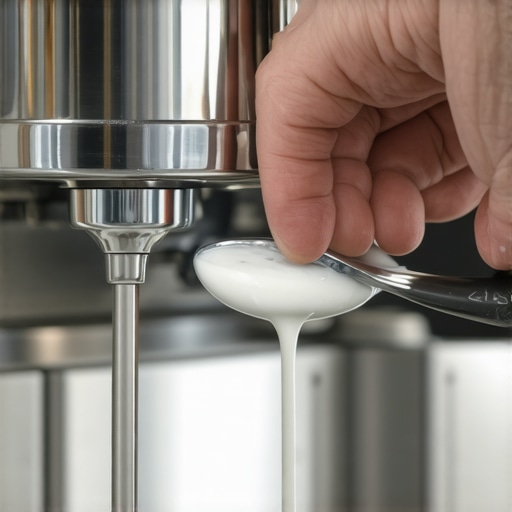
A common trap relates to milk frothers. Many assume all frothers are equal, yet different models bring varied performance and foam quality. The myth that manual frothers can’t rival electric ones is also false; skill and technique often trump wattage.
Now, let’s address a question that even advanced baristas ask: How does water quality influence brewing, and can it be a hidden culprit behind subpar shots? Expert opinion suggests that impurities and minerals significantly affect extraction. An expert maintenance routine, including water filtration, can elevate your espresso to a new level.
Beware of the oops factor: neglecting simple upkeep like cleaning grinder burrs or descaling your espresso machine might seem insignificant but accumulates over time, causing inconsistent shot quality. Regular checks and deep cleans prevent these advanced mistakes, saving time and money in the long run.
Have you ever fallen into this trap? Let me know in the comments. Remember, mastering the nuances and busting myths about your gear ensures each cup is a step closer to perfection.
Maintaining your coffee equipment is crucial to achieving consistently excellent brews. Investing in the right tools and establishing a disciplined maintenance routine can extend the lifespan of your grinder, espresso machine, and milk frother, ultimately saving you money and enhancing flavor. One of my go-to tools is a high-quality precision cleaning kit that allows me to safely disassemble and thoroughly clean internal components without the risk of damaging delicate parts. This kit includes soft brushes, silicone tubing, and specialized cleaning solutions, making deep maintenance approachable even for beginners.
Another indispensable tool is an accurate digital coffee scale. It ensures that you dose your grounds consistently, which is fundamental to both extraction and wear reduction. Regular calibration of your scale, combined with a consistent grinding routine, guarantees precise shots while minimizing unnecessary wear on your grinder and espresso machine. Looking ahead, I predict that smart, IoT-enabled maintenance tools will become standard—that is, embedded sensors that alert you when cleaning or part replacements are due, making upkeep effortless and predictive.
How do I maintain my espresso machine over time?
Establishing a maintenance schedule that includes descaling your boiler, cleaning group heads, and replacing worn gaskets is key. Around every three months, I use a descaling solution approved by my machine’s manufacturer to prevent lime build-up, which can impair performance. A reliable solenoid valve cleaner spray (like the one recommended in industry expert James Hoffmann’s guidelines) can restore water flow and prevent costly clogs. Keep a dedicated toolkit handy—include small screwdrivers, cleaning brushes, and spare gaskets—so you can perform minor repairs swiftly without waiting for professional service. Routine maintenance doesn’t have to be complicated; in fact, integrating it into your daily routine, like flushing the system for 10 seconds after each brew, makes a significant difference. Remember, consistent upkeep preserves the delicate internal parts, ensuring every shot remains flavorful and your equipment lasts for years. Many enthusiasts find that using specialized cleaning tools tailored to espresso gear helps streamline this process and keeps the workspace organized.
If you’re interested in elevating your maintenance game, I recommend trying a quick flush routine combined with periodic deep cleaning. Taking these steps now will pay off with richer shots and longer machine life—trust me, your future self will thank you! For personalized advice or specific troubleshooting, feel free to reach out. Remember, a well-maintained setup is your ticket to barista-quality coffee at home.
The Hidden Lessons That Turn Routine Maintenance into Mastery
One of the most profound realizations in my home barista journey was that small, consistent actions outperform sporadic deep cleans. I learned the hard way that neglecting routine solenoid flushing often leads to unexpected clogs, ruining shots and costing money. The lightbulb moment? Just 10 seconds of quick cleaning after every brew can safeguard your machine’s health and your coffee quality, transforming maintenance from a chore into a habit that empowers your craft.
My Essential Gear and Resources for Long-Term Success
Over time, I discovered that the right tools make all the difference. A precision cleaning kit helps me reach those tiny internal spots, and a quality coffee grinder ensures consistent grounds, reducing strain on my espresso machine. For troubleshooting and future-proofing, I rely on trusted industry guides, which provide step-by-step insights that keep my setup in peak condition and my coffee tasting houses top-tier.
Your Next Coffee Greatness Awaits—Take Action Today
Embarking on your maintenance routine with attention and consistency will pay dividends in flavor, longevity, and satisfaction. Think of it as investing a few seconds daily that deliver months of uninterrupted, delicious brewing. Remember, a well-maintained espresso machine isn’t just equipment—it’s a key ingredient in your personal barista repertoire. So, why wait? Start today, embrace these simple care steps, and elevate every shot you pull. Your perfect cup is just a routine away.