The Only Cleaning Brush You Need for Your Portafilter Basket
I remember the first time I tried to give my espresso machine a quick clean after a long weekend. I reached into the basket, expecting a simple wipe, only to be met with stubborn coffee grounds stuck in every nook and cranny. Frustration bubbled up—I knew I needed a better tool, but I didn’t want to clutter my space with a bunch of overpriced gadgets. That lightbulb moment led me to discover a single, versatile cleaning brush that transformed my routine.
The One Brush That Changed My Coffee Game
If you’ve ever faced the tedious task of cleaning your portafilter basket and felt overwhelmed by the stubborn grime, you’re not alone. Keeping those tiny holes clear is essential for extracting the richest flavors, yet it often gets overlooked. The good news? With the right tool—one efficient, well-designed cleaning brush—you can make this chore quick, effective, and even enjoyable.
Today, I promise to introduce you to *the only cleaning brush you need* for your portafilter basket. No more multiple tools, no more guesswork—this brush does it all. You’ll learn how it can help you maintain your equipment’s performance, prevent flavor contamination, and save precious time. Trust me, a clean portafilter isn’t just about aesthetics; it’s the secret to consistently brewing a perfect shot.
Is a Specialized Brush Really Worth the Hype?
Early on, I too fell into the trap of buying generic brushes that promised the moon but barely scratched the surface. My mistake was using brushes that were too soft or too stiff, which either failed to remove coffee residues or damaged the delicate basket mesh. According to barista expert James Hoffmann, choosing the right cleaning tools can significantly improve your espresso quality over time. This simple oversight was a costly mistake I learned the hard way, and I don’t want you to make the same.
Start with a Clear Workflow
Imagine trying to clean your espresso portafilter basket while juggling multiple tasks—it’s chaotic and ineffective. Instead, establish a routine order: disassemble, scrub, rinse, and reassemble. I vividly recall the time I laid out my tools on a clean towel, cleaned each part systematically, and noticed an immediate improvement in shot clarity and flavor. A consistent workflow minimizes missed spots and prevents cross-contamination, ensuring each espresso tastes as fresh as it should.
Disassemble the Components Carefully
Remove the portafilter, group head, and steam wand if applicable. Use a soft brush to clear coffee residues from the basket holes—this is where stubborn oils hide. When I first tried this, I accidentally knocked over my tamper, but it reminded me to handle tools gently. Regular disassembly exposes hidden grime, preventing buildup that can cause channeling or uneven extraction.
Scrub with Precision
Use a dedicated brush designed for espresso parts, like the versatile cleaning brush I found, which works wonders on group gaskets and shower screens. The key is targeting every nook, especially the tiny holes in the shower screen, which can clog over time. I remember a morning where I skipped this step, resulting in a sour-tasting shot—proper cleaning made all the difference. Harsh chemicals are unnecessary; warm water and a good brush suffice, but special tools make scrubbing thorough and safe.
Flush and Rinse Thoroughly
After scrubbing, run water through the group head and steam wand to clear out loosened residues. If you’re unsure about clogs, perform the chalk test—drawing a line on your burrs and checking alignment—which can be a good indicator of overall cleanliness. In my experience, a quick flush ensures no soap or coffee oils remain, preserving the taste integrity of your brew.
Deep Clean After Every Few Uses
While daily maintenance suffices for most, deep cleaning monthly prevents buildup. Backflush your machine with a blind filter and appropriate cleaning detergent, following the manufacturer’s instructions. I once neglected this step and faced inconsistent pressure; a thorough backflush fixed the issue. Periodic deep cleans ensure your machine’s internal parts stay lubricated and functioning optimally, extending lifespan and maintaining flavor profile.
Use the Right Cleaning Tools
Invest in specific brushes for your group head, portafilter baskets, and steam wand. These tools reduce damage risk and improve cleaning efficiency. For example, a small, firm-bristled brush can reach into narrow passages better than generic pads. I learned this the hard way when a rough sponge caused scratches, so tailored brushes are worth the investment. Avoid unverified chemicals; stick to water and specialized cleaning agents recommended by your machine’s manufacturer.
Maintain Regular Inspection Routines
Check for wear and tear—inspect gaskets, seals, and screens for cracks or buildup. When I closely examined my gasket after noticing a slight leak, I discovered a crack that needed replacing, which is easier than cleaning out constant leaks. Regular inspections keep small issues from evolving into costly repairs, maintaining consistent performance and taste.
Leverage External Resources
If uncertain, consult detailed guides like this maintenance resource. Joining forums or contacting professionals through their contact page can also provide personalized advice. Staying proactive with maintenance not only preserves your gear but also enhances every cup you brew—making the grinding, tamping, and brewing process truly rewarding.Even seasoned home baristas often believe they have the essentials down, but certain misconceptions can sabotage their espresso journey. Many assume that dialing in grind size is the only tuning needed, but in reality, factors like grinder burr alignment and machine pressure stability are equally critical for consistent results. Misjudging these nuances often leads to overextraction or underextraction, resulting in bitter or weak shots. For instance, improper burr alignment can cause uneven grounds, compromising shot clarity. Regularly checking and aligning your grinder burrs using methods like the marker technique can dramatically improve consistency. Additionally, many overlook the importance of verifying your machine’s pressure profile; fluctuations can stem from internal leaks or worn seals, impacting extraction quality. Expert baristas like James Hoffman emphasize that understanding and maintaining these hidden aspects make a substantial difference in achieving barista-level espresso at home. Don’t fall for the myth that maintaining just the visible parts is enough—delve deeper into your gear’s inner workings. One common trap is neglecting routine internal inspections, which can lead to issues like unbalanced pressure or scale buildup. A simple yet overlooked step is inspecting group gaskets and seals for cracks, as these tiny components indirectly influence your shot’s clarity and flavor. Remember, a well-tuned machine combined with precise grinder calibration is the foundation of excellent espresso. To refine your knowledge further, explore dedicated resources or consider consulting experts if you notice persistent inconsistencies. proactive maintenance not only extends your equipment’s lifespan but also guarantees every cup is as good as a trip to your favorite café. Have you ever fallen into this trap? Let me know in the comments.
Optimize Your Coffee Setup for Long-Term Success
Maintaining your espresso machine, grinder, and accessories is crucial to keep your coffee consistently excellent. Investing in the right tools not only makes routine maintenance easier but also extends the lifespan of your gear. For instance, I highly recommend a precision burr alignment tool. This simple calibration device ensures your grinder produces uniform grounds, resulting in better extraction and flavor.
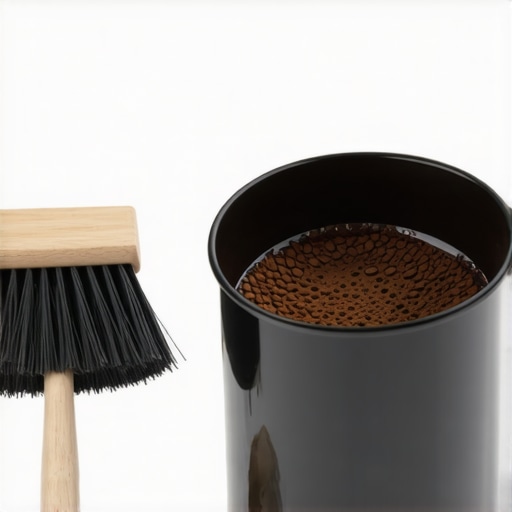
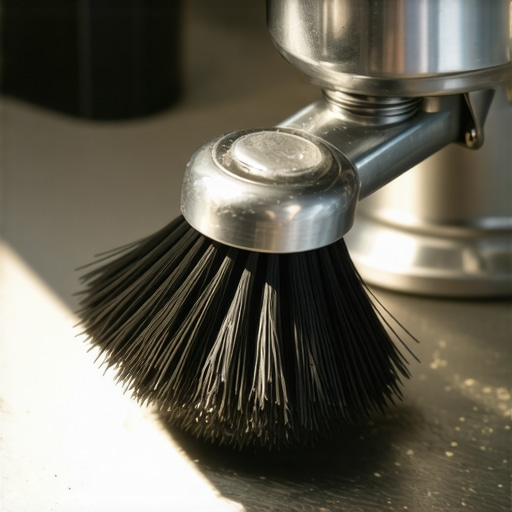
An essential addition to your toolkit is a quality cleaning brush, specially designed for espresso components. I personally swear by a stiff-bristled, narrow-head brush, which allows me to clean under the shower screen and deep into portafilter baskets thoroughly. Regular cleaning prevents buildup and helps maintain optimal water flow, ensuring your shots taste fresh every time.
How do I maintain my equipment over time?
Consistency is key. Establish a routine that includes daily wiping of accessible parts, weekly deep cleaning with specialized brushes, and monthly backflushing using approved detergents. Don’t neglect internal components like gaskets and seals; inspecting and replacing them when worn prevents leaks and pressure inconsistencies. For detailed inspection techniques, consult this guide on gasket maintenance.
Tools I rely on for perfect results
Beyond brushes and calibration tools, I recommend a high-precision digital shot timer to dial in your grind and dose accurately. It’s amazing how small adjustments can dramatically improve consistency. Additionally, investing in a steam wand cleaning tool helps keep microfins clear, ensuring your milk frothing remains silky and controlled.
Looking ahead: The future of coffee gear maintenance
Emerging smart sensors and IoT-connected devices are beginning to monitor machine performance and alert you to issues before they cause failures. Imagine receiving a notification when your boiler needs descaling or when internal pressure fluctuates outside optimal ranges. Incorporating these technologies could revolutionize how we care for our beloved equipment, making maintenance more proactive and less guesswork.
What’s the best way to keep your espresso gear running smoothly long-term?
The secret lies in consistency and using the right tools. Regular inspections, precise calibration, and timely part replacements are your best allies. For comprehensive advice tailored to your specific machine, don’t hesitate to reach out through this contact page. And if you’re ready to elevate your setup, try aligning your grinder burrs with the marker technique—little adjustments like these make a world of difference. With the right maintenance routine and tools, you’ll enjoy impeccable espresso for years to come.
Over the years, I’ve learned that the true secret to exceptional espresso isn’t just choosing high-quality beans or the latest machine—it’s understanding the delicate art of maintenance and the lessons learned along the way. These insights have shaped my journey from a casual enthusiast to a confident home barista, and I hope they do the same for you.
What I Wish I Knew Before Diving Deep into Coffee Maintenance
- Small details make a big difference: Regularly inspecting gaskets and seals prevents leaks and keeps your espresso flavor consistent. Neglecting tiny components can lead to costly repairs and flavor compromise.
- Consistency for confidence: Establishing a routine—disassembling, cleaning, and reassembling—has transformed my workflow. It minimizes errors and elevates the taste of every shot.
- Tools matter more than we think: Investing in tailored brushes and calibration tools like the burr alignment tool can dramatically improve your results, saving time and frustration.
- Deep cleaning isn’t optional: Monthly backflushing and thorough internal cleaning keep your machine performing at its best, preventing stubborn buildup that can ruin flavors.
- Patience grows expertise: Accept small setbacks—like misaligned grinders or pressure fluctuations—as opportunities to learn. Troubleshooting deepens your understanding and enhances your skill set.
My Essential Arsenal for Coffee Excellence
- Burr alignment tools: Ensuring uniform grind size is foundational for perfect extraction.
- Quality milk frothers: For silky microfoam that elevates your latte art game.
- Precision calibrators: Fine-tuning grind consistency saves guesswork and improves flavor.
- Reliable espresso machines: Building a setup that prioritizes durability and ease of maintenance.
The Last Coffee Tip You’ve Been Waiting For
If you’re serious about elevating your home espresso experience, proactive maintenance with the right tools will serve you well. Embrace routine inspections, don’t shy away from deep cleans, and remember that every small fix adds up to a big difference in taste and equipment longevity. Investing in your gear now means fewer surprises later, and more perfect cups for years to come. Want to discuss your setup or troubleshoot a specific issue? Reach out here. Keep brewing with passion and precision—your best espresso awaits!