How to Fit an Espresso Setup Into a Very Small Kitchen
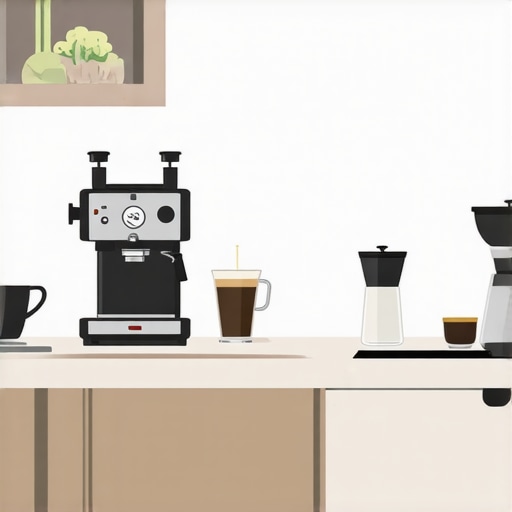
Ever had that frustrating moment in the morning when you’re craving a perfect espresso, but your tiny kitchen feels more like a storage closet than a barista’s paradise? I remember the shock of realizing my double espresso machine barely fit on my countertop, with my coffee grinder and milk frother squeezed into every available nook, leaving no room for movement or even a decent cup of coffee — let alone a proper setup. It was a lightbulb moment: why invest in great gear if I can’t even fit it all into my small space?
Transforming a Cluttered Corner into a Coffee Haven
Before I knew it, I was spending more time juggling equipment and cleaning up than truly enjoying my brew. That’s when I decided enough was enough. If you’ve ever faced the same tight squeeze, then you understand the challenge. The good news? There are clever ways to adapt your espresso setup to fit comfortably, even in the most limited kitchen spaces. We’ll explore practical tips based on my experience, so you don’t have to stumble through trial and error like I did.
Is Your Compact Kitchen Actually a Barrier to Great Coffee?
When I first started, I made the mistake of thinking bigger equipment equals better coffee — but that’s a misconception. Even with small gear, you can craft stellar espresso, provided it fits well and functions efficiently. Avoid the trap of sacrificing quality for space; instead, learn how to optimize your tiny kitchen with smart gear choices and creative arrangement. Plus, I’ll guide you toward the right equipment, like compact espresso machines and space-saving grinders, so you can make the most of your limited space without compromising on coffee quality. Did I mention that using the right tools can turn your cramped kitchen into a coffee enthusiast’s dream? Check out this guide for picking gear that fits perfectly into tight spaces.
Now, I want to hear from you: have you ever felt limited by your kitchen’s size when trying to set up your coffee corner? If so, stay tuned — because I’ll walk you through the best strategies to turn even the smallest nook into your personal brewing haven. Let’s start with understanding how to select space-efficient equipment that does it all.
Choose Compact, Multi-Functional Equipment
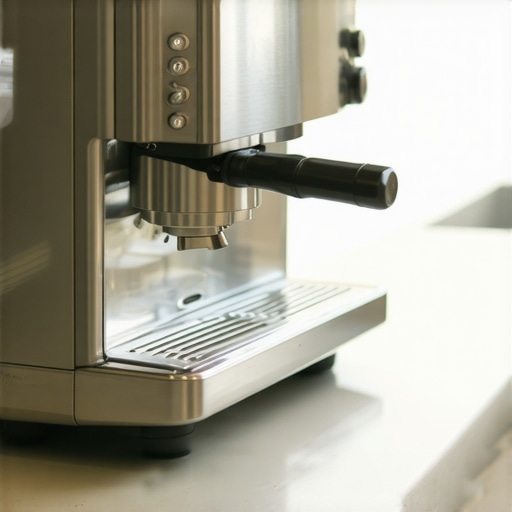
Select small-sized espresso machines that offer multiple functions, such as built-in grinders or combined steam wands. For example, a machine like the top-rated espresso machine in 2025 is designed to fit tight spaces without sacrificing performance. When I upgraded to a compact model, I realized I could save almost a foot of counter space, which allowed me to organize my accessories more efficiently.
Optimize Your Workflow with Proper Placement
Arrange your gear in a way that minimizes movement — place your grinder next to the espresso machine, and keep your milk frother within arm’s reach. I once experimented with a layout where I stacked my grinder on top of my espresso machine using a sturdy riser; this elevated my grinder’s chute and freed up valuable space below. Remember, the key is accessibility without clutter.
Utilize Space-Saving Grinders
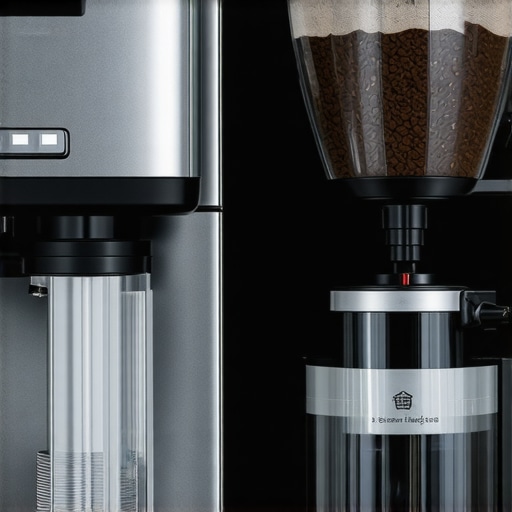
Look for small-footprint coffee grinders that are designed for home use. Flat burr grinders with vertical designs can sit neatly beside your espresso machine, and their efficient grinding reduces the need for a large hopper. I swapped my bulky conical grinder for a slim, vertical model, which took half the space but maintained excellent grind consistency.
Master Proper Equipment Maintenance
Regularly cleaning your machine and grinder prevents clogging and ensures longevity. Focus on descaling your espresso machine every few months using vinegar or descaling solutions, and clean grinder burrs with a brush afterwards. Once, I neglected my grinder, which caused static buildup and uneven grounds; after a thorough cleaning following these tips, my grind consistency improved noticeably.
Innovative Storage Solutions maximize Space
Use vertical racks or wall-mounted shelves for accessories like tampers, filters, and milk frothing pitchers. I installed a magnetic strip on the wall to hold small tools, freeing drawer space. For bulkier items, consider stacking containers or under-counter drawers to keep everything accessible yet out of the way.
Implement a Workflow Routine
Create a standard procedure for your coffee prep to streamline each step, reducing clutter and wasted space. For example, keep your espresso shot tools in a small caddy near the machine, so you don’t need to search for parts during peak morning hours. This habit saves time and keeps your workspace tidy.
By applying these strategies, you’ll transform your tiny kitchen into an efficient coffee corner — a place where your passion for espresso thrives despite limited space. If you need personalized advice, reach out through this contact form or explore gear options in our comprehensive guide.
Many home baristas fall prey to the myth that investing in high-end espresso machines or fancy milk frothers automatically guarantees perfect coffee. In reality, the nuance lies in understanding the limitations and proper use of this gear. For instance, a popular misconception is that more expensive equipment always equals better results. While quality matters, your technique and understanding of the machine’s quirks often have a greater impact.
An often overlooked aspect is how many enthusiasts underestimate the importance of proper calibration and maintenance. For example, even a top-rated espresso machine can underperform if its pressure settings or temperature are off. Regularly calibrating your grinder and machine based on specific beans and brewing styles is crucial — learn more about that in our puck moisture guide.
One trap that can trip up many is relying solely on gadgets to fix fundamental issues. For example, cranky milk frothers are frequently blamed for poor microfoam, but improper steaming technique or cold milk are often the culprits. In our steam wand tips article, I detail how mastering simple, disciplined steaming can transform your frothing results—no fancy device required.
For advanced aficionados, one sneaky pitfall is using generic portafilters on high-end machines. This mismatch can cause uneven extraction, leading to bitter or weak shots. Choosing the right portafilter for your espresso machine is critical; see our portafilter compatibility guide to get it right.
A common myth is that home grinders don’t matter, but the truth is, even small adjustments in grind size or burr alignment can drastically affect extraction quality. Investing in a good grinder and learning how to calibrate it properly can elevate your brew — explore our calibration techniques.
Finally, if you’re seeking consistent espresso extraction, don’t overlook the importance of workflow routine and space organization. A disorganized setup can lead to errors and wasted time, even with the best gear. Check out our tips for optimizing your workspace for efficiency.
Remember, the secret to exceptional home espresso isn’t just gear—it’s knowledge, technique, and attention to detail. Have you ever fallen into this trap? Let me know in the comments and share your experiences. For personalized advice on gear choices, visit our contact page.
Invest in Reliable Maintenance Tools
Having the right tools makes all the difference in keeping your espresso setup functioning perfectly over time. I personally swear by a high-quality milk frother cleaning brush. Its stiff bristles remove milk residue without damaging the non-stick coating, ensuring consistent microfoam for my latte art. A dedicated pressure gauge calibration tool is essential to constantly monitor my espresso machine’s internal pressure, helping me stay ahead of any brewing issues before they affect flavor. As equipment ages, small tools like these become indispensable for proactive maintenance.
Implement Routine Servicing Schedule
Long-term results hinge on a disciplined routine. I schedule descaling every three months using a descaling solution recommended by manufacturers—to prevent mineral buildup that can impair temperature stability. Regularly calibrate my grinder with the calibration technique to maintain consistent grind size, which directly impacts shot quality. Checking seals, gaskets, and filters periodically avoids costly repairs down the line and ensures each shot remains perfect.
How do I maintain my gear over time?
Beyond basic cleaning, inspecting mechanical parts like E61 group seals or portafilter handles is crucial—look for signs of wear and replace components per the manufacturer’s recommendations. For example, replacing a worn group gasket can restore optimal pressure and prevent leaks. Keep a small toolkit on hand for quick fixes, and follow detailed guides like the one at this resource to understand common issues. Moreover, maintaining your grinder’s burrs by replacing them when dull will preserve grind consistency, which is vital for a good extraction. For the ambitious, integrating a scale calibration schedule ensures precise dose-for-dose consistency, elevating your home brew to professional levels.
Tools That Offer Long-Term Savings
While investing in quality tools like a commercial-grade tamper or a durable grinder handle may seem costly, their longevity reduces replacement frequency. Regular cleaning using specific brushes and cleaning tablets, such as those offered by brands like Urnex, prolongs the lifespan of your equipment and ensures top flavors. Following manufacturer maintenance guides based on credible technical sources, such as the detailed steps at this technical outline, helps prevent common failures.
Preparing for Future Upgrades
Trend predictions suggest smarter, modular espresso systems that integrate diagnostics and remote monitoring—expect to see apps that alert you when parts need replacement or cleaning. As we move toward these innovations, honing your current maintenance routine with modern tools sets a solid foundation. I highly recommend trying the advanced calibration techniques outlined at this resource—it can significantly refine your brew quality and prolong your gear’s life. Remember, consistent maintenance isn’t just about avoiding failures; it’s about consistently brewing your best cup. Start implementing these precise tools and routines today, and enjoy a brewing experience that’s both satisfying and enduring.
Lessons Brewed from My Small Kitchen Saga
One of the most revealing lessons I learned was that the biggest barrier isn’t the equipment itself but how I approached it. I used to think a high-end espresso machine would transform my mornings, but I realized that improper placement and workflow often sabotaged my efforts. The lightbulb moment? Space-saving accessories and smarter organization can elevate your brewing experience more than sheer size or cost. Additionally, I discovered that mastering maintenance routines reduces downtime, saving me frustration and ensuring consistent quality. Lastly, simplifying my setup and routine helped me focus on perfecting my brew rather than managing clutter, proving that efficiency often beats size when it comes to home espresso.
Tools That Took My Coffee to the Next Level
My go-to resources include the comprehensive gear selection guide, which helped me pick equipment that fits my space and brewing style. For maintenance, the cleaning brushes and calibration tools I trust ensure longevity and optimal performance. To improve my workflow, I rely on techniques from expert tutorials that make the process smooth and enjoyable. These resources have become pillars of my home espresso journey, saving me time and guesswork.
Your Turn to Brew with Confidence
You don’t have to let a tiny kitchen limit your coffee dreams. Embrace smart equipment choices, clever organization, and routine maintenance, and watch your space transform into a personal barista paradise. Remember, great coffee at home is about technique, patience, and passion—not the size of your countertop. I challenge you to evaluate your setup today: what small change could make your mornings more enjoyable? Share your ideas or questions below, and let’s elevate our coffee game together!