Why Your Espresso Machine Steam Is Wet and Spluttery
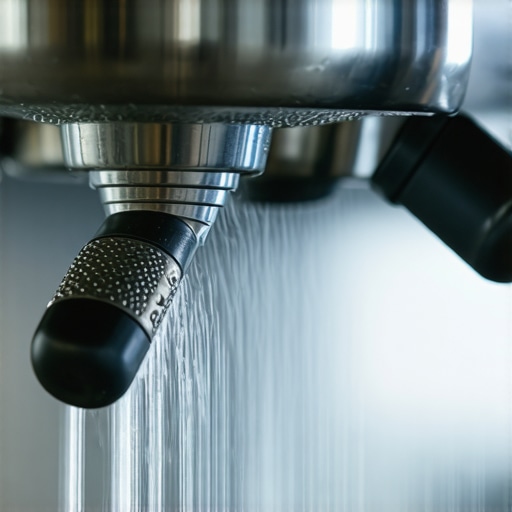
I was standing in my kitchen, proudly showing off my morning routine to a friend, when my espresso machine decided to humiliate me. Instead of the silky, dry hiss I expected, the steam wand let out a series of violent, wet coughs that sent a spray of hot water directly into my milk pitcher. It sounded more like a tea kettle on its last legs than a professional setup. The result? A watery, bubbly mess that tasted more like hot milk-flavored water than a proper flat white. If you have ever felt that sting of disappointment when your foam refuses to cooperate, you are not alone. Wet steam is the silent killer of latte art, but the good news is that it is usually a fixable habit rather than a mechanical death sentence. Today, we are diving into why your machine is spitting water and how you can get back to that professional, dry steam we all crave.
The Watery Mess Hiding in Your Steam Line
The first thing I learned the hard way is that your steam wand is a bit of a procrastinator. When the machine sits idle, the steam inside the wand cools down and turns back into water. If you do not clear that out, you are basically dumping a tablespoon of lukewarm water into your milk before the steam even starts. I used to skip the purge because I was lazy, but the best way to purge your steam wand without getting burned is the single most important step in your workflow. It is not just about cleaning; it is about ensuring only gas, not liquid, hits your pitcher. Have you ever noticed your steam starts strong and then just gives up? You might be dealing with a situation where your steam wand loses pressure halfway through frothing, which often goes hand-in-hand with that annoying spluttering.
Does a fancier machine actually solve the splutter
You might be thinking that your entry-level machine is just too cheap to provide dry steam. While it is true that top-rated espresso machines for coffee lovers in 2025 have larger boilers that manage moisture better, even a high-end machine will spit water if you do not treat it right. According to research from the Specialty Coffee Association, steam quality is directly tied to the boiler head space; if your boiler is overfilled or hasn’t reached full temperature, there is not enough room for dry steam to gather, leading to that dreaded wet output. I spent months thinking my thermoblock was dying when, in reality, I was just rushing the warm-up process. If you are struggling, it might be worth checking how to fix a steam wand that only blows out weak air to see if your issue is a simple blockage or a lack of heat. Have you ever felt like your machine was purposely trying to ruin your morning latte?
Give your boiler enough time to breathe
Think of your espresso machine like a marathon runner. If you ask it to sprint the second it wakes up, it is going to stumble. Most home machines use a single boiler or a thermoblock, and while the ready light might turn on in three minutes, the internal metal components are still relatively cold. This temperature gap causes the steam to condense back into water as it travels through the internal plumbing. I once tried to rush a morning latte before the heating light even stopped flickering. I thought the steam felt hot enough, but the moment I opened the valve, the wand acted like a pressurized water gun. It didn’t just ruin the milk; it splashed scalding water all over my shirt. If you find your machine is struggling, the hidden reason your machine is taking forever to heat up might be a lack of thermal stability. Give it a full 15 to 20 minutes, even if the light says otherwise.
The aggressive purge that saves your milk texture
A quick half-second flick of the steam knob isn’t enough. You need to be aggressive. When you open that valve, you are clearing out the slug of cold water sitting in the pipe. I recommend purging into a cloth or the drip tray for at least three to five seconds until the sound changes from a sputtery chug-chug to a consistent, sharp hiss. This is one of the most basic mastering the art of home espresso tips for beginners that people ignore because they don’t want to waste water. But that water is the enemy of microfoam. 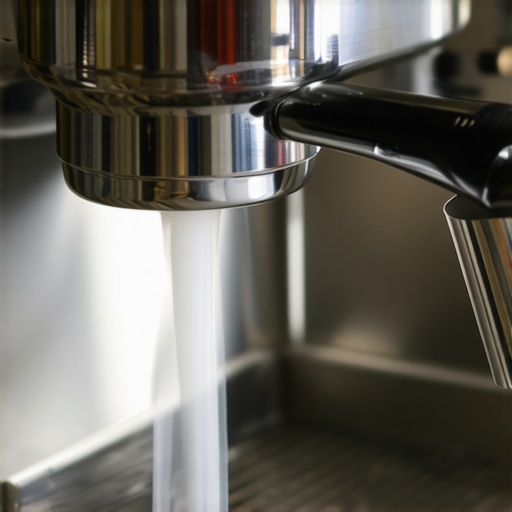 If you are using standalone milk frothers that transform your coffee experience, you might not have a purge to worry about, but for steam wand users, this is non-negotiable.
Watch out for the overfilled boiler trap
If you have a machine with a manual fill or a sensor that is acting up, an overfilled boiler is a primary suspect for wet steam. Steam needs headspace—a pocket of air at the top of the boiler where the gas can collect. If the water level is too high, the steam picks up water droplets as it rushes toward the wand. It is like trying to blow air through a straw that is submerged halfway in a glass of water; you are going to get bubbles and spray. Learning the easy way to check if your boiler is actually empty or properly filled can save you from a week of watery cappuccinos.
Keep those tiny steam holes clear
Finally, check the tip of your wand. If even one of those tiny holes is partially blocked by dried milk, the pressure won’t be balanced, and the steam will come out in uneven, wet bursts. It is easy to overlook, but why your steam wand tips keep getting blocked by milk residue often comes down to not wiping and purging immediately after use. A simple paperclip or a dedicated cleaning tool can clear those ports and restore the dry, high-velocity jet you need for that perfect whirlpool in your pitcher. If the flow still feels restricted, you might need to investigate how to fix a steam wand that only blows out weak air to ensure there isn’t a deeper blockage in the valve.It is tempting to think that a bigger boiler is the only solution for wet steam, but in my experience, the problem often lies in how we manage the machine’s recovery time. Everyone says you need infinite steam power to get café-quality microfoam, but I have seen five-thousand-dollar machines produce watery lattes because the user didn’t understand boiler cycling. If you are constantly hitting the steam button the moment the light turns on, you are catching the machine at its most wet phase.
Why high pressure doesn’t always mean dry steam
Many home baristas chase higher bar pressure like it is a magic bullet. However, the Specialty Coffee Association (SCA) suggests that the ideal steam quality for milk texturing is roughly 95% dry steam, regardless of the peak pressure. If your pressure is too high, you might actually be pulling more liquid water through the wand than if you operated at a slightly lower, more stable pressure. I once cranked my pressure stat up to 1.5 bar, thinking it would make me a latte art pro. Instead, it turned my pitcher into a turbulent whirlpool that was impossible to control. If you notice your output is erratic, why your steam wand pressure cuts out after 10 seconds might be a sign that your boiler is prioritizing volume over quality. 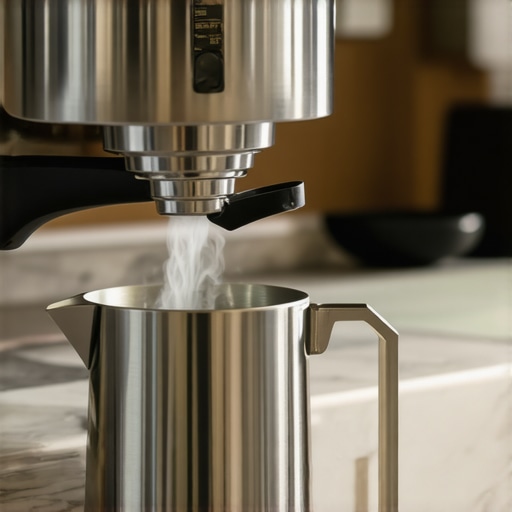 Another trap I fell into was ignoring the creeping leak. If you see a tiny bit of vapor escaping where the wand meets the body, you aren’t just losing heat; you are losing the pressure required to keep that steam dry. This is why why your espresso machine is leaking steam from the top is a maintenance priority, not just a cosmetic annoyance. A small leak acts like a vent, allowing the dry steam to escape and leaving you with the heavier, wetter particles.
Is your heat exchanger actually hiding layers of lime
For those of you with heat exchanger machines, there is a nuance that most manuals skip. Scale doesn’t just block water flow; it acts as an insulator. If your heating element is covered in calcium, it takes longer to heat the water, resulting in lazy steam that condenses far too quickly. Learning how to remove scale from a heat exchanger without a teardown can restore that sharp, dry snap to your steam wand. And don’t even get me started on non-dairy milks. People think the wetness is the problem, but it is usually the temperature. If you use the same aggressive stretching technique for oat milk as you do for dairy, you will end up with a separation disaster. The secret to steaming alternative milks without the bubbles involves a shorter stretching phase and a tighter vortex to compensate for the different protein structures. Have you ever fallen into the trap of thinking a more expensive machine would solve your texture issues, only to find the same watery mess? Let me know in the comments.It is one thing to fix a wet steam wand, but it is another to keep your whole setup running like a dream year after year. I have realized that the most frustrated baristas are the ones who treat their machines like a microwave—set it and forget it—rather than a precision instrument. If you really want to level up, you need to stop guessing and start measuring your flow. I started doing a weekly check on my group head after I noticed my shots were getting muddy regardless of the bean. According to the La Marzocco Home technical maintenance documentation, a standard group head should output approximately 250ml to 300ml of water in 30 seconds without a portafilter. If yours is lower, you are likely fighting a clogged shower screen or a failing pump. Learning how to check your espresso machines group head flow rate was the lightbulb moment that saved me from buying a new machine I didn’t need.
How do I keep my gear running for years?
Maintenance isn’t just about descaling when the machine stops working; it is about preventative care for your most expensive components. For example, I stopped using grocery store ‘cleaning rice’ because I realized it was gunking up the internal threads of my burr carrier. Now, I use dedicated cleaning pellets or simply a stiff brush. You should really learn the best way to clean a grinder without taking it apart to avoid messing with your zero-point every Sunday. Also, don’t ignore the small things; choosing the best barista gear for coffee enthusiasts means investing in high-quality gaskets and filters that don’t degrade in three months. If you are noticing a white crust around your fittings, how to tell if your machine boiler is accumulating lime scale is a skill that will save you hundreds in professional repair bills. 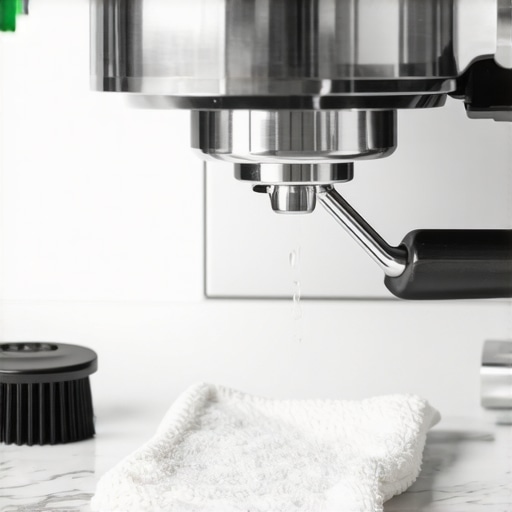
Precision sensors and the future of home brewing
Looking ahead, I predict we are going to see a massive shift toward AI-integrated sensors in home machines. We are already seeing this with brands like Decent Espresso, but soon, your machine will likely send a notification to your phone telling you exactly which O-ring is about to fail based on pressure fluctuations. This takes the guesswork out of maintenance and ensures you never wake up to a broken boiler. In the meantime, having the right setup is key. Knowing how to select the perfect coffee grinder for your brew is just as important as the machine itself, as a grinder with accessible burrs makes this whole maintenance routine ten times easier. If you want to stop the cycle of watery lattes and inconsistent shots, I challenge you to do a deep-clean of your grinder tonight. Use why you should never use rice to clean your high-end grinder as your guide and see if your flavor clarity doesn’t jump up tomorrow morning.
The Hardest Lesson I Learned About Steam Management
I used to think that a wet steam wand was just a quirk of my machine, like a car that needs a little extra gas to start in the winter. But after thousands of lattes, I realized that wet steam is often a symptom of our own impatience. One of the biggest lightbulb moments for me was realizing that the sound of the steam is a better indicator of quality than any ‘ready’ light on the dashboard. If it sounds like a kettle, there is still liquid water in the line. You want that sharp, jet-engine roar. Another hard truth? Most of us are under-purging. I started doing what I call a ‘double purge’—one long blast to clear the water, and a second quick flick just before the wand enters the milk. This ensures that no condensation has built up in the few seconds I spent positioning my pitcher. Lastly, I stopped blaming my espresso machines and started looking at my boiler cycle; catching the heater while it is actively firing results in much drier steam than waiting until the light turns off and the temperature starts its slow dip.
My Toolkit for Better Milk Texture
To move beyond watery foam, you need the right environment and tools. I personally rely on a few specific resources and techniques to keep my drinks consistent. First, I always recommend checking the reason your milk tastes sweet without adding sugar because it helps you understand the Maillard reaction and why dry steam is crucial for preserving those natural flavors. When it comes to gear, I’ve found that the best way to handle large milk pitchers for small drinks is to prioritize a pitcher that allows for a tight vortex, which is much harder to achieve if your steam is too wet and adding volume to the milk. I also suggest that beginners look into why your milk pitcher position is ruining your texture, as even the driest steam won’t help if your angle is off. For those focusing on the coffee side of the equation, understanding the truth about using spring-loaded tampers for even shots can ensure that while you fix your steam, your extraction remains just as professional.
Your Path to the Perfect Microfoam
The journey of home espresso is rarely a straight line; it is a series of small adjustments that eventually lead to that ‘perfect’ cup. Don’t get discouraged if your first few attempts after reading this still result in a few bubbles. Learning to manage the thermal quirks of your barista gear takes time and a bit of intuition. Every time you purge that wand and hear that clean, dry hiss, you are one step closer to the latte art you see on your favorite social media feeds. Keep experimenting with your milk frothers and steam wands, and remember that even the best pros started with a watery mess on their counter. You have the tools and the knowledge now—go pull a shot and steam some milk! Have you ever accidentally sprayed a ‘watery cough’ of steam directly into your milk and ruined a drink? Let me know your funniest espresso fail in the comments below!