
Why Your Coffee Tastes Like Vinegar After Descaling
I took a long, eager gulp of my morning latte and nearly spat it across the kitchen tiles. My face puckered. My eyes watered. For a second, I thought I’d accidentally brewed a cup of pure balsamic vinegar. I’d spent the previous evening meticulously descaling my setup, convinced I was being a responsible owner. Instead, I’d turned my morning ritual into a punishment. If you’ve ever felt that sharp, acidic burn right after a “clean,” you know exactly the kind of betrayal I’m talking about. [IMAGE_PLACEHOLDER]
That Sharp Sour Kick Isn’t Just Your Imagination
We often treat descaling like a holy rite of passage for home espresso enthusiasts. We read the manuals, we buy the solutions, and we wait for the magic to happen. But here’s the cold truth: the reason your espresso tastes like vinegar is usually much simpler—and more frustrating—than a mechanical failure. Most of the time, we are simply tasting the lingering ghost of the cleaning agent. Early in my journey, I made the classic rookie error of thinking one “quick rinse” was enough to clear out the boiler. I was lazy. I figured if the water looked clear, it was clean. It wasn’t. According to chemical safety data shared by the Specialty Coffee Association (SCA), certain descaling agents require multiple flush cycles to reach a neutral pH level that won’t interfere with coffee extraction. If the concentration remains even slightly high, it dominates the delicate oils of your beans.
Is my expensive espresso machine actually ruined?
I get it. You spent a small fortune on top-rated espresso machines, and now it’s producing undrinkable swill. You’re worried the acid ate through the copper or damaged the heating element. Relax. While it’s important to know how to tell if your machine boiler is accumulating lime scale before things get crusty, that vinegar taste is rarely a death sentence. It’s a residue problem, not a hardware failure. Have you ever finished a cleaning cycle only to realize your coffee tasted worse than before you started? Drop a comment and tell me what machine you’re using—I’ve likely struggled with the same one. Maybe try the best way to descale a boiler without using harsh vinegar next time to avoid this headache altogether.
Flush Your Boiler Like You Mean It
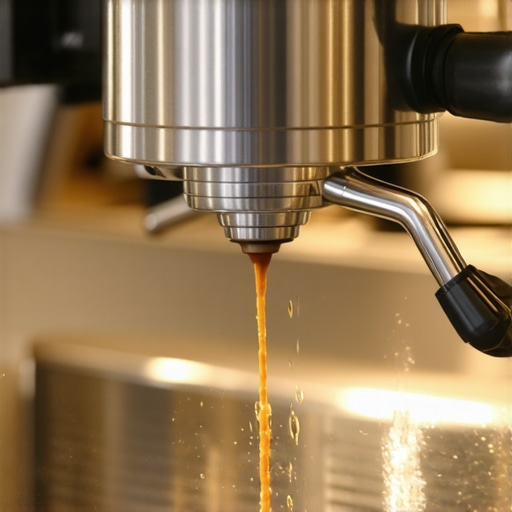
The first and most critical move is to stop thinking in terms of ‘cups’ and start thinking in terms of ‘liters.’ If you have a machine from our list of top-rated espresso machines, you likely have a boiler capacity between 0.5 and 2 liters. To truly neutralize the pH, you need to run at least four times that volume through the system. I remember a Saturday morning where I ran my machine so long I feared the vibration pump would overheat. I’d used two gallons of distilled water and the water coming out of the group head still had a faint shimmer. It wasn’t until I reached the third gallon that the ‘zing’ finally vanished. If you’re unsure if your machine is putting out enough water, it might be time to how to check your espresso machines group head flow rate to ensure your pump is actually doing its job during the purge.
The Empty-Refill Cycle Technique
Don’t just let the pump run continuously. Instead, use a pulse method. Run the machine for 60 seconds, let it rest for 60 seconds, and repeat. This allows the fresh water to actually mix with the concentrated residue inside the boiler. It’s like rinsing a soapy sponge; you have to squeeze it and let it soak to get the suds out. While you are doing this, it is the perfect time to evaluate your choosing the best barista gear for coffee enthusiasts, such as a dedicated rinsing vessel, to make the process less messy. 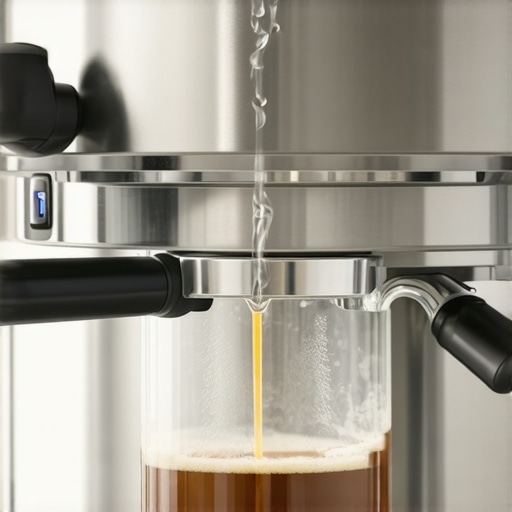
The Secret Pockets Where Residue Hides
Most home baristas focus entirely on the group head, but the acid often hides in the places you least expect. Your steam wand and hot water tap are the most common culprits for trapped descaler. On one occasion, I spent an hour flushing my E61 group head only to realize the vinegar taste was coming from the steam wand. I hadn’t purged it because I wasn’t making a latte. When I finally opened the valve, the steam smelled like a salad dressing factory. You must learn how to clean the inside of your steam wand pipe properly to ensure no calcified acid is stuck in the bends of the metal. If the pressure seems lower than usual during this process, it might be a sign of a deeper issue, like needing to how to spot a failing solenoid valve before it floods your kitchen, as these valves can often trap small bits of loosened scale that keep the acidic water from draining fully.
Toggle Your Switches
If your machine has a three-way solenoid valve, you need to ‘backflush’ with plain water during the rinsing phase. This forces the clean water through the exhaust path, clearing out the pathways that standard brewing doesn’t reach. Think of it as flossing for your machine. If you neglect this, that first shot of espresso will pull fine, but the pressure release at the end will suck acidic water back into the internal works, ruining your next brew. For those who want to avoid this drama entirely in the future, looking into the best way to descale a boiler without using harsh vinegar is a total game changer. It prevents that lingering scent from ever taking hold in the first place.
Why Your Soft Water Might Be Ruining the Shot
Most enthusiasts are told that ‘hard water is the enemy,’ leading them to use ultra-filtered or even distilled water. While it’s true that you need to know how to tell if your machine boiler is accumulating lime scale, there is a dangerous counter-myth that zero-mineral water is better. In reality, if your water is too ‘hungry’ (devoid of minerals), it becomes aggressive and corrosive, leaching metals from your boiler. This leads to a distinct ‘off’ flavor that many mistake for lingering descaler. According to the SCA Water Quality Handbook, a specific balance of calcium and magnesium is required to properly extract the sweet, chocolatey notes from your beans. If you’ve stripped everything out, your espresso will taste thin, sharp, and yes, acidic—mimicking the very vinegar taste you were trying to eliminate. It is vital to learn how to tell if your water is too soft for brewing before you start blaming your cleaning routine.
Can your water actually be too clean for a good shot?
It sounds like a paradox, but ‘over-cleaning’ your water source is a common mistake for those mastering the art of home espresso. When the TDS (Total Dissolved Solids) levels are too low, the water can’t effectively ‘grip’ the coffee oils. This results in a shot that is perpetually underextracted, regardless of how fine you grind.  This is the ‘Oops’ factor most people miss: they spend hours flushing the machine, not realizing the water they are using to rinse is actually the culprit of the poor taste. If the flavor remains ‘tinny’ or sharp, you might be experiencing the reason your espresso tastes metallic after descaling, which is often a sign of copper leaching due to acidic, over-filtered water.
Stop Blaming the Machine for Grinder Messes
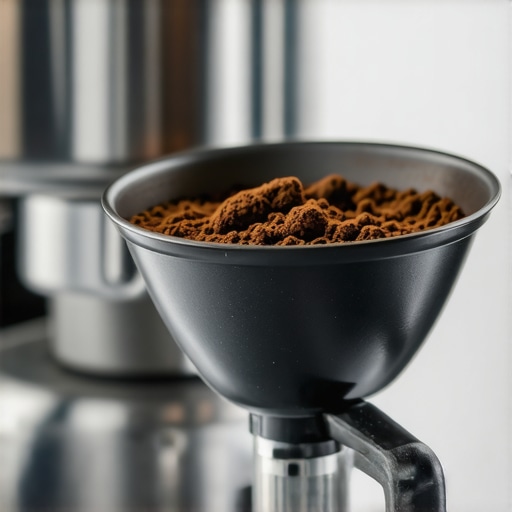
Sometimes the lingering acidity isn’t even in the boiler—it’s in your portafilter. After a deep clean, we often adjust our variables, and a common trap is ignoring the grinder’s state. If your machine is clean but your shots are still sour, check if your coffee grounds are clumping together. Clumping leads to channeling, where water blasts through certain parts of the puck faster than others, leaving behind those sharp, vinegary notes of underextracted coffee. Even on top-rated espresso machines, a dirty grinder can sabotage a clean boiler. If you are noticing a sudden change in taste post-descaling, it might just be that your grinder settings shifted while the machine was off. Have you ever fallen into this trap of over-cleaning one part of your setup while neglecting the others? Let me know in the comments. Digging deeper into your barista gear can reveal that the ‘vinegar’ problem is often a multi-factor issue involving water chemistry, temperature, and grind consistency, rather than just a bad rinse cycle.
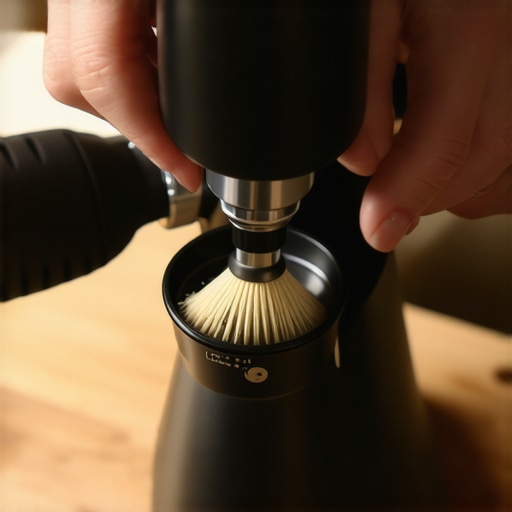
If you think the boiler is the only place where scale and gunk create chaos, you are in for a rude awakening. I have seen enthusiasts spend hours descaling their machines only to ignore the very tool that handles the beans every single day. If your grind feels inconsistent or the dial won’t budge, it is often because micro-fines are clogging the mechanical threads. You need to identify the reason your grinder adjustment ring feels gritty or stuck before you try to force it and snap an expensive internal component. I personally use a small dental pick and a high-powered vacuum every Sunday—it sounds obsessive, but it is the difference between a shot that sings and one that tastes like dusty pennies. When you are how to select the perfect coffee grinder for your brew, you have to consider how easy it is to deep clean, or you will find yourself neglecting it within a month.
How do I keep my gear running like day one for years?
The secret to longevity isn’t a magic chemical; it is proactive friction management. Most people wait until their machine squeaks like a rusty gate before they take action. For those of us with E61 groups, you must learn how to properly lubricate your e61 group head cam with high-temperature food-grade grease. If that lever feels stiff, you are literally grinding metal against metal inside your group head. Similarly, check your seals monthly. I once had a double shot spray across my favorite shirt because I didn’t know how to check if your portafilter gasket is actually sealed until it was far too late. Prevention is always cheaper than a kitchen renovation or a technician’s hourly rate.
The Future Is Smarter Than Your Grinder
I predict that the next five years will see a massive shift toward ‘smart’ maintenance sensors in top-rated espresso machines. We are already seeing prototypes that measure flow resistance and mineral buildup in real-time. This will take the guesswork out of descaling. However, until those machines become the standard, we have to rely on our own technical diligence. According to the technical maintenance whitepapers from Mahlkönig, burr parallelism—the perfectly flat alignment of your grinding surfaces—can shift slightly due to thermal expansion and vibration. Even a 10-micron deviation can increase your ‘fines’ production by 15%, which leads to that muddy, bitter profile that ruins even the best beans. Keeping your barista gear in peak condition is about mastering these small, invisible details.
Don’t let your machine dictate the quality of your morning. If you haven’t done it in the last three months, my big advanced tip for you is to perform a flow-rate test today. Go and learn how to check your espresso machines group head flow rate to see if your pump or a tiny piece of scale is secretly strangling your extraction. It only takes a measuring cup and a stopwatch, but the data it gives you is invaluable for troubleshooting before a total failure occurs.
The Most Expensive Mistake I Made While Cleaning My Setup
I used to think that a clean machine was a silent machine, but I quickly learned that the loudest problems are the ones you can’t hear—like the slow creep of pH imbalance. If you’ve been mastering the art of home espresso, you’ll eventually realize that flavor consistency is more about water chemistry than the machine itself. I’ve also learned that if your shots still taste ‘off’ even after a massive flush, you might be facing the reason your espresso tastes metallic after descaling, which usually means your rinse water is too ‘hungry’ and is pulling copper from your pipes. Always trust your tongue over the ‘finish’ light on your display.
My Secret Weapons for a Perfect Clean Every Time
To keep things running smoothly, I never start a deep clean without my ‘maintenance bucket.’ I rely on high-temperature food-grade grease to keep the levers moving and a set of precision dental picks for the group head gaskets. If you’re currently choosing the best barista gear, don’t overlook simple tools like a high-quality TDS meter and a dedicated rinsing vessel. [IMAGE_PLACEHOLDER] Also, knowing how to select the perfect coffee grinder involves checking for designs that minimize retention, so you don’t have old, vinegary grounds hiding in the chute from your last cleaning session.
Reclaim the Flavor of Your Morning Latte
Coffee is a journey, and every sour shot is just a lesson in disguise. Don’t let a bad descaling experience discourage you from the craft. Your home espresso setup is a complex beast, but once you master the cleaning rhythm, the reward is a cup that finally tastes exactly how the roaster intended. Have you ever found a ‘secret’ pocket of residue in your steam wand or hot water tap that ruined your coffee? Let me know your worst descaling stories in the comments below!