Why Your Espresso Scale Is Jumping Numbers While the Shot Is Pulling
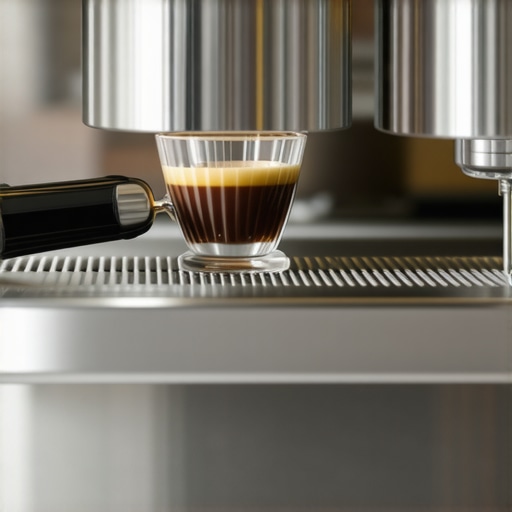
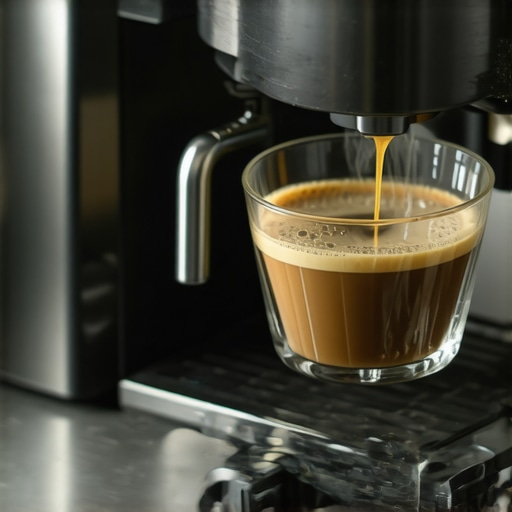
There I was, bleary-eyed at 7:00 AM, watching the liquid gold flow from my portafilter. Everything seemed perfect until I looked down at my scale. 12 grams. 18 grams. 14 grams. 42 grams?! I hadn’t even reached the thirty-second mark, yet my scale was doing gymnastics. It’s a special kind of heartbreak when your precision equipment decides to start guessing. I used to think I just had a “lemon” or that my kitchen was possessed by a caffeine-hungry spirit. In reality, I was making a handful of rookie mistakes that were driving my sensors crazy. If you’ve ever wanted to throw your scale across the room because it won’t stay still while you’re mastering the art of home espresso, this guide is for you. We’re going to look at exactly why those numbers are jumping and how to get your accuracy back on track.
Your Scale Isn’t Haunted—It’s Just Sensitive
The first time this happened to me, I assumed it was the steam. I wiped the screen, blew on the sensor, and tried again—only for it to happen again. It turns out, espresso machines are chaotic environments for delicate electronics. Vibration, heat, and even static electricity can play havoc with a load cell. I spent months frustrated before I realized that choosing the best barista gear isn’t just about the brand name; it’s about understanding how that gear interacts with your specific machine. For instance, I once tried to pull a shot on a rattling drip tray, and my scale spent the whole time trying to weigh the vibrations instead of the coffee! I eventually had to use the simple cardboard trick to quiet a vibrating machine just to get a stable reading. I remember one morning specifically when I was trying out a new light roast. I was so focused on the yield that I didn’t notice my scale was slowly sliding toward the back of the machine. By the time I caught it, the reading was jumping because the scale was half-on and half-off the tray. Learning how to stop your cup from sliding during a shot was a game changer for my sanity.
Is a cheap digital scale actually worth the headache?
You might be wondering if you should just bin your current scale and buy the most expensive one on the market. While a high-end scale has better shielding, even a $200 Acaia will struggle if you place it directly over a hot boiler vent or a vibrating pump. According to research on strain gauge load cells from IEEE Xplore, thermal drift—where temperature changes cause the metal in the sensor to expand—is one of the leading causes of “creeping” or jumping weight readings in precision instruments. Have you ever noticed your scale start climbing even when no coffee is falling? That’s likely heat transfer from your machine’s drip tray. Sometimes, why your espresso tastes better when you don’t use the drip tray is simply because you aren’t fighting your equipment’s technical glitches. I made the mistake of leaving my scale on a hot machine for an hour and wondered why it drifted by 5 grams by the time I used it. It’s these tiny environmental factors that ruin a shot faster than a bad grind. Tell me, have you ever seen your scale jump more than 10 grams in a single second? It’s enough to make you want to go back to pre-ground coffee, isn’t it? Let’s dive into the physical fixes to stop the jumping numbers for good.
Kill the hum to save your shot
Precision sensors are like tiny trampolines; the slightest ripple can send the internal load cell into a panic. When your vibration pump kicks in, it sends microscopic shockwaves through the drip tray. If your scale isn’t isolated, it will interpret those vibrations as weight. I’ve found that the simple cardboard trick to quiet a vibrating machine is a great temporary fix, but for a permanent solution, you need a high-density silicone mat. I once spent twenty minutes wondering why my dose was fluctuating by 2 grams, only to realize my grinder was leaning against the scale. Knowing how to balance a grinder that is wobbling on the counter is just as important as the scale itself. If the surface isn’t level, the load cell can’t distribute weight evenly, leading to those annoying ghost readings.
Keep it cool or watch the numbers creep
Thermal drift is the silent killer of accuracy. Your espresso machine is essentially a giant radiator, and most scales are made of plastic and metal that expand when heated. If you leave your scale sitting on a hot drip tray, the internal components literally change shape, causing the sensor to think weight is being added. This is one major reason why your espresso tastes better when you don’t use the drip tray—you remove the heat variable entirely by weighing into a cup on the counter first. I learned this the hard way during a busy brunch session. I left my scale on top of the cup warmer for ten minutes. When I put it back to work, it was adding 0.1 grams every five seconds. I had to stick it in the freezer for two minutes just to reset its logic.
The unexpected power of a rubber mat
If your scale is constantly sliding, you’re never going to get a clean read. I used to watch my cup dance across the scale during high-pressure pulls. Learning how to stop your cup from sliding during a shot isn’t just for aesthetics; it’s about keeping the center of gravity stable. If the cup moves, the weight distribution on the sensor shifts, and the scale has to recalculate mid-flow. I finally invested in a thin, heat-resistant rubber skin for my scale. Not only did it stop the sliding, but it acted as a thermal barrier. You can even use the same logic for your larger equipment; how to quiet a loud grinder using only a rubber mat is a technique that translates perfectly to stabilizing your scale. I remember the first morning I used a dedicated isolation pad—it was like the scale finally stopped shouting and started whispering the truth. It was the difference between a sour, under-extracted mess and a balanced, syrupy shot.
Stop the electrical interference
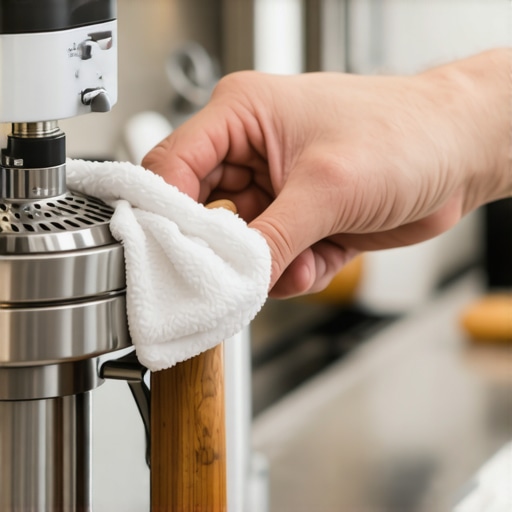
We often forget that these are electronic devices sitting next to high-voltage pumps and steam. Static electricity from your grinder can actually mess with the digital display or the sensor sensitivity. If you’ve ever wondered why your coffee grounds are clumping together, that same static charge can jump to your scale’s metal plate. I make it a habit to wipe my scale with a slightly damp cloth once a week to discharge any buildup. Also, check your clearance. If why your coffee scale doesn’t fit under your portafilter is an issue, you might be tempting fate by jamming it in and putting physical stress on the load cell housing. Give your gear some breathing room, and it will give you the precision you expect.While we’re on the subject of precision, let’s talk about a huge misconception: that a more expensive scale is automatically more “stable.” In my experience, the opposite is often true. High-end scales like the ones you’d see when choosing the best barista gear use much more sensitive load cells. If your counter is even slightly off-kilter, these professional units will scream at you with drifting numbers, whereas a cheap $15 scale might just ignore the imbalance. It’s a classic case where the move for better espresso without buying a new machine is simply leveling your workspace. I once saw a fellow enthusiast return a high-end unit because it kept “taring” itself, only to find out his air conditioning vent was blowing directly onto the weighing platform. According to industrial weighing experts at Mettler Toledo, even a slight air draft or “wind force” can exert enough pressure on a high-precision plate to simulate several tenths of a gram, leading to phantom readings.
Can your tamping technique actually mess up your scale’s calibration?
Believe it or not, yes. One “oops” factor I see constantly is the physical pressure we indirectly put on the sensor. If you are tamping like a bodybuilder and then slamming the portafilter into the group head, you might be slightly shifting the internal alignment of the drip tray or the scale’s seating. Worse, if you aren’t careful about how to stop your tamper from vacuum sealing the coffee puck, you might be creating a pocket of air that releases unevenly. When the water finally hits that pocket, it can cause the cup to vibrate or “jump” on the scale more than usual. This creates a feedback loop for the sensor that it can’t quite compute. It’s these tiny mechanical stresses that lead to why your espresso tastes bitter even with a fast pull—you think you’re at 36 grams because the scale is lagging or jumping, but you’ve actually over-shot the yield because you were fighting the hardware.
Why more precision can lead to more frustration
Another nuance people miss is the “dead zone” created by static and retention. If you’ve spent time researching how to select the perfect coffee grinder for your brew, you know about retention. If your grinder is retaining 2 grams of old coffee and then dumping it into your next shot, your scale isn’t “failing” to weigh accurately; it’s weighing a mixture of fresh and stale grounds that have different densities and moisture levels. I’ve spent years testing top-rated espresso machines for coffee lovers in 2025, and the most common failure point isn’t the boiler or the pump—it’s the barista’s environmental awareness. We get so caught up in the numbers that we forget to check if the scale is actually flat or if the steam wand is leaking moisture onto the sensor. Water vapor is surprisingly heavy in the eyes of a 0.1g sensor. If your steam wand has a slow leak, that microscopic “fog” settling on your scale will make the weight climb steadily. I’ve seen baristas tear their hair out trying to dial in a shot while their scale was essentially weighing the humidity. Have you ever fallen into this trap where you blamed your scale for a user error? Let me know in the comments.
Keep the grime away from your sensors
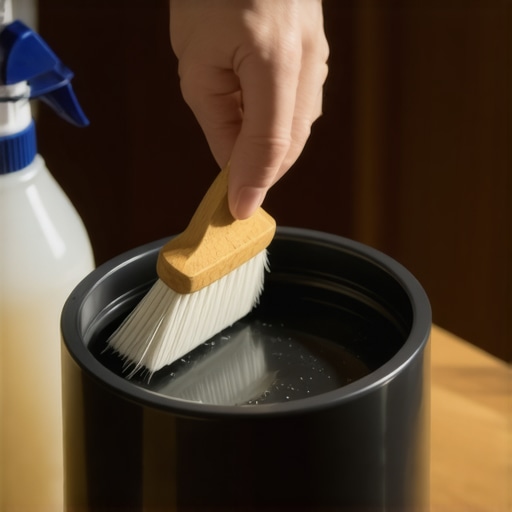
If you’ve solved the vibration issue, your next enemy is the buildup of coffee oils and fine particles. I used to think a quick wipe was enough, but coffee dust is incredibly invasive. It gets into the gaps between the weighing platform and the base, creating physical friction that the load cell interprets as weight. This is why the best way to clean a grinder without taking it apart often involves a vacuum; I use that same logic for my scale. A quick blast of compressed air around the seams once a week prevents the platform from sticking. If you ignore this, you’ll eventually find that the reason your grinder adjustment ring feels gritty or stuck is the same reason your scale is lagging: tactile interference from debris. I personally keep a small, soft-bristled brush specifically for my electronics, ensuring no stray grounds are wedged in the sensitive gaps.
How can I keep my precision tools accurate for years?
Consistency isn’t just about the shot you pull today; it’s about the state of your gear six months from now. I recommend a monthly calibration check. Most people buy a high-end scale when choosing the best barista gear but then never calibrate it again. I keep a 100g and 500g F1-class calibration weight in my drawer. According to the technical specifications from Acaia’s support documentation, even moving your scale to a different altitude or changing the ambient room temperature significantly can require a recalibration of the load cell’s zero-point. It takes thirty seconds and ensures that your 18-gram dose is actually 18 grams. While you are at it, check your other peripherals. If you notice why your group head gasket is leaking after just one month, it might be due to excessive heat exposure that is also affecting your scale’s battery life and sensor health.
Your daily routine is the real precision tool
I’ve realized that the most stable scales belong to the baristas with the cleanest workflows. If you are splashing water and milk everywhere, your electronics will suffer. I’ve seen enthusiasts move away from countertop scales entirely, opting for milk frothers that transform your coffee experience by having integrated sensors, but for espresso, the scale remains king. I believe we are moving toward a future where load cells are integrated directly into the machine’s frame, shielded from heat and moisture by design. We are already seeing this in top-rated espresso machines for coffee lovers in 2025, where gravimetric technology is becoming the standard rather than a luxury add-on. For now, focus on protection. If you are worried about internal damage, remember that how to fix a broken boiler temperature sensor is a much bigger headache than simply keeping your scale dry. My challenge to you: tonight, after your last shot, take your scale off the drip tray and store it on a cool, level shelf. See if those numbers still jump tomorrow morning. I bet they won’t.
What Your Scale Manual Won’t Tell You
After years of trial and error, I’ve realized that precision is often as much about the environment as it is the sensor. Here are a few lightbulb moments I wish I had known sooner:
- The ‘Trailing’ Trap: Most scales have a slight refresh lag. If you are aiming for 36 grams, stop the flow at 34. This isn’t the scale failing; it’s the liquid still traveling from the basket to the cup.
- Gravity’s Secret Enemy: If your counter is even slightly unlevel, the load cell is under diagonal stress. I keep a tiny bubble level in my kit just to ensure the surface is flat before I start.
- The Low Battery Ghost: On many digital models, erratic jumping is the first sign of a dying battery. Even if the display looks bright, a low voltage can cause the internal processor to misinterpret signals.
- Steam is Weight: If you are weighing while steaming milk nearby, the atmospheric pressure and moisture can actually register as weight. Keep your milk prep and your extraction separated by at least twelve inches.
The Three Tools I Use to Keep My Readings True
When you are choosing the best barista gear, it’s easy to get overwhelmed by features. However, these are the three specific items I rely on to ensure my data stays accurate:
First, a high-density silicone heat mat is non-negotiable. Most scales come with a thin one, but I prefer a thicker 3mm version to create a total thermal break from the drip tray. Second, I always keep F1-class calibration weights nearby. Just like checking your tire pressure, verifying your scale once a month prevents ‘creeping’ errors from ruining your recipe. Finally, a dedicated electronics brush is essential. Keeping the tiny gap between the weighing platform and the base free of coffee dust prevents physical friction that can cause the scale to ‘hang’ or lag mid-pour. This is especially important when you are how to select the perfect coffee grinder for your brew, as static-charged grounds love to find their way into sensitive electronics.
Focus on the Flavor, Not the Flicker
It’s easy to become obsessed with that second decimal point, but remember that the goal is always the liquid in the cup. A 0.2-gram jump won’t be the reason why your espresso tastes bitter even with a fast pull; that’s usually a puck prep or temperature issue. Use your scale as a guide to find the rhythm of your machine, but don’t let a flickering screen steal the joy of the morning ritual. As you continue mastering the art of home espresso, you’ll learn to sense when a shot is right even before the numbers settle. Treat your equipment with care, keep it cool and dry, and it will reward you with the consistency you need to pull world-class shots every single day. How often do you calibrate your scale, or do you trust it right out of the box? Let me know your routine in the comments below!