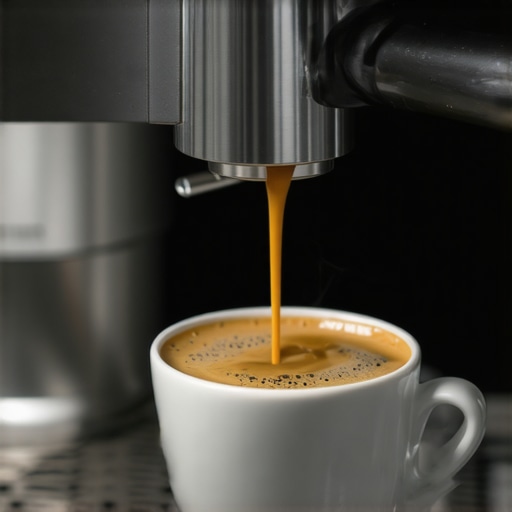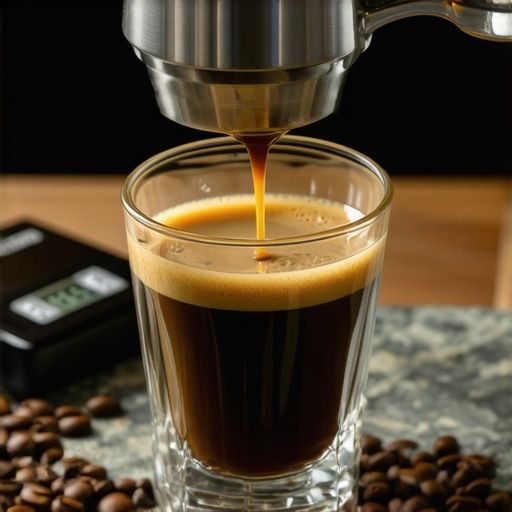
Why Your Shot Extraction Time Changes Every Single Day
I stood there in my kitchen, staring at the digital readout on my scale like it was a personal insult. 48 seconds. Yesterday morning, with the exact same beans and the exact same grind setting, I hit a perfect 30-second pull. I hadn’t touched a single dial. I hadn’t even changed my tamping pressure. It felt like my grinder was gaslighting me, and I was about two minutes away from listlessly drinking a bitter, over-extracted mess just to get my caffeine fix.
Your Espresso Machine Isn’t Broken Just Yet
I know that feeling of utter defeat when your routine stays the same but the results refuse to cooperate. It’s the primary reason many people give up on mastering the art of home espresso and go back to the predictable, if boring, world of pod machines. But here is the secret: your machine isn’t failing you, and you haven’t lost your touch. Espresso is a living, breathing chemistry experiment happening in your portafilter. Today, I’m going to pull back the curtain on the variables that shift while you’re sleeping, so you can stop chasing the clock and start controlling it. Have you ever felt like you’re fighting a losing battle against your own espresso timer?
Is a Consistent Extraction Time Actually Achievable?
Most home baristas fear that without a multi-thousand dollar laboratory setup, they are doomed to inconsistency. I used to be right there with you. Early on, I made the massive mistake of assuming that once I found the ‘sweet spot’ on my adjustment ring, I could just leave it there for the rest of the month. I didn’t realize that why your grinder settings feel like they changed overnight is often due to things as simple as the weather or how many beans are left in your hopper.
The Invisible Weather Forecast Inside Your Kitchen
The biggest culprit is often something you can’t even see: humidity. Roasted coffee beans are highly hygroscopic, meaning they act like tiny sponges for moisture in the air. According to research published by the Specialty Coffee Association (SCA), even small changes in ambient humidity can significantly alter the physical properties of the coffee puck, causing water to flow faster or slower through the grounds. If it rained last night, your shot will likely run slower today. If the heater kicked on and dried out the air, expect a gusher. Beyond the weather, you also have to consider your equipment’s ‘memory.’ If you aren’t using a zero-retention setup, you’re likely grinding yesterday’s stale, oxidized leftovers into today’s first basket. I’ve found that how to properly season new steel burrs for better consistency makes a world of difference, but even then, the small details matter most.
Clean Out the Ghosts of Coffee Past
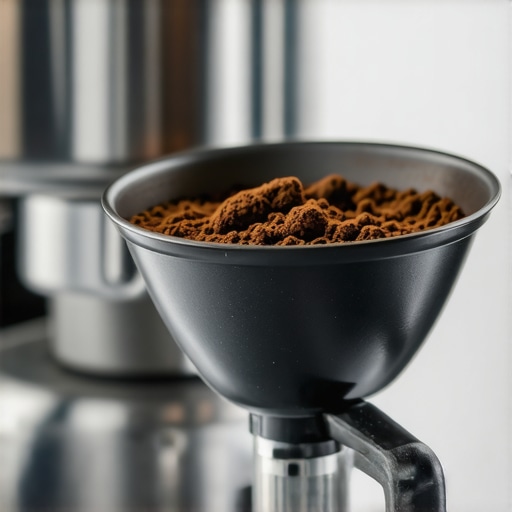
Imagine trying to paint a white wall with a brush that still has wet red paint on it. That is exactly what happens when you adjust your grinder but do not purge the “exchange.” Most grinders hold between 2 and 10 grams of coffee in the chute. If you tightened your grind three notches but did not run the motor for a few seconds, your next shot is a “Franken-puck” of two different grind sizes. I once spent an entire Saturday morning—and about $15 worth of a beautiful Ethiopian Yirgacheffe—wondering why my adjustments were not doing anything. I realized I was essentially drinking a blend of the setting I wanted and the stale setting I had before. Now, I always purge at least 5 grams after any adjustment. If your gear is acting up, learning the best way to clean a grinder without taking it apart can save your sanity and your beans.#IMAGE_PLACE_HOLDER_B#
Stop the Popcorn Effect in Your Hopper
The weight of the beans in your hopper actually changes how they feed into the burrs. When the hopper is full, gravity pushes them down consistently. As it empties, the beans start “popcorning”—bouncing around like lottery balls—which leads to a different grind profile and explains why your espresso shot volume varies even with the same dose. To solve this, try to keep your hopper at least a third full, or use a weighted bellows tool if you prefer single-dosing. Consistency is about removing variables, and fluctuating bean weight is a silent killer of a good extraction. For those just starting, choosing the best barista gear for coffee enthusiasts includes finding a hopper that fits your daily workflow.
Master the 2-Second Adjustment Rule
Instead of panicking when a shot runs fast, look at the humidity. If the air is damp, the coffee swells, and you need to go coarser. If it is dry, the water will fly through, and you need to go finer. Think of the coffee puck like a sandcastle; too dry and it falls apart, too wet and it becomes a dense brick. When you see your shot starting to gush, do not just guess. Make a tiny, 2-second adjustment on your dial and pull again. If your dial feels stuck, check out how to fix a grinder adjustment ring that is stuck before you force it.
Eliminate the Clumps Before You Tamp
Static electricity is the enemy of a smooth flow. On dry days, your grinder might spit out rocks of compressed coffee. If you tamp these as-is, you create paths of least resistance for the water, which is why your bottomless portafilter shows channels every time. Use a small needle tool to break those clumps up. It feels like an extra step, but it is the difference between a shot that tastes like citrus and one that tastes like battery acid. If you are still seeing issues, it might be why your coffee grounds are clumping like little rocks due to internal buildup.
Why Your Basket Prep Matters More Than Your Machine
I used to think my top-rated espresso machines for coffee lovers in 2025 would do all the work. But even the most expensive pump cannot fix a crooked tamp. If you are not perfectly level, the water will always find the low side, leading to an uneven extraction where one half of the puck is over-extracted and the other is untouched. Use a leveled tamper or a distribution tool to ensure the surface is as flat as a frozen lake before you engage the group head.I see enthusiasts spending thousands on top-rated espresso machines for coffee lovers in 2025 while completely ignoring the one ingredient that makes up 98% of the drink: the water. Everyone tells you to buy a more expensive machine to fix a sour shot, but in my experience, a entry-level setup with perfect water chemistry will outperform a pro-sumer machine running hard tap water every single time. Hard water does not just scale your boiler; it physically masks the delicate acidity and sugars of high-end beans. The Specialty Coffee Association (SCA) water standards indicate that specific levels of calcium and magnesium are required to effectively extract flavor compounds. If your water is too soft, the coffee tastes flat and dull; if it is too hard, you get a chalky, muddy mess that no amount of grinder adjustment can fix.
Your Water Is Probably Killing Your Coffee
The biggest trap I see home baristas fall into is descaling with generic white vinegar. It feels like a smart, cheap ‘pro-tip,’ but it is actually a recipe for gear disaster. Vinegar is incredibly difficult to rinse out and is often too aggressive, potentially stripping the protective oxide layer off your copper boiler components. I have heard countless horror stories from readers wondering why your coffee tastes like vinegar after descaling weeks after the process is finished. To avoid this, always use citric acid-based cleaners designed specifically for coffee equipment.
Why Does Your Pressure Drop Midway Through a Perfect Shot?
You have dialed in the grind, the tamp is perfectly level, and the first ten seconds of the pour look like liquid gold. Then, suddenly, the needle on your pressure gauge dips. Most people panic and immediately tighten their grind for the next shot, but why your espresso pressure drops suddenly during the shot is often due to ‘puck erosion.’ As water dissolves the coffee solids, the puck becomes less resistant. If you see a massive drop, it usually means your water temperature is too high, causing the puck to disintegrate too quickly. 
Dark Roasts Can Actually Kill Your Grinder
Do not get me started on the myth of the ‘espresso roast.’ There is a common belief that espresso beans must be dark and shiny, but those surface oils are the literal glue that clogs your precision burrs. If you notice your motor struggling or changing pitch, it is likely why your coffee grinder is stalling with dark roast beans. The friction of the burrs creates heat, the oil melts, and suddenly your precision tool becomes a sticky, gummed-up mess. Stick to medium roasts or ensure you are cleaning the burr chamber weekly if you love the dark stuff.
Maintain the Mechanics or Pay the Price
If you own a classic E61 machine, you cannot just set it and forget it. Learning how to properly lubricate your e61 group head cam is essential to prevent that ‘crunchy’ lever feel that eventually leads to broken internal pins. Even high-end milk frothers that transform your coffee experience require more than a quick steam purge; they need deep enzymatic cleaning to prevent milk protein buildup that ruins your microfoam texture. Have you ever fallen into this trap of over-complicating the gear while missing the simple stuff? Let me know in the comments.I once spent a month wondering why my shots tasted like burnt rubber, only to find a thick layer of rancid coffee oils hiding behind my shower screen. It was a humbling moment that taught me a vital lesson: even the most expensive gear is only as good as your cleaning schedule. If you want to keep your shots tasting like a professional café, you have to move beyond just wiping the steam wand.
Stop Blaming Your Machine and Start Cleaning Your Screen
The biggest silent killer of flavor is the build-up of oils in the group head. Every time you finish a shot and the 3-way solenoid valve vents the pressure, it sucks a tiny bit of coffee residue back into the machine. Over time, this creates a bitter film that ruins every subsequent extraction. I personally advocate for a daily chemical-free backflush with a blind basket and a weekly deep clean using a dedicated detergent. If you are noticing a weird spray pattern, it is time to look at why your group head shower screen is getting clogged so fast and take action.
How do I maintain my espresso gear without becoming a full-time mechanic?
The secret lies in a tiered approach. Daily, you should be purging your steam wand and rinsing the group head. Weekly, you should be cleaning your grinder’s path. According to the La Marzocco Home preventative maintenance guide, even high-end residential machines should have their group gaskets and shower screens replaced every six to twelve months to ensure a perfect seal and even water distribution. This small, ten-dollar investment prevents the frustration of seeing your bottomless portafilter shows channels every time because of a worn-out gasket. #IMAGE_PLACE_HOLDER_D#
Your Grinder Needs More Than a Brush
Many people forget that the grinder is the actual heart of the system. I have found that the best way to clean a grinder without taking it apart is using specialized cleaning tablets, but nothing beats a full burr-chamber scrub once a month. This is especially true if you are using oily beans, which can lead to situations why your coffee grinder is stalling with dark roast beans. When you put it back together, ensure everything is aligned perfectly, or you will be back to square one wondering why your grinder settings feel like they changed overnight.
The Future of Home Espresso Is Precision Software
Looking ahead, I predict we are moving toward a world where ‘smart’ espresso machines and grinders will communicate via Bluetooth to adjust grind size automatically based on real-time flow rate data. We are already seeing this with high-end top-rated espresso machines for coffee lovers in 2025 that feature built-in scales and flow profiling. While these tools are incredible, they still rely on a human to keep the hardware clean. Before you go out and buy a new machine, try this: unscrew your shower screen tonight. If it’s black and sticky, clean it with some espresso detergent. I guarantee your first shot tomorrow will be the best one you have had in weeks.
Small Rituals That Transformed My Morning Espresso Workflow
I learned the hard way that the ready light on your machine is often a optimistic liar. Even if the boiler is at temp, the portafilter and group head are usually still stone-cold, which is why your first shot always tastes like a battery. I now wait at least 25 minutes for the thermal mass to stabilize before I even think about grinding. Another lightbulb moment was the realization that your workspace influences your mindset; knowing the best way to store your tamper to prevent scratches keeps my workflow fluid and frustration-free. Most importantly, I stopped changing three things at once. If your shot is sour, adjust the grind OR the dose, but never both. This discipline is the foundation of mastering the art of home espresso. #IMAGE_PLACE_HOLDER_E#
Tools That Earned a Permanent Spot on My Coffee Bar
If you are looking to upgrade, focus on the contact points where the coffee actually meets the metal. A high-quality precision basket and a perfectly fitted tamper will do more for your flavor profile than a flashy new steam wand ever could. I always advocate for choosing the best barista gear for coffee enthusiasts that prioritizes mechanical utility over kitchen aesthetics. For those who gravitate toward milk-based drinks, exploring milk frothers that transform your coffee experience can bridge the gap between a standard latte and true cafe-quality microfoam. If you are still using a basic setup, your journey truly begins when you learn how to select the perfect coffee grinder for your brew.
Stop Chasing Perfection and Start Enjoying the Process
At the end of the day, espresso is as much a ritual as it is a science. Do not let the technical variables strip away the simple joy of that first morning sip. Whether you are operating top-rated espresso machines for coffee lovers in 2025 or a vintage lever machine you found at a garage sale, the goal is a cup that brings you satisfaction. Every shot you dump into the sink is not a failure; it is a data point that makes your next extraction better. Embrace the variables, trust your palate, and keep brewing your way toward the perfect home espresso. Have you ever had a morning where your grinder seemed to change settings all on its own? Let me know your biggest espresso frustration in the comments below!